Side Dishes
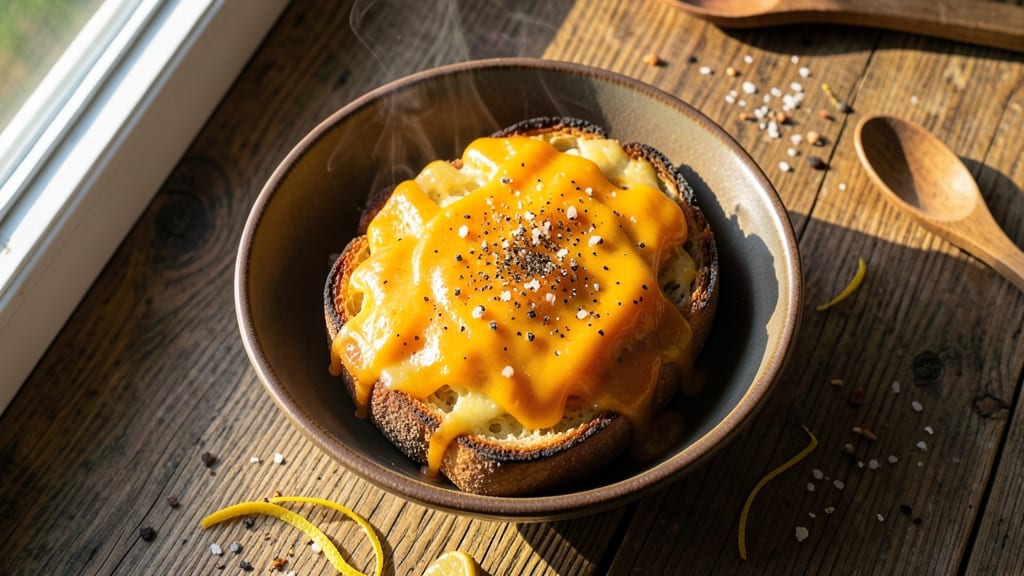
America's Test Kitchen's cheesy garlic bread recipe delivers the ultimate pull-apart magic—crispy, golden edges that shatter with every bite, while the inside stays pillowy soft.
This isn't your average garlic bread; it's a method perfected through rigorous testing to ensure foolproof results every time, whether you're feeding a crowd or craving a cozy side.
The secret lies in a simple yet precise dough formula and the right balance of garlic, butter, and cheese, all baked to achieve that signature texture. What sets this recipe apart is the attention to detail that transforms a simple side into something extraordinary.
The dough proofing technique ensures ideal airiness, while the garlic butter compound—infused with fresh garlic and herbs—creates layers of flavor that penetrate every bite. And the cheese? A carefully selected blend that melts into a gooey, stretchy perfection without overpowering the garlic's bright, aromatic punch.
By the time you pull that golden loaf from the oven, you’ll have a cheesy garlic bread that’s restaurant-quality—crispy on the outside, tender on the inside, and impossible to resist.
The pull-apart texture is the real star, making it perfect for sharing or enjoying solo with a warm bowl of soup. This isn’t just garlic bread; it’s a game-changer that will redefine your idea of a side dish. The best part? It’s easier than it looks.
With just a few key techniques and a little patience, you’ll achieve results that taste like they came from a professional kitchen. Let’s get started—your taste buds (and dinner guests) will thank you.
Ingredients for america's test kitchen cheesy garlic bread
Sixteen ingredients transform ordinary bread into restaurant-quality pull-apart magic every time.
| Ingredient | Amount | Notes |
|---|---|---|
| All-Purpose Flour 🌾 | 4 cups | Plus 1 tbsp for dusting |
| Instant-Acting Dry Yeast 🍞 | ¼ tsp | Or 1 packet active dry yeast |
| Granulated Sugar 🍚 | 1 tbsp | For yeast activation |
| Unsalted Butter 🧈 | ½ cup | Cold, cubed (8 tbsp total) |
| Warm Water 💧 | ¾ cup | 110°F for yeast activation |
| Garlic Cloves 🧄 | 4 whole | Minced for butter compound |
| Fresh Parsley 🌿 | ¼ cup | Finely chopped, stems OK |
| Salt 🧂 | 1 ½ tsp | Diamond Crystal preferred |
| Shredded Mozzarella Cheese 🧀 | 2 cups | Part-skim or whole milk |
| Parmesan Cheese 🧀 | ½ cup | Freshly grated, block preferred |
| Extra-Virgin Olive Oil 🫒 | 1 tbsp | For brushing dough |
| Egg Wash 🥚 | 1 whole | Beaten with 1 tsp water |
The flour is non-negotiable—King Arthur or Gold Medal brands give the best texture. I always grab organic if it's on sale, but regular all-purpose works too. For the yeast, Saf-Instant is my go-to because it doesn't need proofing, but active dry yeast works if you proof it in warm water with sugar for 5 minutes. The butter needs to be cold—pull it from the fridge 15 minutes before using, but don't let it soften beyond room temperature. That's what makes the crust crispy. The garlic? Fresh is non-negotiable—jarred minced has no flavor. I buy a whole head and freeze half for later.
No mozzarella? Oaxaca cheese melts even better, but fontina or provolone work in a pinch. The Parmesan must be freshly grated—pre-shredded gets clumpy. Short on parsley? Fresh basil works at the same amount. Want extra garlic flavor? Add 1 extra clove to the butter compound. The olive oil should be fruity and peppery—none of that bland stuff. For the egg wash, room temperature eggs brush on smoother than cold ones. Pro tip: use large eggs for best coverage. If you're making this ahead, shape the dough and freeze it—thaw overnight in the fridge before baking.
The dough keeps for 2 days in the fridge, wrapped tightly in plastic. For longer storage, freeze shaped loaves for up to 3 months—thaw overnight before baking. The garlic butter compound stays fresh for 1 week in the fridge, sealed in a jar. Once baked, garlic bread reheats beautifully—5 minutes at 350°F brings back that crispy edge. I always make a double batch because it disappears faster than you'd think. Leftovers? Toast them and enjoy with soup the next day—even better second time around.
Why You'll Love This Recipe
- No-Knead Magic: This dough comes together with just flour, yeast, sugar, and warm water—no standing around waiting for gluten to develop. I swear, I’ve made it while scrolling through my phone, and it still turns out light and airy every time.
- Garlic Butter Bliss: That rich, browned butter mixed with garlic and Parmesan? It’s the kind of flavor that makes you want to tear off chunks with your hands. The ATK trick of melting the butter into the dough before baking ensures it’s actually infused, not just drizzled on top.
- Game for Any Occasion: I’ve served this as a side for Sunday dinner, a snack for game day, and even as a makeshift breakfast (yes, with scrambled eggs on top). It’s fancy enough for guests but so easy I don’t feel guilty making it on a weeknight.
- Budget-Friendly Leftovers: A single batch stretches for days—slice it, freeze it, and reheat it straight from the fridge. Honestly, the second day is when it’s really good, with that crispy crust and melty cheese that just gets better. Plus, butter and flour are cheap staples, so it’s a win for my wallet.
Step-by-step instructions for america's test kitchen cheesy garlic bread
Here's how to make the ultimate pull-apart, crispy-topped garlic bread that's foolproof every time.
Activate the Yeast and Mix the Dough
In a large bowl, combine the 0.75 cup warm water (about 110°F) with the 1 tbsp granulated sugar and 0.25 tsp instant-acting dry yeast. Let it sit for 5 minutes until foamy—this confirms your yeast is active. If it doesn't foam, your yeast is dead and you'll need to start over.
Add the 4 cups all-purpose flour and 1.5 tsp salt to the bowl. Mix with a wooden spoon until a shaggy dough forms. Then turn it out onto a lightly floured surface and knead for 8-10 minutes until smooth and elastic. The dough should be slightly tacky but not sticky—if it sticks too much, add 1 tbsp flour at a time until it comes together nicely.
Make the Garlic Butter Compound
While the dough rests, make the flavorful garlic butter. In a small bowl, combine the 0.5 cup unsalted butter (cold and cubed), 4 minced garlic cloves, 0.25 cup finely chopped fresh parsley, and 0.5 tsp salt. Use a fork to mash it into a chunky paste—you want some texture so the garlic flavor really shines through.
This step is where the magic happens. The cold butter creates pockets of flavor that melt beautifully during baking, while the fresh parsley adds brightness that balances the richness. Don't skip the salt here—it enhances all the other flavors in the compound.
Shape and Proof the Dough
Divide the dough into 6 equal portions (about 12 ounces each) and roll each into a 12-inch log. Place them on a parchment-lined baking sheet, spacing them about 2 inches apart. Cover with a clean kitchen towel and let rise at room temperature for 1 hour or until doubled in size.
For the best results, proof the dough in a slightly warm spot (like near your oven with the light on). You'll know it's ready when the dough springs back slowly when poked with a finger and has puffed noticeably. This resting time develops the gluten structure that gives your bread its signature pull-apart texture.
Assemble and Bake for Crispy Perfection
Preheat your oven to 375°F. Brush each garlic bread log generously with the 1 tbsp extra-virgin olive oil, then spread the garlic butter compound evenly over the entire surface. Sprinkle with the 2 cups shredded mozzarella cheese and 0.5 cup freshly grated parmesan cheese, pressing gently so the cheese sticks.
Bake for 20-25 minutes until the tops are deep golden brown and the internal temperature reaches 190°F. The edges should be crispy while the interior remains soft and pillowy. If the cheese browns too quickly, tent loosely with foil for the last 5 minutes of baking.
Brush with Egg Wash for Extra Crispiness
While the bread is still hot from the oven, beat the 1 whole egg wash with 1 tsp water in a small bowl. Using a pastry brush, generously coat the tops of all six loaves. This final step creates an irresistible golden crust that's both crispy and slightly chewy.
Let the garlic bread rest for 5 minutes before serving—this allows the juices to redistribute and makes each pull-apart bite even more flavorful. Serve immediately with warm marinara sauce for dipping, or enjoy as-is while it's still steaming hot from the oven.
Pro Tips For Making America'S Test Kitchen Cheesy Garlic Bread
- Mix Butter Last: The dough’s magic happens when the butter gets folded in at the very end—this keeps the bread tender without turning it greasy. I used to add it earlier, and the texture always came out dense. Save that cold butter for the final knead.
- Measure Yeast Fresh: Yeast loses potency fast, so weigh it (1 packet = ~2.5g) instead of eyeballing the scoop. I learned this after a batch failed to rise properly—turns out my "packet" was actually half-empty. Fresh yeast = reliable rise.
- Don’t Overproof the Dough: The dough should puff to about 50% larger, not double—overproofing kills the air bubbles and makes the bread flat. I once left mine too long, and it collapsed like a sad soufflé. Check it at 45 minutes, not 1 hour.
- Brush Butter Thin: For the garlic butter toaster, spread it thinly on the bread—thick globs burn before the cheese melts. I used to slather it on like frosting, and half the batch ended up crispy and bitter. A light, even coat is key.
Troubleshooting this dish
Dough Too Sticky
If your dough feels too sticky during kneading, resist the urge to add too much flour at once. Instead, work in 1 tablespoon increments while kneading—this prevents dryness. I've found that King Arthur brand flour absorbs moisture differently than others, so adjust accordingly.
If the dough still sticks, wet your hands slightly with water and continue kneading for another 2-3 minutes. Remember, slightly tacky is ideal for pull-apart texture. 🧑🍳
Cheese Not Melting
Uneven cheese melting usually means your oven temperature fluctuates. Use an oven thermometer to verify your 375°F setting—many ovens run 25°F hotter or colder than displayed. For stubborn cheese, try spreading a thin layer of garlic butter compound first, then adding cheese.
This creates a better seal for melting. If cheese still resists, bake for 5 additional minutes at 350°F with foil tented loosely. 🔥
Bread Too Dense
Dense garlic bread often results from underproofed dough or overworking it. Let your dough rise until it's doubled in size and springs back slowly when poked. For extra airiness, place the dough in a lightly greased bowl to rise instead of directly on the baking sheet.
If you accidentally overknead, let the dough rest for 10 minutes before shaping to relax the gluten. Also, ensure your yeast is fresh—old yeast won't activate properly. 🌬️
Crust Not Crispy
For that signature crispy crust, brush the dough with extra-virgin olive oil before baking—this creates a barrier that promotes browning. I recommend California Avocado brand oil for its fruity notes. Bake on the middle rack where heat circulates evenly.
If your crust still lacks crispness, broil for 1-2 minutes at the end (watch closely!). The egg wash should be applied immediately after baking while the bread is piping hot. ⏱️
Garlic Flavor Weak
Fresh garlic is non-negotiable—jarred minced lacks depth. For maximum flavor, let your minced garlic sit at room temperature for 10 minutes before mixing into the butter compound. I also recommend adding ½ tsp garlic powder to the dough itself for extra aroma.
If your garlic butter tastes bland, try adding ¼ tsp red pepper flakes for a subtle kick that enhances all flavors. 🧄
Proofing Problems
Cold environments slow yeast activation. If your kitchen is below 70°F, proof the dough in a slightly warm spot—like near your oven with the light on. For extra insurance, use Saf-Instant yeast which activates faster.
If your dough isn't rising after 1 hour, check the yeast expiration date—old yeast won't work. For quick fixes, place the dough bowl in a turned-off oven with the light on for 15-20 minutes** to create a warm environment. 🌡️
Nutrition facts
Frequently asked questions
Can I make this cheesy garlic bread without yeast?
Not with this recipe! The yeast is what creates that signature pull-apart texture and airy interior. For a yeast-free version, you could try a focaccia-style approach using baking powder, but the texture will be denser and less tender. If you're avoiding gluten, look for a dedicated gluten-free bread recipe instead.
How do I prevent the cheese from getting too brown before the bread is done?
Use a light-colored baking sheet to reflect heat away from the cheese. For extra insurance, tent the bread loosely with aluminum foil after 15 minutes of baking. This keeps the cheese melted and gooey while the crust continues to crisp. The egg wash should only be applied in the final 2 minutes of baking.
Can I make this ahead of time?
Yes! Shape the dough into logs and refrigerate them overnight. When ready to bake, let them sit at room temperature for 30 minutes to come to room temp, then follow the regular baking instructions. For reheating, wrap in foil and warm at 350°F for 10 minutes to restore crispiness.
What's the best way to serve this?
Serve immediately with warm marinara sauce for dipping, or use it as a side for pasta dishes. For extra flair, sprinkle with fresh parsley and red pepper flakes right before serving. It also makes a fantastic appetizer when cut into bite-sized pieces—just arrange on a platter and let guests pull apart.
Why does my garlic bread taste bland?
Fresh ingredients are key! Use freshly minced garlic (not jarred) and let it sit at room temperature for 10 minutes before mixing into the butter. Also, ensure your butter is cold when mixing with garlic—this helps distribute the flavor better. For extra depth, add ½ tsp garlic powder directly to the dough.