
Desserts
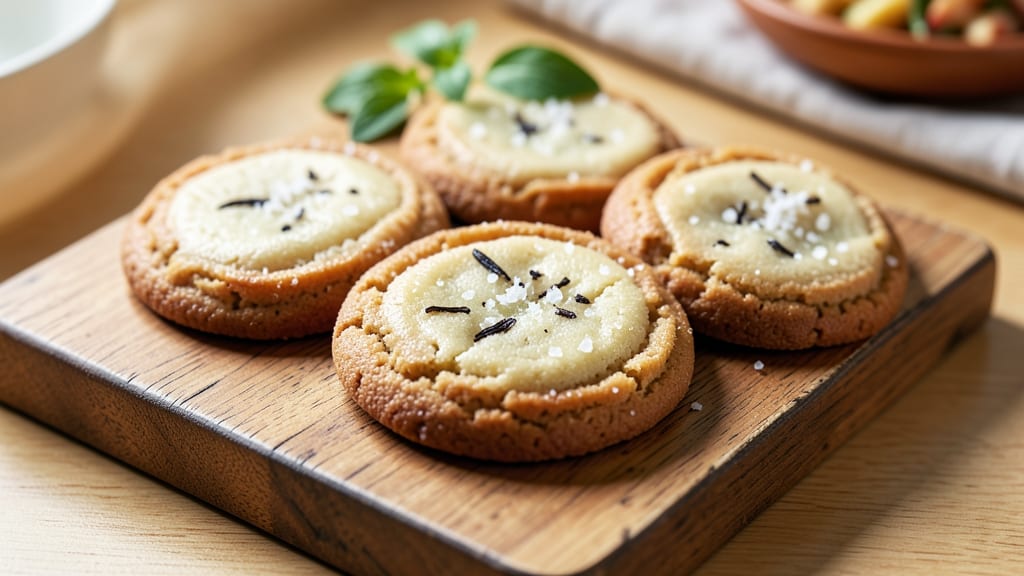
America's Test Kitchen shortbread cookie recipe delivers the perfect balance of buttery crunch and delicate vanilla flavor—every time. This isn't just another cookie recipe; it's a foolproof method developed through rigorous testing to ensure golden-brown edges and a tender, melt-in-your-mouth center.
The secret lies in precise ingredient ratios and baking techniques that transform simple pantry staples into cookies that rival any bakery's finest.
What sets this recipe apart is the attention to detail that makes all the difference: cold butter creates flaky layers, while vanilla extract infuses subtle warmth without overpowering.
The dough comes together in minutes, and with just 12 minutes in a preheated oven, you'll have cookies that stay crisp around the edges while remaining tender inside. It's the kind of recipe that builds confidence in even the most novice bakers.
Once baked, these shortbread cookies develop a beautiful golden hue and an irresistible aroma that fills your kitchen. The texture is what truly impresses—crisp enough to hold its shape but soft enough to melt at the first bite.
This is the recipe that will have you reaching for the mixing bowl again and again, whether you're baking for holidays, gift-giving, or simply treating yourself.
For those who love to experiment, variations like chocolate-dipped edges or citrus zest add exciting twists without compromising the classic shortbread experience. Store them in an airtight container for up to a week, though they rarely last that long.
Let's get baking with this trusted method that delivers perfect results every time.
Ingredients for america's test kitchen shortbread cookie
Precise measurements and cold butter create the perfect shortbread cookies every time.
| Ingredient | Amount | Notes |
|---|---|---|
| Unsalted Butter 🧈 | 1 cup | Cold, cubed for flaky layers |
| Granulated Sugar 🍚 | ¼ cup | Superfine preferred for even texture |
| Pure Vanilla Extract 🌸 | 1 tbsp | High-quality, pure vanilla |
| All-Purpose Flour 🌾 | 2 cups | Sifted, plus extra for dusting |
| Diamond Crystal Kosher Salt 🧂 | ½ tsp | Fine grain for even distribution |
| Baking Soda 🧪 | ¼ tsp | Ensures proper rise |
| Turbinado Sugar (Optional) 🍚 | ½ cup | For sprinkling on top |
The butter is non-negotiable here—cold cubes create those signature flaky layers. Grab the European-style butter from Whole Foods or Trader Joe's for higher fat content (82% butterfat). If you're using regular unsalted, chill it thoroughly before cubing. The flour should be sifted—King Arthur or Gold Medal brands work best for this delicate texture. Vanilla extract matters too; McCormick or Nielsen-Massey are reliable choices, but avoid imitation varieties. The turbinado sugar adds that coveted crunch—Domino or Florida Crystals are widely available.
No superfine sugar? Pulse granulated sugar in a food processor for 30 seconds—it dissolves more evenly. Running short on vanilla? Vanilla bean paste at half the amount works beautifully. The baking soda is crucial for that tender crumb; Aluminum-free brands like Bob's Red Mill ensure consistent results. For a nutty twist, swap 1/4 cup of the all-purpose flour with almond flour. If you're baking at high altitudes, increase the flour by 1-2 tablespoons to compensate for lower air pressure. The kosher salt should be Diamond Crystal—Morton has twice the sodium and alters the flavor balance.
Store the baked cookies in an airtight container with parchment paper between layers to maintain crispness for up to 1 week. For longer storage, freeze portions on a baking sheet first, then transfer to a sealed bag for up to 3 months. The butter dough can be shaped and refrigerated for 24 hours before baking—ideal for holiday prep. Reheat in a 200°F oven for 3-5 minutes to restore crunch if they soften. These cookies improve overnight as the flavors meld, so bake a batch and enjoy them fresh the next day.
Why You'll Love This Recipe
- Five-Ingredient Magic: I swear by this recipe because it’s that simple—just butter, sugar, vanilla, flour, and salt. No eggs, no fuss, no overthinking. The dough comes together in minutes, and honestly? That’s half the battle won.
- Buttery Bliss: The moment these cookies hit your tongue, you’ll taste why butter lovers adore them. Cold, creamy butter mixed with sugar until it’s almost fluffy (thanks to the ATK method) delivers that signature melt-in-your-mouth richness. No dry crumbs here—just pure, buttery satisfaction.
- Holiday Hero: Between us, these are my go-to for holiday gifts, teacher appreciation, or just because. They stay fresh for weeks in an airtight tin, and the vanilla-kissed flavor feels fancy without the effort. Wrap a batch in cellophane, add a ribbon, and boom—you’re the host with the most.
- Pantry Staple: I make these all year round because the ingredients cost next to nothing, and they’re always a crowd-pleaser. A single batch feeds six, and leftovers? They disappear faster than I can say “second cup of coffee.” Plus, the kosher salt adds just enough depth to make them taste like a bakery treat—not a shortcut.
Step-by-step instructions for america's test kitchen shortbread cookies
Master the science behind these legendary shortbreads for perfect buttery layers and vanilla-infused flavor every time.
Prepare the Dough with Cold Butter
In a stand mixer fitted with the paddle attachment, combine the 1 cup unsalted butter (cold, cubed) with the 0.25 cup granulated sugar on medium speed for 2-3 minutes. The butter should form a smooth, creamy paste with no visible lumps. This cold butter technique is critical—it creates those signature flaky layers by melting slowly during baking rather than all at once.
Add the 1 tablespoon pure vanilla extract and mix for 15 seconds until fully incorporated. The vanilla will infuse into the butter, creating a subtle aromatic base. I like to press the dough against the bowl with a spatula at this stage to ensure even distribution of the vanilla flavor throughout the mixture.
Incorporate Dry Ingredients for Perfect Texture
In a separate bowl, whisk together the 2 cups all-purpose flour, 0.5 teaspoon diamond crystal kosher salt, and 0.25 teaspoon baking soda. Sift the mixture directly into the mixer bowl with the butter mixture. Using the paddle attachment on low speed, mix just until the dry ingredients are fully combined—about 30 seconds. Overmixing develops gluten, which can make the cookies tough rather than tender and crumbly.
This is where the magic happens: the baking soda reacts with the butter's acidity to create lift, while the salt enhances the buttery flavor. The dough should hold together when pressed but still be slightly crumbly—this is ideal for shortbread's signature texture. If it feels too dry, add 1 teaspoon ice water to help bind it.
Shape and Chill for Ideal Crispiness
Turn the dough out onto a lightly floured surface and gently press it into a 1-inch thick rectangle. Wrap tightly in plastic wrap and refrigerate for at least 1 hour (up to 24 hours). Chilling is non-negotiable—it firms up the butter, preventing excessive spreading in the oven and ensuring those perfect crisp edges. I always use the full hour to guarantee the best results.
While the dough chills, preheat your oven to 325°F. Line two baking sheets with parchment paper—this prevents sticking and makes cleanup effortless. The lower temperature ensures even baking without browning, which is especially important for shortbread's delicate color and texture.
Cut and Bake for Golden Perfection
Remove the chilled dough from the refrigerator and roll it out to ¼-inch thickness on a lightly floured surface. Use a 2-inch round cutter to cut out cookies, gently pressing down to ensure clean edges. Place them 1 inch apart on the prepared baking sheets—this gives them room to spread slightly while maintaining their shape.
For the optional touch, sprinkle the tops with 0.5 cup turbinado sugar just before baking. Bake for 20-25 minutes until the edges are just beginning to turn golden—they'll firm up as they cool. The centers should still look slightly pale, as they'll continue baking on the hot sheet after removal. Rotate the pans halfway through for even baking.
Cool and Enjoy for Maximum Flavor
Transfer the cookies to a wire rack to cool completely. This step is crucial—shortbread continues to crisp up as it cools, and rushing it can leave them soft. Once fully cooled, the cookies should have a crisp exterior with a tender, melt-in-your-mouth interior. The vanilla flavor should be subtly present without overpowering the buttery richness.
Store in an airtight container at room temperature for up to 5 days, though they rarely last that long. For serving, arrange on a platter with a dusting of powdered sugar or a sprinkle of flaky sea salt to complement the sweetness. These cookies are perfect for holiday gatherings, afternoon tea, or as a simple yet impressive dessert.
Pro Tips For Making America'S Test Kitchen Shortbread Cookie
- CHILL THE DOUGH: The recipe calls for a 30-minute rest, but I learned this the hard way—skip it and your cookies will spread like a bad rumor. Pop the dough in the fridge for a full 45 minutes (or overnight) to firm up the butter and prevent flat, sad cookies. Trust me, your future self will notice the difference.
- WEIGH THE BUTTER: This isn’t one of those "eyeball it" recipes. Use a kitchen scale for the butter—no guessing. Cold, cubed butter (straight from the fridge) measures differently than softened room-temperature butter, and this recipe is picky about texture. Aim for 120g total, and don’t skip the chilling step before mixing.
- SALT THE FLOUR: Diamond Crystal kosher salt is crucial here—it dissolves slower than table salt and affects texture. Mix the 1/4 teaspoon directly into the flour before adding it to the dough. I used to add it later and ended up with uneven salt distribution, which made some cookies bland and others overwhelmingly salty.
- PRESS, DON’T ROLL: For shaping, press the dough into a 1/2-inch-thick log with your hands—no rolling pin needed. Rolling flattens the butter pockets, which leads to dense cookies. Use a bench scraper or knife to slice 1/4-inch rounds, and don’t press too hard or the edges will get tough. This is the thing that matters most for that signature crumbly texture.
Dietary considerations for this america's test kitchen shortbread cookie
Gluten-Free Adaptation
For a gluten-free version, replace the 2 cups all-purpose flour with 1 ½ cups gluten-free 1:1 baking flour (like Bob's Red Mill or King Arthur brands) plus ½ cup almond flour. The almond flour adds moisture and richness, while the gluten-free blend ensures proper texture.
Chill the dough for 2 hours to compensate for the lack of gluten structure, and press it slightly thicker (¼-inch) to prevent crumbling. Bake at 325°F for 22-24 minutes—they'll need the extra time to crisp up. 🌾
Dairy-Free Version
Shortbread relies on butter, but you can make a dairy-free adaptation using 1 cup dairy-free butter substitute (like Miyoko's or Earth Balance) or coconut oil. For best results, use a blend of ½ cup dairy-free butter and ½ cup coconut oil to mimic the flavor and texture.
Chill the dough for at least 2 hours since plant-based fats melt faster. Expect a slightly softer texture—these will be more tender than traditional shortbread but still delicious. 🧈
Nut-Free Options
Skip the almond flour in the gluten-free version and use 2 cups gluten-free oat flour (certified gluten-free) instead. For added structure, include ¼ cup cornstarch in the dry ingredients. The oat flour keeps the cookies tender while maintaining the classic shortbread flavor profile.
If you're avoiding nuts entirely but not gluten, simply omit the almond flour and stick with 2 cups all-purpose flour—the original recipe is naturally nut-free! 🌱
Lower Sugar Adaptation
Reduce the 0.25 cup granulated sugar to 0.125 cup and replace the remaining 0.125 cup with monk fruit sweetener or erythritol (use a 1:1 ratio). For the turbinado sugar topping, cut it to 0.25 cup and mix with 1 teaspoon cinnamon for added flavor.
These cookies will be slightly less sweet but still rich and buttery. The reduced sugar helps if you're watching your intake without sacrificing the shortbread experience. 🍚
Egg-Free Consideration
This recipe is naturally egg-free, but if you're using a gluten-free blend that requires binding, add 1 tablespoon ground flaxseed mixed with 3 tablespoons water to replace the egg's binding properties. Let the flax mixture sit for 5 minutes to thicken before incorporating it into the dough.
The texture will remain crumbly and tender, just like the original. No adjustments are needed for the basic recipe since eggs aren't part of the original formula! 🥚
Nutrition facts
Frequently asked questions
Why does America's Test Kitchen recommend cold butter for shortbread?
Cold butter creates those signature flaky layers by melting slowly during baking rather than all at once. When cubed and chilled, the butter maintains its shape until the oven heats up, creating distinct layers that separate beautifully. This technique is what gives shortbread its iconic crispy yet tender texture—something you won't get with softened butter.
Can I use a food processor instead of a stand mixer?
Pulse the cold butter and sugar in a food processor for 10-15 seconds until combined, then add the dry ingredients and pulse just until the dough comes together. The key is to work quickly—overmixing develops gluten, which makes the cookies tough. A food processor works perfectly for this delicate dough, especially if you don't have a stand mixer.
What's the best way to store shortbread cookies to keep them crisp?
Store them in an airtight container with parchment paper between layers to prevent moisture buildup. At room temperature, they'll stay crisp for up to 5 days. For longer storage, freeze portions on a baking sheet first, then transfer to a sealed bag for up to 3 months. To restore crispness after softening, reheat in a 200°F oven for 3-5 minutes—they'll be perfect again!
How do I fix cookies that spread too much?
If your cookies spread excessively, the butter wasn't cold enough or the dough was overworked. For future bakes, chill the dough for the full 2 hours (not just 1) and roll it out to ¼-inch thickness. Also, ensure your oven is fully preheated—325°F is critical. If you've already baked them, don't worry—they'll crisp up more as they cool on the sheet.
Can I make these cookies without vanilla extract?
Yes, but the flavor will be less nuanced. Replace the 1 tbsp vanilla extract with ½ tsp vanilla bean paste or 1 tsp vanilla sugar (like vanilla bean sugar from specialty stores). For a citrus twist, add ½ tsp lemon or orange zest instead—it pairs beautifully with the buttery flavor. Just remember, vanilla is what gives these cookies their signature aromatic quality!