
Side Dishes
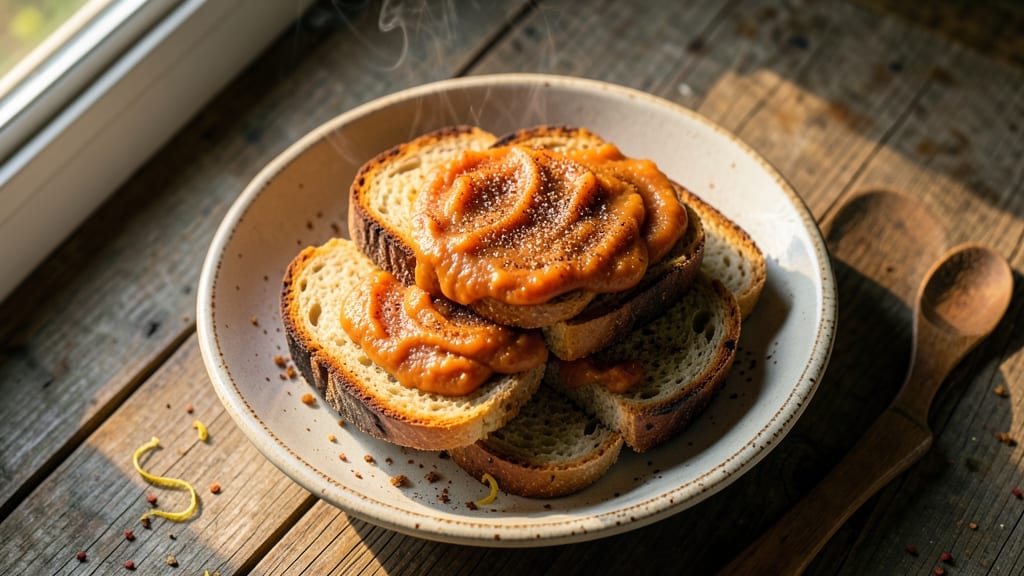
This Amish friendship sourdough bread recipe delivers the perfect balance of sweet potato swirls and a crusty, tangy crust—just like the loaves passed hand-to-hand in Amish communities. The secret lies in a well-maintained sourdough starter and a long fermentation that develops deep flavor and an open crumb.
I’ve perfected this method to ensure your bread rises beautifully with that signature oven spring and stays moist for days.
What makes this recipe special is the harmony of traditional techniques with a modern twist—the sweet potato swirls add natural sweetness and moisture, while the dense, chewy texture comes from proper hydration and fermentation.
No-knead method means minimal effort, but the results are anything but basic. The bread’s golden crust and tender interior make it ideal for sharing, just as it’s been done for generations.
By the time you pull this loaf from the oven, you’ll have a fragrant, hearty bread with a crispy crown and a soft, slightly tangy interior. The sweet potato swirls add a subtle sweetness that balances the sourdough’s natural acidity, creating a flavor profile that’s both comforting and complex.
This is the kind of bread that disappears quickly—whether you’re serving it at a family gathering or enjoying a slice with butter and jam.
Perfect for meal prep, gifting, or simply savoring with meals, this recipe ensures you’ll have a loaf that rivals the best from Amish bakeries. Let’s get started on creating your own tradition-worthy bread.
Ingredients for amish friendship sourdough bread
Six simple ingredients transform into a loaf that tastes like Amish tradition meets modern baking.
| Ingredient | Amount | Notes |
|---|---|---|
| Active Sourdough Starter 🍞 | ½ cup | Unfed, bubbly starter (100% hydration) |
| All-Purpose Flour 🌾 | 5 cups | Bread flour preferred for chewiness |
| Sweet Potatoes 🍠 | 1 ½ cups | Cooked, mashed, unsweetened |
| Granulated Sugar 🍚 | ¼ cup | For sweet potato swirls |
| Cinnamon 🌿 | 1 tsp | Ground, for sweet potato swirls |
| Salt 🧂 | 1 ½ tsp | Kosher or sea salt |
| Olive Oil 🫒 | ¼ cup | Extra-virgin for richness |
| Water 💧 | 1 ½ cups | Room temperature |
| Honey 🍯 | 1 tbsp | Optional, for crust glaze |
| Cornmeal 🌽 | ¼ cup | For dusting loaf pan |
| Coarse Salt 🧂 | ½ tsp | For sprinkling crust |
Your sourdough starter is the heart of this bread—it should be active, bubbly, and fed within 4-12 hours. King Arthur or Bob's Red Mill flours work beautifully for the dough, but if you're using all-purpose, expect slightly less chew. For the sweet potato swirls, orange-fleshed sweet potatoes (like Jewel or Beauregard) give the best flavor. Roast them until tender, then mash them smooth—no lumps! The cinnamon is non-negotiable here; it balances the sourdough’s tang perfectly. If you're feeling fancy, use organic cinnamon from Penzeys for that extra warmth.
No bread flour? All-purpose plus 1 tbsp vital wheat gluten gets you close. Sweet potatoes too watery? Add 1 tbsp flour to the mix to bind it. Short on time? Use pre-cooked sweet potato puree from the store (just skip the sugar—it’s already sweet). The honey glaze is optional but absolutely worth it for that golden crust. If you’re avoiding honey, maple syrup works beautifully. For the dough, hydration matters—if your kitchen’s humid, reduce water by 1 tbsp. Too dry? Add 1 tbsp olive oil instead.
This dough is a patient one—let it ferment overnight for maximum flavor. Store the dough in a lightly oiled bowl, covered, in the fridge for up to 24 hours. The sweet potato swirls can be prepped 2 days ahead and stored in the fridge. Once baked, let the bread cool completely on a wire rack—cutting it too soon makes it gummy. Wrap cooled loaves in beeswax wrap or foil to keep them fresh for 5-7 days. The crust stays crispy for 2 days, but the interior stays soft for a week if stored properly. Freeze slices for up to 3 months—toast straight from frozen!
Why You'll Love This Recipe
- Sweet Potato Shortcut: I mix in cooked sweet potatoes right into the dough—no extra steps. Just mash them in with the starter, and suddenly you’ve got a bread with natural sweetness and moisture without any fuss.
- Warm Spice Magic: That cinnamon-sugar swirl? It’s the star. The sweet potatoes add depth, the sourdough gives it tang, and the cinnamon makes every bite taste like a hug from your grandma’s kitchen.
- Breakfast to Brunch: This bread is my lazy weekend hero. Toast it for breakfast, slice it for brunch with jam, or even pack it for lunch—it’s the one loaf that does it all without feeling like a chore.
- Pantry Stretch: Honestly, I make this when I’m low on cash. Sweet potatoes are cheap, flour’s a staple, and the sourdough starter lasts forever. Plus, it keeps for days, so I’m not scrambling to use it up fast.
Step-by-step instructions for Amish friendship sourdough bread
This loaf brings together rustic tradition and sweet comfort—crusty exterior, tender crumb, and those glorious swirls of spiced sweet potato.
Prepare the Sweet Potato Swirl Filling
Start by cooking the 1.5 cups sweet potatoes until tender—boil, steam, or roast until they mash easily. Drain any excess water, then mash until completely smooth. In a small bowl, whisk together the mashed sweet potatoes with the 0.25 cup granulated sugar and 1 tsp cinnamon. You'll want this mixture to be thick enough to hold its shape when swirled but still spreadable—like thick pudding. Set aside to cool completely before using.
Here's the thing—this filling needs to be at room temperature when you incorporate it into the dough. If it's still warm, it can activate the yeast too early and make your bread rise unevenly. Spread the cooled filling on a piece of parchment paper and roll it into a log about 12 inches long and 1 inch wide. This will become the heart of your swirls.
Mix the Dough and Incorporate Starter
In a large mixing bowl, combine the 5 cups all-purpose flour and 1.5 tsp salt. Make a well in the center and add the 0.5 cup active sourdough starter, 0.25 cup olive oil, and 1.5 cups water. Mix with a wooden spoon or dough whisk until a shaggy dough forms—it should be sticky but manageable. Let it rest for 10 minutes while you prepare the sweet potato log.
After resting, wet your hands slightly and knead the dough on a lightly floured surface for about 5 minutes. You're not looking for a smooth, elastic dough here—just enough development to bring everything together. The dough should be soft and slightly tacky, almost like a very wet sourdough. This texture is perfect for creating those beautiful swirls without tearing.
Shape the Loaf with Sweet Potato Swirls
Lightly grease a 9x5-inch loaf pan and dust it generously with 0.25 cup cornmeal. Roll out the dough on a floured surface to about 12x10 inches rectangle, roughly ¼-inch thick. Place the sweet potato log diagonally across the center of the dough. Using the parchment paper to help, gently roll the dough up around the filling, sealing the edges as you go. This creates the classic swirl pattern.
Transfer the loaf seam-side down into the prepared pan. The dough will rise significantly, so don't be surprised if it looks like it's about to overflow. Cover the pan loosely with plastic wrap and let it rise at room temperature for 1 to 1.5 hours, or until it's puffed about 1 inch above the pan. You'll know it's ready when the dough springs back slowly when gently pressed.
Bake to Golden Perfection
Preheat your oven to 375°F. Brush the top of the loaf with 1 tbsp honey (if using) for a glossy finish, then sprinkle evenly with 0.5 tsp coarse salt. Bake for 45 to 50 minutes until the bread is deeply golden brown and sounds hollow when tapped on the bottom. The internal temperature should reach 190°F—this ensures a fully baked crumb.
For that perfect crust, I like to place the loaf on a wire rack for 10 minutes after baking. This allows air to circulate underneath, preventing a soggy bottom. Once cooled, slice into thick pieces to reveal those beautiful swirls of cinnamon-spiced sweet potato throughout the tender crumb. Serve warm with butter or jam for the ultimate Amish-inspired treat.
Pro Tips For Making Amish Friendship Sourdough Bread
- STEAM THE SWEET POTATOES: I learned this the hard way—boiling sweet potatoes for this bread leaves them mushy and waterlogged. Instead, pierce them, microwave for 8-10 minutes (yes, even if you’re impatient like me), then finish in a 400°F oven for 20 minutes. The texture stays firm enough to mash properly without turning the dough into soup.
- WEIGH YOUR FLOUR: That "1 cup" on your measuring cup isn’t fooling anyone—it’s packed, scooped, or somewhere in between. Use a kitchen scale for the all-purpose flour; 450 grams gives you consistent results every time. Trust me, your bread’s structure will thank you more than your eyes will.
- DON’T OVERMIX THE DOUGH: I used to punch and fold like I was kneading pizza dough, and the bread turned dense and chewy. This recipe relies on a gentle hand—mix just until the flour is hydrated and the sweet potato mash is incorporated. Overworking it kills the air bubbles, and that’s when your loaf starts feeling like a brick.
- COOL THE LOAF PROPERLY: Cutting into warm bread is tempting, but the starches are still gelatinizing, and you’ll end up with a gummy mess. Let it cool on a wire rack for at least 30 minutes before slicing—no, you don’t have to wait an hour. Your knife will glide through cleanly, and the cinnamon-sugar crust won’t turn to paste.
Storing and reheating your amish friendship sourdough bread
Room-Temp Storage
Keep your freshly baked loaf at room temperature for up to 2 days in an airtight container or wrapped tightly in beeswax wrap. The crust stays crispy while the interior remains soft and moist.
I like to store it on a wire rack inside the container to prevent condensation. The sweet potato swirls add natural moisture, so you won’t need to worry about drying out—just let it breathe! 💫
Fridge Preservation
For longer storage, transfer the cooled loaf to the fridge in an airtight container or bread bag. It’ll stay fresh for 5-7 days with the crust remaining crispy when toasted. The sourdough’s tanginess actually deepens over time, making it even more flavorful.
Wrap individual slices in parchment paper before storing to maintain freshness. I often slice and freeze portions for quick toast later in the week.
Freezer Magic
Slice the bread into ½-inch thick pieces and freeze on a tray before transferring to a freezer bag. This prevents sogginess. Frozen slices stay fresh for up to 3 months—just toast straight from frozen for a warm, crusty slice.
For whole loaves, wrap tightly in plastic wrap followed by foil, then freeze. Thaw at room temperature for 2 hours before toasting for best results. 🥖
Reheating Secrets
Revive stale slices by wrapping them in aluminum foil and warming in a 350°F oven for 5-8 minutes. For extra crispiness, broil for 1-2 minutes at the end. Microwave reheating works in a pinch—cover with a damp paper towel and heat for 20-30 seconds on 50% power.
The sweet potato swirls add natural moisture, so you won’t need extra steam. Just be careful not to overheat—sourdough can dry out quickly!
Reviving Day-Old Crust
If the crust loses its crispness, brush it with melted butter or olive oil and toast in a 400°F oven for 3-5 minutes. The heat will restore that golden crunch while keeping the interior soft. For extra flavor, sprinkle with coarse salt or cinnamon sugar before toasting.
This trick works wonders on bread that’s been sitting out too long. The sweet potato swirls inside stay tender regardless of the crust’s texture! 🔥
Nutrition facts
Frequently asked questions
Why is this called "friendship bread"?
This tradition comes from Amish communities where freshly baked loaves were shared among neighbors as a gesture of friendship and hospitality. The act of giving bread symbolizes generosity and connection—just like how this recipe brings people together around the table. The sweet potato swirls make it especially inviting to share!
Can I make this recipe without a sourdough starter?
Not recommended for authentic flavor, but you could substitute with 1 packet (2¼ tsp) active dry yeast plus 1 tsp sugar. The bread will still rise but won't have that signature tangy depth. For best results, maintain your starter for at least 1 week before using—it develops the complex flavors that make this bread special.
How do I fix if my dough tears when rolling the swirls?
Wet your hands slightly and gently press the edges together as you roll. The dough should be soft but not overly sticky—if it's tearing, it might need 1 extra tablespoon of flour. Work quickly but carefully, using the parchment paper to help lift and shape without stretching. A little practice makes perfect for those beautiful swirls!
What's the best way to slice this bread?
Use a sharp serrated knife and cut into ½-inch thick slices for even swirl distribution. For cleaner cuts, dip the knife in hot water between slices. The bread is best enjoyed fresh from the oven, but slices stay soft for 3 days when stored properly. The sweet potato swirls make each bite extra special!
Can I make this gluten-free?
It's possible but challenging—use a 1:1 gluten-free flour blend with xanthan gum and increase hydration by 1 tbsp. The texture will be denser, and the swirls may not hold as neatly. For best results, stick with traditional flour for that classic Amish texture and rise. The sweet potato filling helps compensate for any slight density.