
Side Dishes
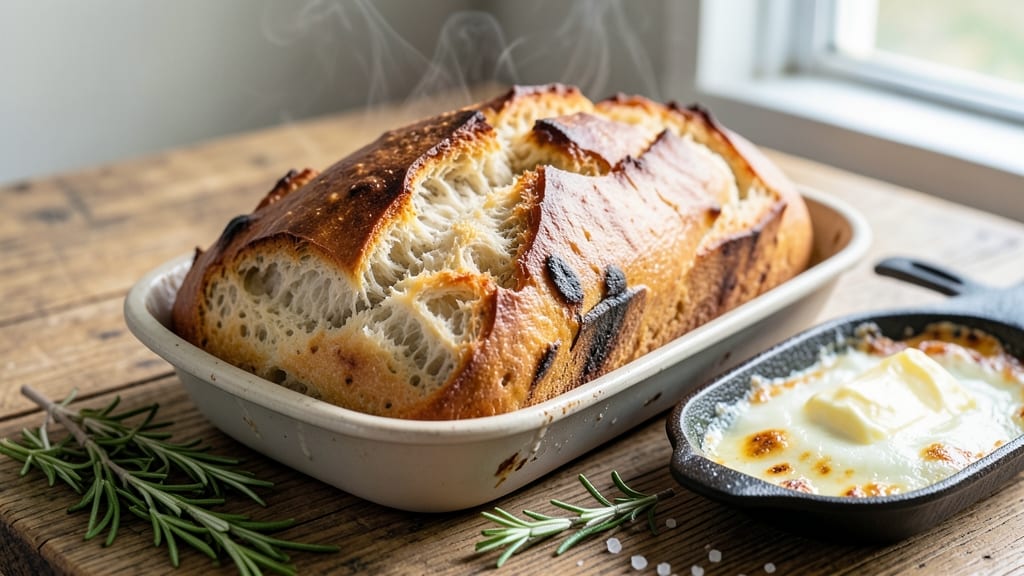
This 50/50 bread machine recipe delivers the ideal balance of buttery richness and golden-brown crust with minimal effort. The secret lies in equal parts all-purpose and bread flour, creating a loaf that's both tender and sturdy—perfect for sandwiches or toast.
My bread machine does all the heavy lifting while you focus on the swirled butter and cinnamon sugar topping that makes this loaf irresistible.
The beauty of this recipe is its hands-off approach. You simply combine the ingredients, set the machine to the basic white bread cycle, and let it handle the kneading, rising, and baking.
The dough develops a perfect texture without requiring your attention, while the butter swirl adds a restaurant-quality finish that elevates even a simple loaf.
What you'll end up with is a perfectly golden loaf with a crisp crust and soft interior, topped with a caramelized butter-cinnamon swirl that adds sweetness and texture. The bread stays fresh for days, making it ideal for meal prep or gifting.
This recipe transforms a basic bread machine cycle into something special with just a few extra steps.
Whether you're a beginner or a seasoned baker, this method ensures consistent results every time. The 50/50 flour ratio prevents a dense texture, while the butter swirl adds a touch of indulgence. Let's get started on creating your most impressive homemade loaf yet.
Ingredients for 50/50 bread machine
Just nine ingredients transform your bread machine into a buttery, swirled masterpiece.
| Ingredient | Amount | Notes |
|---|---|---|
| All-Purpose Flour 🌾 | 2 cups | Sifted for even texture |
| Bread Flour 🌾 | 2 cups | For structure and chew |
| Granulated Sugar 🍚 | ¼ cup | For dough sweetness |
| Active Dry Yeast 🍞 | ¼ oz | Or 2 1/4 tsp (1 packet) |
| Salt 🧂 | 1 tsp | Kosher or sea salt |
| Unsalted Butter 🧈 | ½ cup | Cold, cubed for swirl |
| Cinnamon Sugar Mix 🍯 | ¼ cup | Equal parts sugar and cinnamon |
| Warm Water 💧 | 1 ¼ cups | 110°F (43°C) preferred |
| Large Egg 🥚 | 1 whole | Room temperature |
The flour combo is everything—King Arthur or Bob's Red Mill are my go-tos for both flours. Bread flour gives that perfect chew, while all-purpose keeps it tender. Yeast can be tricky: if your kitchen's cold, warm the water to 110°F (test with your finger—should feel like bathwater). The butter matters too: Land O'Lakes unsalted or Plugrá work best for that rich flavor. For the cinnamon sugar, I like McCormick's ground cinnamon—it's consistent and affordable. Pro tip: measure your flours in the bread machine pan for accuracy.
No bread flour? Substitute all-purpose plus 1 tbsp vital wheat gluten—it mimics the protein structure. Short on butter? Olive oil works in a pinch (same amount), though it won't caramelize like butter. The egg adds richness, but 1 tbsp melted butter or oil can replace it if needed. For the cinnamon sugar, cinnamon + brown sugar gives a deeper flavor. And if your yeast is old? Test it first—drop a pinch in warm water with sugar; if it bubbles in 5-10 minutes, it's good to go.
This dough keeps in the fridge for 24 hours before baking—perfect for overnight prep. Once baked, let it cool completely before slicing (or you'll have gummy bread). Store wrapped at room temp for 3 days or freeze the whole loaf for 3 months. The butter swirl stays fresh longer if you brush extra melted butter on the crust right after baking—trust me on this. And if you make extras? Gift them—they disappear fast.
Why You'll Love This Recipe
- No-Knead Magic: I dump the flour mix—half all-purpose, half bread flour—right into the machine, add water, and walk away. The yeast does all the work while I sip coffee. That’s how you make bread without the fuss.
- Sweet Crust, Soft Core: That touch of granulated sugar? It caramelizes just enough to give the crust a golden crunch while keeping the inside pillowy. Honestly, the first slice out of the machine is always the best—no waiting for it to cool.
- Weeknight Workhorse: Toss in a loaf for breakfast, freeze half for toast later, and the other half becomes garlic bread by dinner. Between us, this recipe has saved my sanity more times than I can count—especially when I’m too tired to bake from scratch.
- Budget Bread Boom: Five ingredients, zero specialty items, and it costs pennies per slice. I make two loaves at a time, stash them in the freezer, and feed my family for days without breaking the bank. (Yes, even on a Tuesday night.)
Step-by-step instructions for 50/50 bread machine recipe
Let's make this rich, swirled bread with minimal effort—your bread machine does all the hard work.
Mix the Dough in the Bread Machine
First, combine the 2 cups all-purpose flour and 2 cups bread flour in your bread machine pan. Add the 0.25 cup granulated sugar, 0.25 oz active dry yeast, and 1 tsp salt. Give everything a quick stir with a rubber spatula to break up any lumps.
Next, pour in the 1.25 cups warm water (around 110°F) and the 1 whole large egg. The water should be warm enough to dissolve the sugar completely but not hot enough to kill the yeast. Let the machine mix everything together on its own for 5-10 minutes—you'll see the dough come together into a shaggy mass.
Add the Butter and Cinnamon Sugar
Once the dough has formed a rough ball, remove it from the pan and place it on a lightly floured surface. Gently press down on the dough to flatten it slightly—this makes it easier to incorporate the butter and cinnamon sugar later.
Cut the 0.5 cup cold unsalted butter into small cubes and spread them evenly over the flattened dough. Sprinkle the 0.25 cup cinnamon sugar mix over the butter, making sure it's distributed evenly. Fold the dough over itself a few times to seal in the butter and cinnamon sugar, creating a swirl pattern.
Return the Dough to the Machine
Place the dough back into the bread machine pan, swirl-side up. This ensures the butter and cinnamon sugar stay visible and delicious in the final loaf. Select the "Dough" setting on your bread machine and let it knead the dough for 3-5 minutes—just until it's smooth and elastic.
Once the kneading cycle is complete, remove the dough from the pan and shape it into a round loaf. Place it back in the pan, seam-side down, and cover it loosely with a clean kitchen towel. Let it rise at room temperature for 1 hour or until it has nearly doubled in size.
Bake to Golden Perfection
After the dough has risen, place it back in the bread machine pan and select the "Bake" setting. The machine will handle the rest, baking the bread for approximately 45-60 minutes until it reaches an internal temperature of 190-200°F and the crust is deep golden brown.
To check for doneness, tap the bottom of the loaf—it should sound hollow. If the top isn't brown enough, you can broil it for 1-2 minutes at the end for extra color. Let the bread cool on a wire rack for 10 minutes before slicing—this ensures clean cuts and prevents a gummy texture.
Pro Tips For Making 50/50 Bread Machine
- WEIGH YOUR FLOURS: Mixing all-purpose and bread flour by volume leads to inconsistent results—every cup isn’t the same. Use a kitchen scale for precise 50/50 ratios (250g each) to guarantee the right balance of structure and softness without guessing.
- DISSOLVE SUGAR FIRST: Sprinkling granulated sugar directly on yeast in a bread machine often kills it before activation. Mix the sugar with warm water first—this ensures even hydration and lets the yeast wake up faster, especially in cooler kitchens.
- SKIP THE HOT WATER: Pouring boiling water into the machine bowl can shock the yeast and create a gummy, dense loaf. Use water that’s 105–110°F (just warm to the touch)—hot enough to activate yeast but not cook it before mixing.
- ADD SALT LAST: Salt slows yeast activity, so toss it in during the final kneading cycle (or after the first rise if your machine allows). This gives the yeast a head start and prevents over-inhibition, which can lead to a flat, underproofed loaf.
Serving suggestions for this dish
Classic Sandwich Perfection
This bread shines as the star of classic sandwiches like grilled cheese or peanut butter and jelly. The 50/50 flour blend gives it just the right balance of structure and softness to hold fillings without falling apart.
For grilled cheese, use sharp cheddar and Gruyère with a touch of Dijon mustard on the butter side of your bread. 🥪
For a PB&J upgrade, spread creamy peanut butter and grape jelly on thick slices, then press gently to create a gooey center. The butter swirl adds a subtle sweetness that pairs beautifully with the tangy jelly. Toast lightly to warm through—this bread holds up perfectly to the heat.
Toast with Buttery Crunch
Slice this bread ½ inch thick for ideal toasting. The butter swirl caramelizes beautifully when toasted, creating a crispy, golden crust. I like to use a lightly oiled cast-iron skillet over medium heat for even browning. Sprinkle with flaky sea salt right after toasting for a sophisticated touch. 🍞
For French toast, cut the bread into ½-inch slices and soak in a mixture of 2 eggs, ¼ cup milk, 1 tsp vanilla, and 1 tbsp cinnamon.
Cook in butter until golden brown—this bread absorbs the custard perfectly without becoming soggy. Serve with maple syrup and fresh berries.
French Toast Casserole
Use leftover slices to make a French toast casserole that’s perfect for breakfast prep.
Layer ½-inch bread slices in a greased 9x13-inch baking dish, alternating with a custard mixture of 4 eggs, 1½ cups milk, 2 tbsp sugar, 1 tsp vanilla, and ½ tsp cinnamon.
Top with ½ cup melted butter and ½ cup brown sugar, then bake at 350°F for 40 minutes. 🍴
For extra richness, sprinkle ½ cup chopped pecans and ¼ cup raisins on top before baking. Serve warm with whipped cream or extra syrup—this casserole keeps well in the fridge for 3 days or freezes beautifully for up to 2 months.
Gourmet Garlic Bread
Transform slices into garlic bread by brushing with a mix of ½ cup melted butter, 2 minced garlic cloves, 1 tsp dried parsley, and ½ tsp black pepper.
Toast in a 400°F oven for 8-10 minutes until golden and crisp. The 50/50 flour gives it a sturdy base that holds up to the garlicky butter without becoming tough. ✨
For a parmesan twist, sprinkle ¼ cup grated parmesan on top before baking. This bread also works as a dipping bread for soups or stews—its crust stays crisp even when submerged in liquids.
Nutrition facts
Frequently asked questions
Why does this recipe use equal parts all-purpose and bread flour?
The 50/50 flour blend creates the perfect texture—bread flour adds chewiness and structure while all-purpose keeps the crumb soft and tender. This balance prevents a dense loaf while maintaining the ideal mouthfeel for sandwiches or toast.
Can I make this recipe without a bread machine?
Yes! First mix the dough by hand, then let it rise for 1 hour before shaping. Bake at 375°F for 30-35 minutes in a loaf pan, brushing with melted butter halfway through. The butter swirl should be added before the final rise for best results.
How do I know when the dough is ready for the butter swirl?
Look for a shaggy, slightly sticky ball that pulls away from the sides of the pan. It should be cohesive but still soft—about 5-10 minutes into the machine's mixing cycle. Overmixing before adding butter can develop too much gluten, making the swirl harder to incorporate.
What if my bread comes out dense?
Dense bread usually means the dough didn't rise enough or was over-kneaded. Make sure your yeast is fresh (test with warm water), use 110°F water, and don't exceed the 3-5 minute kneading time. Also, ensure your bread machine pan isn't overfilled—this recipe should fill about 2/3 of the pan's capacity.
Can I add other mix-ins besides cinnamon sugar?
Try chocolate chips, crushed nuts, or dried fruit like raisins. For savory versions, fold in garlic powder and parmesan instead of cinnamon sugar. Just reduce the butter slightly (¼ cup) to accommodate the extra ingredients.