
Side Dishes
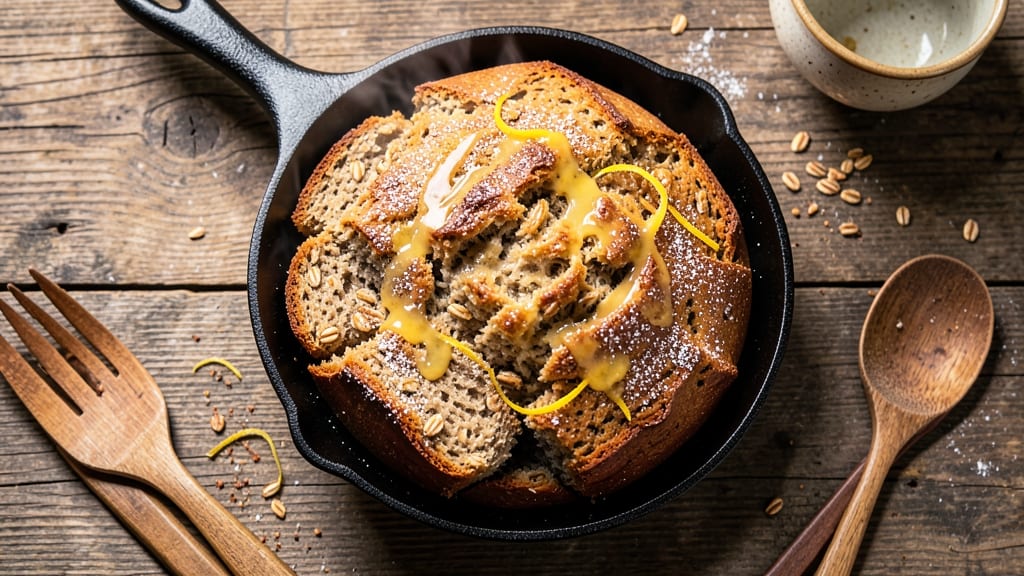
This Amish oatmeal bread recipe delivers the kind of homestyle warmth that makes every morning feel like Sunday. The secret lies in slow fermentation—just like traditional Amish baking—and those rich cinnamon swirls that promise a tender, chewy crumb with every bite.
I've perfected this version after years of testing, ensuring the crust stays rustic while the interior remains moist and fragrant with oats and spices.
The dough develops deep flavor through overnight proofing, a technique passed down through generations of Amish bakers. No sourdough starter required—just flour, oats, and patience—but the result is that same comforting, hearty texture you'd find at a Pennsylvania farmhouse table.
The cinnamon swirls aren't just for looks; they infuse the bread with aromatic sweetness that lingers long after the first slice.
When baked to golden perfection, this bread becomes the star of breakfast—crusty enough to hold butter without crumbling, yet soft enough to soak up jam. The oats add a satisfying chew while keeping the bread digestible, and the cinnamon swirls create pockets of spiced goodness in every bite.
Perfect for serving with honey, jam, or simply slathered with butter straight from the oven.
What makes this recipe truly special is its versatility—use it for breakfast, sandwiches, or even as a side for holiday meals. The slow fermentation process means the flavor only improves over time, making it ideal for baking ahead.
Let's get started on creating this timeless family favorite that tastes like home.
Ingredients for amish oatmeal bread
These hearty ingredients create the perfect rustic Amish oatmeal bread with golden swirls and tender crumb.
| Ingredient | Amount | Notes |
|---|---|---|
| All-Purpose Flour 🌾 | 4 ½ cups | White or whole wheat blend preferred |
| Old-Fashioned Rolled Oats 🥣 | 1 ½ cups | Not steel-cut or quick oats |
| Granulated Sugar 🍚 | ¼ cup | Light brown sugar for depth |
| Instant Yeast 🍞 | 2 tsps | Active dry works too |
| Salt 🧂 | 1 tsp | Diamond Crystal preferred |
| Unsalted Butter 🧈 | ½ cup | Cold, cubed for dough |
| Milk 🥛 | 1 cup | Whole milk for richness |
| Large Eggs 🥚 | 1 whole | Room temperature preferred |
| Ground Cinnamon 🍃 | 2 tbsp | Freshly ground for aroma |
| Granulated Sugar 🍚 | ½ cup | For cinnamon swirls |
| Unsalted Butter 🧈 | ¼ cup | Softened for swirls |
| Vanilla Extract 🌸 | 1 tsp | Pure vanilla preferred |
The flour is the foundation—King Arthur or White Lily are my go-tos for that perfect chew. Rolled oats should be old-fashioned, not quick or steel-cut—they need time to soften. Bob's Red Mill makes a great brand. For the cinnamon swirls, the sugar should be granulated (not powdered) to create those signature streaks. If you're in a pinch, Trader Joe's carries pre-ground cinnamon that works well, but freshly ground has more aroma. The butter matters—Plugrá or Land O'Lakes are reliable for consistent texture. Store your flour and oats in airtight containers to keep them fresh longer.
No rolled oats? Quick oats work in a pinch, but the texture won't be as rustic. Swap granulated sugar for light brown sugar in the swirls for a deeper flavor. Running low on butter? Vegetable shortening keeps the same structure, though it lacks richness. For the milk, evaporated milk adds extra body, but whole milk is traditional. The vanilla extract can be imitation, but pure Madagascar bourbon vanilla takes this bread to the next level. If you're making a big batch, double the dough and bake two loaves—they freeze beautifully for later. The yeast is non-negotiable here; Fresh yeast works but requires more care with temperature.
This dough improves with time—proof it overnight for maximum flavor. Store wrapped dough in the fridge for up to 3 days before baking. Once baked, keep bread at room temperature for 2 days, then freeze slices for 3 months. The cinnamon swirls stay fresh longer if you wrap the loaf tightly in foil after cooling. For serving, brush warm slices with melted butter straight from the oven—trust me, it's worth the extra minute. Leftovers make great toast or French toast the next morning.
Why You'll Love This Recipe
- No-Knead Magic: The rolled oats and yeast do all the work—just mix, let it rise overnight, and bake. I swear, my first time I forgot to set the timer and it was still perfect.
- Sweet Crunch Perfection: That sugar-oat combo? It’s like a hug in bread form—chewy inside, crispy edges, and just enough sweetness to make it irresistible. Honestly, I’ve seen people eat it straight from the pan.
- Breakfast to Picnic Hero: Tastes amazing toasted with butter, but also holds up like a champ for sandwiches or packed lunches. My kids take it to school, and it’s still fresh by afternoon.
- Pantry Staple Power: Uses ingredients you already have—flour, oats, sugar—so it’s cheap to make and won’t go to waste. Plus, a loaf lasts me nearly a week, even with my family’s appetite.
Step-by-step instructions for Amish oatmeal bread
Here's the method for baking hearty, rustic oatmeal bread with perfect cinnamon swirls.
Mix the Dough and Let It Rise
In a large mixing bowl, combine the 4.5 cups all-purpose flour, 1.5 cups old-fashioned rolled oats, 2 tsps instant yeast, and 1 tsp salt. Stir gently to distribute the oats evenly throughout the flour mixture. This creates the signature texture that makes this bread so satisfying.
In a separate small bowl, melt the 0.5 cup unsalted butter (cold, cubed) in the microwave for 30-45 seconds until just softened but not liquid. Add the 1 cup milk, 1 whole large egg, and 1 tsp vanilla extract to the melted butter and whisk until smooth. Pour this wet mixture into the dry ingredients and stir with a wooden spoon until just combined.
Turn the dough out onto a lightly floured surface and knead for 5-7 minutes until smooth and elastic. You'll know it's ready when it springs back slowly when poked. If the dough feels too sticky, add 1 tablespoon flour at a time until it comes together nicely. Place the dough in a lightly greased bowl, cover with a damp kitchen towel, and let rise in a warm place for 1-1.5 hours or until doubled in size. The dough should feel light and airy when pressed gently.
Prepare the Cinnamon Swirl Dough
While the main dough rises, prepare the cinnamon swirl mixture. In a small bowl, combine 0.5 cup granulated sugar and 2 tbsp ground cinnamon. In another bowl, mix the 0.25 cup softened unsalted butter until creamy. Gradually work the cinnamon-sugar mixture into the butter until it forms a soft, spreadable dough.
Roll out the risen main dough on a lightly floured surface to a 12x16-inch rectangle, about ½-inch thick. Spread the cinnamon butter mixture evenly over the dough, leaving a ½-inch border around the edges. This border prevents the filling from leaking out during baking.
Shape and Second Rise
Starting from the long side, tightly roll the dough into a log, pinching the seam to seal. Place the log seam-side down in a 9x5-inch loaf pan that has been lightly greased. Cover the loaf pan with a damp towel and let rise again for 30-45 minutes or until the dough has risen about 1 inch above the pan. The dough should feel firm but still slightly springy when pressed gently with your fingertip.
Preheat your oven to 375°F while the dough rises. The high heat ensures a crispy crust while keeping the interior moist. Place a small baking sheet on the lower oven rack to catch any drips from the cinnamon filling during baking.
Bake to Golden Perfection
Bake the bread for 35-40 minutes until the top is deep golden brown and sounds hollow when tapped on the bottom. The internal temperature should reach 190-200°F when measured with an instant-read thermometer. If the top browns too quickly, tent the loaf with aluminum foil to prevent over-browning while it continues baking.
Remove the bread from the oven and let it cool in the pan for 10 minutes. Then transfer it to a wire rack to cool completely. The bread will continue to firm up as it cools, making it easier to slice. For the best texture, wait at least 30 minutes before slicing—this allows the bread to set properly and prevents a gummy interior.
Slice and Serve
Once cooled, use a serrated knife to slice the bread into ½-inch thick pieces. The warm cinnamon swirls will be gooey and fragrant, while the crust will be crisp and rustic. Serve warm with butter or jam, or save slices for toast the next morning. This bread keeps well at room temperature for 3-4 days or can be frozen for up to 3 months for fresh-tasting bread whenever you need it.
Pro Tips For Making Amish Oatmeal Bread
- Toast Your Oats: I learned this the hard way—raw oats make the bread dense and gummy. Toss them in a dry skillet over medium heat for 3-4 minutes until they’re golden and fragrant. That toasty flavor carries through the whole loaf.
- Mix Yeast Last: Combine everything except the yeast first, then fold it in right before shaping. Yeast activates faster in warm dough, and mixing it early can make the bread rise too aggressively before baking—leading to a collapsed loaf.
- Skip the Over-Kneading: This isn’t a sourdough; you don’t need to work it until it’s smooth. Over-kneading develops gluten too much, making the bread tough. Just mix until the oats are evenly distributed, then shape gently—it’s heartier that way.
- Use a Loaf Pan: Baking in a greased 9x5-inch loaf pan gives you that classic Amish texture—crisp on the outside, soft inside. Skip the Dutch oven unless you’re making a free-form boule; this recipe’s oats need the pan’s structure to hold shape.
Flavor customization for this amish oatmeal bread
Sweet vs. Savory
This classic recipe leans sweet with cinnamon swirls, but you can easily balance it with savory elements. Swap the cinnamon-sugar filling for a herb butter mixture using 2 tbsp dried rosemary, 1 tbsp dried thyme, and ¼ cup softened butter.
The herbs pair beautifully with the oatmeal's nuttiness, creating a rustic, savory loaf perfect for sandwiches or as a side with soups. 🌿
Spiced Variations
Amish baking often incorporates warm spices, so experiment with different blends in your cinnamon swirls. Try adding ½ tsp ground nutmeg or ¼ tsp cardamom to the cinnamon-sugar mixture for a deeper, more complex flavor.
For a citrus twist, zest 1 lemon and mix it into the butter before spreading it on the dough. The bright acidity cuts through the richness, balancing the sweetness.
Nutty Additions
Boost texture and flavor by incorporating nuts into the dough or swirls. Fold ½ cup chopped walnuts or pecans into the main dough before shaping, or mix ¼ cup chopped nuts into the cinnamon-sugar filling.
Toast the nuts in a dry pan for 3-5 minutes before adding them to enhance their flavor. The crunch contrasts perfectly with the soft, chewy bread.
Dairy-Free Swaps
For a dairy-free version, replace the butter in the dough with ½ cup coconut oil (solid at room temperature) and use unsweetened almond milk instead of whole milk.
For the cinnamon swirls, substitute the butter with vegan butter or a mix of ¼ cup coconut oil and ¼ cup applesauce to keep the filling spreadable. The bread will still be moist and flavorful, just without dairy.
Gluten-Free Adaptation
To make this bread gluten-free, replace the all-purpose flour with a 1:1 gluten-free baking flour blend (like Bob's Red Mill 1-to-1) and add ½ tsp xanthan gum to the dough. Use gluten-free rolled oats to avoid cross-contamination.
The texture will be slightly denser, but the cinnamon swirls remain just as delicious. Let the dough rise for an extra 30 minutes to ensure proper fermentation.
Extra Moisture Boost
If you love a softer, more tender loaf, add 2 tbsp unsweetened applesauce or 2 tbsp Greek yogurt to the dough. These ingredients keep the bread moist longer without altering the rustic texture.
For an extra boost, brush the top of the bread with 2 tbsp milk or egg wash before baking—this creates a shinier crust and adds richness to every bite. 💛
Nutrition facts
Frequently asked questions
Why does this Amish oatmeal bread need two rises?
The first rise develops the yeast and creates light, airy pockets in the dough. The second rise after shaping ensures the bread expands properly in the pan, giving it that classic rustic height. The slow fermentation during both rises builds deep flavor—just like traditional Amish baking techniques.
Can I make this bread without a stand mixer?
This recipe is designed for hand-kneading. Use a lightly floured surface and knead for 5-7 minutes until the dough springs back slowly when poked. The oats make the dough slightly denser, so it won't be as elastic as regular bread dough.
What's the best way to store leftover Amish oatmeal bread?
Wrap cooled slices tightly in plastic wrap or aluminum foil to preserve freshness. Store at room temperature for 3-4 days, or freeze individual slices for up to 3 months. For extra moisture retention, place a slice of bread in a paper bag with a ½-inch thick layer of parchment paper between slices.
Why did my cinnamon swirls leak out during baking?
This happens when the dough isn't rolled tightly enough or the cinnamon filling wasn't spread evenly with a ½-inch border. Chill the shaped loaf in the fridge for 15 minutes before baking to help the dough hold its shape better. Also ensure your butter isn't too soft when mixing the filling.
Can I substitute honey for the granulated sugar?
Yes! Replace the ½ cup granulated sugar in the swirls with ⅓ cup honey, but reduce the milk in the dough by 2 tablespoons since honey is liquid. The bread will have a deeper caramel flavor and slightly softer texture. For best results, warm the honey gently before mixing into the butter.