
Desserts
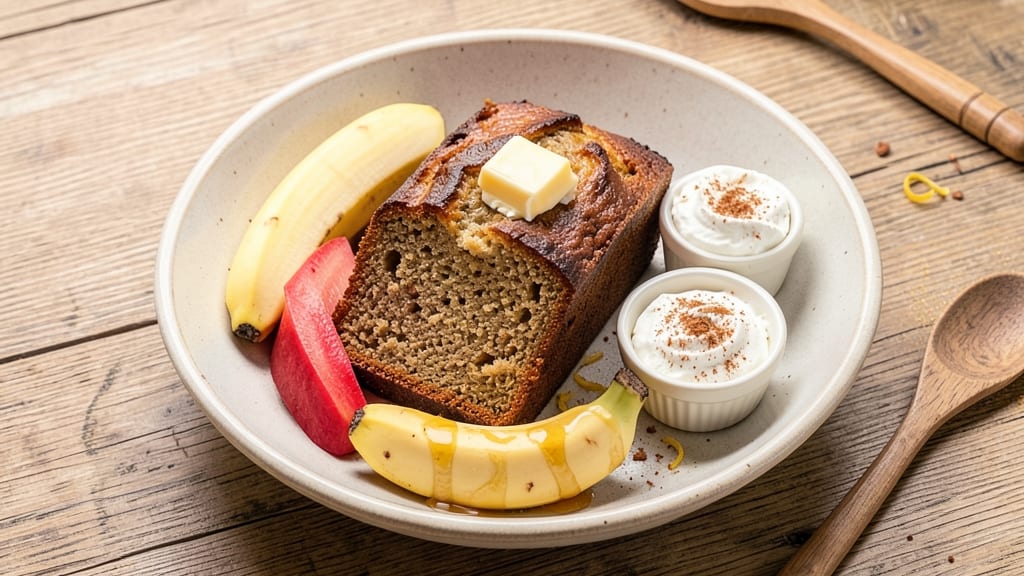
This 6-ingredient banana bread recipe delivers moist, tender loaves with just a handful of pantry staples—no fancy techniques required. The secret lies in ripe bananas and warm spices that transform simple ingredients into something truly special.
I developed this version after years of baking banana bread, stripping it down to what truly matters without sacrificing texture or flavor.
The beauty of this recipe is its simplicity: no eggs, no butter substitutes, and no complicated mixing. Just blend, pour, and bake for 50 minutes in a standard loaf pan. The result?
A perfectly moist crumb with subtle cinnamon warmth that stays fresh for days. Unlike many recipes that rely on substitutions, this version keeps things straightforward while delivering professional-quality results.
What sets this apart is the foolproof texture—no dense, dry crumbs here. The bananas provide natural sweetness while keeping the bread tender, and the spices add depth without overpowering. Whether you're a beginner or an experienced baker, this recipe ensures success every time.
The best part? It's ready in under an hour, making it the perfect solution for spontaneous dessert cravings.
Once baked, let it cool before slicing to maintain that perfectly moist interior. Store wrapped at room temperature for up to 3 days or freeze for longer shelf life.
Optional toppings like chopped nuts or a drizzle of honey can elevate it further, but the base recipe stands strong on its own. Let's get baking!
Ingredients for 6 ingredient banana bread
Six essential ingredients transform ripe bananas into a moist, spiced loaf with restaurant-quality texture.
| Ingredient | Amount | Notes |
|---|---|---|
| Ripe Bananas 🍌 | 2 cups | Mashed with fork for texture |
| All-Purpose Flour 🌾 | 1 ½ cups | Sifted for even distribution |
| Granulated Sugar 🍚 | ¾ cup | Brown sugar adds depth (optional) |
| Vegetable Oil 🫒 | ½ cup | Light olive oil adds subtle flavor |
| Ground Cinnamon 🌿 | 1 ½ tsp | Freshly ground for warmth |
| Baking Soda 🧂 | ½ tsp | Ensures proper rise |
The bananas are the heart of this recipe—overripe with brown spots delivers the sweetest, most tender crumb. Grab them from the back of the produce section where they’re often discounted. For flour, King Arthur or Bob’s Red Mill brands yield the best texture. The cinnamon should be freshly ground (pre-ground loses potency quickly), so if you’re buying whole sticks, toast and grind them yourself. Vegetable oil keeps the bread moist longer than butter substitutes, but light olive oil adds a subtle gourmet touch.
No baking soda? Baking powder at double the amount works in a pinch, though texture may vary slightly. Short on cinnamon? Nutmeg or cardamom at half the amount adds warmth, though true cinnamon is non-negotiable for that classic flavor. For sugar, brown sugar replaces half the granulated for deeper caramel notes, but the recipe stands strong with white. The oil can be swapped for melted coconut oil (neutral flavor) or even applesauce for a lighter version—though the texture will be slightly denser.
Store the loaf wrapped in foil at room temperature for up to 3 days to maintain moisture. For longer storage, freeze slices individually—they’ll thaw perfectly in the toaster. The bread reheats beautifully in the oven at 300°F for 5 minutes to restore that fresh-baked warmth. Portion into single slices before freezing if you prefer ready-to-eat portions. Leftovers? Toast them with a sprinkle of cinnamon sugar for an instant breakfast treat.
Why You'll Love This Recipe
- No-Fuss Mixing: I swear by this—just smash bananas, toss in dry ingredients, stir. That’s it. No eggs to fuss with, no butter to cream, no waiting for room temp anything. The oil keeps it moist without extra steps, and the cinnamon blends right in while you’re at it.
- Spiced Perfection: That warm cinnamon kick? It’s like a hug in bread form. The ripe bananas add natural sweetness, so you don’t need extra sugar (though we do use some—don’t @ me). The texture? Soft, slightly dense, with just enough chew to make it satisfying.
- Breakfast or Snack: Honestly, this works for everything. Toast a slice for breakfast, pack it in lunches, or serve it at a brunch with coffee. Even my picky-eating teen grabs it after soccer practice. (Yes, even on a Tuesday night.)
- Pantry Staple Magic: Between us, this recipe uses things you already have. Overripe bananas? Don’t toss them—use them. A little oil, flour, sugar, and cinnamon? That’s it. It’s my go-to when I’m low on groceries or just want something reliable that won’t break the bank.
Step-by-step instructions for 6-Ingredient banana bread
This method guarantees a perfectly moist, tender loaf with just six essential ingredients.
Mash the Ripe Bananas Thoroughly
In a large mixing bowl, combine the 2 cups ripe bananas. Using a fork, mash them until completely smooth with no visible lumps. The texture should resemble thick pancake batter—this ensures even distribution of moisture throughout the bread. Over-mashing releases excess liquid, so aim for a consistency between smooth and slightly chunky.
Here's the thing—ripe bananas should be soft enough to mash easily with minimal pressure. If they resist, your bananas aren't ripe enough. The natural sugars in perfectly ripe bananas create that signature moist texture, so don't skip this step. Set the mashed bananas aside while you prepare the dry ingredients.
Combine Wet and Dry Ingredients Separately
In a separate medium bowl, whisk together the 1.5 cups all-purpose flour and 0.5 tsp baking soda. Sifting isn't strictly necessary with this small quantity, but a quick whisk ensures the baking soda distributes evenly—this prevents pockets of unreacted leavening that could make your bread dense. Set this dry mixture aside temporarily.
In the same bowl you used for the bananas, add the 0.5 cup vegetable oil and 0.75 cup granulated sugar. Whisk vigorously for about 30 seconds until the sugar dissolves completely and the oil is fully incorporated. This pre-mixing creates a smoother batter and helps prevent streaks of flour later. The sugar will begin to caramelize slightly from the friction, which enhances the bread's natural sweetness.
Mix the Batter to Perfect Consistency
Gradually pour the dry flour mixture into the wet ingredients while stirring continuously with a wooden spoon. Start on low speed if using an electric mixer, but don't exceed medium—overmixing develops gluten and creates a tougher crumb. Mix just until the flour disappears and the batter comes together, about 1 minute total. The batter should be thick but pourable, similar to pancake batter.
At this stage, the batter will appear dense, but don't worry—it will lighten as the baking soda activates. If the mixture seems too thick, add 1-2 tablespoons of water to loosen it slightly. The key is achieving a balance where the batter flows easily but holds its shape when poured. Real talk: This is where many home bakers overmix, so resist the urge to stir vigorously.
Fold in the Cinnamon for Warmth
Add the 1.5 tsp ground cinnamon to the batter and stir gently until evenly distributed. The cinnamon should be visible as tiny specks throughout, not clumped together. This warming spice is what transforms basic banana bread into something special—its aromatic compounds develop fully during baking. For even distribution, use a rubber spatula to scrape along the bottom and sides of the bowl.
Here's the moment that matters: Taste the batter. It should be sweet but not cloying, with a subtle cinnamon warmth. If it needs more depth, you could add a pinch of salt here (though our recipe intentionally omits it for simplicity). The cinnamon will infuse the entire loaf, creating that signature spiced aroma that makes banana bread irresistible.
Bake Until Golden and Springy
Preheat your oven to 350°F and grease a 9x5-inch loaf pan thoroughly with vegetable oil or line it with parchment paper for easy removal. Pour the batter into the prepared pan and smooth the top with a spatula. Bake for 50-60 minutes, or until a toothpick inserted in the center comes out clean and the top springs back when pressed gently.
Watch for visual cues: The edges should pull away slightly from the pan, and the top should develop a golden-brown crust with a few small cracks. If the top browns too quickly, tent loosely with aluminum foil after 30 minutes. The internal temperature should reach 190-195°F at the center—this ensures complete baking without drying out. Don't overbake; banana bread continues cooking slightly as it cools.
Pro Tips For Making 6 Ingredient Banana Bread
- MEASURE THE OIL FIRST: Pour the vegetable oil directly into the mixing bowl before adding anything else—this guarantees you won’t accidentally under-oil the batter. I used to eyeball it and ended up with a dry, crumbly loaf every time. A standard ½ cup (or 120ml) is your target; use a measuring cup, not a spoon.
- MASH THE BANANAS WELL: No lumps allowed. Use a fork to press every last bit of banana through the holes in your masher—this keeps the texture smooth and prevents dense pockets in your bread. I learned this the hard way when I rushed and ended up with a bread that tasted like it had hidden banana chunks.
- FILL THE PAN HALFWAY: Stop pouring batter when it reaches the halfway mark of your loaf pan. Overfilling leads to a messy overflow, and underbaking the top is a common mistake. Tap the pan gently on the counter to settle the batter before baking—this evens out the surface for a cleaner rise.
- CHECK DONENESS WITH A TOOTHPICK: After 50-60 minutes, stick a toothpick in the center. Pull it out and wait 5 seconds—if it comes out clean or with just a few moist crumbs, you’re good. If it’s wet or sticky, give it another 5-10 minutes. Overbaking turns banana bread gummy, and no one wants that.
Storing and reheating your 6 ingredient banana bread
Room Temperature Storage
Wrap your freshly baked loaf tightly in plastic wrap or aluminum foil to lock in moisture. Place it on a wire rack to prevent sogginess from condensation, then store at room temperature for up to 3 days.
The bread will stay moist longer if you keep it in an airtight container with a slice of bread or a paper towel to absorb excess moisture. I swear by this method—it keeps my banana bread tasting fresh for days without needing refrigeration. 🍞
Fridge Preservation
If you prefer cooler storage, refrigerate your banana bread in an airtight container for up to 5 days. The cold air will firm up the texture slightly, but a quick 30-second microwave burst restores that soft, warm bread experience.
For best results, slice the loaf before storing—this prevents a dense, gummy texture when reheating. I always cut mine into individual portions so I can grab just what I need without thawing the whole loaf.
Freezer-Friendly Slices
For long-term storage, freeze individual slices wrapped in plastic wrap or placed in freezer bags. Arrange them in a single layer to prevent sticking, then stack once frozen. These slices will keep for up to 3 months without losing moisture or flavor.
When ready to enjoy, toast directly from frozen for 2-3 minutes—the heat from the toaster will create that perfect crispy crust while keeping the inside soft. Pro tip: Label your freezer bags with dates to track freshness. ❄️
Reheating Perfection
For oven reheating, wrap cooled slices in aluminum foil and bake at 300°F for 5-7 minutes. This gentle heat restores moisture without drying out the edges. Microwave reheating works too—cover the slice with a damp paper towel and heat for 10-15 seconds on medium power.
The damp towel prevents rubbery texture while bringing back that fresh-baked aroma. Trust me, this method makes stale banana bread taste like it just came out of the oven.
Reviving Dried-Out Bread
If your banana bread has dried out, don't toss it! Place slices in a lightly greased baking dish and pour 2 tablespoons of water over them. Cover with foil and bake at 325°F for 10 minutes.
The steam will revive the moisture without making the bread soggy. This trick works wonders for bread that's been sitting too long—just like magic, it brings back that tender crumb. 💫
Nutrition facts
Frequently asked questions
Can I use unripe bananas for this recipe?
No, this recipe requires ripe bananas with brown spots for the best texture and sweetness. Unripe bananas will make the bread dense and less flavorful. If you must use slightly underripe bananas, let them sit at room temperature for 1-2 days to ripen first.
Why did my banana bread turn out dense?
Overmixing the batter develops gluten, making the bread tough. Mix just until combined (1 minute max) and avoid sifting the flour. Also, ensure your bananas are ripe and the oven temperature is accurate (350°F). A toothpick test confirms doneness—it should come out clean but with moist crumbs.
Can I make this recipe without eggs or butter?
Yes! This recipe intentionally skips eggs and butter substitutes, using vegetable oil and baking soda instead. The oil keeps it moist while the baking soda provides lift. For a lighter texture, you could swap the oil for applesauce, but the crumb will be slightly denser.
How do I know when the bread is fully baked?
Look for three key signs:
- The top springs back when pressed gently,
- The edges pull away from the pan, and
- A toothpick inserted in the center comes out clean (or with moist crumbs). The internal temperature should reach 190-195°F. Overbaking dries it out!
Can I add chocolate chips or nuts?
Fold in ½ cup chocolate chips or ½ cup chopped walnuts after mixing the wet ingredients. For even distribution, use a rubber spatula to gently fold them in. Pro tip: Toast nuts first for enhanced flavor. Just don't overfill the pan—leave room for the batter to rise.