
Main Courses
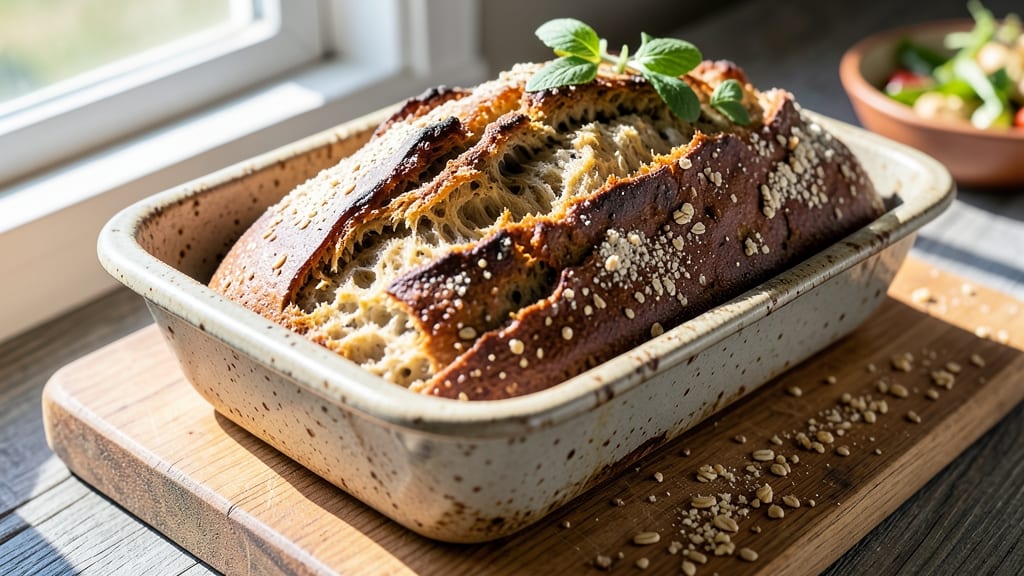
This 7-grain bread machine recipe transforms your kitchen into a rustic bakery with minimal effort—just load, set, and let the machine work its magic. 🌾 The secret lies in the nutty, open crumb texture created by blending wheat, rye, barley, oats, millet, spelt, and corn, each grain contributing its unique flavor and chew.
Unlike store-bought loaves, this recipe delivers a crusty exterior and a light, airy interior that’s perfect for sandwiches, toast, or serving with soups.
The beauty of using a bread machine is its ability to handle the complex dough without requiring your time—just combine the 7-grain blend with water, yeast, and a touch of honey for subtle sweetness.
The machine’s kneading and proofing cycles ensure a foolproof rise, while the baking cycle locks in that golden-brown crust and fragrant aroma that fills your home. No need for a Dutch oven or oven spring tricks; the machine does all the heavy lifting.
What sets this loaf apart is its versatility—the grains add a rich, earthy depth that pairs beautifully with both savory and sweet toppings. Whether you’re making garlic toast, avocado sandwiches, or dipping bread, this crusty, open-crumb loaf elevates every bite.
The recipe is designed to work in any standard bread machine, with adjustments for water absorption to prevent a gummy texture.
Ready in just 3 to 4 hours, this 7-grain bread is ideal for meal preppers or anyone craving artisan-quality bread without the hassle. The optional add-ins—like sunflower seeds, flaxseeds, or a sprinkle of coarse salt—let you customize the flavor to your taste.
Let’s get started on your homemade, nutty, and irresistibly crusty loaf.
Ingredients for 7 grain bread recipe for bread machine
Seven flours, one machine, a loaf that tastes like a bakery secret—just add water and patience.
| Ingredient | Amount | Notes |
|---|---|---|
| Wheat Flour 🌾 | 3 cups | Bread flour preferred for structure |
| Rye Flour 🌾 | 1 ½ cups | Dark rye for rich flavor |
| Barley Flour 🌾 | ½ cup | Pearled barley for nutty taste |
| Oat Flour 🌾 | ½ cup | Blended from rolled oats |
| Millet Flour 🌾 | ½ cup | Light millet for airy texture |
| Spelt Flour 🌾 | ½ cup | Stone-ground for authentic flavor |
| Cornmeal 🌽 | ½ cup | Fine grind for subtle sweetness |
| Active Dry Yeast 🍞 | 2 ¼ tsp | Fresh yeast for best rise |
| Honey 🍯 | 2 tbsp | Wildflower for subtle floral notes |
| Water 💧 | 2 ½ cups | Room temperature preferred |
| Olive Oil 🫒 | 1 ½ tbsp | Extra-virgin for richness |
| Salt 🧂 | 1 ½ tsp | Diamond Crystal kosher |
| Sunflower Seeds 🌻 | ¼ cup | Optional for crunch |
| Flaxseeds 🌿 | 1 tbsp | Optional for nuttiness |
The flours are where the magic happens. King Arthur or Bob's Red Mill are my go-tos for pre-milled blends, but if you're grinding your own, toast the whole grains first for deeper flavor. Rye and spelt are non-negotiable—they bring that earthy, rustic depth that makes this loaf special. For the cornmeal, Bob's Red Mill fine grind works best (no gritty surprises). The yeast? Fresh is better, but if your package is old, toss it—stale yeast means no rise. And that honey? Local, raw honey adds subtle floral notes, but any will do in a pinch.
No rye flour? Substitute half with whole wheat—it won’t be identical, but you’ll still get that hearty texture. Short on spelt? Swap for more wheat, but reduce by 1/4 cup to keep the dough from getting too dense. The sunflower seeds can be omitted, but if you skip them, add an extra 1/4 cup whole wheat for chew. For the oil, avocado oil works too, but olive oil gives that authentic bakery aroma. And if you’re worried about the dough being too wet, start with 2 cups of water—you can always add more during the kneading cycle if needed.
This dough is forgiving but not patient—don’t let it sit too long before baking, or it’ll overproof. Store the loaf wrapped in a clean kitchen towel for up to 5 days at room temperature, or freeze slices for 3 months. Toasting revives stale bread instantly. Pro tip: Sprinkle coarse sea salt on the crust right after baking for that artisan touch. And if you’re feeling fancy, brush the warm loaf with melted butter—trust me, it’s worth the extra minute.
Why You'll Love This Recipe
- No-Fuss Mixing: I’ll be real—this bread only needs five flours and water. No yeast fussing, no kneading marathon. Just dump everything in your bread machine, hit start, and let it do the work while you sip coffee. The machine handles the heavy lifting, and honestly? That’s a win for lazy Sundays too.
- Earthy Crunch Magic: Between us, the rye and barley give this bread a deep, nutty bite that’s ridiculously satisfying. The oat flour adds a subtle sweetness, while millet keeps it light—like a cross between sourdough and a hearty granola. Toast it, and you’ll get that perfect crunch without burning the edges.
- Weeknight Hero: This bread is my go-to for sandwiches, charcuterie boards, or even as a side for soup. It holds up for days in the freezer too—just slice, toast, and serve. I’ve used it for everything from breakfast toast to dinner rolls, and it never lets me down. (Yes, even on a Tuesday night.)
- Pantry Stretch: I’ll admit, buying five flours sounds expensive—but it’s actually budget-smart. A little goes a long way, and you’ll use these flours in muffins, pancakes, or even smoothies. Plus, the bread itself lasts 5-7 days in the fridge, so you’re not scrambling for fresh loaves. Smart move for anyone tired of wasting bread.
Step-by-step instructions for 7-Grain bread machine recipe
Your bread machine will transform these wholesome grains into a rustic, nutty loaf with an open crumb.
👨🍳 Step 1: Mix the Flour Blend and Hydrate the Grains
In a large mixing bowl, combine the 3 cups wheat flour, 1.5 cups rye flour, 0.5 cup barley flour, 0.5 cup oat flour, 0.5 cup millet flour, 0.5 cup spelt flour, and 0.5 cup cornmeal. Whisk vigorously to break up any flour clumps—this ensures even distribution of the different grains throughout the loaf. The rye and barley will add deep earthiness, while the millet and spelt contribute subtle nuttiness.
In a separate small bowl, mix the 2.5 cups water with the 2 tbsp honey and 1.5 tbsp olive oil. The honey not only sweetens but also helps activate the yeast slightly, while the olive oil adds richness that prevents a dry crumb. Let this mixture sit for 5 minutes to allow the honey to fully dissolve.
🍳 Step 2: Combine Wet and Dry Ingredients
In your bread machine pan, add the 2.25 tsp active dry yeast and 1.5 tsp salt. Sprinkle the 0.25 cup sunflower seeds and 1 tbsp flaxseeds evenly over the yeast and salt. These seeds will add delightful texture and crunch to every slice, while the flaxseeds contribute a subtle earthy flavor and extra fiber.
Pour the wet mixture over the dry ingredients and stir gently with a wooden spoon to combine. Then, gradually sprinkle in the flour blend while stirring continuously. You'll notice the dough will be quite sticky—this is normal given the high moisture content from the water and honey. The dough should form a shaggy mass that clings to the sides of the pan. If it feels too dry, add 1 tablespoon water at a time until it reaches the ideal consistency.
🔥 Step 3: Set the Bread Machine to Basic Settings
Place the bread machine pan into your machine and select the "Basic White Bread" setting. This setting typically uses a 3-hour cycle with an initial 10-minute kneading phase, followed by 1 hour 50 minutes of rising, and 30 minutes of baking. The machine will automatically handle the kneading, proofing, and baking, but the unique grain blend requires careful monitoring.
Here's the thing—this dense grain combination needs extra time to develop gluten properly. If your machine has a "Dough" setting, use it instead for 2 hours of kneading time. You'll know the dough is ready when it pulls away from the sides of the pan and forms a smooth, elastic ball. The machine will alert you when it's time to shape the dough, but if you're using the Basic setting, you may need to manually shape it after the first rise.
⏰ Step 4: Shape and Proof the Dough
Once the machine completes its initial kneading cycle (or after 2 hours if using Dough mode), remove the dough from the pan and place it on a lightly floured surface. Gently shape it into a round loaf by folding the edges toward the center and rolling it with your hands. This technique creates surface tension that helps the loaf maintain its shape during baking.
Place the shaped dough back into the greased bread machine pan, seam-side up. Cover the pan loosely with a clean kitchen towel and let it proof at room temperature for 30-45 minutes or until it has visibly risen by about 50%. You'll see the dough expand and puff slightly—this is your signal that it's ready for the final baking phase. If using the Basic setting, return the pan to the machine after proofing to complete the bake cycle.
🔥 Step 5: Bake to Golden Perfection
Return the proofed dough to the bread machine and select the "Bake" function if your machine allows it, or let the Basic setting continue. The machine will bake the loaf for 30-45 minutes until the internal temperature reaches 190-200°F and the crust turns a deep golden brown. You'll know it's done when the bread pulls away from the sides of the pan with a hollow-sounding thump when tapped on the bottom.
Remove the loaf from the pan immediately and place it on a wire rack to cool completely for at least 1 hour. This resting period allows the steam inside the loaf to escape, preventing a gummy texture. The crust will firm up as it cools, and the open crumb structure will become more pronounced. Once fully cooled, slice and enjoy the nutty, hearty flavor of this wholesome 7-grain creation!
Pro Tips For Making 7 Grain Bread Recipe For Bread Machine
- SIFT THE FLOURS: Mix your rye, barley, and oat flours first—those grittier bits need a head start. I learned this the hard way when my bread machine spat out dense, uneven dough because the heavier flours clumped before the wheat got a chance to hydrate properly.
- WEIGH THE MILLET: Use a kitchen scale for millet flour—spooning it straight from the bag packs in too much air, and your bread will turn out lighter than intended. I was skeptical until I tried it; now I never guess with millet.
- KNEAD LESS, REST MORE: Seven grains mean more moisture and stickiness—resist the urge to over-knead. Let the machine do its thing for the full cycle, even if the dough looks shaggy. Sounds weird, but it works: under-kneading is better than overdoing it here.
- ADD SEEDS LAST: Sprinkle seeds (sunflower, flax, etc.) directly into the pan after the first 10 minutes of baking—this locks in flavor and prevents them from burning before the bread’s fully set. I skip this when I’m lazy, but the crunch and aroma are noticeably better when I don’t.
Flavor customization for these flavors
Sweet & Nutty Twist
Add 1 tbsp cinnamon and ½ cup chopped walnuts to the dough for a warm, spiced variation. The cinnamon pairs beautifully with the honey, while the walnuts add crunch and richness.
Toast the nuts first for deeper flavor—just spread them on a baking sheet at 350°F for 5 minutes. This version works especially well for breakfast toast or French toast. 🍯
Herb & Garlic Boost
Infuse your loaf with Mediterranean flair by adding 1 tbsp dried rosemary and 2 minced garlic cloves to the flour blend. For extra freshness, sprinkle 1 tbsp chopped fresh parsley on top before baking.
This variation shines when served with olive oil dips or as a side to roasted vegetables. The herbs complement the earthy grains perfectly. 🌿
Seed & Nut Crunch
Swap out the sunflower seeds for ½ cup chopped pecans or pumpkin seeds to intensify the nutty flavor profile. For a seed-heavy loaf, add ¼ cup chia seeds along with the flaxseeds—they’ll absorb moisture and create a delightful texture.
This version is perfect for hearty sandwiches or as a base for open-faced charcuterie boards. 🌰
Whole Grain Crunch
Replace ½ cup of the flour blend with ½ cup rolled oats or coarsely ground whole wheat berries for added texture. Pulse the oats in a food processor until they resemble coarse flour, but leave some chunks for crunch.
This variation gives the bread a rustic, rustic texture that’s ideal for soups or as a side with hearty stews. 🌾
Savory Herb & Cheese
For a savory twist, reduce the honey to 1 tbsp and stir in ½ cup grated Parmesan cheese along with 1 tsp dried thyme. The cheese adds umami depth that balances the grains' earthiness.
This version is fantastic for garlic bread or as a base for gourmet grilled cheese sandwiches. 🧀
Spiced Pumpkin Loaf
Incorporate ½ cup pumpkin puree (unsweetened) into the wet ingredients and add ½ tsp pumpkin pie spice to the flour blend. The pumpkin adds natural sweetness that complements the grains beautifully. This seasonal variation is perfect for autumn mornings or as a side with roasted squash. 🎃
Nutrition facts
Frequently asked questions
Can I substitute any of the flours in this 7-grain blend?
Yes, but with care! The rye and spelt are essential for that authentic rustic flavor—swap them for whole wheat if needed. For the millet or barley, you can replace up to ½ cup with more wheat flour, but reduce the total by ¼ cup to prevent a dense crumb. Always adjust water by 1 tbsp if substituting heavier flours like spelt.
Why does my bread machine dough feel too sticky?
The high moisture from multiple grains is normal! If the dough sticks to the pan, lightly grease it with olive oil before adding ingredients. For stubborn stickiness, use a dough scraper to help shape the dough after kneading. The bread machine will handle most of the work, but this blend requires slightly more water than white bread.
How do I know when the bread is fully baked?
Look for three signs: golden-brown crust, a hollow sound when tapped on the bottom, and an internal temperature of 190-200°F. If the crust browns too quickly, tent with foil. For extra crustiness, brush the top with water before the final 10 minutes of baking. Let it cool completely before slicing to prevent gummy texture.
Can I make this bread without a bread machine?
Use the same ingredients and mix by hand, then knead for 10 minutes by hand or 5 minutes with a stand mixer. Let it rise for 1.5 hours after shaping, then bake at 375°F for 35-40 minutes in a Dutch oven for that perfect crust. The proofing time may need adjustment—test with your finger for a dimple that springs back slowly.
How should I store this nutty grain loaf?
Wrap cooled bread in a clean kitchen towel and store at room temperature for 5 days or freeze slices for 3 months. For extra freshness, place in an airtight container with a slice of rye bread to absorb moisture. Toasting revives stale slices instantly—this bread freezes beautifully for quick breakfasts or sandwiches!