
Side Dishes
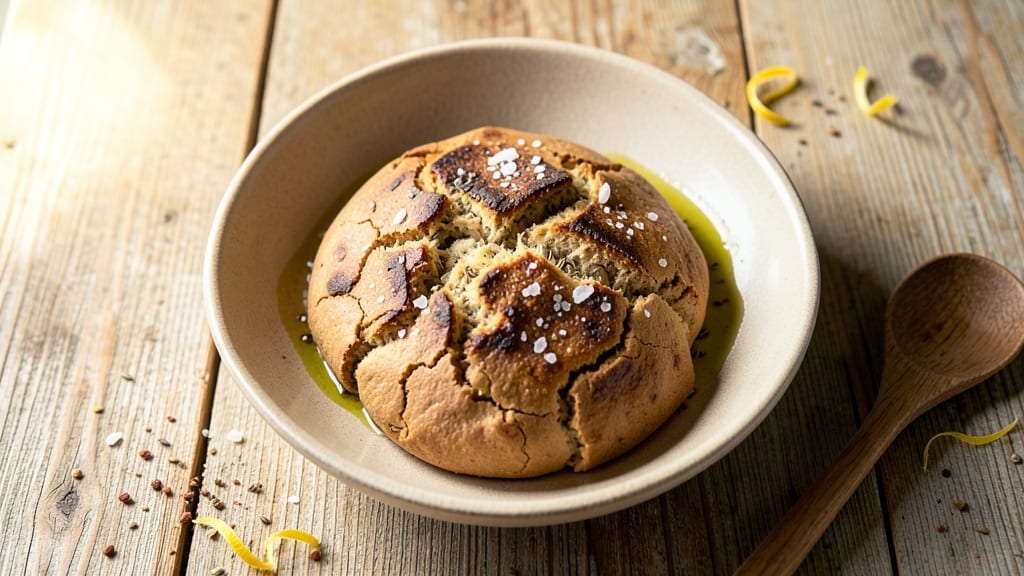
This adobe bread recipe brings the earthy, aromatic traditions of Southwestern cuisine to your kitchen, where simple ingredients transform into a crusty, anise-infused loaf with a clay-oven essence.
The dough—flour, water, yeast, and a touch of salt—develops a rustic texture that pairs perfectly with beans, stews, or as a standalone side. What sets this bread apart is its warm, subtle anise notes, a nod to heritage techniques that elevate everyday meals.
The shaping technique is key: rolling the dough into a round loaf or flattening it into a thin disc mimics traditional adobe baking methods, whether you use a clay oven, cast-iron skillet, or even a preheated Dutch oven.
The crust achieves a satisfying crispness while keeping the interior tender, a balance that’s both foolproof and deeply satisfying. This method preserves the bread’s cultural roots while adapting to modern kitchens.
By the time it emerges from the oven, you’ll have a loaf with a golden, crackled crust and a soft, airy interior—rich with the earthy aroma of anise and the comforting weight of tradition.
Serve it warm alongside hearty Southwestern dishes or enjoy it plain, dipped in olive oil. The simplicity of the ingredients belies the depth of flavor, making this bread a staple for any table.
For those without a clay oven, don’t worry—this recipe delivers the same results in a cast-iron skillet or even a well-seasoned Dutch oven. Optional additions like lard or cornmeal can further enhance the texture, but the classic version stands strong on its own.
Here’s how to bring this timeless bread to life.
Ingredients for adobe bread
Simple flour, yeast, and anise transform into a rustic loaf with clay-oven character.
| Ingredient | Amount | Notes |
|---|---|---|
| All-Purpose Flour 🌾 | 4 cups | Spooned and leveled for accuracy |
| Active Dry Yeast 🍞 | ¼ tsp | Ensure yeast is fresh for best rise |
| Warm Water 💧 | 1 ½ cups | 110°F for optimal yeast activation |
| Sea Salt 🧂 | 1 ½ tsp | Fine grain preferred for even distribution |
| Ground Anise Seed 🌿 | 1 tsp | For authentic Southwestern flavor |
| Olive Oil 🫒 | 2 tbsp | Extra-virgin for richness |
| Cornmeal 🌽 | 2 tbsp | For dusting and texture enhancement |
| Lard or Shortening 🧈 | 2 tbsp | Optional for extra crispiness |
The flour is the foundation—King Arthur or White Lily work best for that rustic texture. Yeast should be fresh; if it's old, it won't activate properly. Anise seed is key for that authentic Southwestern aroma—Penzeys or bulk bins carry good quality. For the water, use a thermometer to hit 110°F—too hot and you'll kill the yeast. The olive oil adds richness, but don't skimp on the salt; it balances the sweetness of the anise.
No anise seed? One-half teaspoon ground anise works in a pinch. Out of cornmeal? Semolina or all-purpose flour will do, but it won’t give that same crusty texture. Using lard? Render it yourself for the best flavor, or grab pre-rendered from the store. The dough should be stiff but manageable—add a splash of water if it’s too dry. If you’re short on time, you can use instant yeast and skip the activation step, but the flavor won’t be as deep.
The dough keeps well in the fridge for 24 hours wrapped tightly in plastic. For longer storage, freeze shaped loaves for up to 3 months. Once baked, store at room temperature in a bread bag for 3-4 days to maintain crispness. Reheat slices in a toaster or oven to revive that fresh-from-the-oven crunch.
Why You'll Love This Recipe
- I’ll be real: I used to dread yeast breads with their long rises and sticky dough. This recipe? Just mix, let it puff, and bake—no fuss. The anise seed gives it a subtle warmth that feels sophisticated without trying too hard.
- No-Knead Magic: I’ll be real: I used to dread yeast breads with their long rises and sticky dough. This recipe? Just mix, let it puff, and bake—no fuss. The anise seed gives it a subtle warmth that feels sophisticated without trying too hard.
- Warm & Earthy Crunch: That crispy shell with a soft, pillowy center? Chef’s kiss. The anise seed adds a faint licorice note (don’t worry, it’s mild), while the sea salt cuts through it—like a cozy hug in bread form. Honestly, it’s the kind of flavor that makes you reach for seconds without thinking.
- Weeknight & Party Star: Toss a batch in the oven while you prep dinner—it’ll be ready by the time you’re done. Or, freeze half for lazy mornings when you need toast in a pinch. My husband even sneaks it onto his charcuterie board (yes, even on a Tuesday night).
Step-by-step instructions for adobe bread with Southwestern anise flavor
Traditional clay-oven techniques adapted for home kitchens—this method delivers authentic texture and aroma.
Activate the Yeast and Mix the Dough
In a large mixing bowl, combine the 1.5 cups warm water (around 110°F—test by sprinkling a pinch of flour into it; if it sizzles, it's ready) with the 0.25 tsp active dry yeast. Let it sit for 5-10 minutes until frothy. This step ensures your yeast is alive and ready to work.
To the yeast mixture, add the 4 cups all-purpose flour, 1.5 tsp sea salt, 1 tsp ground anise seed, and 2 tbsp olive oil. Using a wooden spoon or your hands, stir until a shaggy dough forms. The anise seed will release its warm, licorice-like aroma—this is your first hint of authentic flavor.
Knead Until Elastic and Smooth
Turn the dough onto a lightly floured surface and knead for 8-10 minutes by hand (or 5-6 minutes in a stand mixer with a dough hook). You're looking for a dough that springs back when poked and feels smooth to the touch. The 2 tbsp lard or shortening (if using) should be fully incorporated, adding a tender, slightly crisp quality to the final bread.
If the dough feels too sticky, add 1 tablespoon of flour at a time until it holds together. Over-kneading develops gluten too much, so stop when the dough is just slightly tacky but not wet. The cornmeal will come into play later—save it for dusting.
First Rise for Flavor Development
Lightly grease a large bowl with olive oil, place the dough inside, and cover with a damp kitchen towel. Let it rise in a warm place (like the top of your oven with the light on) for 1-2 hours, or until it has nearly doubled in size. The dough should feel light and airy when pressed gently—this indicates proper fermentation.
During this time, the yeast will activate fully, and the anise flavor will deepen. The warmth of the oven mimics the traditional clay-oven environment, helping the dough rise evenly. If your kitchen is cold, place the bowl near a heat source like a sunny windowsill or a turned-off oven with the pilot light on.
Shape and Second Rise for Crust Formation
Punch down the risen dough to release air, then divide it into 4 equal portions. Shape each into a round loaf, about 3 inches in diameter, by pinching the edges inward and rolling them under. Place the shaped loaves on a baking sheet dusted with 2 tbsp cornmeal—this prevents sticking and adds a subtle crunch to the crust.
Cover the loaves loosely with the damp towel and let them rise again for 30-45 minutes, until they've puffed slightly. The cornmeal will give the bread its signature rustic texture, while the anise-infused dough will develop a fragrant, slightly sweet aroma. This second rise is crucial for achieving the airy, open crumb typical of adobe bread.
Bake for a Crisp, Golden Crust
Preheat your oven to 375°F. Bake the loaves for 25-30 minutes, until they're golden brown and sound hollow when tapped on the bottom. The crust should be crisp enough to hold its shape but still tender enough to break easily with your hands.
For extra crispiness, brush the tops with a little melted butter or olive oil after baking. Let the bread cool on a wire rack for 10-15 minutes before serving—this allows the steam to escape, preventing a gummy interior. The anise flavor will be most pronounced in the warm bread, so enjoy it fresh from the oven.
Pro Tips For Making Adobe Bread
- STEAM THE DOUGH: I learned this the hard way—skipping steam means a dense, flat loaf instead of that signature dome. After shaping, cover the dough with a damp towel and let it proof in a warm spot for 30 minutes. The steam keeps the crust from setting too fast while the yeast does its work.
- GRIND THAT ANISE: Store-bought ground anise loses potency fast, and cheap brands taste like sawdust. Toast whole anise seeds in a dry pan for 1 minute until fragrant, then grind them fresh in a spice grinder. It’s a little extra work, but the flavor jumps off the page—no more wondering why your bread tastes bland.
- KNEAD UNTIL STRETCHY: This dough fights back. Stop when you can stretch a piece without it tearing—about 8-10 minutes by hand. Over-kneading makes it tough, but under-kneading means it won’t hold its shape. Test it: pull a corner gently; if it snaps back slowly, you’re golden.
- USE A BAKING STONE: I was skeptical until I tried it. Place a baking stone or inverted baking sheet in the oven while it preheats to 425°F (220°C). When you bake the loaf, slide it onto the stone—it mimics a wood-fired oven and gives that crisp, blistered crust adobe bread is famous for. No stone? A thick metal pan works, but it’s not the same.
Dietary considerations for this recipe
Gluten-Free Adaptation
For a gluten-free version, swap the 4 cups all-purpose flour for a 1:1 gluten-free flour blend like Bob's Red Mill or King Arthur. Add 1 extra tablespoon of xanthan gum to mimic gluten's elasticity.
Keep the yeast and liquid ratios the same, but expect a denser texture—this bread won’t be as light as traditional adobe bread. Brush the baked loaves with olive oil to add moisture. 🌾
Low-Carb Option
Replace the flour with almond flour or coconut flour (use 3 cups almond flour and reduce water to 1 cup to avoid a gummy texture). Add 1 extra egg to bind the dough.
The crust will be crispier but less airy. For extra flavor, boost the anise to 1.5 tsp. This version pairs well with savory dishes like chili or roasted meats.
Dairy-Free Considerations
The recipe is naturally dairy-free, but if using lard, opt for vegetable shortening or coconut oil instead. The olive oil and cornmeal keep it rich and textured without dairy.
For extra crispiness, brush the baked loaves with melted vegan butter or a mix of olive oil and water (1:1 ratio) after baking. The anise flavor shines even more in dairy-free versions. 🧈
Allergen-Friendly Swaps
For nut allergies, use a gluten-free oat flour blend instead of almond flour. If avoiding anise, substitute with 1 tsp fennel seeds (ground) or ½ tsp cinnamon for warmth.
For egg-free binding, add 1 tbsp ground flaxseed mixed with 3 tbsp water to replace the egg in low-carb versions. Always check labels on gluten-free flours for cross-contamination warnings.
Yeast-Free Option
For a quick rise, use 1 tsp baking powder and ½ tsp baking soda instead of yeast. Mix dry ingredients first, then add wet ingredients. Shape the dough immediately and bake at 400°F for 20-25 minutes—this version won’t rise as much but still delivers crispy, anise-kissed flavor.
Ideal for those with yeast sensitivities or short on time. ✨
Nutrition facts
Frequently asked questions
Can I make adobe bread without a clay oven?
This recipe works perfectly in a cast-iron skillet, Dutch oven, or even a regular oven. The key is preheating your pan or baking sheet thoroughly to mimic the clay oven's heat retention. For extra crispiness, bake on a pizza stone or inverted baking sheet for 5-10 minutes at the end. The anise flavor will still shine through beautifully.
Why does my dough feel too sticky?
Sticky dough usually means one of two things: either your kitchen is too humid, or the flour-to-water ratio needs adjustment. Add 1 tablespoon of flour at a time until the dough holds together when pressed. If it's still too wet, try adding 1 teaspoon of cornmeal to absorb moisture. The dough should be soft but not clingy—think of it like playdough that sticks slightly to your fingers.
How do I know when the bread is fully baked?
Look for three key signs: the crust should be golden brown, the bread will sound hollow when tapped on the bottom, and an instant-read thermometer inserted into the center should read 190-200°F. If the crust isn't brown enough but the internal temperature is right, return it to the oven for 2-3 minutes to finish browning. The anise aroma will be strongest when it's perfectly baked.
Can I make this bread ahead of time?
Yes! Shape the dough and refrigerate it overnight for 24 hours before baking—this actually enhances the flavor. For longer storage, freeze shaped loaves (unbaked) for up to 3 months. Thaw in the fridge overnight before baking. Once baked, store at room temperature in a bread bag for 3-4 days to maintain crispness. Reheat slices in a toaster or oven for 2-3 minutes to restore freshness.
What's the best way to serve adobe bread?
This bread pairs perfectly with Southwestern classics like black beans, posole, or roasted chiles. For a simple serving, slice it warm and drizzle with melted butter or olive oil. The crispy crust makes it ideal for dipping—try it with hummus or avocado mash. For a sweet touch, brush with honey while still warm. The anise notes complement both savory and slightly sweet dishes beautifully.