
Side Dishes
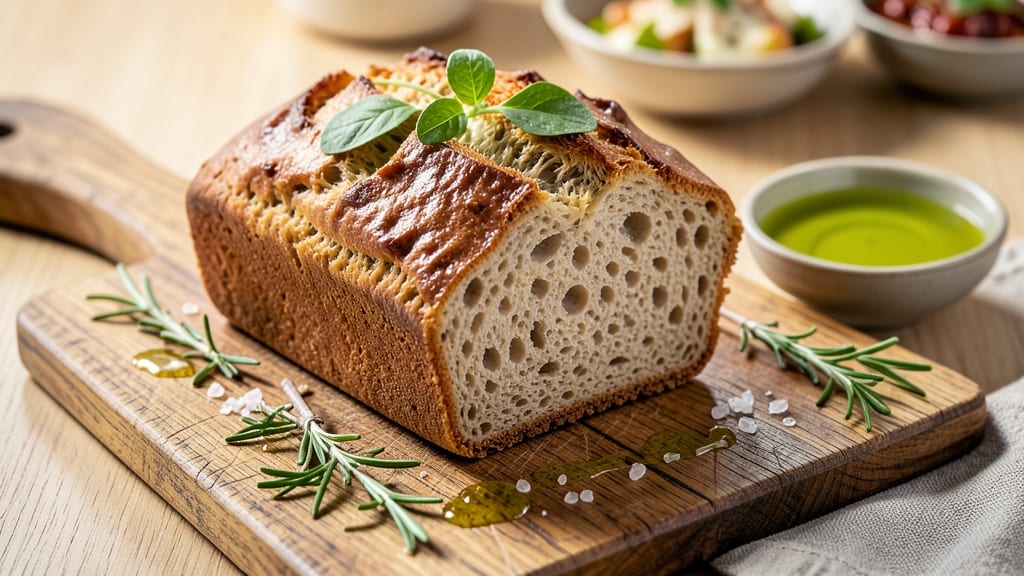
This AIP Paleo bread recipe delivers the satisfying crunch and texture of traditional bread without grains, legumes, or dairy—just egg-bound ingredients that create a surprisingly sturdy loaf. 💛 The secret lies in arrowroot starch and almond flour, which bind together to form a dense yet crumbly crumb that holds up to sandwiches or toast.
I developed this recipe after years of struggling with crumbly, dry paleo breads that fell apart at the slightest touch.
What makes this loaf special is its foolproof egg-binding technique, which creates a cohesive structure without gluten. The recipe relies on simple pantry staples—eggs, almond flour, arrowroot, and a touch of apple cider vinegar for tang.
Unlike many AIP breads that turn out dense and heavy, this version achieves a light yet sturdy texture that toasts beautifully and absorbs sauces without falling apart.
The baking process is straightforward: mix, shape, and bake in a preheated loaf pan for about 45 minutes, resulting in a golden-brown crust and evenly cooked interior.
The bread stores well in the refrigerator for up to 5 days or can be frozen for longer shelf life—perfect for meal prep. Whether you're following an AIP diet or just seeking a grain-free alternative, this recipe proves you don’t need gluten to enjoy a satisfying slice.
Serve warm with your favorite AIP-compliant toppings like avocado, smoked salmon, or a drizzle of olive oil. The texture is dense yet satisfying, making it ideal for sandwiches, toast, or even as a base for open-faced meals. Here’s how to make it—no cross-contamination, no compromises.
Ingredients for aip paleo bread
Nine simple ingredients transform into a sturdy AIP Paleo loaf without grains or dairy.
| Ingredient | Amount | Notes |
|---|---|---|
| Large Eggs 🥚 | 6 whole | Room temperature for even binding |
| Almond Flour 🌰 | 3 cups | Finely ground, blanched preferred |
| Arrowroot Starch 🌾 | ½ cup | Pure, no additives for binding |
| Apple Cider Vinegar 🍎 | 1 tbsp | Raw, unfiltered for tang |
| Sea Salt 🧂 | 1 ½ tsp | Fine grain, Diamond Crystal preferred |
| Olive Oil 🫒 | ¼ cup | Extra-virgin, cold-pressed |
| Baking Soda 🧴 | ½ tsp | Aluminum-free for reactivity |
| Coconut Flakes 🥥 | ¼ cup | Unsweetened, toasted for crunch |
| Cinnamon 🌿 | ½ tsp | Ceylon preferred for delicate flavor |
| Water 💧 | ¼ cup | Room temperature for proper hydration |
The almond flour is the foundation here—Bob's Red Mill brand works best for consistent texture. If you can't find blanched almond flour, toast regular almond flour for 5 minutes to remove bitterness. Arrowroot starch is non-negotiable; tapioca or cornstarch won't bind the same way. For the eggs, pasture-raised yields better flavor, but any large eggs will work. The apple cider vinegar adds tang that mimics sourdough—Bragg's is my go-to, but any raw vinegar suffices. Store these dry ingredients in airtight containers to preserve freshness.
No almond flour? Coconut flour at double the amount works, but expect a denser texture. Substitute arrowroot with tapioca starch at the same ratio, though the crumb will be slightly gummier. For extra moisture, add 1 tbsp extra olive oil if your kitchen feels dry. The baking soda is critical—aluminum-free ensures proper rise. If you prefer no coconut flavor, omit the flakes entirely. For a sweeter loaf, add 1 tbsp maple syrup to the wet ingredients. Always whisk the eggs thoroughly to avoid lumps in the batter.
This loaf keeps remarkably well—5 days refrigerated or 3 months frozen when wrapped in parchment and sealed. For best texture, toast slices in a dry pan with olive oil. The bread freezes best in a single loaf, then slice as needed. Store dry ingredients like almond flour and arrowroot in the freezer for up to 6 months to prevent rancidity. Reheat slices in a 350°F oven for 5 minutes to restore crispness. The loaf's sturdy texture makes it perfect for meal prep—pack slices with AIP-compliant fillings for grab-and-go lunches.
Why You'll Love This Recipe
- No-Fuss Mixing: I swear by this recipe—just whisk eggs, fold in almond flour, and let arrowroot starch do the heavy lifting. No kneading, no waiting for dough to rise, just a few minutes of hands-on time before popping it in the oven.
- Tangy Crisp Edge: That apple cider vinegar isn’t just for flavor—it creates a ridiculously satisfying crisp crust while keeping the inside soft. Honestly, the first time I bit into it, I thought, "Wait, this is bread?"
- Meal Prep Hero: Between us, this bread stays fresh for days if wrapped tight. I make a batch on Sunday, slice it up, and toss it in my lunchbox—no sad, stale sandwiches here. Even my picky kids grab it before the good stuff.
- Budget-Friendly Staple: Almond flour might sound fancy, but it stretches further than you’d think, and arrowroot starch is a pantry game-changer. I’ve made this for breakfast, snacks, and even as a base for open-faced sandwiches—no waste, all win.
Step-by-step instructions for AIP Paleo bread
This method delivers a perfectly bound, tender loaf with crispy coconut-topped edges every time.
👨🍳 Step 1: Whisk Eggs and Hydrate Dry Ingredients
In a large mixing bowl, whisk together the 6 whole Large Eggs until fully combined and frothy. The room-temperature eggs will blend more smoothly and create better structure in the final loaf. In a separate bowl, combine the 3 cups Almond Flour, 0.5 cup Arrowroot Starch, 1.5 tsp Sea Salt, 0.5 tsp Baking Soda, and 0.5 tsp Cinnamon. Sift this dry mixture once to remove any lumps that could create dense pockets in your bread.
Create a well in the center of the dry ingredients and pour in the whisked eggs. Slowly incorporate the dry mixture into the eggs using a silicone spatula, mixing just until combined. Avoid overmixing—you want to maintain some air pockets for a lighter texture. The batter should be thick but still pourable, similar to pancake batter consistency.
🍳 Step 2: Incorporate Wet Binders and Rest
In a small measuring cup, combine the 0.25 cup Olive Oil, 1 tbsp Apple Cider Vinegar, and 0.25 cup Water. Whisk these wet binders together briefly to emulsify, then pour them into the batter. Fold gently with the spatula until just combined—you should see small streaks of flour remaining. This resting step is crucial: cover the bowl with plastic wrap and let the batter sit at room temperature for 15 minutes. This allows the almond flour to fully hydrate and the baking soda to activate properly.
Here's the thing—don't skip this rest. I've found that skipping it often results in dense bread with poor rise. The vinegar will create a slight tang that balances the sweet coconut topping we'll add later. The batter should thicken slightly during this time, which is exactly what we want for proper structure.
⏰ Step 3: Preheat and Prepare the Loaf Pan
Preheat your oven to 350°F and position a rack in the lower third. Lightly grease an 8x4-inch loaf pan with olive oil or line it with parchment paper for easy removal. The pan should be warm when you add the batter—this helps create that crispy exterior we're after. While the oven heats, fold the 0.25 cup Coconut Flakes into the batter using your fingers. You want them distributed evenly throughout but still visible as crunchy accents.
Transfer the batter to the prepared loaf pan and smooth the top with a wet spatula. Tap the pan gently on the counter twice to eliminate any air bubbles that might have formed during mixing. The batter should reach about ¾ full of the pan—this ensures proper rise without overflowing. Place the pan on the preheated rack in the oven.
🔥 Step 4: Bake Until Golden and Internal Temp Reaches 205°F
Bake for 45-50 minutes until the top is deep golden brown and a toothpick inserted in the center comes out clean. The bread is done when it reaches an internal temperature of 205°F—this ensures complete baking without drying out. I press down gently on the loaf during the first 10 minutes of baking to prevent excessive rising that could cause cracks.
If the top browns too quickly, tent the pan loosely with aluminum foil after 25 minutes to prevent over-browning while still allowing steam to escape. The bread should pull away slightly from the sides of the pan when done, indicating proper doneness. Remove from the oven and let cool in the pan for 10 minutes before transferring to a wire rack.
⏰ Step 5: Rest and Slice for Maximum Crispiness
Allow the loaf to cool completely on the wire rack for at least 1 hour before slicing. This resting period is essential for proper texture—it lets the crumb firm up and the coconut topping crisp further. The bread should have a tender, slightly chewy interior with crisp edges from the coconut flakes. Slice with a serrated knife for clean cuts that reveal the beautiful crumb structure.
For best results, store any leftovers wrapped in parchment paper at room temperature for up to 3 days, or freeze slices for up to 1 month. The coconut flakes will maintain their crunch when properly stored, giving you that satisfying contrast with each bite.
Pro Tips For Making Aip Paleo Bread
- Whisk Eggs Like You Mean It: I learned this the hard way—skipping the whisk means you’ll end up with a dense, gummy loaf instead of something light. Beat those eggs for a solid 3-4 minutes until they’re pale, thick, and ribbon-like when you lift the whisk. The extra effort pays off in texture.
- Sift the Almond Flour: Almond flour is stubborn—clumps ruin the crumb. Pulse it in a food processor first, then sift it through a fine-mesh sieve directly into your bowl. No food processor? Use a fork to break up any lumps by hand, but don’t skip this step.
- Don’t Overmix the Batter: Once you add the arrowroot starch and vinegar, fold just until combined—maybe 10-12 strokes max. Overmixing develops gluten (even in almond flour) and turns your bread into a chewy brick. Stop when there are no more dry spots, and call it good.
- Bake on the Middle Rack: Too low, and your bread steams instead of browning; too high, and it burns before the center sets. The middle rack guarantees even heat—no guessing. If your oven runs hot, drop the temp by 25°F to avoid a burnt crust while the inside stays underdone.
Perfect pairings for aip paleo bread
Crunchy Toppings
Toasted coconut flakes add a satisfying crunch to every bite, but you can customize them further. For a nutty twist, fold in 1 tbsp chopped walnuts or pecans (if nut-free, use pumpkin seeds). I love sprinkling 1 tsp cinnamon over the top before baking for extra warmth.
For a savory option, omit the coconut and add 1 tbsp sesame seeds or crushed AIP-compliant crackers like Lara Bar's Paleo Crackers. 🥥
Spreads and Sauces
This bread soaks up rich, AIP-friendly spreads beautifully. Try avocado mash with 1 tsp lime juice and sea salt, or a smoky almond butter made with almond butter, cocoa powder, and maple syrup.
For a tangy kick, blend ½ cup coconut yogurt, 1 tbsp apple cider vinegar, and 1 tsp garlic-infused olive oil. I also love drizzling extra-virgin olive oil with a pinch of flaky sea salt for a Mediterranean touch. 🫒
Protein Pairings
Turn your bread into a hearty meal with AIP-approved proteins. Stuff slices with smoked salmon and creamy avocado slices, or layer with grilled chicken thighs and sautéed zucchini. For a breakfast option, top with scrambled eggs, sautéed mushrooms, and fresh herbs.
I often make open-faced sandwiches with coconut sausage patties and caramelized onions—the sturdy texture holds up perfectly. 🍳
Sweet Variations
For a dessert-style loaf, swap ½ cup almond flour for coconut flour and add 2 tbsp maple syrup to the wet ingredients. Fold in ¼ cup raisins (if tolerated) or chopped dates for natural sweetness.
I also like brushing the baked loaf with 1 tbsp melted coconut oil mixed with 1 tsp vanilla extract before serving. For a spiced twist, add ½ tsp nutmeg to the dry ingredients. 🍯
Herb and Veggie Add-Ins
Boost nutrition by mixing in finely chopped fresh herbs like cilantro, parsley, or basil into the batter. For a savory kick, fold in 1 tbsp chopped chives or dill after baking.
You can also add finely grated zucchini or carrot (drained well) for moisture and fiber. I once added 1 tbsp sun-dried tomato paste for a burst of umami—it worked surprisingly well! 🌱
Nutrition facts
Frequently asked questions
Why does my AIP Paleo bread turn out dense instead of light?
Overmixing the batter or skipping the 15-minute rest before baking are the most common culprits. The almond flour needs time to hydrate properly, and the baking soda requires activation time. Also, ensure your eggs are room temperature—they incorporate better and create more air pockets. If your kitchen feels dry, add 1 extra tablespoon of olive oil to the wet ingredients.
Can I make this AIP Paleo bread without coconut?
Simply omit the coconut flakes entirely or substitute with 1 tablespoon of sesame seeds or crushed AIP-compliant crackers for texture. For a nut-free option, try pumpkin seeds. The bread will still hold its structure—coconut mainly adds crunch and sweetness, not binding.
How do I store this bread to keep it fresh longer?
Wrap the cooled loaf tightly in parchment paper and store at room temperature for up to 3 days. For longer storage, slice the bread and freeze the slices in a sealed container for up to 1 month. To revive, toast slices in a dry pan with olive oil for 2-3 minutes per side. The coconut flakes stay crispy when properly stored!
What's the best way to toast this AIP Paleo bread?
Slice the bread first, then toast in a dry pan over medium heat with a drizzle of olive oil for 1-2 minutes per side until golden. For extra crispiness, use a toaster oven at 375°F for 3-4 minutes. The coconut flakes will crisp up beautifully, giving you that satisfying crunch.
Can I substitute arrowroot starch with something else?
You can use tapioca starch in a 1:1 ratio, though the texture will be slightly gummier. For a lighter crumb, try psyllium husk powder (¼ teaspoon) mixed with 1 tablespoon water) as a binder, but this creates a denser result. Arrowroot is ideal because it mimics gluten's binding properties without being grain-based.