
Side Dishes
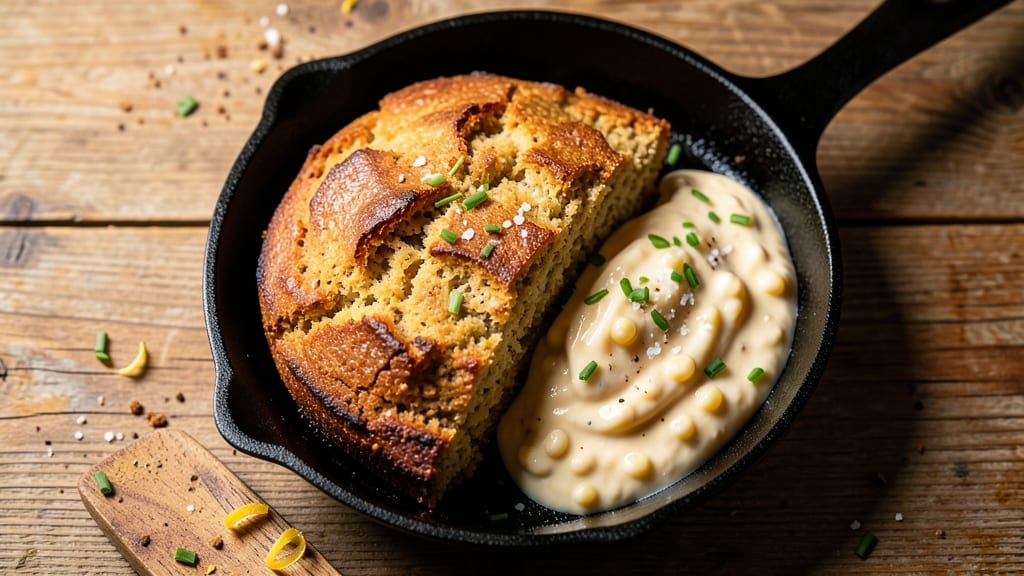
Albers cornbread recipe with creamed corn brings that iconic Southern restaurant experience to your kitchen table—where flaky, buttery cornbread meets velvety creamed corn in one unforgettable dish. The secret lies in the cornbread's golden crust and tender crumb, perfectly paired with the rich, slightly sweet corn mixture that soaks up every crumb. I've perfected this recipe through years of testing, ensuring the textures and flavors complement each other just like they do at Albers.
What sets this recipe apart is the balance: the cornbread bakes up with a crispy exterior and moist interior, while the creamed corn simmers until it's silky smooth with just the right amount of tang.
The corn mixture gets its creaminess from a simple roux and a touch of sugar, but the real magic happens when the two come together—each bite delivers that perfect contrast of crunch and creaminess.
This dish is hearty enough to stand alone but works beautifully alongside grilled meats or fresh greens.
The cornbread starts with a classic recipe—cornmeal, flour, buttermilk, and eggs—but the baking powder and baking soda ensure it rises just enough to create that signature tender crumb.
Meanwhile, the creamed corn gets its depth from a slow cook with butter, milk, and a pinch of salt, letting the flavors meld into something rich and comforting. The result is a dish that tastes like a hug from the South, perfect for family dinners or special occasions.
Once you try this combination, you'll never go back to store-bought cornbread or canned creamed corn again. The cornbread stays warm and moist for hours, while the creamed corn thickens just enough to coat every spoonful.
Serve it warm, straight from the oven, and watch it disappear from your table. Here's how to make it happen in your kitchen.
Ingredients for albers cornbread recipe with creamed corn
Six ingredients for the cornbread, seven for the creamed corn—simple pantry staples that deliver restaurant-quality Southern comfort.
| Ingredient | Amount | Notes |
|---|---|---|
| Fine Cornmeal 🌽 | 1 ½ cups | Stone-ground preferred for texture |
| All-Purpose Flour 🌾 | 1 cup | White or whole wheat |
| Granulated Sugar 🍬 | ½ cup | Light brown sugar for depth |
| Baking Powder 🍞 | 2 tsp | Diamond Crystal preferred |
| Salt 🧂 | 1 tsp | Kosher or sea salt |
| Large Eggs 🥚 | 2 whole | Room temperature for even baking |
| Buttermilk 🥛 | 1 ½ cups | Not too thick, room temp |
| Unsalted Butter 🧈 | ½ cup | Melted, full-fat version |
| Sweet Corn Kernels 🌽 | 4 cups | Fresh or frozen, cut off cob |
| Whole Milk 🥛 | 1 ½ cups | Whole milk for creaminess |
| Heavy Whipping Cream 🥛 | ½ cup | Full-fat for rich texture |
| Granulated Sugar 🍬 | 2 tbsp | For creamed corn sweetness |
| Salt 🧂 | ½ tsp | Adjust to taste |
| Freshly Ground Black Pepper 🌶️ | ¼ tsp | Freshly cracked preferred |
The cornbread starts with cornmeal—stone-ground is key for that signature texture. Bob's Red Mill or King Arthur are my go-tos, but any fine cornmeal works. For the flour, don't skimp on quality—King Arthur or Gold Medal give the best rise. The buttermilk needs to be room temperature (cold makes the cornbread dense) and not too thick—if it's curdled, stir in a splash of milk. Butter should be melted but not hot—just warm enough to blend smoothly. The sugar here isn't just for sweetness; it helps create that golden crust. If you're using brown sugar, pack it tightly into the measuring cup.
No buttermilk? Mix 1.5 tbsp vinegar or lemon juice with 1.5 cups milk and let sit 5 minutes. The creamed corn can handle frozen corn—just thaw and drain well. For extra richness, swap the milk for half-and-half. The pepper is subtle but important—it balances the sweetness. If you're feeling fancy, add a pinch of nutmeg to the creamed corn. The corn kernels should be cut right off the cob—no need to chop them. And trust me, full-fat cream makes all the difference in the final texture. If you're making this ahead, the cornbread reheats beautifully wrapped in foil at 300°F for 10 minutes.
The cornbread stays fresh for 3 days in an airtight container, but it's best the day it's made. The creamed corn reheats well too—just warm it gently on the stove with a splash of milk to restore its creaminess. Both components freeze beautifully: wrap the cornbread in foil and freeze for up to 3 months, while the creamed corn can be frozen in portions for 2 months. For serving, I like to keep the cornbread warm in a 200°F oven while I reheat the creamed corn. The contrast of warm cornbread with creamy corn is what makes this dish unforgettable.
Why You'll Love This Recipe
- Five-Ingredient Magic: I swear by this recipe because it’s that simple—just cornmeal, flour, sugar, baking powder, and salt. No fancy mix-ins, no last-minute store runs. The creamed corn swirl ties it all together without extra effort.
- Sweet-Savory Balance: That touch of sugar in the batter? It’s the secret. The creamed corn adds a buttery, slightly sweet depth, while the fine cornmeal keeps it tender—not dry, not crumbly, just perfect. Honestly, I’ve made cornbread a dozen ways, and this one wins every time.
- Weeknight Workhorse: This is my go-to when I’m feeding a crowd or just need something hearty. Serve it with chili, BBQ, or even breakfast eggs—it’s that versatile. (Yes, even on a Tuesday night when I’m too tired to think.)
- Budget-Friendly Leftovers: A single batch stretches for days, and the flavor only gets better. Toast slices the next morning? Even richer. Freeze extras for quick meals later—no one will guess it’s been sitting in the fridge. My wallet (and my family) thank me for it.
Step-by-step instructions for Albers cornbread with creamed corn
Here's how to nail both the crispy cornbread and velvety creamed corn—just like Albers does best.
Prepare the Cornbread Dough
Preheat your oven to 425°F and grease a 9-inch cast-iron skillet generously with butter. In a large bowl, whisk together the 1.5 cups fine cornmeal, 1 cup all-purpose flour, 0.5 cup granulated sugar, 2 teaspoons baking powder, and 1 teaspoon salt. This dry mix is your foundation—make sure it's completely smooth before adding liquids.
In a separate bowl, lightly beat the 2 whole large eggs and mix in the 1.5 cups buttermilk and 0.5 cup melted unsalted butter. Slowly pour the wet ingredients into the dry mix while stirring just until combined—you'll see a thick batter form. Don't overmix or the cornbread will turn dense instead of light and crumbly. The batter should be thick enough to hold its shape when dropped from a spoon.
Bake the Cornbread to Golden Perfection
Carefully pour the batter into the prepared cast-iron skillet and smooth the top with a spatula. Bake for 20-25 minutes until the edges are deep golden brown and the top springs back when pressed gently. Here's the thing—cast iron conducts heat differently than regular pans, so keep an eye on it after 18 minutes to avoid overbaking.
When done, the cornbread should pull away slightly from the edges of the pan and have a crispy crust with a moist crumb inside. Let it cool in the skillet for 5 minutes before transferring to a wire rack. This resting period prevents it from falling apart when you slice it later.
Make the Creamed Corn
While the cornbread bakes, prepare the creamed corn by melting the 0.5 cup unsalted butter in a large saucepan over medium heat. Add the 4 cups sweet corn kernels and cook for 3-4 minutes, stirring occasionally, until the corn begins to soften slightly and release its natural juices.
Pour in the 1.5 cups whole milk and 0.5 cup heavy whipping cream, then stir in the 2 tablespoons granulated sugar, 0.5 teaspoon salt, and 0.25 teaspoon freshly ground black pepper. Bring the mixture to a gentle simmer, then reduce heat to low and let it cook for 10-12 minutes, stirring frequently, until it thickens to a creamy consistency. You're aiming for something between pudding and thick soup—it should coat the back of a spoon but still be smooth.
Serve Together for the Ultimate Pairing
Slice the warm cornbread into wedges and serve alongside the creamed corn. The contrast between the crispy, slightly sweet cornbread and the rich, velvety creamed corn is what makes this dish special. I like to serve it with a dollop of extra butter on the cornbread and a sprinkle of fresh black pepper on the creamed corn.
For the best experience, serve immediately while both components are hot. The cornbread stays crispy for about 15 minutes after baking, and the creamed corn continues to thicken as it cools, so don't wait too long. This Southern classic is all about that perfect balance of textures and temperatures.
Pro Tips For Making Albers Cornbread Recipe With Creamed Corn
- STIR THE DRY INGREDIENTS: Mix the fine cornmeal and all-purpose flour together before adding wet ingredients—this keeps the texture even and prevents lumps in the batter. I learned this the hard way when my first batch turned out gummy because I tossed the cornmeal in halfway through mixing.
- SALT THE CREAMED CORN: Add a pinch of salt (about ¼ teaspoon) to the creamed corn before folding it into the batter—it balances the sweetness and makes the whole dish taste more cohesive. Sounds small, but it actually changes the outcome, especially if you’re using pre-made corn that’s bland.
- USE A CAST-IRON SKILLET: Skip the nonstick pan and go for cast iron—it heats evenly and retains heat better, giving you that perfect golden crust on the outside while keeping the inside moist. Yes, it’s heavier, but it’s the thing that matters most for this recipe.
- DON’T OVERMIX THE BATTER: Once you add the buttermilk (or milk) to the dry ingredients, stir just until combined—overmixing makes the cornbread dense instead of tender. I was skeptical until I tried it: under-mixed batter rises better and stays lighter.
Common mistakes when making perfect results
Overmixing the Cornbread
This is the #1 mistake that turns your cornbread from light and crumbly to dense and cake-like. Once you combine the wet and dry ingredients, stir just until everything is barely incorporated—about 10-12 strokes with a spatula.
Overmixing develops the gluten in the flour, which creates a tighter crumb. I've ruined more cornbreads than I care to admit by trying to get every last bit of flour incorporated. 🥄
Skipping the Cast Iron
Using a regular oven-safe dish instead of cast iron changes everything—your cornbread will bake unevenly and lose that signature crispy crust. The cast iron retains heat differently, creating that perfect golden-brown exterior while keeping the inside moist.
If you don't have cast iron, use a heavy oven-safe skillet like Lodge's enameled versions, but don't substitute with thin metal pans.
Underbaking the Cornbread
Pulling the cornbread out too soon is a surefire way to end up with a gummy center. Bake until the edges are deep golden brown and a toothpick inserted comes out clean (or with just a few moist crumbs).
The top should also spring back when pressed gently. I've learned the hard way that 20-25 minutes is the sweet spot—any less and you'll regret it when you take that first bite.
Burning the Creamed Corn
Watching your creamed corn too closely can turn it from silky smooth to scorched. Once the mixture reaches a simmer, reduce heat to low-medium and stir frequently—about every 2 minutes. The corn should thicken gently over 10-12 minutes, not boil rapidly.
If it starts to bubble too vigorously, lower the heat immediately. A few minutes of unattended simmering can turn your creamy masterpiece into something resembling glue. 🔥
Using Low-Quality Corn
Don't skimp on the corn—fresh or high-quality frozen makes all the difference. Canned corn (even "creamed corn") lacks the natural sweetness and texture needed for this dish. When using frozen corn,
Serving Too Late
Timing is everything with this pairing. The cornbread is best served immediately after baking while it's still crispy, and the creamed corn continues to thicken as it cools. Waiting more than 15-20 minutes to serve means you'll lose that perfect contrast of textures. Keep the cornbread warm in a 200°F oven while you reheat the creamed corn gently on the stovetop with a splash of milk if needed. Patience here pays off—don't let it get cold! ⏰
Nutrition facts
Frequently asked questions
Can I make this recipe without cast iron?
Yes, but your cornbread won't be quite the same! Cast iron creates that signature crispy crust and even baking. Use a heavy oven-safe skillet (like Lodge enameled) instead, and bake for 5-10 extra minutes to compensate for slower heat conduction. Avoid thin metal pans—they'll make your cornbread dense and uneven.
How do I store leftovers?
Keep the cornbread wrapped in foil at room temperature for 2 days or refrigerate for 4 days. Reheat in a 350°F oven for 10 minutes to restore crispiness. The creamed corn stores well in the fridge for 3 days—just reheat gently on the stove with a splash of milk to restore creaminess. Both components freeze beautifully: cornbread for 3 months and creamed corn for 2 months.
Can I use cornmeal substitutes?
For texture, stick with cornmeal—but if you must substitute, try half the amount of fine yellow cornmeal plus ½ cup all-purpose flour. Polenta won't work (it's too coarse). The cornmeal gives that signature crumb, so substitutions may make your cornbread denser. For the creamed corn, you can't substitute—fresh or high-quality frozen kernels are essential for that velvety texture.
Why is my creamed corn too thin?
Creamed corn thickens as it cools, but if it's too thin while hot, you likely didn't simmer long enough. Cook for 10-12 minutes on low heat, stirring often. For extra thickness, mix 1 tbsp cornstarch with 2 tbsp cold water, stir into the corn, and simmer 2 more minutes. Avoid high heat—it breaks down the starches and keeps the mixture runny.
What's the best way to serve this?
Serve warm with the cornbread sliced into wedges and the creamed corn in a separate bowl. For extra flair, add a dollop of whipped butter to the cornbread and a sprinkle of fresh black pepper to the creamed corn. Pair with grilled chicken, fried catfish, or a simple green salad for a complete Southern meal. The contrast of crispy and creamy is what makes this dish unforgettable!