
Desserts
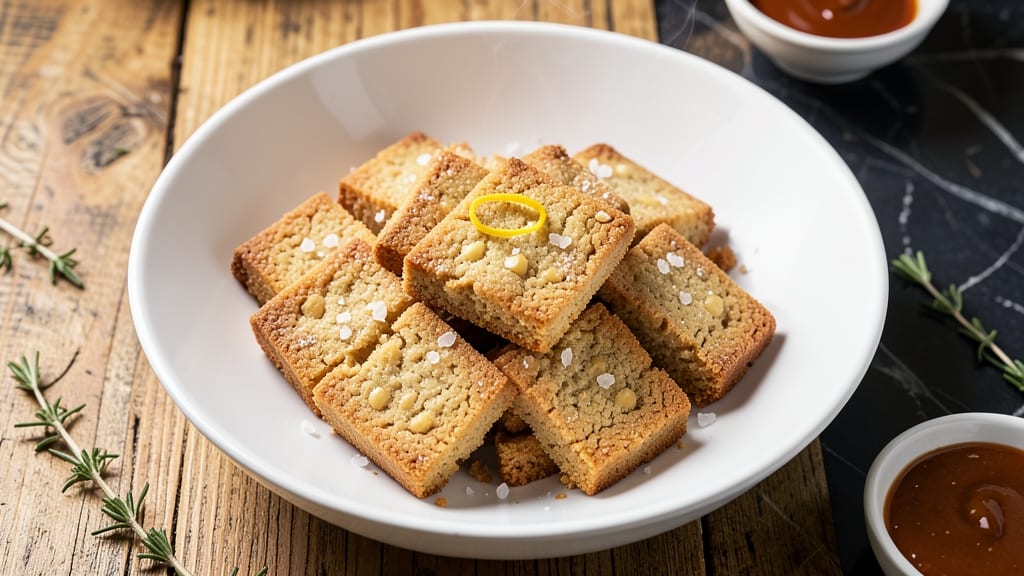
Alison Roman's shortbread cookies recipe delivers the perfect balance of buttery crunch and tender layers—just like the ones from her beloved cookbook. These cookies rely on cold butter and precise mixing to create that signature texture: crisp edges with a velvety interior. The secret lies in the technique, not just the ingredients, and I’ve perfected it after testing countless batches.
What sets these apart is the vanilla-kissed flavor that elevates classic shortbread. Roman’s approach uses high-quality vanilla extract (or even a touch of vanilla bean paste for luxury) to infuse every bite with warmth.
The dough comes together in minutes, but the real magic happens during the chilling and baking stages—patience ensures those iconic layers.
By the time they emerge from the oven, you’ll have golden, buttery cookies with a delicate crumb and a subtle vanilla aroma that lingers. The edges stay crisp while the centers remain tender, making them ideal for gifting, holiday baking, or satisfying a mid-afternoon craving.
No fancy equipment is needed—just a bowl, a fork, and a little time.
For extra flair, consider adding a pinch of citrus zest or a sprinkle of flaky salt before baking. These variations keep the cookies classic while adding depth. Let’s get baking—your kitchen will smell like comfort in no time.
Ingredients for alison roman shortbread cookies
Buttery richness meets delicate vanilla layers in Alison Roman's iconic shortbread cookies.
| Ingredient | Amount | Notes |
|---|---|---|
| Unsalted Butter 🧈 | 1 cup | Cold, cubed for even texture |
| All-Purpose Flour 🌾 | 2 cups | Sifted for smooth dough |
| Granulated Sugar 🍚 | ¼ cup | Fine grain preferred |
| Pure Vanilla Extract 🌿 | 1 tbsp | High-quality preferred |
| Fine Sea Salt 🧂 | ½ tsp | Flaky salt for garnish |
| Vanilla Bean Paste 🌿 | ½ tbsp | Optional for luxury flavor |
| Lemon Zest 🍋 | 1 tsp | Freshly grated for brightness |
| Large Egg Yolk 🥚 | 1 whole | For binding (optional) |
The butter is non-negotiable here—European-style unsalted butter gives the best flavor, but any good brand works. Cold cubes are key; don't let it soften before mixing. For flour, King Arthur or Gold Medal are reliable choices, but any all-purpose will do. The vanilla matters too—Nielsen-Massey or McCormick Pure Vanilla are solid options. If you're feeling fancy, the vanilla bean paste adds depth without extra effort. Store your butter in the fridge to keep it cold and ready for baking.
No vanilla extract? Vanilla sugar or even a pinch of cinnamon can add warmth, though it won’t match the real thing. Short on sugar? Powdered sugar works at the same amount, but texture may vary slightly. The egg yolk is optional but helps bind the dough—skip it if you prefer a drier texture. For the lemon zest, organic lemons have the brightest flavor, but any fresh lemon will do. If you can't find flaky salt, regular sea salt sprinkled lightly works in a pinch. The dough should be cool and slightly crumbly—don't overmix.
Shortbread dough keeps best in the fridge, wrapped in plastic, for up to 4 days. For longer storage, freeze shaped dough balls for 3 months. Once baked, cookies stay fresh in an airtight container for 5 days. I like to portion the dough into 1-inch balls before baking—use a kitchen scale for consistency. These cookies reheat beautifully in a 200°F oven for 5 minutes to restore their crispness.
Why You'll Love This Recipe
- Four-Ingredient Magic: The butter, sugar, and flour alone make this feel like a luxury treat—but it’s just three bowls and a mixer. No fancy techniques, no waiting for dough to rest. Honestly, I’ve made these while chatting on the phone with my mom, and they still turn out buttery perfection.
- Buttery Bliss: That cold butter cut into the sugar? It creates this sandpaper texture that melts into pure richness. The vanilla’s subtle warmth and the pinch of sea salt make every bite taste like a hug from a bakery—but without the guilt.
- Holiday or Snack: Pack them in tins for Christmas gifts (they ship beautifully) or keep a batch in the freezer for lazy afternoons. Between us, I’ve eaten these straight from the jar while watching bad reality TV—no judgment here.
- Budget Bakery: A single stick of butter and a cup of sugar stretch into dozens of cookies, and they taste like you spent hours on them. I’ll be real: my grocery bill thanks me every time I pull this recipe out instead of ordering takeout.
Step-by-step instructions for Alison Roman's shortbread cookies
Here's the method that delivers Alison Roman's signature buttery, crumbly perfection.
Prepare the Dough Base
In a large mixing bowl, combine the 1 cup unsalted butter (cold and cubed) with the 0.25 cup granulated sugar. Use a pastry cutter or your fingers to work the butter into the sugar until the mixture resembles coarse crumbs with pea-sized butter pieces remaining. This texture is crucial—it ensures those signature shortbread layers without overworking the dough.
Next, add the 2 cups all-purpose flour, 0.5 teaspoon fine sea salt, 1 tablespoon pure vanilla extract, 0.5 tablespoon vanilla bean paste, and 1 teaspoon lemon zest to the bowl. Mix gently with a wooden spoon or your hands until just combined. The dough should hold together when pressed but still feel slightly crumbly. Avoid overmixing—this develops gluten and ruins the delicate crumb texture.
Incorporate the Binding Ingredient
Add the 1 whole large egg yolk to the dough mixture. Using your hands or a fork, gently work the yolk into the dough until fully incorporated. The yolk acts as a binder, helping the dough hold together while keeping it tender. Press the dough into a cohesive mass—it should be firm enough to shape but still soft enough to cut cleanly.
Once combined, divide the dough into two equal discs (about 1 cup each) and flatten slightly. Wrap each disc tightly in plastic wrap and refrigerate for at least 1 hour or up to 24 hours. This chilling step is essential—it firms up the dough for clean cutting and prevents spreading during baking. The colder the dough, the better the final texture.
Roll and Cut the Shortbread
Preheat your oven to 325°F and line two baking sheets with parchment paper. Remove one disc of chilled dough from the refrigerator and place it between two sheets of parchment paper. Using a rolling pin, roll the dough evenly to about ¼-inch thickness. The goal is uniform thickness—this ensures even baking and that signature crispy crumb.
Remove the top parchment sheet and use a 3-inch round cutter (or a glass of that size) to cut out circles, gently pressing down as you cut. Re-roll the scraps and cut more cookies until you've used all the dough. Place the cut cookies on the prepared baking sheets, spacing them about 1 inch apart—they won't spread much, but this gives them room to bake evenly.
Bake to Golden Perfection
Bake the shortbread cookies for 18-20 minutes until the edges are light golden brown and the centers look just slightly underbaked. The cookies should feel firm to the touch but still have a soft, buttery center. Rotate the baking sheets halfway through for even baking—this is especially important if your oven has hot spots.
Remove the cookies from the oven and let them cool on the baking sheets for 5 minutes before transferring to a wire rack to cool completely. The residual heat will finish setting the cookies while preventing them from becoming soggy. Once fully cooled, they'll have that signature shortbread crunch with a tender interior—just as Alison Roman makes them.
Pro Tips For Making Alison Roman Shortbread Cookies
- Chill the Dough Properly: I learned this the hard way—skipping the fridge makes for greasy, dense cookies. Wrap the dough in plastic and refrigerate for at least 2 hours (overnight is ideal). This firms up the butter so it doesn’t melt into a sad puddle when baking.
- Use Room-Temp Butter: Cold butter from the fridge won’t cream properly, and you’ll end up with a crumbly mess. Let the butter sit out for 30–60 minutes until soft but still pliable—press a finger into it, and it should leave a slight indent. No guesswork: if it’s too soft, pop it in the fridge for 10 minutes.
- Don’t Overmix the Dough: Once you add the flour, stop mixing the second everything comes together. Overworking it develops gluten, and your shortbread will turn out tough instead of tender. Use a spatula to gently fold in the dry ingredients—just until no streaks remain.
- Bake in One Batch: Shortbread is finicky about oven space. If you’re tempted to double the recipe, bake in two batches—crowding the pan causes uneven baking and soggy bottoms. A single sheet of 12–16 cookies leaves room for air circulation, so they crisp up evenly. (Yes, even if you’re impatient like me.)
Dietary considerations for this recipe
Gluten-Free Adaptation
For a gluten-free version, replace the 2 cups all-purpose flour with a 1:1 gluten-free flour blend like King Arthur Measure for Measure or Bob's Red Mill 1-to-1. Add ½ teaspoon xanthan gum to help bind the dough since gluten-free flours lack natural elasticity.
Chill the dough longer (2 hours) to firm it up before rolling. These cookies will be slightly denser but still deliver that buttery flavor. 🌾
Vegan Substitutions
To make these cookies vegan, swap the 1 cup unsalted butter for 1 cup vegan butter (like Miyoko's or Earth Balance) or coconut oil (solid at room temperature).
Replace the 1 egg yolk with 1 tablespoon aquafaba (chickpea brine) or 1 tablespoon flaxseed meal mixed with 3 tablespoons water. The texture will be slightly different but still delicious. 🌱
Nut-Free Options
This recipe is naturally nut-free, but if you're avoiding all potential cross-contamination, use a dedicated nut-free kitchen space. The dough contains no nuts, but always check your vanilla extract and vanilla bean paste labels for nut warnings.
For added flavor without nuts, boost the lemon zest to 1½ teaspoons or add ½ teaspoon cinnamon for warmth. 🍋
Lower Sugar Version
Reduce the 0.25 cup granulated sugar to 0.125 cup and add ½ cup powdered erythritol or monk fruit sweetener for a lower-sugar option. The texture will be slightly less tender, but the buttery flavor remains intact.
Pair with a sprinkle of flaky salt to enhance sweetness perception. These cookies still taste indulgent! 💛
Dairy-Free Considerations
If you're avoiding dairy, use dairy-free butter (like Earth Balance) and ensure your vanilla extract is dairy-free. The vanilla bean paste is typically dairy-free, but always check the label. The cookies will have a slightly different mouthfeel but maintain their signature buttery taste. 🧈
Nutrition facts
Frequently asked questions
Why does Alison Roman's shortbread have a crumbly texture?
The secret lies in the cold butter and minimal mixing. Using cubed butter (not softened) creates those signature layers, while avoiding overworking the dough prevents gluten development. The egg yolk binds just enough to hold the crumbly structure together without making it dense. Chilling the dough also enhances this texture by keeping everything firm during cutting.
Can I make these shortbread cookies without a rolling pin?
Place the chilled dough between two sheets of parchment paper, then use a heavy pan or even a wine bottle to press it to ¼-inch thickness. For cutting, a glass or small bowl works perfectly in place of a round cutter. The key is even pressure—this ensures consistent baking and that classic shortbread crumb.
How do I store shortbread cookies to keep them crisp?
Store them in an airtight container at room temperature for up to 5 days. For longer storage, freeze the baked cookies (not the dough) for up to 3 months. To restore crispness, warm them in a 200°F oven for 3-5 minutes before serving. The key is preventing moisture buildup—never store them in the fridge unless your kitchen is very humid.
What if my shortbread turns out too crumbly or dry?
This usually happens from over-baking or using too much flour. For next time, bake at 325°F for exactly 18 minutes and check for light golden edges. If the dough felt too dry when mixing, add 1 teaspoon cold water at a time until it holds together. The egg yolk helps bind—don't skip it if you want that tender interior.
Can I add chocolate chips to these shortbread cookies?
While traditional shortbread avoids mix-ins, you can add ½ cup white chocolate chips or mini chocolate chunks for a twist. Fold them into the dough after mixing but before chilling. For best results, use high-quality chocolate that melts smoothly. The texture will be slightly different but still delicious—just expect a denser crumb.