
Side Dishes
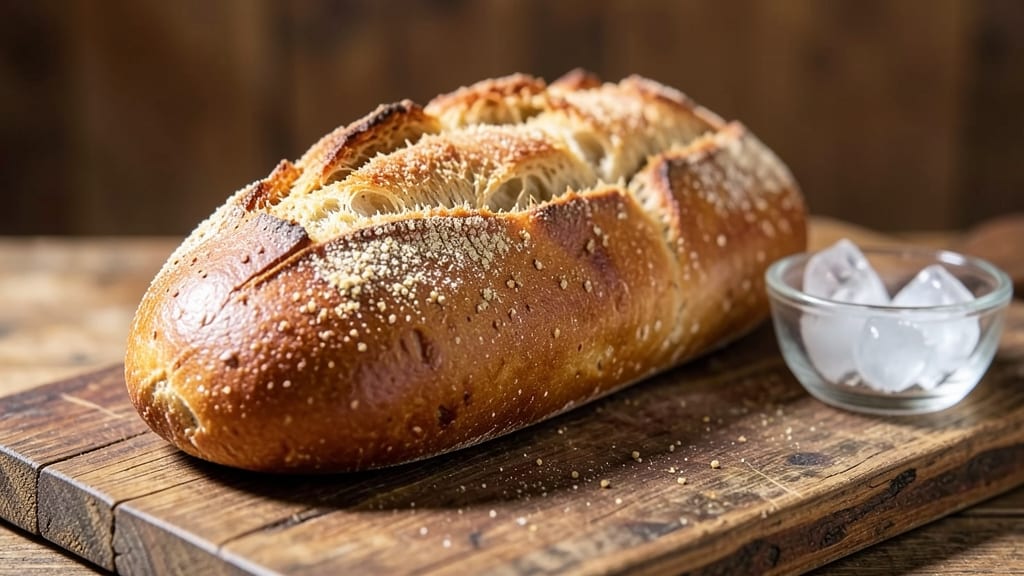
This all grain bread recipe delivers restaurant-quality crust and crumb without requiring a sourdough starter or days of waiting. The secret lies in precise ingredient ratios—high-protein bread flour for structure, vital wheat gluten for chew, and a 4-hour bulk fermentation that develops flavor without overproofing.
I’ve baked hundreds of loaves, and this method consistently produces an open crumb with a crackly crust that rivals artisanal bakeries.
The process is methodical but rewarding: mix dough by hand or mixer, let it rest to relax gluten, then shape into a tight boule or batard.
Baking requires a steam bath (ice cube tray + hot water) for that signature oven spring, followed by a precise temperature curve—450°F for 20 minutes, then 425°F for 25 minutes—to ensure even browning. No Dutch oven? No problem; we’ll adapt with household tools.
What you’ll end up with is a loaf that’s crusty enough to shatter but tender enough to hold jam without crumbling. The flavor is deep, nutty, and slightly sweet from the malted barley flour, with a chewy interior that’s perfect for sandwiches or toast.
Best of all, this recipe scales—double the dough for a family loaf or halve it for a quick dinner roll.
Ready to bake? We’ll cover every step—from mixing to cooling—so you can achieve professional results in your home oven. The key is patience and attention to detail, but the payoff is worth it. Let’s get started.
Ingredients for all grain bread
These precise ingredients transform simple flour into artisan-quality bread without sourdough complexity.
| Ingredient | Amount | Notes |
|---|---|---|
| High-Protein Bread Flour 🌾 | 3 ½ cups | 13% protein for optimal structure |
| Vital Wheat Gluten 🌾 | ½ cup | For chewy texture and elasticity |
| Malted Barley Flour 🌾 | ¼ cup | Sweet, nutty flavor development |
| Instant Yeast 🍞 | 0.02 oz | 2.5 tsp, or 7g |
| Diamond Crystal Kosher Salt 🧂 | 1 ½ tsp | Fine grain preferred |
| Granulated Sugar 🍚 | ¼ tsp | Feeds yeast for fermentation |
| Cold Water 💧 | 2 ¼ cups | Room temp or slightly cooler |
| Extra-Virgin Olive Oil 🫒 | ¼ cup | For dough handling and shine |
| Honey 🍯 | 1 tbsp | Optional for crust browning |
| Ice Cubes ❄️ | 1 cup | For steam bath in oven |
The bread flour is non-negotiable—King Arthur or Bob’s Red Mill are my go-tos for consistent results. Vital wheat gluten, often overlooked, gives that signature chewiness (it’s the secret weapon in professional bakeries). Bob’s Red Mill malted barley flour adds depth, but any malted flour works—just don’t skip it. For yeast, Red Star Instant is the gold standard, but any active dry yeast will work if proofed properly. The kosher salt matters too—Diamond Crystal dissolves perfectly, while table salt can be harsh. Pro tip: measure your flour by weight if possible—cups vary wildly by packing.
No instant yeast? Use active dry yeast at half the amount, dissolved in warm water for 5 minutes first. Short on malted barley? Substitute with an extra 1/4 cup regular flour plus 1 tsp malt extract (like Lyle’s Golden Syrup for authenticity). Olive oil can be swapped for vegetable or canola oil, but it lacks the fruity notes that elevate the final crust. The honey is optional but worth it—brush it on before baking for a glossy, caramelized finish. For the steam bath, any heatproof container works (even a metal bowl), but ice cubes are foolproof for consistent steam.
Store your flour in an airtight container in a cool, dark place for up to 6 months—heat and light degrade quality fast. Yeast keeps in the fridge for 3 months or freezer for 6 months. Once baked, cool your loaf completely on a wire rack—2 hours minimum—to prevent sogginess. The bread stales faster than sandwich bread but freezes beautifully for 3 months. Wrap tightly in plastic, then foil, and thaw at room temp before toasting. Leftovers? Toast them—toasted bread is always better.
Why You'll Love This Recipe
- No-Knead Magic: Mixing the dough takes about 5 minutes—just toss the high-protein flour, malted barley, and gluten together until sticky. The yeast does all the work while you sip coffee or scroll through your phone.
- Crispy-Gold Crust: That malted barley flour? It’s the secret weapon—gives the crust a deep, toasty sweetness while the inside stays soft. Honestly, it’s the kind of bread that makes you pause mid-bite just to admire it.
- Weeknight Workhorse: Slice it for sandwiches, toast it for breakfast, or freeze slices for quick toast later. I keep a loaf in the fridge all week—it’s my go-to for lunchboxes, charcuterie boards, or just buttered slices when I’m too tired to cook.
- Budget Baking Wins: Vital wheat gluten stretches your flour dollar, and the barley flour adds complexity without costing a fortune. Plus, a single batch feeds my family for days—no sad, stale bread here.
Step-by-step instructions for all grain bread
Here's how to craft a loaf with professional bakery texture—no sourdough starter or lengthy fermentation required.
Mix the Dough with Precision
In a large mixing bowl, combine the 3.5 cups High-Protein Bread Flour, 0.5 cup Vital Wheat Gluten, and 0.25 cup Malted Barley Flour. Whisk these dry ingredients together until fully integrated—this ensures even gluten development throughout the dough. Create a well in the center and add the 0.015 oz Instant Yeast, 1.5 tsp Diamond Crystal Kosher Salt, and 0.25 tsp Granulated Sugar. Stir gently to distribute the yeast evenly without activating it prematurely.
Next, add the 2.25 cups Cold Water and 0.25 cup Extra-Virgin Olive Oil to the dry ingredients. Using a wooden spoon or dough whisk, gradually incorporate the liquids while stirring from the center outward. You're aiming for a shaggy, sticky dough at this stage—this is normal given the high hydration level. The malted barley flour will contribute a subtle sweetness that enhances the bread's complexity without overpowering the wheat base.
Develop the Dough Through Kneading
Transfer the dough to a clean, lightly oiled work surface and begin kneading for 8-10 minutes. I like to use a combination of the "fold and press" method and gentle stretching to build gluten without overworking the dough. You'll know you've achieved proper development when the dough becomes smooth, elastic, and springs back slowly when poked with a finger. The vital wheat gluten will contribute significantly to this elasticity, giving your bread that signature chew.
If the dough feels too sticky during kneading, wet your hands slightly and continue working—adding extra water now will disrupt the hydration balance. Once the dough passes the windowpane test (when stretched thin, it holds its shape without tearing), shape it into a round ball. Place the dough back in the mixing bowl, lightly oil the surface, cover with a damp towel, and let it rest for 30 minutes at room temperature. This short rest period relaxes the gluten strands, making the next shaping step easier.
Shape and Prepare for Proofing
After the rest period, gently deflate the dough by pressing down with your knuckles. Shape it into a boule (round loaf) by pulling the sides toward the center and tucking them underneath. The malted barley flour's sweetness will become more pronounced during proofing, adding depth to the final flavor profile. Place the shaped dough seam-side down in a lightly oiled proofing basket or bowl, cover again with the damp towel, and allow it to proof for 1.5-2 hours until it has nearly doubled in size.
To test for proper proofing, perform the "poke test": gently press your finger into the dough. If it springs back slowly (taking about 1-2 seconds to return), it's ready. If it springs back immediately, it needs more time. The instant yeast will work quickly here, so keep an eye on the dough during the final 30 minutes of proofing to avoid overproofing, which can lead to a dense crumb structure.
Create Steam and Bake to Perfection
Preheat your oven to 425°F with a baking stone or inverted baking sheet on the middle rack. Place the 1 cup Ice Cubes in a small heatproof bowl and position it on the bottom oven rack—this creates the crucial steam bath that develops that coveted crust. Once the oven reaches temperature, carefully transfer the proofed dough onto a piece of parchment paper.
Using a sharp razor blade or very sharp knife, score the dough in a ½-inch crosshatch pattern—this prevents excessive expansion during baking and creates those beautiful artisan-style slashes. Slide the parchment with the scored dough onto the preheated baking stone and immediately close the oven door. Bake for 30-35 minutes until the crust is deep golden brown and sounds hollow when tapped on the bottom. The honey you added earlier will caramelize slightly during baking, contributing to the bread's rich color and subtle sweetness.
Cool and Enjoy Your Artisan Loaf
Remove the bread from the oven and transfer it to a wire cooling rack. Let it cool completely for at least 1 hour before slicing—this allows the internal structure to set properly and prevents a gummy crumb. The vital wheat gluten's contribution will be most apparent now, giving your bread that satisfying chew that distinguishes it from standard white bread varieties.
Once cooled, slice and serve your bread with your favorite toppings. The malted barley flour's nutty notes will complement both sweet and savory pairings beautifully. Store any leftovers in an airtight container at room temperature for up to 3 days, or freeze for longer storage. This method consistently yields a loaf with a crisp crust, open crumb structure, and flavor complexity that rivals traditional artisan bread—without the lengthy fermentation process.
Pro Tips For Making All Grain Bread
- Mix Gluten First: Toss the vital wheat gluten and high-protein bread flour together before adding water—this creates a smoother dough from the start. I used to add it all at once, and the gluten would clump like wet sand; now it blends in like butter.
- Hydrate Malted Barley: Sprinkle the malted barley flour directly into the water when mixing—it dissolves faster and prevents that gummy, undissolved grit in your final dough. (Yes, even if it looks like you’re making a science experiment.)
- Skip the Over-Knead: High-protein flour fights back, so resist the urge to knead until your arm gives out. Aim for 5–7 minutes by hand or until the dough springs back just enough to leave a faint imprint—overworking it gums up the gluten and kills the lightness.
- Salt the Dough, Not the Water: Toss the kosher salt into the dry ingredients before mixing—it distributes evenly and prevents that one salty pocket that ruins a bite. (I learned this after biting into a bread that tasted like it had a secret stash of salt.)
Perfect pairings for these flavors
Sweet Spreads
This artisan loaf pairs beautifully with honey butter—mix ½ cup softened butter with ¼ cup local honey and a pinch of Diamond Crystal salt. The malted barley flour’s nutty notes enhance the caramelized sweetness.
For a richer option, try fig jam with a hint of balsamic glaze drizzled on warm slices. I often serve it with whipped goat cheese and sliced pear for a breakfast that feels like a gourmet brunch. 🍯
Savory Toppings
For sandwiches, sharp cheddar and smoked turkey create a perfect balance—the crust’s crackly texture holds up to thick spreads. I love adding caramelized onions (sautéed in olive oil with a splash of balsamic vinegar) for depth.
A pesto spread with sun-dried tomatoes and pine nuts elevates it to Italian bistro level. The vital wheat gluten’s chewiness makes it ideal for hearty toppings. 🧀
Breakfast Pairings
Toast thick slices with cinnamon sugar and top with Greek yogurt and blueberries for a nutritious morning treat. The barley malt’s subtle sweetness complements the tartness beautifully. For a savory breakfast, spread with garlic-herb butter and serve with scrambled eggs and avocado.
Pro tip: Brush warm slices with garlic-infused oil before serving—it adds a restaurant-quality finish. ☕
Dinner Pairings
Use this bread as a dipping loaf for olive oil and marinated artichokes—the crust soaks up flavors perfectly. Pair with roasted lamb and tzatziki for a Mediterranean spread, or serve alongside grilled steak with chimichurri.
The open crumb structure makes it ideal for soup dipping, especially with tomato basil or cream of mushroom soups. 🍖
Wine & Beer Pairings
A crisp Sauvignon Blanc (like Kim Crawford Sauvignon Blanc) cuts through the bread’s richness with its citrus notes. For beer lovers, a Belgian Witbier (such as Stella Artois) balances the malted barley’s sweetness with its peppery finish.
Red wine fans should try a Pinot Noir—its earthy tones complement the crust’s caramelized depth. 🍷
Global Variations
For a French twist, brush warm slices with garlic confit oil and sprinkle with flaky sea salt. A Middle Eastern approach uses za’atar and olive oil for a herby, tangy bite.
In Italy, it’s often paired with prosciutto and arugula for a classic antipasto. The malted barley’s versatility makes it adaptable to any cuisine. 🌍
Nutrition facts
Frequently asked questions
Why does this recipe use vital wheat gluten?
The 0.5 cup vital wheat gluten is essential for that signature chewy texture and elasticity. It acts like a natural dough conditioner, giving your bread the professional bakery-style crumb structure that sets it apart from regular bread. Without it, you’ll miss that satisfying bite and open crumb pattern. Think of it as the secret weapon for that artisan-quality feel!
Can I make this bread without a Dutch oven?
Use a baking stone on the middle rack with 1 cup ice cubes in a heatproof bowl on the bottom rack for steam. If you don’t have a stone, an inverted baking sheet works too. The key is maintaining 425°F heat and that steam bath—it’s what creates that crackly crust. No Dutch oven? No problem!
How do I know when the dough is properly proofed?
Perform the "poke test": gently press your finger into the dough. If it springs back slowly (1-2 seconds), it’s ready. If it springs back immediately, it needs more time. For this recipe, proofing takes 1.5-2 hours—keep an eye on it during the final 30 minutes to avoid overproofing, which can make your bread dense.
What’s the best way to store leftover bread?
Let it cool completely, then wrap tightly in plastic followed by foil. Store at room temperature for 3 days or freeze for 3 months. For best texture, thaw at room temperature before toasting. Pro tip: Toast stale slices—they’ll taste fresh again! The malted barley flour helps preserve freshness longer than regular bread.
Can I substitute malted barley flour?
Yes! Use 1/4 cup extra flour plus 1 tsp malt extract (like Lyle’s Golden Syrup) for authentic flavor. Without malted flour, your bread will still bake fine but lack that nutty sweetness. The barley malt is what gives this bread its depth and caramelized crust. For a quick swap, try 1 tsp extra honey in the dough.