
Side Dishes
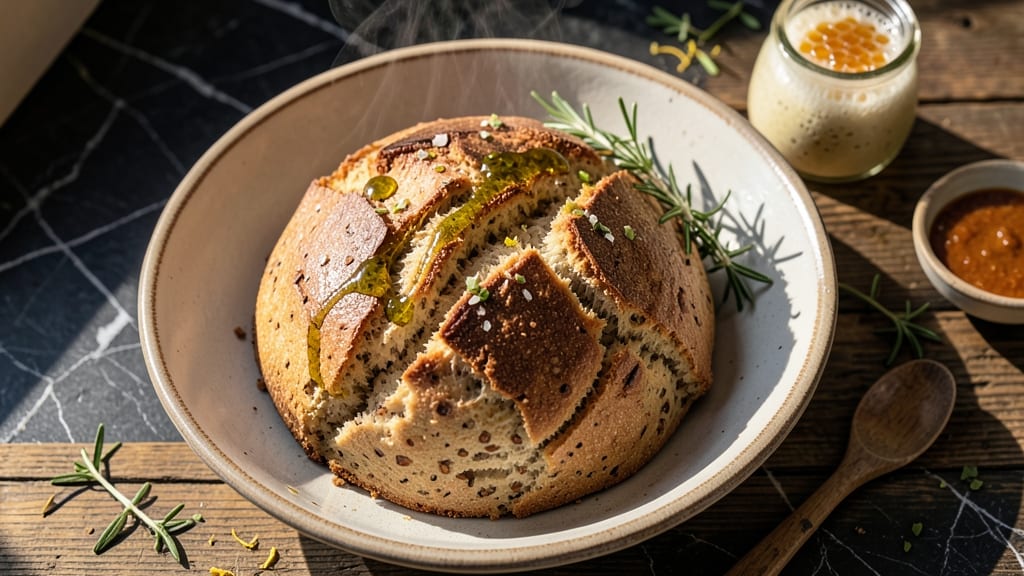
This all-natural bread recipe delivers a wholesome, preservative-free loaf that rivals artisanal bakery quality. The secret lies in a simple whole-grain blend and proper fermentation—no shortcuts, just pure flavor development.
I’ve baked this loaf for years, perfecting the balance between rustic texture and tender crumb, and it’s become a staple in my kitchen for everything from toast to sandwiches.
The process starts with a foolproof dough formula using organic whole wheat flour, honey, and olive oil—no refined sugars or artificial additives. Kneading by hand (or mixer) develops gluten naturally, while overnight cold fermentation enhances flavor depth.
The result? A loaf with a crisp golden crust and an open, airy crumb that’s impossibly light for whole grain.
Baking at 375°F for 40-45 minutes ensures even browning without drying out the interior. The aroma alone—warm, nutty, and slightly sweet—transforms any meal. This isn’t just bread; it’s a nutrient-dense foundation for your table, packed with fiber and natural goodness.
For variations, try adding seeds or herbs to the dough before shaping. The recipe scales perfectly for gift loaves or meal prep. Let’s get started on your first preservative-free, all-natural loaf—your taste buds will thank you.
Ingredients for all natural bread
Whole grains, natural sweeteners, and pure fermentation—this is your all-natural bread starter kit.
| Ingredient | Amount | Notes |
|---|---|---|
| Organic Whole Wheat Flour 🌾 | 4 cups | Lightly spooned, not packed |
| Unbleached All-Purpose Flour 🌾 | 1 cup | For lighter texture |
| Raw Honey 🍯 | ¼ cup | Local preferred for flavor |
| Extra-Virgin Olive Oil 🫒 | ½ cup | High quality, fruity |
| Active Dry Yeast 🍞 | 1 ½ tsp | Freshly opened, not expired |
| Warm Water 💧 | 1 ¼ cups | 110°F for yeast activation |
| Sea Salt 🧂 | 1 ½ tsp | Diamond Crystal preferred |
| Ground Flaxseed 🌰 | 1 tbsp | For added fiber and moisture |
| Sesame Seeds 🌱 | 1 tbsp | Optional for topping |
| Coarse Cornmeal 🌽 | ½ cup | For dusting baking sheet |
| Ice Water ❄️ | ½ cup | For final dough adjustment |
| Poppy Seeds 🌱 | 1 tbsp | Optional for topping |
The flours are the foundation—King Arthur organic whole wheat has the best texture, but any organic brand works. Honey should be raw and local if possible (that Thrive Market variety is perfect). The yeast is non-negotiable—expired yeast means flat bread. For the olive oil, California Avocado Ranch or Bertolli are my go-tos, but any extra-virgin will do. The flaxseed adds fiber and helps bind the dough, so don't skip it. If you're feeling fancy, grab Bob's Red Mill ground flax—it's the gold standard.
No honey? Maple syrup works 1:1, but the flavor won't be identical. Running short on whole wheat flour? Swap in spelt flour at the same amount—it's lighter and easier to digest. The sesame and poppy seeds are totally optional, but they add that artisanal touch. If you're making this ahead, the dough keeps in the fridge for up to 48 hours—just let it come to room temp before shaping. The cornmeal is for dusting—Bob's Red Mill is my preferred brand, but any coarse texture works.
This dough is best made the night before for maximum flavor. Store shaped loaves in a bread box or cotton towel-lined container to maintain moisture. Slice and freeze portions for up to 3 months—toast straight from frozen. For extra crunch, brush warm loaves with melted olive oil before serving. The seeds will keep for 6 months in a cool, dark place, so buy extra if you're hooked on the topping.
Why You'll Love This Recipe
- No-Knead Magic: I swear by this—just mix, let it rise overnight, and bake. That raw honey and olive oil combo makes the dough so silky, even my picky teenage son doesn’t complain about whole wheat.
- Golden Crust Secrets: The caramelized honey crust? Irresistible. It’s got this perfect balance—nutty from the whole wheat, sweet from the honey, and that olive oil richness that makes every bite feel like a little treat.
- Weeknight Wonder: I make a loaf every Sunday, slice it for toast all week, and still have leftovers. Freezes beautifully too—just thaw and toast. Honestly, it’s my secret to effortless breakfast and lunch.
- Budget-Friendly Staple: Organic flour and honey cost more upfront, but this recipe stretches so far. One batch feeds my family for days, and I always have backup for sandwiches or charcuterie boards without breaking the bank.
Step-by-step instructions for all natural whole-grain bread
Here's how to craft a wholesome, preservative-free loaf that rivals artisanal bakery bread.
Activate the Yeast and Mix the Wet Ingredients
In a small bowl, whisk together 1.25 cups warm water (about 110°F) with the 1.5 teaspoons active dry yeast and 0.25 cup raw honey. Let this sit for 5-10 minutes until it becomes frothy and bubbly—this confirms your yeast is alive and ready to work. I always use a thermometer to check the water temperature; if it's too hot, you'll kill the yeast, and if it's too cold, it won't activate properly.
While the yeast works its magic, combine the 0.5 cup extra-virgin olive oil with the 1 tablespoon ground flaxseed in a separate bowl. The flaxseed adds moisture and fiber to your loaf, giving it a denser, more satisfying texture. Whisk these ingredients together until fully emulsified—the oil should look almost creamy, which ensures even distribution throughout the dough later.
Combine Dry Ingredients and Form the Dough
In a large mixing bowl, whisk together the 4 cups organic whole wheat flour and 1 cup unbleached all-purpose flour. Add the 1.5 teaspoons sea salt and mix thoroughly. The whole wheat flour gives this bread its hearty texture and nutty flavor, while the all-purpose flour creates a lighter crumb. I like to use a whisk for this step to avoid developing too much gluten prematurely.
Create a well in the center of your dry ingredients and pour in the yeast mixture and the oil-flaxseed combination. Using a wooden spoon or dough whisk, gradually incorporate the wet ingredients into the dry until a shaggy dough forms. This stage is where the magic begins—the dough should look rough and sticky, but don't be tempted to add more flour yet. The whole wheat flour absorbs moisture differently than white flour, so we'll adjust as we go.
Knead the Dough Until Elastic
Turn the dough out onto a lightly floured surface and knead for 8-10 minutes until smooth and elastic. I press down with the heel of my hand and fold the dough over itself, rotating as I go. You'll know you've reached the right consistency when the dough springs back slowly when poked and feels slightly tacky but not wet. The whole wheat flour makes this dough denser than white flour dough, so it won't be as light and airy.
If the dough feels too dry, add 1 tablespoon of ice water at a time until it reaches the perfect consistency. If it's too sticky, add 1 tablespoon of organic whole wheat flour at a time. The goal is a dough that's pliable but not sticky enough to leave your hands covered in dough. This kneading step develops the gluten structure that gives your bread its chew and rise potential.
First Rise Until Doubled in Size
Lightly oil a large mixing bowl and place the dough inside. Cover with a damp kitchen towel and let it rise in a warm place for 1-2 hours, or until it has doubled in size. I like to place my oven light on for 5 minutes to create a warm environment—this helps the yeast work more efficiently. The dough should look puffy and jiggly when you gently press it; if it springs back slowly, it's ready for shaping.
Here's the thing—whole wheat dough rises differently than white flour dough. It won't be as light and airy, but it should still show noticeable expansion. If your kitchen is cold, give it the extra time it needs. The first rise is crucial for developing flavor and texture, so don't rush this step.
Shape, Proof, and Bake to Perfection
Punch down the risen dough and shape it into a round loaf. I like to create a well in the center and fold the edges toward the middle, then roll it up tightly. Place the shaped loaf seam-side down on a baking sheet dusted with 0.5 cup coarse cornmeal. The cornmeal prevents sticking and adds a lovely crunch to the bottom crust. Let it proof for another 30-45 minutes until it has risen about 50%—it won't double like white bread dough, but it should look noticeably puffier.
Preheat your oven to 375°F with a Dutch oven inside for 30 minutes. This creates steam that gives your bread a beautiful crust. Carefully transfer the dough (still on the baking sheet) into the hot Dutch oven, cover with the lid, and bake for 30 minutes. Then remove the lid and bake for another 15-20 minutes until the bread is deep golden brown and sounds hollow when tapped on the bottom. The internal temperature should reach 190-200°F.
Cool and Top with Seeds
Remove the bread from the oven and let it cool on a wire rack for at least 1 hour. I know it's tempting to slice into that warm, fragrant loaf immediately, but resisting gives you the best texture. The bread will continue to set as it cools, developing that perfect crumb structure.
Before serving, sprinkle the top with 1 tablespoon sesame seeds and 1 tablespoon poppy seeds for added texture and visual appeal. These seeds not only look beautiful but also add a delightful crunch to each bite. Store any leftovers wrapped in a clean kitchen towel to keep them fresh for up to 3 days—this bread tastes even better the next day as the flavors develop further.
Pro Tips For Making All Natural Bread
- Bloom the Yeast First: Skip mixing yeast directly into dry flour—it dies faster. Instead, whisk it with warm (not hot) water and honey for 5-10 minutes until frothy. This guarantees your dough rises properly, especially with whole wheat’s stubbornness.
- Measure Flour Right: Scoop, don’t scoop-and-pack. Whole wheat flour is dense, and over-measuring means a gummy, heavy loaf. Use a kitchen scale if possible, or spoon flour into your bowl and level it—no pressing down.
- Knead Until Smooth: Stop when the dough springs back slowly after poking. Whole wheat dough resists elasticity, so resist the urge to overwork it (beyond 10 minutes by hand). Under-kneaded? It’ll collapse. Over-kneaded? It’ll taste tough.
- Oil the Bowl Well: Coat your dough bowl with olive oil—everywhere, including the top. Whole wheat dough dries out faster, and a dry surface = cracks and uneven rising. Use a pastry brush for even coverage.
Serving suggestions for this recipe
Breakfast Pairings
Start your day with this bread as a toast base—top with avocado mash and a sprinkle of flaky sea salt for a hearty breakfast. I love adding poached eggs and crumbled feta for extra protein.
For something sweet, try almond butter and sliced banana—the nutty flavor of the whole grain complements the creamy spread perfectly. 🌱
Lunch & Sandwiches
This bread holds up beautifully for sandwiches—try a classic BLT with crispy bacon, fresh lettuce, and homemade mayo. For a vegetarian option, layer with hummus, roasted red peppers, and sliced cucumber.
I also make open-faced sandwiches with goat cheese, fig jam, and prosciutto for a gourmet touch. The dense texture prevents sogginess, so it stays fresh all day.
Dinner Sides
Serve warm slices alongside roasted chicken or beef stew to soak up every last bit of sauce. For a vegetarian dinner, pair with mushroom risotto or grilled vegetables.
The bread’s nutty flavor balances rich dishes beautifully. I often toast a slice and rub it with garlic butter for extra flavor when serving with soups or salads.
Dessert Twists
Yes, bread can be dessert! Brush warm slices with melted butter and sprinkle with cinnamon sugar for a quick French toast alternative. Top with fresh berries and whipped cream for a lighter take on dessert bread.
For something indulgent, spread with Nutella and sliced strawberries—the whole grain adds a satisfying texture that white bread can’t match. 🍓
Meal Prep Uses
Slice the bread and toast it ahead for easy grab-and-go meals. Pack it with turkey slices, cheese, and spinach for a protein-packed lunch. For a sweet option, spread with peanut butter and roll up with apple slices inside.
Store pre-sliced bread in an airtight container with a paper towel to keep it fresh for 3-4 days in the fridge or up to 3 months in the freezer.
Gift-Worthy Presentation
Wrap a loaf in burlap tied with twine for a rustic gift. Pair it with local honey or artisanal jam for a thoughtful homemade present. I’ve given these loaves as housewarming gifts and they’re always a hit—they’re beautiful, wholesome, and appreciated by everyone.
For extra flair, sprinkle edible flowers on top before gifting. 💛
Nutrition facts
Frequently asked questions
Can I substitute honey with another sweetener in this recipe?
Yes! For a 1:1 swap, use maple syrup or agave nectar, though the flavor will differ slightly. If you prefer a more neutral taste, try date syrup or even mashed ripe banana (about ¼ cup). Just note that maple syrup may darken the crust a bit, while banana adds natural moisture.
Why does my whole grain dough feel too dense?
Whole grain dough naturally has less gluten development than white flour, so it won't rise as light. The flaxseed and honey help with moisture retention, but if it feels too dry, add 1 tablespoon ice water at a time. For better texture, let the dough rest in the fridge overnight before shaping—this improves gluten structure and flavor.
How do I store this bread to keep it fresh longer?
Wrap the cooled loaf in a clean kitchen towel or place it in a paper bag at room temperature for 2-3 days. For longer storage, slice and freeze portions in an airtight container for up to 3 months. Toast straight from frozen for maximum freshness—no thawing needed!
Can I make this bread without a Dutch oven?
If you don't have a Dutch oven, create steam by placing a baking sheet with boiling water on the lower oven rack while baking. For extra crust crispness, brush the loaf with melted butter after removing the lid. The bread may be slightly less crusty but will still be delicious.
What if my dough doesn't rise at all?
Check your yeast first—it should be fresh and activated properly (frothy in 5-10 minutes). If the kitchen is cold, place the dough in a warm spot (like near the oven with the light on). Whole grain dough rises slower than white flour, so give it 2-3 hours minimum. If it still doesn't rise, your yeast may be dead—start fresh with new yeast.