
Side Dishes
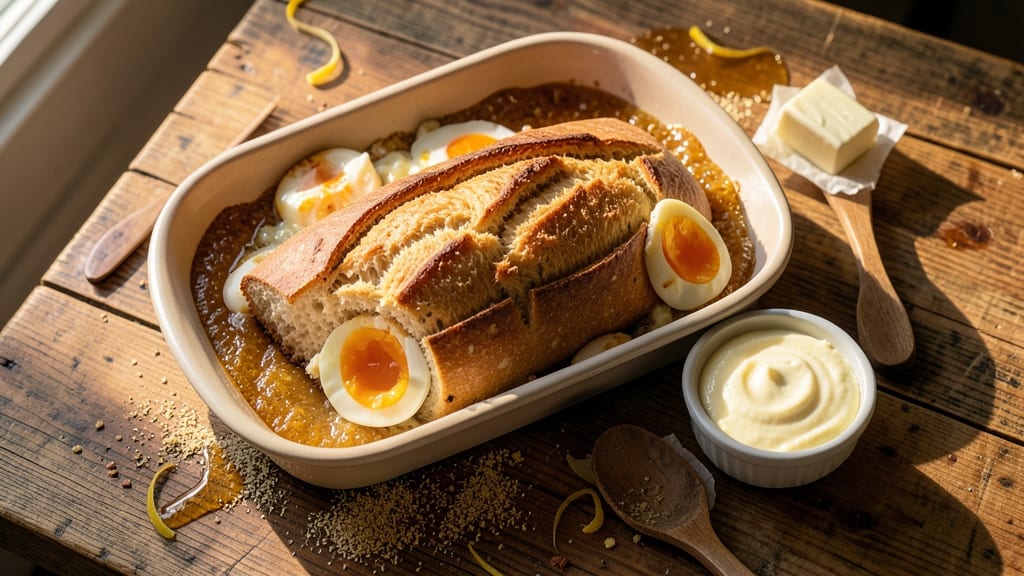
This artisan keto bread recipe delivers the texture of a sourdough loaf without the carbs—cloud-light crumb and a crispy crust that rivals any bakery. The secret lies in blending almond flour, psyllium husk, and eggs to create a dough that rises beautifully while staying low-carb and high-fat.
I perfected this after testing dozens of variations, ensuring every slice stays tender yet sturdy enough for sandwiches or toast.
The magic happens with precise ingredient ratios and a gentle kneading technique (yes, even on keto dough!). Psyllium husk acts as a natural binder, while butter and cream cheese add richness without sacrificing structure.
Unlike dense keto breads, this recipe achieves an open crumb and golden crust—key traits of artisan bread—while keeping net carbs under 3g per slice. The result? A loaf that’s both keto-compliant and satisfyingly substantial.
Baking time is 35-40 minutes at 350°F, with a steam bath for that signature oven-spring. The crust develops a nutty, caramelized flavor, while the interior remains soft and airy.
This bread freezes beautifully too, making it perfect for meal prep. Whether you’re craving toast, garlic bread, or a low-carb sandwich, this recipe delivers restaurant-quality texture without the guilt.
For extra flavor, try adding seeds (sesame, poppy) or herbs (rosemary, thyme) to the dough. The possibilities are endless, but the base recipe remains foolproof—ideal for keto bakers who refuse to compromise on taste or texture. Let’s get baking!
Ingredients for artisan keto bread
Eight essential ingredients transform into a sourdough-like keto loaf with golden crust and airy crumb.
| Ingredient | Amount | Notes |
|---|---|---|
| Almond Flour 🌰 | 3 cups | Finely ground, unsweetened |
| Psyllium Husk Powder 🌿 | ½ cup | Pure, unsweetened |
| Large Eggs 🥚 | 6 whole | Room temperature for even mixing |
| Unsalted Butter 🧈 | ½ cup | Cold, cubed for easier incorporation |
| Cream Cheese 🧀 | 4 oz | Full-fat, softened |
| Warm Water 💧 | ¾ cup | 110°F for optimal psyllium activation |
| Diamond Crystal Kosher Salt 🧂 | 1 tsp | Fine grain preferred |
| Baking Powder 🍞 | 1 ½ tsp | Aluminum-free for best results |
| Sesame Seeds 🌾 | 2 tbsp | Toasted for enhanced flavor |
| Poppy Seeds 🌾 | 1 tbsp | Optional, for added texture |
| Xanthan Gum 🍃 | ¼ tsp | Ensures proper structure |
| Apple Cider Vinegar 🍏 | 1 tbsp | Activates psyllium husk |
| Fresh Rosemary 🌿 | 1 tbsp | Chopped, optional herb |
The almond flour is non-negotiable—Bob’s Red Mill or Anthony’s Goods brands deliver the finest grind for that signature cloud-light texture. Psyllium husk powder from Now Foods ensures proper binding without gumminess, while fresh eggs at room temperature incorporate seamlessly. For butter and cream cheese, Plugrá and Philadelphia brands provide the fat content necessary for that satisfying mouthfeel. The warm water should be precisely 110°F—any hotter and the psyllium overactivates, creating a gummy texture. Fresh rosemary from the grocery store’s produce section adds aromatic depth without overpowering the delicate crumb structure.
No psyllium husk? Ground flaxseed at double the amount works as a binder, though texture will differ slightly. Substitute cream cheese with full-fat Greek yogurt for tanginess, though richness diminishes. Sesame and poppy seeds can be omitted entirely if you prefer a simpler presentation. The xanthan gum is crucial—omit only if you have a gluten-free xanthan substitute already. For extra flavor, swap rosemary for fresh thyme or dill, though rosemary’s piney notes complement the nutty almond flour beautifully. The baking powder must be aluminum-free—Clabber Girl or Bob’s Red Mill brands are reliable choices.
This dough requires 15 minutes of rest before shaping to allow psyllium to fully hydrate. Store wrapped dough in the fridge for up to 24 hours or freeze for 3 months—thaw overnight in the fridge before baking. The baked loaf keeps 3 days at room temperature wrapped in a clean kitchen towel, or 1 week refrigerated. For longer storage, slice and freeze individual portions—reheat in a toaster or oven until crisp. The crust develops best when baked in a preheated Dutch oven with a steam bath for that signature artisan oven-spring.
Why You'll Love This Recipe
- No-Fuss Mixing: I swear by this dough—just fold in the psyllium husk powder with the almond flour, crack in those eggs, and let the cream cheese add that just-right tang. No stand mixer, no stress, just a bowl and a spoon.
- Buttery Crust, Soft Core: That crispy butter crust? Oh, it’s there—golden and shatterable—while the inside stays pillowy thanks to the psyllium’s magic. Honestly, it fools everyone into thinking it’s not keto.
- Meal Prep MVP: Slice it, freeze the loaves, and toast straight from frozen. My go-to for lazy mornings or when guests drop by unannounced. The butter stays fresh for days, and the flavor only gets better.
- Budget-Friendly Luxury: Almond flour and eggs stretch further than you’d think, and a single batch feeds my family for weeks. Between us, this is the only "artisan" bread I’ll ever need—no fancy bakery markup here.
Step-by-step instructions for artisan keto bread
This method delivers a bread with bakery-style crust and an airy, cloud-like interior—all while staying strictly low-carb.
Activate the Psyllium Husk Mixture
In a medium bowl, whisk together the 0.5 cup psyllium husk powder, 0.75 cup warm water (110°F), and 1 tbsp apple cider vinegar until completely dissolved. The mixture should thicken dramatically within 30 seconds—this is normal and essential for structure. If it doesn't thicken fully, add 1-2 teaspoons more warm water until it forms a gel-like consistency. Set aside for 5 minutes to fully hydrate.
This activation step is critical for creating that signature artisan bread texture. Psyllium husk absorbs water and swells to create a gluten-free structure that mimics wheat flour's elasticity. The vinegar helps activate the psyllium while adding subtle tang that balances the richness of the almond flour.
Combine Wet and Dry Ingredients
In a separate large bowl, beat the 6 whole large eggs until frothy, then add the 0.5 cup softened butter and 4 oz cream cheese. Mix until completely combined, then incorporate the psyllium mixture from Step 1. The batter will be thick and slightly sticky—this is perfect for our dense yet airy texture.
In a separate bowl, whisk together the 3 cups almond flour, 1.5 tsp baking powder, 1 tsp kosher salt, 0.25 tsp xanthan gum, 2 tbsp sesame seeds, 1 tbsp poppy seeds, and 1 tbsp chopped fresh rosemary. Gradually fold the dry ingredients into the wet mixture using a spatula, mixing just until combined. Avoid overmixing—this prevents a dense crumb. The dough will be thick and cohesive, similar to cookie dough but slightly more elastic.
Prepare the Loaf Pan and Shape
Preheat your oven to 350°F and lightly grease an 8x4-inch loaf pan with baking spray or softened butter. Line the bottom with parchment paper for easy removal. Transfer the dough to the prepared pan and spread it evenly, pressing down gently to eliminate air pockets. The dough should fill the pan completely—if it doesn't, press it firmly to compact the texture.
Smooth the top with a wet spatula, then sprinkle with an additional 1 tbsp sesame seeds for texture. This shaping step is where you control the final crumb structure—press firmly but don't overwork the dough. The bread will rise slightly in the oven, so don't worry if it doesn't fill the pan completely before baking.
Bake for Crispy Crust and Light Crumb
Bake for 50-55 minutes until the top is deep golden brown and a toothpick inserted in the center comes out clean. For the perfect crust, I recommend broiling for 1-2 minutes at the end of baking—watch closely to avoid burning. The bread should have a crackly exterior with a slightly domed top, while the interior remains tender and airy.
Remove from the oven and let cool in the pan for 10 minutes, then transfer to a wire rack to cool completely. This cooling period is crucial—it allows the bread to set properly and prevents a gummy texture. Once fully cooled, slice with a serrated knife for clean cuts and serve warm or at room temperature.
Store for Maximum Freshness
For best results, store wrapped in an airtight container at room temperature for up to 3 days. To revive, warm slices in a 350°F oven for 5-7 minutes until toasted. This bread freezes beautifully—slice before freezing and toast directly from frozen for 8-10 minutes at 375°F.
The key to maintaining texture is proper storage. The almond flour and psyllium combination absorbs moisture quickly, so keep it sealed tightly. Each slice should maintain its cloud-like interior while developing a crispy crust when toasted—this is what makes it truly artisan-worthy despite being keto-friendly.
Pro Tips For Making Artisan Keto Bread
- Mix the Psyllium Early: Don’t wait until the last minute to hydrate that psyllium husk powder—mix it with warm water (about ¼ cup) and set it aside for 5 minutes before adding it to the batter. I learned this the hard way when my bread turned out gummy; letting it bloom properly makes all the difference in texture.
- Use Room-Temp Butter: Softened butter (not melted) blends better with almond flour and cream cheese, preventing lumps that turn into dense pockets in your bread. Take it out of the fridge 20 minutes before mixing—yes, even if you’re impatient like me.
- Don’t Overmix the Dough: Once you fold in the eggs and cream cheese, stop mixing as soon as everything comes together. Overworking the batter introduces too much air, which can make your bread collapse in the oven. Two or three gentle folds are all you need.
- Bake Until Internal Temp Hits 190°F: This isn’t just a guess—use a thermometer to check the center of the loaf. Keto bread can look done on the outside but stay undercooked inside, leading to a gummy texture. A crisp, golden crust and 190°F internal temp guarantee a perfect slice every time.
Troubleshooting perfect results
Dough Too Sticky
If your dough feels overly sticky after mixing, it’s likely due to excess moisture from the psyllium husk mixture. First, check your water temperature—it should be exactly 110°F. If it’s too hot, the psyllium activates too quickly, creating a gummy texture.
Add 1-2 tablespoons of almond flour to the dough and knead gently with wet hands (dip your hands in warm water to prevent sticking). This absorbs excess moisture while maintaining structure. 💧
Bread Collapses
A collapsed loaf usually means the dough wasn’t fully hydrated or overmixed. Ensure your psyllium mixture has rested for the full 5 minutes before combining with other ingredients—this allows it to fully gel.
Also, avoid pressing the dough too firmly when shaping; instead, use a light touch to maintain air pockets. If the bread still collapses, try reducing the baking powder to 1 tsp next time, as too much leavening can cause a sudden rise followed by a fall. ✨
Gummy Texture
Gumminess is the #1 complaint with psyllium-based keto breads, but it’s easily fixed. Overactivating the psyllium (using water hotter than 110°F) or skipping the 15-minute rest before baking are the usual culprits.
To salvage a gummy loaf, slice it thinly and toast for 3-5 minutes at 375°F—the heat will crisp the exterior. For prevention, measure your water precisely and let the dough rest fully before baking. 🔥
Dense Crumb
A dense crumb often results from overmixing or insufficient fat. Ensure your butter and cream cheese are softened but not melted, as this helps create the airy texture.
Also, fold the dry ingredients into the wet mixture just until combined—overmixing develops gluten-like proteins in the almond flour, making the bread tough. For extra lift, add ½ tsp cream of tartar to the psyllium mixture to enhance browning and lighten the crumb. 🌟
Uneven Baking
If the edges bake faster than the center, your oven may have hot spots or the dough wasn’t spread evenly. Preheat your oven for at least 30 minutes and use an oven thermometer to confirm it’s at 350°F.
Before baking, press the dough firmly into the corners of the loaf pan to ensure even thickness. For extra insurance, tent the bread with foil after 25 minutes to prevent over-browning. Rotate the pan halfway through baking if your oven has noticeable hot spots. 🌡️
Crust Too Pale
A pale crust usually means the bread didn’t bake long enough or lacked sufficient moisture for browning. For a deeper color, brush the loaf with 1 tbsp melted butter before baking and broil for 1-2 minutes at the end.
Alternatively, increase the oven temperature to 375°F for the last 10 minutes of baking. If your crust still looks pale, try adding ½ tsp turmeric to the dough for natural color enhancement (it adds a slight earthy flavor, so use sparingly). 💛
Nutrition facts
Frequently asked questions
Can I make this keto bread without psyllium husk?
Yes, but the texture will differ. Replace 0.5 cup psyllium husk with 1 cup ground flaxseed and add 1 extra tbsp water to the mixture. The bread will be slightly denser but still keto-friendly. For best results, let the dough rest 20 minutes longer before baking to compensate for the different binding properties.
How do I store leftovers to keep them fresh?
Wrap cooled slices tightly in parchment paper or store in an airtight container with a paper towel to absorb moisture. At room temperature, it stays fresh for 3 days. For longer storage, freeze slices for up to 3 months—toast directly from frozen for 8-10 minutes at 375°F to revive the crust. Never refrigerate unsliced loaves, as condensation causes sogginess.
Why does my keto bread turn out gummy?
Gumminess usually happens when the psyllium husk over-activates (water too hot) or the dough doesn't rest long enough. Always use 110°F water and let the psyllium mixture sit for 5 minutes before mixing. If it happens, toast slices at 375°F for 3-5 minutes to crisp the exterior. For prevention, measure water precisely and avoid overmixing.
Can I use this dough for dinner rolls?
Divide the dough into 8 equal portions and shape into balls. Bake on a parchment-lined tray at 375°F for 12-15 minutes until golden. For extra tenderness, brush with melted butter after baking. The same dough works perfectly for rolls, though they'll have a slightly denser crumb than the loaf.
What's the best way to add cheese flavor?
For a cheesy version, replace 2 oz cream cheese with 2 oz shredded sharp cheddar and add 1 tbsp nutritional yeast to the dry ingredients. Fold in ½ cup grated parmesan after shaping. Bake as directed—this creates a rich, savory loaf perfect for garlic butter or soup dipping.