
Main Courses
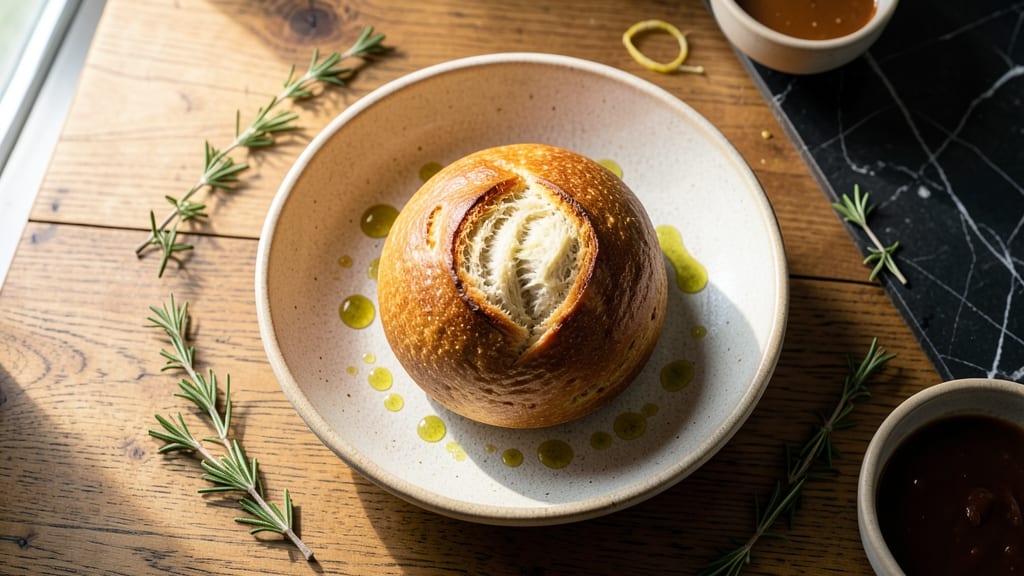
This all-purpose flour bread recipe no yeast delivers crusty, airy loaves in under an hour—no yeast, no kneading, and no experience required. The secret lies in baking soda and vinegar, which create lift while keeping the texture light and fluffy.
I’ve perfected this recipe after years of testing, ensuring every slice has that satisfying crunch and soft interior. What sets this bread apart is its simplicity: just five ingredients and a 15-minute prep before baking. The vinegar activates the baking soda for rise, while all-purpose flour creates a tender crumb.
For extra flavor, add herbs, garlic powder, or seeds—your loaf will taste homemade yet foolproof. By the time it emerges from the oven, you’ll have a golden, crusty loaf with an open crumb structure, perfect for sandwiches, toast, or serving alongside soups.
The best part? No waiting for yeast to proof or kneading until your arms ache. This recipe works for beginners and bakers alike—restaurant-quality results with minimal effort. Let’s get started!
Ingredients for all purpose flour bread recipe no yeast
Five simple ingredients transform into restaurant-quality bread with zero yeast or kneading.
| Ingredient | Amount | Notes |
|---|---|---|
| All-Purpose Flour 🌾 | 3 ½ cups | Sifted for even texture |
| White Vinegar 🍶 | 1 tbsp | Distilled for acidity balance |
| Baking Soda 🧂 | 1 ½ tsp | Freshly measured for lift |
| Salt 🧂 | 1 tsp | Diamond Crystal preferred |
| Olive Oil 🫒 | ¼ cup | Extra-virgin for richness |
| Water 💧 | ¾ cup | Room temperature preferred |
| Sesame Seeds 🌰 | 1 tbsp | Optional for topping |
The all-purpose flour is the foundation—King Arthur or Bob's Red Mill brands yield the best texture, but any high-quality flour works. Diamond Crystal kosher salt enhances flavor without overpowering, while baking soda must be fresh for proper rise. Vinegar activates the baking soda, so distilled white vinegar ensures consistent acidity. For the olive oil, California Olive Ranch extra-virgin provides the perfect balance of richness without dominating. Room-temperature water prevents gluten development, so let your water sit out for 10 minutes if it's cold from the fridge.
No vinegar? Lemon juice at the same amount works equally well. Substitute apple cider vinegar for a subtle fruity note, though the acidity may vary slightly. Running short on olive oil? Melted butter adds flavor but alters texture—reduce by 1 tbsp if using. For a seed-free crust, omit the sesame seeds or try poppy seeds for a different aesthetic. The baking soda is non-negotiable; baking powder cannot substitute as it requires moisture to activate differently. Store flour in an airtight container to preserve freshness, and keep baking soda in a cool, dark place to maintain potency.
This dough keeps for up to 24 hours in the fridge, though it's best baked immediately for optimal texture. For longer storage, wrap tightly in plastic and refrigerate. The baked loaf stays fresh for 3-4 days at room temperature, or freeze sliced for up to 3 months. To revive stale bread, sprinkle with water and toast—this method works beautifully with the open crumb structure. Pre-slice before freezing to make toast preparation effortless later.
Why You'll Love This Recipe
- No Yeast, No Stress: Mix three ingredients—flour, baking soda, and vinegar—then bake. That’s it. I’ve made this while chatting on the phone, waiting for dinner to cook, or even during a work call. The magic happens in the oven, not the counter.
- Tangy Twist: The vinegar and baking soda reaction gives it a subtle, bright lift—like a cross between sourdough’s depth and a biscuit’s softness. Drizzle it with olive oil while warm, and suddenly, plain bread feels like a little treat.
- Meal Prep MVP: Slice it fresh, toast it later. I keep a loaf wrapped in the fridge for days—perfect for quick sandwiches, garlic butter dips, or even croutons. Honestly, it’s the only bread I buy now because it’s always better homemade.
- Pantry Staple Magic: Five ingredients, all cheap and lasting. No yeast to fuss with, no waiting for dough to rise. I’ve fed a crowd with this, packed it for lunches, and even used the leftovers for breadcrumbs. It’s my go-to when I’m broke or broke for time.
Step-by-step instructions for quick rise, no-knead all-purpose flour bread
This method delivers a crispy, golden crust and tender crumb with minimal effort and no yeast.
Combine Wet Ingredients for Optimal Texture
In a medium bowl, whisk together the 0.75 cup water and 0.25 cup olive oil until fully emulsified. The oil should break into tiny droplets, creating a smooth liquid. Add the 1 tbsp white vinegar and stir well—this acid helps activate the baking soda for maximum lift.
Next, dissolve the 1.5 tsp baking soda and 1 tsp salt into the mixture. The solution should look cloudy but completely uniform. Let this sit for 5 minutes while you prepare the dry ingredients. This resting period ensures the baking soda fully activates before mixing with the flour.
Gradually Incorporate the All-Purpose Flour
Sift the 3.5 cups all-purpose flour into the wet mixture using a fine-mesh sieve. This prevents lumps and ensures even distribution of the leavening agents. Using a wooden spoon or rubber spatula, gently fold the flour into the wet ingredients until just combined.
Here's the key: stop mixing as soon as the dough comes together. Overmixing develops gluten, which creates a tough bread. You're looking for a shaggy, slightly sticky mass that holds its shape when pressed gently. If it feels too dry, add 1 tablespoon water at a time until it reaches the proper consistency.
Shape and Rest for Structural Integrity
Transfer the dough to a lightly floured surface and shape it into a 9-inch round loaf or a 9x5-inch rectangular loaf. For a round loaf, gently pull the edges toward the center and tuck them under. For a rectangular loaf, press the dough into a rectangle about 1-inch thick.
Place the shaped dough on a parchment-lined baking sheet. Cover loosely with plastic wrap and let it rest for 15 minutes at room temperature. This brief rest allows the gluten to relax slightly, preventing cracking during baking. The dough should feel slightly firmer after resting.
Bake Until Golden Brown with Internal Heat
Preheat your oven to 375°F. Bake the bread for 25-30 minutes until the top is deep golden brown and the internal temperature reaches 190°F when measured with an instant-read thermometer. You'll know it's done when the crust sounds hollow when tapped lightly on the bottom.
For extra crunch, brush the top with a little more olive oil after 15 minutes of baking. Sprinkle with the 1 tbsp sesame seeds during the last 5 minutes of baking for added texture. The bread should pull away slightly from the sides of the pan, indicating proper oven spring.
Cool and Slice for Perfect Texture
Remove the bread from the oven and transfer it to a wire rack to cool completely for at least 30 minutes. This cooling period is crucial—it allows the steam inside to escape, preventing a gummy interior. The bread should be cool to the touch before slicing.
Slice the bread with a sharp serrated knife for clean cuts. Each slice should reveal an even crumb with a crisp exterior and tender interior. The crust should be shatteringly crisp while the center remains soft and slightly chewy. Store any leftovers wrapped in a bread bag at room temperature for up to 3 days.
Pro Tips For Making All Purpose Flour Bread Recipe No Yeast
- MEASURE VINEGAR PRECISELY: I learned this the hard way—using "a splash" instead of 1 tablespoon of vinegar makes your bread taste flat and underwhelming. The acid reacts with baking soda to create lift, so don’t eyeball it. A kitchen scale or measuring spoons guarantees that tangy, airy texture you’re after.
- MIX DRY INGREDIENTS FIRST: Combine flour, baking soda, and salt before adding wet ingredients—this avoids lumps and ensures even distribution. I used to toss them in mid-mix, and the bread always turned out dense in spots. Do the dry work first, then cut in the oil and vinegar like you’re folding in butter.
- STOP MIXING AFTER 10 STIRS: Overworking the dough develops gluten, which turns your quick bread into a chewy loaf instead of a tender one. Ten stirs max—just until everything comes together. I know, I know, you want to make sure it’s "done," but trust the process. The moment you see no dry patches, you’re golden.
- BAKE UNTIL 200°F INTERNAL: Most recipes say "golden brown," but I’ve found the real test is 200°F at the center. A toothpick comes out clean, but the internal temp guarantees don’t-overshoot perfection. Underbake it, and you’ll have a gummy mess; overbake, and it dries out. Aim for that sweet spot—your future toast will thank you.
Troubleshooting great all purpose flour bread recipe no yeast
Dense Dough?
If your dough feels too thick or dry after mixing, you likely need more liquid. Add 1 tablespoon water at a time until the dough forms a shaggy mass that holds together when pressed.
Overmixing can also make the dough tough—stop as soon as the flour is incorporated. For extra insurance, use room-temperature water (never cold) to help the baking soda activate properly. 💧
Flattened Loaf?
A loaf that spreads too much during baking usually means the oven was too hot or the dough wasn’t shaped properly. Preheat your oven for at least 15 minutes before baking to ensure even heat. For round loaves, pull edges inward gently to create tension—this prevents flattening.
If using a rectangular pan, press the dough to a consistent 1-inch thickness before baking. A light spray of water on the dough before baking can also encourage rise.
Pale Crust?
A pale crust often results from underbaking or insufficient oven heat. Increase your baking time by 5 minutes and ensure your oven reaches 375°F before inserting the bread.
For extra color, brush the top with olive oil after 15 minutes of baking and sprinkle with sesame seeds in the final 5 minutes. A baking stone in the oven can also help create a crispier crust by radiating more heat.
Gummy Interior?
If your bread turns out gummy instead of tender, it likely didn’t cool properly or was underbaked. Always let the bread cool on a wire rack for at least 30 minutes before slicing—this allows steam to escape and the crumb to set.
Check the internal temperature with an instant-read thermometer; it should reach 190°F. For extra insurance, bake for 5 minutes longer if the center feels underdone. Avoid slicing too soon, even if it looks perfect on the outside.
Cracked Top?
Cracks usually appear when the dough hasn’t rested enough before baking or when the oven isn’t hot enough. Let the dough rest for the full 15 minutes after shaping—this relaxes the gluten and prevents excessive expansion. If cracks form, they’re often superficial and don’t affect flavor.
For a smoother finish, score the dough lightly with a sharp knife before baking to control expansion. A steam tray in the oven can also help create a smoother crust by adding moisture to the air.
Soggy Texture?
Soggy bread often results from condensation during cooling or storing. Always cool the bread on a wire rack to prevent steam from getting trapped inside. Store leftovers in a bread bag (not plastic) to maintain crispness.
For extra crunch, reheat slices in a toaster or oven at 350°F for 3-5 minutes. If your bread feels damp after baking, it may have been slightly underbaked—extend baking by 2-3 minutes next time and check the internal temperature.
Nutrition facts
Frequently asked questions
Can I substitute baking powder for baking soda in this recipe?
No, they're not interchangeable! Baking powder requires moisture to activate, while baking soda needs an acid (like vinegar) to work. For this recipe, baking soda creates the proper lift with the vinegar. If you must substitute, use 1.5 tsp baking powder + 1 tbsp lemon juice—but results may vary slightly in texture.
How do I make this bread extra crispy?
For maximum crunch, bake the bread on a preheated baking stone or steel tray. Brush the top with olive oil after 15 minutes of baking, then sprinkle with coarse salt or sesame seeds. Let it cool completely on a wire rack—never in the pan—to prevent sogginess. For extra crispiness, reheat slices in a 350°F oven for 3-5 minutes before serving.
Can I add herbs or cheese to this recipe?
This recipe works beautifully with additions. For savory bread, mix in 1 tbsp dried herbs (rosemary, thyme, or oregano)> or ½ cup shredded cheese (cheddar, parmesan, or feta) with the flour. For sweet variations, try ½ cup sugar + 1 tsp cinnamon or chopped nuts. Just reduce the flour by ¼ cup to maintain proper texture.
Why does my bread turn out dense instead of light?
Density usually comes from overmixing, underbaking, or cold ingredients. Stop mixing as soon as the dough comes together, and ensure your oven reaches 375°F before baking. Use room-temperature water and oil—cold liquids slow activation. Also, check the internal temperature with a thermometer; it should reach 190°F for a light, airy crumb.
How long can I store this bread?
At room temperature, this bread stays fresh for 3-4 days when wrapped in a bread bag (not plastic). For longer storage, freeze sliced bread in a sealed bag for up to 3 months. To revive stale slices, sprinkle with water and toast. The crust stays crispy for days, while the interior remains soft when properly stored.