
Side Dishes
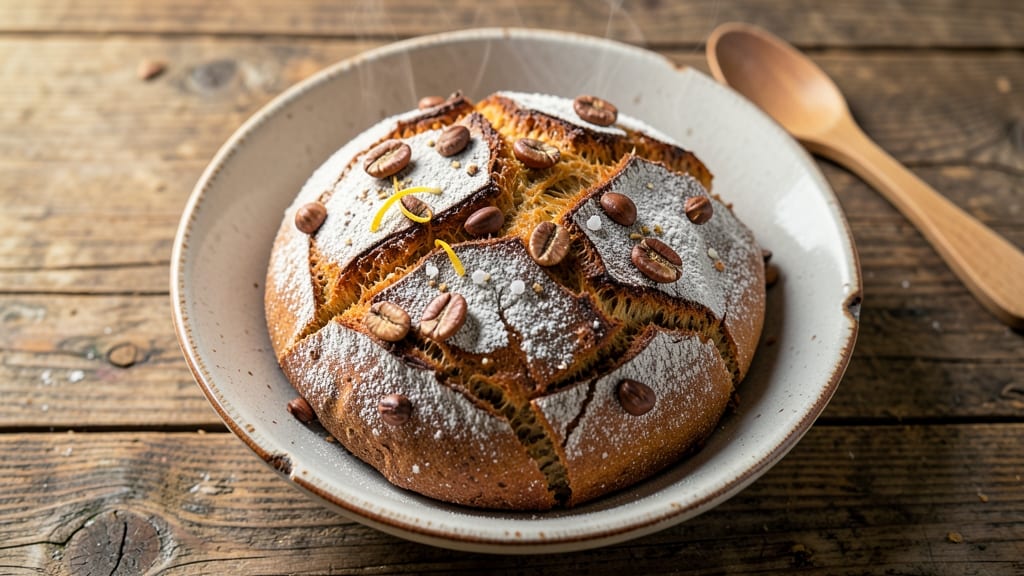
This all-rye sourdough bread recipe delivers the perfect balance of dense, open crumb and crispy crust—all in a single rise. The secret lies in a high hydration formula combined with precise fermentation timing, creating that coveted airy texture without requiring multiple proofs. I've refined this method over years of baking, and it consistently produces bread with a satisfying snap and rich, nutty flavor that rivals artisanal loaves.
What sets this recipe apart is its approachability for beginners. We'll start with a simple sourdough starter from scratch (no prior experience needed), then move to a straightforward mixing process using just five core ingredients.
The dough develops its signature open crumb during bulk fermentation, requiring only one final proof before baking. This method eliminates the guesswork while still delivering professional results.
By the time you pull that golden-brown loaf from your oven, you'll have a bread with a crusty exterior that shatters satisfyingly and an open crumb filled with those characteristic rye bread holes.
The flavor is robust and slightly sweet, with deep malt notes that make every slice worth savoring. Perfect for sandwiches, toast, or simply enjoying with butter.
The beauty of this recipe is its flexibility—adjust hydration levels for your preferred texture, add seeds for extra crunch, or bake with steam for an even darker crust. Let's get started on creating your first perfect all-rye sourdough loaf that will impress even seasoned bakers.
Ingredients for all rye sourdough bread
Five core ingredients transform into artisanal rye sourdough with that signature open crumb and crispy crust.
| Ingredient | Amount | Notes |
|---|---|---|
| Active Sourdough Starter 🍞 | ½ cup | 100% hydration, bubbly and active |
| All-Purpose Flour 🌾 | 2 cups | For structure and texture |
| Dark Rye Flour 🌾 | 2 cups | Pumpernickel for deep flavor |
| Whole Rye Berries 🌾 | ½ cup | Toasted for nutty crunch |
| Granulated Sugar 🍚 | ½ tsp | Feeds yeast for fermentation |
| Kosher Salt 🧂 | 1 ½ tsp | Diamond Crystal preferred |
| Cold Water 💧 | 2 ½ cups | Room temp after mixing |
| Cornmeal 🌽 | ¼ cup | For dusting and scoring |
| Sesame Seeds 🌻 | 1 tbsp | Optional for crust texture |
| Ice Water ❄️ | ¼ cup | For final shaping |
The rye flour is where all the magic happens—King Arthur or Bob's Red Mill are my go-tos for consistent results. Dark rye brings that deep malt flavor, while whole rye berries add texture. Toast them lightly in a dry pan for 5 minutes before adding to intensify their nutty notes. For the starter, if yours isn't ready, King Arthur's sourdough starter is a reliable shortcut. The hydration level here is high (80%) for that open crumb, but if you prefer a denser loaf, reduce water by 0.25 cups.
No dark rye flour? Substitute with whole wheat flour, though the flavor won't be identical. Running short on sesame seeds? Poppy seeds or flaxseeds work beautifully. For the starter, if you're using a pre-made one, make sure it's 100% hydration—thicker starters won't work as well here. The cornmeal is non-negotiable for scoring; fine-ground cornmeal gives the cleanest lines. And if you're baking in a dry climate, add an extra 1 tbsp water to the dough for proper hydration.
This dough is best baked within 12-24 hours of mixing for optimal flavor development. Store the shaped loaf in the fridge, covered, for up to 3 days—it actually tastes better the next day. For longer storage, freeze the baked loaf wrapped in parchment and foil for up to 3 months. Reheat slices in a toaster or oven at 350°F for 5 minutes to restore that fresh-baked crunch.
Why You'll Love This Recipe
- No-Fuss Mix-In: The whole rye berries add a satisfying crunch without extra effort—just toss them in with the flour. Honestly, I forget they’re there until that first bite, and then I’m hooked.
- Deep, Tangy Richness: That dark rye flour and active starter create a flavor so bold it turns simple toast into a morning ritual. Between us, it’s the kind of bread that makes store-bought look like a sad afterthought.
- Weeknight Workhorse: Takes zero planning—make it on Sunday, and you’ve got sandwiches, toast, or French toast for the whole week. My kids even grab it for school lunches (yes, even on a Tuesday).
- Pantry Magic: Uses ingredients you likely already have, plus rye flour lasts forever. I’ve made this with a starter that’s been fed for months, and it never lets me down—budget-friendly and reliable.
Step-by-step instructions for all rye sourdough bread
Here's how to transform bold rye flavors into a loaf with crispy crust and open crumb—no second rise needed.
Mix the Dough with Precision
In a large mixing bowl, combine the 0.5 cup Active Sourdough Starter, 2 cups All-Purpose Flour, 2 cups Dark Rye Flour, 0.5 tsp Granulated Sugar, and 1.5 tsp Kosher Salt. The rye flour will be dense, so use a flexible spatula to break up any clumps in the dry ingredients first.
Gradually add the 2.5 cups Cold Water while stirring continuously. The dough will be shaggy and sticky—this is normal with rye's high hydration. Mix until all dry ingredients are fully incorporated and no pockets of flour remain. The dough should look like thick pancake batter at this stage. Cover the bowl with a damp towel and let it rest for 15 minutes at room temperature. This brief rest helps the gluten relax and makes shaping easier later.
Toast the Rye Berries for Depth
While the dough rests, toast the 0.5 cup Whole Rye Berries in a dry skillet over medium heat for 5-7 minutes, stirring constantly. You're looking for a nutty aroma and light golden color—don't let them burn, or they'll turn bitter. Transfer the toasted berries to a small bowl and let them cool slightly while you finish preparing the dough.
This toasting step develops their natural oils and creates that irresistible crunch you'll find throughout each slice. The berries should be warm but not hot when you mix them into the dough later.
Autolyse and Develop the Dough
After the 15-minute rest, add the toasted whole rye berries to the dough and mix gently with your hands until evenly distributed. The dough will feel even stickier now—this is where the rye's moisture content shines through. Wet your hands with a little water if needed to handle it without sticking.
Let the dough undergo an autolyse (resting period) for 30 minutes. During this time, the flour absorbs water and the gluten begins to relax. This makes the final shaping much easier. Keep the bowl covered with the damp towel throughout this process to prevent the surface from drying out.
Shape and Score for Crusty Perfection
Lightly dust a clean work surface with 0.25 cup Cornmeal. Turn out the dough and gently shape it into a loose round by folding the edges toward the center. The dough will be very sticky—use wet hands to prevent sticking. Transfer the shaped dough to a parchment-lined baking sheet, seam-side up.
Make a deep slash down the center of the dough using a sharp razor or lame. This score helps control the oven spring and creates that beautiful open crumb. If using, sprinkle the 1 tbsp Sesame Seeds evenly over the surface for added texture. Let the dough proof at room temperature for 1-2 hours until it has visibly risen by about 50% and feels slightly springy to the touch when pressed gently.
Bake for Crusty Crunch and Open Crumb
Preheat your oven to 425°F with a Dutch oven inside for 45 minutes. The Dutch oven creates steam, which is crucial for developing that open crumb structure. Remove the Dutch oven and carefully transfer the scored dough inside, placing the baking sheet on the oven rack.
Bake for 30 minutes, then remove the lid and continue baking for another 15-20 minutes until the crust is deep golden brown and sounds hollow when tapped on the bottom. The internal temperature should reach 205-210°F at the center. Let the bread cool on a wire rack for at least 1 hour before slicing—this allows the crumb to set properly and prevents a gummy texture.
Pro Tips For Making All Rye Sourdough Bread
- Toast the Berries: Pop those whole rye berries in a dry skillet over medium heat for 3-4 minutes until they smell nutty and toasted—this deepens their flavor and prevents a bitter aftertaste. I learned this the hard way after making bread where the berries just sat like raw pebbles.
- Hydrate the Rye: Mix dark rye flour separately with water first—it absorbs moisture differently than all-purpose flour and helps prevent a gummy dough. After burning through three batches of dense, sticky loaves, I finally realized this step makes all the difference in texture.
- Skip the Over-Kneading: Rye dough is fragile—handle it just enough to combine, then let the starter’s strength do the work. Overworking it turns the crumb dense and gray, and I’ve ruined more loaves trying to "fix" a stubborn dough.
- Proof in Two Stages: Bulk ferment at 70°F (21°C) for 4-5 hours, then shape and do a final 1-hour proof in the fridge—this tightens the crumb and boosts flavor. I was skeptical until I tried it; the crust stays crisp longer, and the tang develops better.
Storing and reheating this dish
Room Temp Storage
Store your freshly baked all-rye sourdough at room temperature for up to 2 days by wrapping it tightly in a clean kitchen towel or placing it in a paper bag. This method preserves moisture and prevents the crust from drying out too quickly.
I like to store it in a burlap sack for that artisanal bakery feel while keeping it soft. Avoid plastic bags—they trap moisture and make the crust soggy. 🌾
Fridge Preservation
For longer storage, refrigerate your loaf in an airtight container or wrapped in plastic for up to 5 days. The cold temperature actually enhances the rye's nutty flavors. Let it sit at room temperature for 10-15 minutes before slicing to restore some of that fresh-baked texture.
I often make a batch on Sunday to enjoy throughout the week—it's perfect for quick toast or sandwiches.
Freezer Magic
Freezing is ideal for preserving this bread for up to 3 months. Wrap the cooled loaf tightly in plastic wrap followed by a foil layer, then place it in a freezer bag to prevent freezer burn.
For best results, slice the bread before freezing—this way, you can toast individual portions directly from frozen. Thaw slices at room temperature for 1-2 hours or warm in a 350°F oven for 5-7 minutes to restore crispiness. ❄️
Reviving Stale Bread
If your rye sourdough loses its crunch, don't toss it! Revive slices by wrapping them in a damp paper towel and microwaving for 10-15 seconds. For a crispier texture, place slices on a baking sheet and warm in a 375°F oven for 3-5 minutes.
This works especially well for toast—just add a pat of butter and enjoy that fresh-baked flavor again. 🔥
Crust Refresh Tips
To maintain that perfect crust, store your bread with the cut side down in the fridge. Before serving, brush the crust with melted butter and toast briefly in the oven or toaster to restore its crispy texture.
For an extra treat, sprinkle with flaky sea salt after toasting—it enhances the rye's deep flavors beautifully. This trick makes even day-old bread taste like it just came out of the oven. ✨
Nutrition facts
Frequently asked questions
Why does this recipe use both all-purpose and dark rye flour?
The combination creates the perfect balance of texture and flavor. Dark rye flour delivers that signature deep malt taste and dense structure, while all-purpose flour provides the gluten structure needed for proper oven spring. Without the all-purpose flour, the crumb would be too tight and dense.
Can I make this without a Dutch oven?
Yes, but you'll need to create steam another way. Place a metal bowl filled with boiling water on the oven rack below your baking sheet, then bake with the oven door slightly ajar for 10 minutes to trap steam. This helps develop that open crumb, though results may be slightly less dramatic than with a Dutch oven.
What if my starter isn't bubbly enough?
If your starter is sluggish, feed it 1:1:1 (starter:flour:water) ratio 4-6 hours before using. Look for active bubbles at the top and sides—it should double in size within 4-6 hours after feeding. For a quick fix, use 1 tsp active dry yeast along with your starter to ensure proper fermentation.
How do I know when the bread is fully baked?
Your bread is done when the crust is deep golden brown and sounds hollow when tapped on the bottom. The internal temperature should reach 205-210°F at the center. If unsure, let it bake 5-10 minutes longer—rye bread continues to cook slightly after removal from the oven.
Can I add seeds or nuts to this recipe?
Try 1 tbsp flaxseeds, sesame seeds, or sunflower seeds for extra crunch. Mix them into the dough during the final shaping or sprinkle on top before baking. For maximum flavor, toast seeds in a dry pan for 2-3 minutes before adding. Just reduce the sesame seeds to 1 tsp if adding other toppings to avoid overcrowding.