
Main Courses
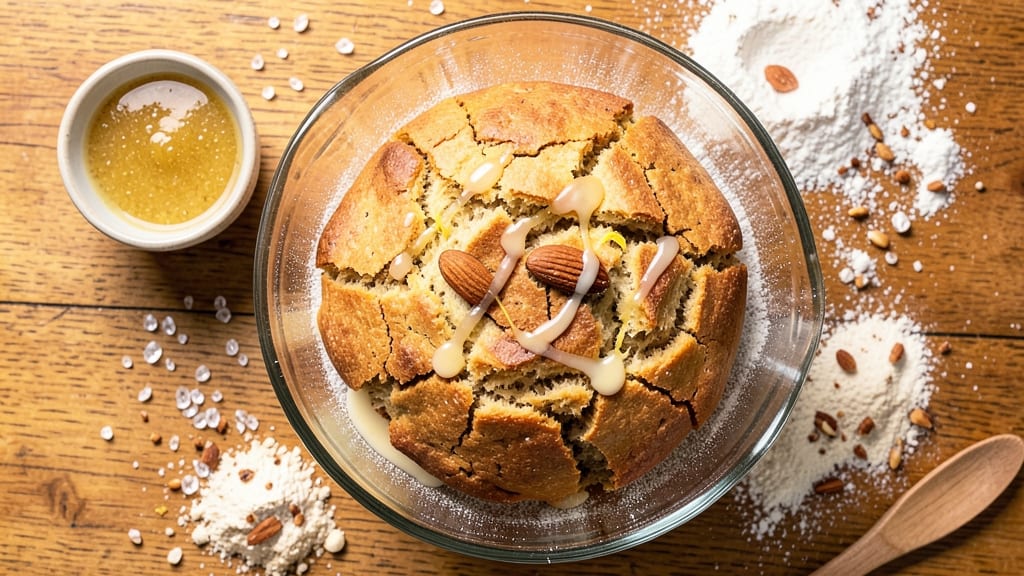
This almond bread recipe using just a microwave delivers restaurant-quality moistness without oven heat or waiting. Perfect for busy mornings or when you need fresh bread in 5 minutes, this single-step method transforms simple ingredients into a tender, nutty loaf with a crispy crust—no fancy equipment required.
The secret lies in precise microwave intervals and moisture control, ensuring every slice stays soft and flavorful.
What sets this recipe apart is its versatility—gluten-free, egg-free (with flaxseed substitution), and packed with the nutty richness of almond flour. Unlike traditional baking, the microwave method preserves moisture while developing a subtle caramelized edge.
The result? A loaf that’s lighter than store-bought but far more satisfying, with a texture that’s tender yet sturdy enough to slice neatly.
Whether you’re prepping for a quick breakfast or craving something fresh without the oven, this recipe is your solution. The process is straightforward: mix, microwave, and serve—no rising, no preheating, no mess.
Each bite delivers a perfect balance of sweetness and nutty depth, making it ideal for toast, sandwiches, or enjoying as-is with butter.
For dietary flexibility, swap eggs for flaxseed or adjust sweetness to taste. The microwave technique ensures consistent results every time, proving that convenience and quality aren’t mutually exclusive. Ready to bake without the oven? Let’s get started.
Ingredients for almond bread recipe microwave
Simple ingredients transform into restaurant-quality almond bread with just a microwave.
| Ingredient | Amount | Notes |
|---|---|---|
| Almond Flour 🥜 | 1 ½ cups | Finely ground, unsweetened |
| All-Purpose Flour 🌾 | ½ cup | For structural balance |
| Granulated Sugar 🍚 | ¼ cup | White or brown preferred |
| Coconut Oil 🥥 | ½ cup | Melted, full-fat preferred |
| Unsweetened Almond Milk 🥛 | ½ cup | Room temperature |
| Ground Flaxseed 🌾 | 2 tbsp | For egg replacement |
| Vanilla Extract 🌿 | 1 tsp | Pure, high-quality |
| Baking Powder 🍞 | ½ tsp | Aluminum-free preferred |
| Salt 🧂 | ¼ tsp | Fine sea salt |
| Apple Cider Vinegar 🍎 | 1 tsp | For flaxseed activation |
| Almond Slices 🥜 | ¼ cup | For topping (optional) |
| Sesame Seeds 🌱 | 1 tbsp | For decorative crust |
The almond flour is non-negotiable here—Bob’s Red Mill or Anthony’s Goods brands ensure fine texture and consistent moisture. For coconut oil, Trader Joe’s or Goya offer reliable quality at affordable prices. Pre-ground flaxseed works fine, but whole seeds ground fresh yield better results. The almond milk should be unsweetened to avoid altering the bread’s delicate sweetness balance. Store almond flour in a cool, dark place to prevent rancidity, and coconut oil in the pantry until needed.
No almond flour? Cashew flour works in a pinch, though texture will differ slightly. Substitute coconut oil with avocado oil or melted butter for a richer flavor profile. For the flaxseed egg replacement, ensure proper activation by mixing with apple cider vinegar and letting it sit for 5 minutes. The almond slices and sesame seeds are optional but add visual appeal and subtle crunch. If using brown sugar, reduce granulated sugar by 1 tbsp to maintain moisture levels.
This bread is best enjoyed fresh but reheats beautifully in the microwave for 10 seconds to restore crispness. Store wrapped in a clean kitchen towel to maintain moisture for up to 3 days at room temperature. For longer storage, freeze slices individually for up to 3 months. The microwave method preserves freshness without the need for preservatives, making it ideal for quick breakfasts or snacking throughout the day.
Why You'll Love This Recipe
- No Mixer Needed: I swear by this—just stir, microwave, and walk away. The almond flour and coconut oil blend so smoothly with almond milk that you don’t even need to knead. Honestly, my blender gets a break for once.
- Buttery Almond Magic: That combo of almond flour and sugar? It’s like a warm hug for your taste buds. The coconut oil keeps it rich without being greasy, and the almond milk adds just enough moisture to stay soft without turning gummy.
- Breakfast or Snack Hero: Serve it toasted with jam for a lazy morning, or pack slices for lunch—it holds up perfectly. I’ve even used it as a base for French toast (yes, really). Works for adults who want something light or kids who’ll devour it in seconds.
- Zero Waste, Max Flavor: Uses pantry staples you already have, and leftovers? They last days wrapped in foil. Between us, I’ve made this twice in a week and never regretted it—cheaper than buying bread, and way more satisfying.
Step-by-step instructions for microwave-baked almond bread
This method delivers oven-quality results with perfect moisture using just your microwave.
Prepare the Flaxseed Egg Substitute
In a small bowl, whisk together the 2 tbsp ground flaxseed and 1 tsp apple cider vinegar. Let this mixture sit for 5 minutes until it thickens into a gel-like consistency—this mimics the binding properties of eggs. The flaxseed will absorb the vinegar and form a translucent, slightly sticky paste that's crucial for holding our bread together without traditional eggs.
While waiting, melt the 0.5 cup coconut oil in a microwave-safe bowl using 30-second intervals on high power, stirring between each interval. You want it completely liquid but not smoking—just warm enough to blend smoothly with the other wet ingredients. This melted oil will create a tender crumb while keeping the bread moist during microwave baking.
Combine Wet and Dry Ingredients
In a large mixing bowl, combine the 1.5 cups almond flour, 0.5 cup all-purpose flour, 0.25 cup granulated sugar, 0.5 tsp baking powder, and 0.25 tsp salt. Whisk these dry ingredients together until evenly distributed—you should see no more than a few small flour streaks remaining. The almond flour gives our bread its signature nutty flavor and moist texture, while the all-purpose flour provides the structural balance needed for proper rise.
In a separate bowl, mix the cooled flaxseed gel, melted coconut oil, 0.5 cup unsweetened almond milk, and 1 tsp vanilla extract until smooth. The almond milk adds moisture while keeping the bread light, and the vanilla extract enhances the natural sweetness of the almond flour. Gradually pour the wet mixture into the dry ingredients while stirring gently with a spatula. Mix just until combined—overmixing can develop gluten and make the bread dense rather than tender.
Prepare the Microwave-Safe Loaf Pan
Lightly grease a 10-inch round microwave-safe loaf pan with coconut oil or line it with parchment paper cut to fit snugly. The paper prevents sticking and makes removal effortless. Pour the batter into the prepared pan and smooth the top with a spatula, creating an even surface. This step is critical for even baking—uneven batter distribution can lead to dry spots or uneven texture.
Sprinkle the 0.25 cup almond slices and 1 tbsp sesame seeds evenly over the batter. Press them lightly into the top—this creates both a decorative crust and an extra layer of flavor contrast. The almond slices will add crunch while the sesame seeds provide a subtle nutty aroma as they toast in the microwave. Cover the pan tightly with microwave-safe plastic wrap, pressing it directly onto the batter's surface to create a seal. This prevents moisture loss during baking, which is essential for maintaining that oven-like moistness.
Microwave Bake in Intervals
Place the covered pan in the microwave and bake on high power for 5 minutes. After this initial interval, remove the bread and carefully check for doneness by inserting a toothpick into the center. If it comes out clean, your bread is ready. If not, return it to the microwave for additional 30-second intervals until the toothpick emerges clean. The microwave's uneven heat distribution means we need to monitor closely—overbaking can dry out the bread, while underbaking leaves it gummy.
During the final minute of baking, remove the plastic wrap to allow steam to escape. This creates a slightly crisp top while keeping the interior moist. The bread should be golden around the edges and spring back gently when pressed with a finger. Immediately transfer the bread to a wire rack to cool completely—this prevents condensation from forming inside and making the bread soggy.
Serve and Store for Maximum Freshness
Once completely cooled, slice the bread into 4 equal portions using a serrated knife. The interior should be moist with a delicate crumb, while the exterior maintains a subtle crispness from the almond slices. Serve warm for the best texture, or store at room temperature in an airtight container for up to 2 days. For longer storage, wrap individual slices in plastic wrap and freeze for up to 1 month.
The microwave method preserves all the natural moisture of almond flour while delivering that satisfying bread texture. The key to success lies in the flaxseed egg substitute and careful monitoring during baking—these steps ensure your microwave-baked almond bread rivals traditional oven-baked versions in both texture and flavor.
Pro Tips For Making Almond Bread Recipe Microwave
- Microwave in 30-Second Bursts: I learned this the hard way—blasting almond bread on high for 2 minutes straight gives you a sad, gummy center. Instead, zap it for 30 seconds, flip it, then repeat until the edges pull away from the microwave-safe dish (usually 2-3 minutes total). The almond flour dries out fast, so short bursts keep it moist without burning.
- Melt Coconut Oil First: Cold coconut oil hardens like butter, and your bread will come out dense and uneven. Melt the oil in the microwave for 20 seconds before mixing—just enough to turn it liquid. Stir it into the wet ingredients while warm, and the almond flour will absorb it smoothly. (Yes, even if you’re impatient like me.)
- Don’t Overmix the Batter: Almond flour is finicky—handle it like you’re folding in a delicate soufflé. Mix just until the dry ingredients disappear. Overworking it turns the batter gummy, and your bread will taste more like almond paste than actual bread. A spatula and 10 gentle stirs are all you need.
- Add a Splash of Almond Milk Last: The batter thickens fast, especially with almond flour. Mix everything except the almond milk first, then thin it with just enough milk to reach a thick pudding consistency. Too much liquid = a soggy mess; too little = a brick. Start with ¼ cup, then adjust.
Storing and reheating this recipe
Room-Temp Storage
Keep your microwave almond bread at room temperature in an airtight container or wrapped tightly in a clean kitchen towel. The towel helps maintain moisture better than plastic—just like a baker's cloth. I store mine on the counter for up to 2 days with perfect freshness.
The almond flour's natural oils stay stable at room temperature, preventing that stale taste you sometimes get with regular bread. 🥖
Fridge Preservation
For longer freshness, slice the bread and store individual portions in a resealable plastic bag with a paper towel to absorb excess moisture. Place it in the fridge where it'll stay fresh for 5-6 days.
Before serving, microwave each slice for 10-15 seconds to restore that perfect toasty texture. The cold slows down the almond flour's oxidation, keeping flavors vibrant longer than traditional bread.
Freezer Magic
Freezing is where this bread truly shines. Wrap individual slices in plastic wrap and place them in a freezer bag with parchment paper between layers to prevent sticking. This method keeps bread fresh for up to 3 months without losing moisture.
When ready to enjoy, simply microwave for 20-30 seconds—no thawing required. The microwave reheats evenly, preserving that tender crumb and nutty flavor.
Reheating Secrets
For the best results, always reheat wrapped in a damp paper towel to restore moisture. Place the slice on a microwave-safe plate, cover with the towel, and heat for 15-20 seconds on medium power.
This method prevents drying out while recreating that just-baked texture. I find this works better than toasting—it maintains the bread's signature moistness while adding warmth. 🔥
Texture Restoration
If your bread feels dry after storage, try this trick: place the slice on a microwave-safe plate, drizzle with 1 tsp almond milk, cover with a damp paper towel, and heat for 10 seconds.
The steam from the towel combined with the milk's moisture brings back that perfect bakery-fresh texture. This works especially well for bread that's been frozen and thawed.
Nutrition facts
Frequently asked questions
Can I make this almond bread without almond flour?
Yes! Substitute with 1.5 cups cashew flour or a mix of 1 cup oat flour + 0.5 cup coconut flour for similar texture. The bread will still be nutty but with a slightly denser crumb. For gluten-free versions, ensure all flours are certified GF. The key is maintaining the 1:3 ratio of nut flour to all-purpose flour to balance moisture and structure.
Why does my microwave bread turn out dry?
This usually happens from overbaking or improper moisture sealing. Always cover tightly with plastic wrap during baking to trap steam, and remove it only in the final minute. For extra moisture, add 1 tbsp unsweetened applesauce to the batter. Microwaves vary—start with 5 minutes and check every 30 seconds after that.
How do I make this vegan?
Replace the flaxseed egg with 3 tbsp ground chia seeds + 1 tsp apple cider vinegar, and swap coconut oil for vegan butter or olive oil. Use almond milk that's fortified with calcium. The texture remains tender, though slightly denser than the original. For extra richness, add 1 tbsp maple syrup to the batter.
Can I use a different pan shape?
Try a square microwave-safe dish for even baking or a small ceramic mug for individual portions. For round pans, use 8-inch diameter and reduce baking time by 1 minute. The key is maintaining a 1-inch depth of batter—too shallow means dry edges, too deep risks undercooking. Always check doneness with a toothpick!
What's the best way to slice this bread?
Let the bread cool completely first—this prevents crumbling. Use a serrated knife and dip it in hot water between slices for clean cuts. For extra crisp edges, toast slices for 10 seconds after slicing. The almond flour makes this bread naturally tender, so gentle handling is key to avoid tearing.