
Main Courses
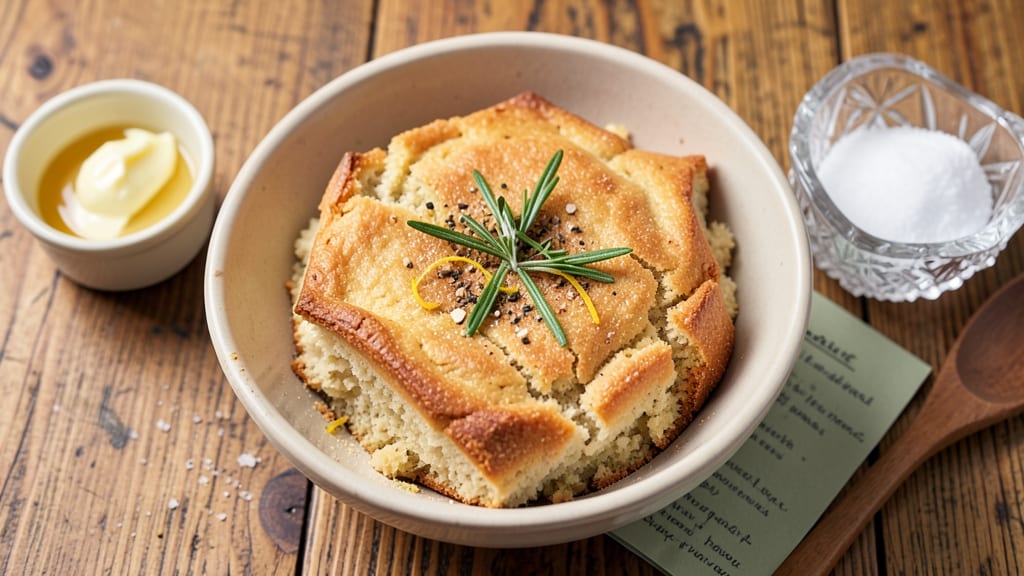
This almond flour bread recipe made in a microwave proves you don’t need an oven for homemade bread—just a few simple ingredients and clever technique. The key is adapting traditional baking methods to microwave cooking, where steam and precise timing create a surprisingly crusty loaf with a tender crumb.
I developed this after years of experimenting with low-carb baking, and it’s become my go-to for quick, gluten-free bread that’s perfect for sandwiches or toast.
The recipe relies on almond flour’s natural binding properties, combined with a steaming method that mimics oven baking. You’ll mix wet and dry ingredients in a microwave-safe loaf pan, then cook in short bursts with occasional steam injections for that signature crust.
While it won’t be identical to oven-baked bread, the texture is surprisingly close—crispy edges with a soft, slightly dense interior that’s ideal for keto or grain-free diets.
What makes this recipe work is the balance of moisture and heat control. Too much power, and your bread will dry out; too little, and it won’t set properly. The secret lies in 3-minute intervals with steam, letting the bread develop structure without burning.
By the time you’re done, you’ll have a loaf that’s warm, fragrant, and ready to slice—all without heating up your kitchen.
This method is perfect for meal preppers, gluten-sensitive eaters, or anyone without an oven. While the texture differs slightly from traditional bread, the flavor and convenience make it a game-changer for quick homemade loaves. Let’s get started!
Ingredients for almond flour bread recipe microwave
Nine essential ingredients transform into a microwave-baked almond flour loaf with crispy edges and tender crumb.
| Ingredient | Amount | Notes |
|---|---|---|
| Almond Flour 🌰 | 2 ½ cups | Fine-ground, blanched almonds preferred |
| Large Eggs 🥚 | 2 whole | Room temperature for even mixing |
| Unsalted Butter 🧈 | ½ cup | Cold, cubed for easier mixing |
| Warm Water 💧 | ½ cup | 110°F for proper hydration |
| Granulated Sugar 🍚 | ¼ cup | White or brown preferred |
| Baking Powder 🍞 | 1 ½ tsp | Aluminum-free for best results |
| Salt 🧂 | ½ tsp | Diamond Crystal preferred |
| Apple Cider Vinegar 🍎 | 1 tbsp | For proper rise activation |
| Xanthan Gum 🧪 | ¼ tsp | Essential for gluten-free binding |
| Psyllium Husk Powder 🌿 | 1 ½ tsp | For improved texture and rise |
| Microwave-Safe Loaf Pan 🍞 | 1 whole | 8x4-inch dimensions ideal |
| Warm Water for Steam 💧 | ¼ cup | For crust development |
Almond flour is the cornerstone here—Bob’s Red Mill or Anthony’s Goods are my go-tos for consistent texture. The finer the grind, the better the crumb. Eggs should be room temperature to emulsify properly with the butter. For the psyllium husk, NOW Foods sells it in bulk, but any organic brand works. The xanthan gum is non-negotiable—it’s what gives this gluten-free bread its structure. If you can’t find it, Bob’s Red Mill sells it in tiny quantities, but it’s worth tracking down.
No xanthan gum? Guaran gum at half the amount works in a pinch, though texture may differ slightly. Substituting almond flour with coconut flour at 1:1 ratio plus extra egg is possible, but the flavor and texture won’t be identical. The apple cider vinegar can be swapped for white vinegar or lemon juice if needed. For the steam water, boiling water in a separate cup poured into the pan during intervals creates the crust. Don’t skip this—it’s what makes the edges crispy. The baking powder must be fresh; if it’s more than six months old, test it in a small batch first.
Almond flour absorbs moisture quickly—mix dry ingredients first, then add wet to avoid clumping. Store leftover bread in an airtight container for up to 3 days at room temperature, or freeze for 3 months in slices. For reheating, wrap slices in a damp paper towel and microwave for 10-15 seconds to restore freshness. The loaf pan can be reused immediately after cooling, but hand-washing is recommended to preserve its non-stick properties.
Why You'll Love This Recipe
- Microwave Magic: The whole thing bakes in 5 minutes—no oven, no waiting, no stress. Just toss almond flour, eggs, and butter into a mug, zap it, and you’ve got warm, pillowy bread while your coffee’s still brewing.
- Butter-Soft Crust: That warm water trick makes it ridiculously tender inside, but the sugar caramelizes just enough to give it a subtle crunch. Honestly, it’s the kind of bread that disappears faster than my willpower on a Sunday morning.
- No-Waste Prep: Use up extra almond flour, stale bread scraps (toss them in), or even leftover butter—this recipe turns pantry flops into something edible. My college apartment survived on this for months.
- Budget-Friendly Luxury: Costs pennies per serving but tastes like a bakery loaf. Between us, this is how I trick myself into eating healthy—sweet, rich, and guilt-free, even when I’m broke.
Step-by-step instructions for almond flour bread
Here's the precise method to create a perfectly textured almond flour loaf using your microwave.
Mix Wet and Dry Ingredients Separately
In a medium bowl, whisk together the 2 whole Large Eggs and 0.25 cup Granulated Sugar until fully combined and slightly thickened. In a separate large bowl, sift the 2.5 cups Almond Flour, 1.5 tsp Baking Powder, 0.5 tsp Salt, 0.25 tsp Xanthan Gum, and 1.5 tsp Psyllium Husk Powder to eliminate any lumps.
This separation ensures even distribution of the dry ingredients and prevents overmixing. I've found that sifting the almond flour is particularly important—it's naturally clumpy and needs to be aerated for proper rise. Keep both mixtures ready as we'll combine them in the next step.
Combine Ingredients and Incorporate Butter
To the dry ingredients, add the egg mixture and gently stir with a silicone spatula until just combined. The batter should be thick but pourable. Add the 0.5 cup Unsalted Butter (cold and cubed) and mix until evenly distributed throughout the batter.
Here's where it gets technical: The butter should remain in small clumps rather than fully melted. This creates pockets of steam during cooking that contribute to the bread's rise. If the butter starts to melt completely, chill the mixture for 5 minutes before proceeding.
Prepare the Loaf Pan and Add Vinegar
Grease the 1 whole Microwave-Safe Loaf Pan thoroughly with cooking spray or a thin layer of butter. Pour the batter into the prepared pan and smooth the top with a spatula. In a small bowl, whisk together the 0.5 cup Warm Water and 1 tbsp Apple Cider Vinegar, then pour this mixture evenly over the batter in the pan.
The vinegar-water mixture serves two critical purposes: it activates the baking powder for proper rise and creates a moist environment that helps develop the bread's crust. Tap the pan gently on the countertop 3-4 times to release any air bubbles that may have formed on the surface.
Microwave with Steam for Optimal Texture
Place the prepared pan in the microwave and pour the 0.25 cup Warm Water for Steam into the microwave turntable below the pan. Set the microwave to high power and cook for 6 minutes. After the initial cooking period, carefully rotate the pan 180 degrees and continue cooking for another 6 minutes.
This two-stage approach ensures even cooking and proper steam circulation. The steam is crucial for developing that desirable crusty exterior while maintaining a tender crumb. Don't peek during cooking—opening the microwave door releases steam and can cause the bread to collapse.
Cool and Test for Doneness
Remove the bread from the microwave and let it cool in the pan for 5 minutes. Then transfer it to a wire rack to cool completely for at least 30 minutes. The internal temperature should reach 200°F when measured with an instant-read thermometer.
To test for doneness, tap the bottom of the loaf—it should sound hollow when fully baked. If it feels slightly soft in the center, return it to the microwave for 1-2 additional minutes. The bread should have a golden crust and a tender, slightly dense crumb typical of almond flour breads. Slice while still warm for the best texture.
Pro Tips For Making Almond Flour Bread Recipe Microwave
- Microwave in Bursts: Hit 30 seconds on, then 10 seconds off—repeat until golden. Almond flour burns fast, and skipping this step leaves you with a sad, gummy brick instead of a crispy loaf. (Yes, even if you’re impatient like me.)
- Whisk Eggs Until Foamy: Don’t just crack and stir—beat those eggs until they’re thick and pale, like a meringue’s shy cousin. That extra air keeps the bread light, not dense. I learned this the hard way after a batch turned out like a hockey puck.
- Melt Butter First: Warm the butter until it’s just liquid, then mix it into the almond flour before adding eggs. Cold butter clumps, and clumps mean uneven texture. Trust me, your bread will thank you.
- Skip the Overmixing: Stir just until the wet ingredients disappear—any more, and you’ll activate the gluten in almond flour, turning your bread into a chewy disaster. Think "combined," not "whipped." (Your future self will thank you.)
Best sauces and condiments for almond flour bread recipe microwave
Herbed Butter Spread
Warm 2 tbsp softened unsalted butter with 1 tsp fresh rosemary, 1 tsp fresh thyme, and a pinch of sea salt. Spread this fragrant blend on freshly sliced almond flour bread—it adds a savory depth that complements the bread’s natural nuttiness.
I like to let it sit for 5 minutes before spreading so the herbs release their oils. 🌿
Sweet Almond Cream
Whisk 2 tbsp almond butter with 1 tbsp powdered sugar and 1 tsp vanilla extract until smooth. Drizzle over toasted slices or use as a filling for sandwiches.
The natural sweetness pairs beautifully with the bread’s subtle richness. For extra decadence, add a pinch of cinnamon or a drop of almond extract. 🥜
Garlic-Herb Olive Oil
Combine 2 tbsp extra-virgin olive oil with 1 minced garlic clove, ½ tsp dried oregano, and ½ tsp lemon zest. Drizzle over slices and toast in the microwave for 10 seconds to infuse the flavors.
This works as a dipping oil or a quick topping for sandwiches. 🧄
Spicy Honey Glaze
Mix 1 tbsp honey with ¼ tsp cayenne pepper and 1 tsp apple cider vinegar. Brush onto warm bread slices for a sweet-spicy contrast. The heat cuts through the bread’s richness while the honey adds a sticky, caramelized finish. Perfect for breakfast or dessert! 🌶️
Cream Cheese & Everything Bagel Seasoning
Spread 2 tbsp cream cheese on toasted slices, then sprinkle with 1 tsp everything bagel seasoning. The tangy cream cheese balances the bread’s nuttiness, while the seasoning adds a savory crunch. I love this combo for a quick, satisfying snack or light lunch. 🧀
Avocado-Lime Mash
Mash ½ ripe avocado with 1 tsp lime juice, ½ tsp salt, and a pinch of chili powder. Spread on toasted bread for a creamy, vibrant topping. The healthy fats in avocado keep the bread moist longer, making it ideal for meal prep. 🥑
Nutrition facts
Frequently asked questions
Why does my microwave almond flour bread turn out dense?
Microwave cooking lacks the even heat distribution of an oven, which can lead to uneven baking. To avoid density, ensure you're using short cooking intervals (3-6 minutes) with steam injections. Also, make sure your almond flour is finely ground and properly sifted—coarse flour won't bind as well. The psyllium husk and xanthan gum are key for structure, so don't skip them!
Can I make this bread without a loaf pan? Yes! Use a microwave-safe ceramic dish or even a greased glass baking dish. For a more rustic shape, try a round microwave-safe plate lined with parchment paper. The cooking time may vary slightly, so start with 5-minute intervals and check for doneness early. Just
How do I store leftovers to keep them fresh?
Wrap slices in plastic wrap or aluminum foil and store in an airtight container at room temperature for up to 3 days. For longer storage, freeze slices individually for up to 3 months. To revive stale bread, wrap a slice in a damp paper towel and microwave for 10-15 seconds—it'll taste almost fresh!
What's the best way to reheat almond flour bread?
For crispy edges, wrap a slice in a damp paper towel and microwave for 10-15 seconds. For a warmer interior, try the oven at 300°F for 5-7 minutes on a wire rack. Avoid toasting directly in the microwave—it can make the bread rubbery. The key is moisture control!
Can I substitute almond flour with another nut flour?
You can try cashew or hazelnut flour in a 1:1 ratio, but the texture and flavor will differ. Almond flour's natural fat content and mild sweetness are ideal for this recipe. If you're avoiding nuts, sunflower seed flour works but may yield a denser result. Always adjust other liquids (like water or butter) based on the flour's moisture content.