
Side Dishes
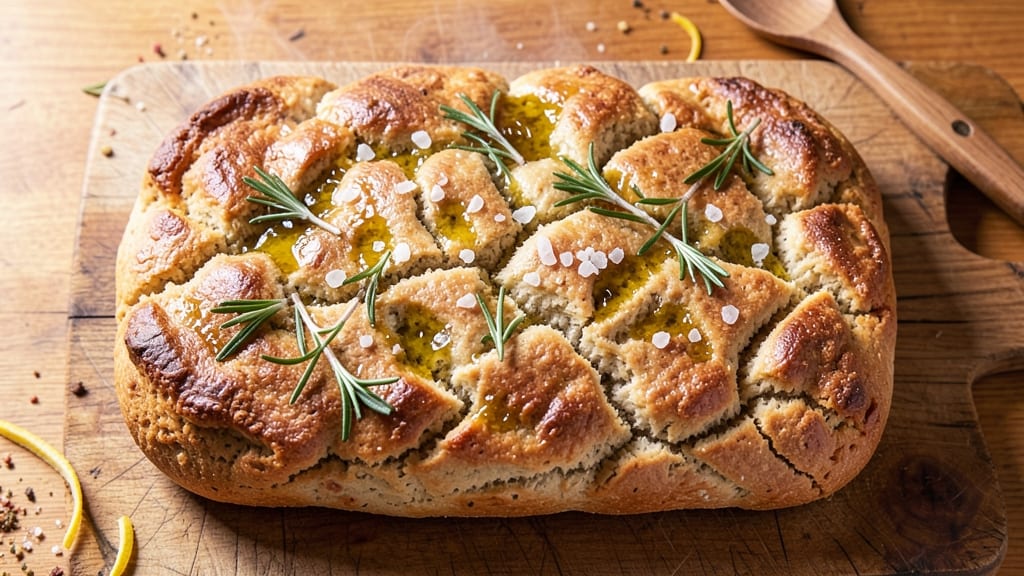
This almond flour focaccia bread recipe delivers all the crispy, golden charm of classic focaccia—without the carbs or gluten. The secret lies in almond flour's unique texture, which creates a tender yet sturdy crumb when combined with proper hydration and yeast activation.
Unlike traditional wheat-based focaccia, this version stays moist longer and offers a subtle nutty depth that pairs beautifully with Mediterranean flavors.
What sets this recipe apart is the no-knead method, which simplifies the process while ensuring an airy, open-top crust. We'll activate the yeast properly, let the dough rest just long enough for flavor development, and bake at high heat to achieve that signature crispy crust you crave.
The result? A low-carb loaf that's perfect for sandwiches, dipping, or simply enjoying warm with olive oil and sea salt.
Almond flour's natural richness means we'll use less oil than traditional recipes, focusing instead on proper dough hydration and oven spring for maximum rise. Top it with rosemary, vegan cheese, or even sun-dried tomatoes for extra flavor—this focaccia adapts beautifully to your favorite ingredients while maintaining its signature texture.
Ready in about 2 hours (including resting time), this recipe transforms a simple pantry staple into a restaurant-worthy side. The key is patience—letting the dough rest fully ensures that crispy crust and tender crumb that makes focaccia irresistible. Let's get started!
Ingredients for almond flour focaccia bread
Almond flour's unique texture meets Mediterranean flavors in this crispy, low-carb focaccia masterpiece.
| Ingredient | Amount | Notes |
|---|---|---|
| Almond Flour 🥜 | 2 ½ cups | Finely ground, blanched preferred |
| Active Dry Yeast 🍞 | 1 tbsp | Instant yeast works too |
| Warm Water 💧 | 1 ½ cups | 110°F for optimal activation |
| Extra-Virgin Olive Oil 🫒 | ½ cup | High quality, fruity variety |
| Fine Sea Salt 🧂 | 1 ½ tsp | Diamond Crystal preferred |
| Granulated Sugar 🍚 | 1 tbsp | Activates yeast quickly |
| Fresh Rosemary 🌿 | ¼ cup | Finely chopped, stems removed |
| Vegan Parmesan Cheese 🧀 | ½ cup | Nutritional yeast blend preferred |
| Sun-Dried Tomatoes 🍅 | ¼ cup | Oil-packed, chopped |
| Flaxseed Meal 🌾 | 1 tbsp | For egg replacement binder |
| Cold Water 💧 | ¼ cup | For flax egg mixture |
Almond flour quality is non-negotiable here—Bob's Red Mill or Anthony's Goods are industry standards for fine grind and consistent texture. The flour should be freshly ground if possible, as pre-ground almond flour loses moisture retention over time. For yeast, Saf-Instant or Red Star brands activate reliably at room temperature, eliminating the need for proofing. Rosemary should be freshly chopped for maximum aroma, though dried will work in a pinch at half the quantity. The vegan Parmesan? Follow Your Heart or Miyoko's brands melt beautifully when baked, though nutritional yeast alone provides a satisfying cheesy depth without melting.
No almond flour? Sunflower seed flour works as a 1:1 substitute, though texture will be slightly denser. Substituting olive oil? Avocado oil maintains neutral flavor, while coconut oil adds subtle sweetness. For yeast activation issues in cold kitchens, pre-warm the water to 110°F—never hotter, or you'll kill the yeast. The flax egg binder is crucial for dough elasticity; mix thoroughly before adding to prevent clumping. Sun-dried tomatoes can be omitted for a simpler version, but their oiliness helps create that signature focaccia moisture. Fresh herbs like thyme or oregano make excellent rosemary substitutes if you prefer different Mediterranean notes.
This dough requires 2 hours of resting time—don't rush it. Store completed focaccia wrapped in parchment paper at room temperature for 2 days, or freeze up to 3 months by slicing and wrapping individually. For reheating, 350°F for 5-10 minutes restores crispiness. The almond flour base stays moist longer than wheat versions, making this perfect for 3-day sandwich prep. To prevent drying, brush warm focaccia with extra olive oil before storing—simple but effective.
Why You'll Love This Recipe
- No Yeast Stress: I’ll be real—this dough comes together in five minutes. Just mix almond flour, yeast, warm water, and olive oil, then let it rise while you make dinner. No kneading, no waiting hours—just a quick proof and bake.
- Crispy Yet Tender: That golden, shatteringly crisp crust with a soft, almost cakey center? It’s all thanks to the almond flour’s fat content and the olive oil bath. Drizzle it with more oil after baking, and you’ve got a bread so good it’ll disappear faster than my willpower on a Sunday morning.
- Meal Prep MVP: Slice it up, freeze it, and toast straight from frozen—no thawing required. Perfect for busy mornings or when you forget to pack lunch. Honestly, I keep a loaf in the freezer just for lazy days. Works with soups, salads, or even as a low-carb sandwich base.
- Budget-Friendly Luxury: Almond flour might sound fancy, but a little goes a long way here. You’re not drowning in ingredients, and the rich, nutty flavor makes it feel like a treat without breaking the bank. Plus, one batch feeds four, so it’s cheaper than buying store-bought bread that’ll wilt by Wednesday.
Step-by-step instructions for almond flour focaccia bread
This no-knead method delivers a crispy-crusted loaf with perfect texture using almond flour's unique properties.
Prepare the Flax Egg and Activate the Yeast
In a small bowl, combine the 1 tablespoon flaxseed meal with the 0.25 cup cold water and stir well. Let it sit for 5 minutes until it thickens into a gel-like consistency—this will replace eggs in our binder. Meanwhile, in a separate bowl, dissolve the 1 tablespoon granulated sugar in the 1.5 cups warm water (should feel like bathwater, around 110°F).
Sprinkle the 1 tablespoon active dry yeast over the sugar water and let it sit for 5-7 minutes until foamy. This activation step ensures your dough rises properly. The warm water should encourage the yeast to work quickly while maintaining control—too hot and it dies, too cool and it sluggishes. You'll see tiny bubbles forming as it gets ready for action.
Mix the Dough and Incorporate Herbs
In a large mixing bowl, combine the 2.5 cups almond flour with the 1.5 teaspoons fine sea salt. Make a well in the center and pour in the yeast mixture along with the 0.5 cup extra-virgin olive oil. Using a wooden spoon, gently fold everything together until just combined—you're looking for a shaggy, sticky dough that comes together but still has some dry spots.
Add the 0.25 cup chopped fresh rosemary and 0.25 cup chopped sun-dried tomatoes, folding them in gently. The rosemary should release its aromatic oils, filling your kitchen with that fresh herbal scent. The sun-dried tomatoes will add bursts of umami flavor throughout the loaf. Once incorporated, let the dough rest for 10 minutes—this allows the almond flour to fully hydrate and the flax egg to set properly.
Shape and Proof the Dough
Lightly grease a 9x5-inch loaf pan with olive oil. Transfer the dough to the prepared pan and spread it evenly using wet hands or a spatula. Press down gently but firmly—you want to create an even surface about ½-inch thick. The almond flour dough will be more delicate than traditional wheat flour, so handle it with care to avoid tearing.
Cover the pan tightly with plastic wrap and let it proof at room temperature for 1-2 hours, or until the dough has visibly risen by about 50% and springs back slowly when gently pressed. The proofing time may vary depending on your kitchen's humidity and temperature—warmer environments will speed this up. You'll know it's ready when the edges look slightly puffy and the dough feels light to the touch.
Bake for a Crispy Crust
Preheat your oven to 375°F with a baking stone or inverted baking sheet on the lower rack. This creates steam during baking, which is crucial for developing that crispy crust we're after. Once preheated, carefully transfer the loaf pan to the oven and bake for 35-40 minutes, until the top is deep golden brown and the internal temperature reaches 205°F when measured with an instant-read thermometer.
For the final 5 minutes, increase the oven temperature to 425°F to intensify the browning. This high-heat finish creates that beautiful caramelized crust while keeping the interior tender. If the top browns too quickly, tent loosely with aluminum foil. The bread should pull away from the sides of the pan easily when done, with a crisp exterior and a soft, slightly chewy interior.
Cool and Serve
Remove the focaccia from the oven and let it cool in the pan for 10 minutes, then transfer to a wire rack. The bread will continue to set as it cools, becoming firmer but maintaining that crispy texture. For the best results, serve it warm or at room temperature—this allows the flavors to fully develop and the textures to shine.
Slice it thickly to showcase the beautiful interior layers and sprinkle with additional vegan parmesan cheese if desired. Each bite should deliver that perfect combination of crispy crust, tender crumb, and aromatic herbs. Store any leftovers in an airtight container for up to 3 days, though it rarely lasts that long in our house!
Pro Tips For Making Almond Flour Focaccia Bread
- STIR THE YEAST IN: Mix the yeast with warm water first, then let it sit for 5 minutes until it foams—this ensures it’s alive and ready to work, not just floating in a sad, sluggish puddle. (Yes, I’ve made focaccia with dead yeast. It’s a crime.)
- WEIGH THE ALMOND FLOUR: Almond flour varies wildly in density—don’t eyeball it. Use a kitchen scale for accuracy, especially if your recipe calls for more than 2 cups. I learned this the hard way when my focaccia turned dense as a brick.
- DIMENSION THE PAN: Grease your baking dish with olive oil, then sprinkle in a thin layer of almond flour before shaping the dough. This keeps the focaccia from sticking and gives the bottom that crisp, golden crust instead of a sad, pale mess.
- PRESS THE DIMENSIONS: After the first rise, press your fingers into the dough in a grid pattern—about ½-inch deep—before adding more oil and toppings. This creates those classic pockets and ensures even browning. (No, your hands don’t need to be perfect; just firm and confident.)
Make-ahead tips for this recipe
Prep Ahead
Mix the dough ingredients up to 24 hours ahead and store in an airtight container in the refrigerator. The cold slows yeast activity, giving you more control over proofing later.
When ready to bake, let the dough sit at room temperature for 30-45 minutes before shaping—this prevents shock to the yeast. I always prep my dough the night before so I can enjoy fresh focaccia for breakfast without morning stress. 💫
Freezer-Friendly
Shape and proof the focaccia as directed, then bake for 30 minutes (instead of the full time) until just set but not fully browned. Cool completely, wrap tightly in parchment paper, then freeze for up to 3 months.
To serve, thaw overnight in the fridge, then reheat at 350°F for 10-15 minutes until crispy again. The almond flour holds moisture beautifully, so you won't get that sad, dry texture common with frozen wheat bread.
Batch Baking
Double the recipe and bake two loaves simultaneously on the middle and lower oven racks. Use two 9x5-inch pans or one 9x9-inch pan for a larger sheet. For even baking, rotate the pans halfway through at the 20-minute mark.
This is perfect for meal prep—slice and store individual portions in quart-sized freezer bags for grab-and-go sandwiches. The focaccia reheats beautifully straight from frozen when toasted in a toaster oven at 375°F for 8 minutes.
Storage Secrets
Keep baked focaccia wrapped in parchment paper at room temperature for 2 days—the almond flour stays fresher longer than wheat-based bread. For extended storage, slice and freeze portions on a tray before bagging to prevent sticking.
When reheating, brush slices with olive oil and warm at 350°F for 5 minutes to restore crispiness. I always save a slice or two to toast with vegan butter for next-day breakfast—it's a game-changer for lazy mornings. ✨
Make-Ahead Toppings
Prep your toppings the day before: chop rosemary, slice sun-dried tomatoes, and measure your vegan parmesan. Store them in separate small containers in the fridge. The herbs stay fresh longer when refrigerated, and the sun-dried tomatoes won't dry out.
For extra flavor, mix 1 tsp dried oregano into the dough ahead of time—it blends perfectly without needing fresh prep. This cuts your active cooking time by 15 minutes while keeping the flavors vibrant. 🌿
Nutrition facts
Frequently asked questions
Why does almond flour focaccia turn out denser than wheat flour versions?
Almond flour's high fat content and lack of gluten create a denser texture compared to wheat. The solution is proper hydration—this recipe uses extra olive oil and a longer proofing time to compensate. For a lighter crumb, try adding 1/4 cup vital wheat gluten to the almond flour (though it won't be fully gluten-free).
Can I make this focaccia without a loaf pan?
Shape the dough into a free-form rectangle on a parchment-lined baking sheet. For that classic focaccia look, dimple the top with your fingers before baking. Use a 9x13-inch pan for a larger sheet. The baking time remains 35-40 minutes, but check for doneness at 30 minutes—it may brown faster without pan sides.
What's the best way to add cheese without making it soggy?
For vegan cheese toppings, use shredded varieties designed for baking (like Miyoko's or Violife). Sprinkle them on after 20 minutes of baking when the top is set but not fully browned. This prevents melting too early. For extra crispiness, broil for 1-2 minutes at the end.
My focaccia didn't rise much—what went wrong?
Cold yeast or improper activation are the most common culprits. Always use warm water (110°F) and let yeast sit until foamy before mixing. If your kitchen is cold, try proofing the dough in a slightly warm oven with the light on. For extra lift, add 1/2 tsp baking powder to the dough—it complements the yeast beautifully.
How can I make this focaccia gluten-free AND nut-free?
Replace almond flour with a 1:1 gluten-free flour blend (like Bob's Red Mill 1:1) and use sunflower seed flour instead of almond flour. For binding, add 1 extra tbsp flaxseed meal. The texture will be denser but still delicious. All other ingredients remain the same—just adjust hydration slightly if needed (add 1 tbsp water if the dough seems dry).