
Side Dishes
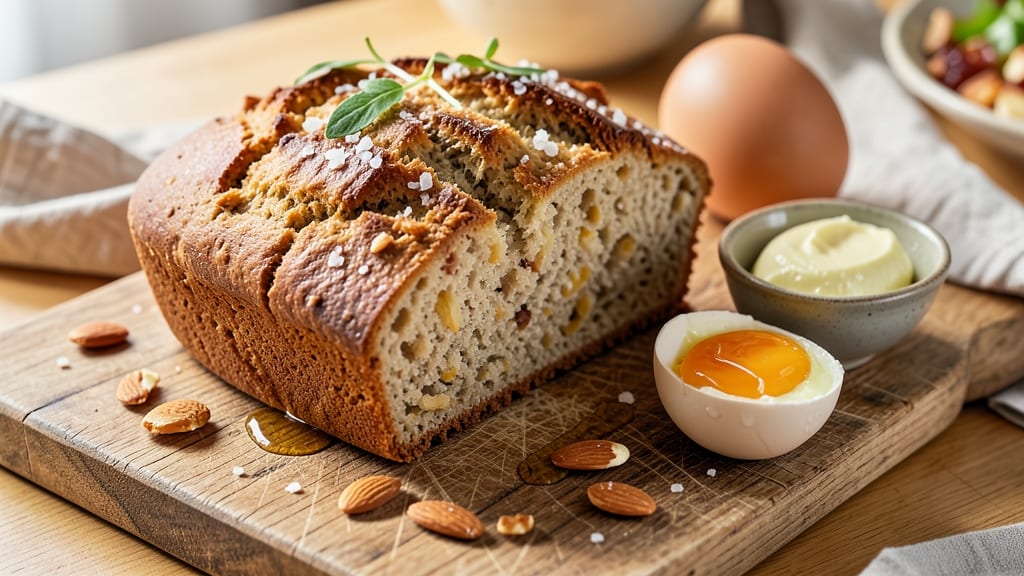
Almond flour soda bread recipe transforms traditional baking with its nutty crunch and gluten-free rise, proving you don’t need wheat for a satisfying loaf. ✨ The secret lies in blending almond flour’s natural moisture with baking soda for a tender yet crispy crumb—ideal for those avoiding gluten or simply craving something different. This recipe delivers a loaf that’s sturdy enough to slice but light enough to melt in your mouth, with a subtle almond flavor that pairs beautifully with butter or jam.
The beauty of this almond flour soda bread is its simplicity: no yeast, no kneading, and just 10 minutes of prep before baking. The almond flour’s fat content creates a naturally rich texture, while the baking soda ensures a proper rise without gluten’s help.
For extra crispness, brush the top with melted butter before baking—it’s that easy. The result? A bread that’s hearty enough for sandwiches but delicate enough to enjoy on its own, with every bite offering that satisfying nutty crunch.
Perfect for breakfast, snacking, or pairing with soups, this bread adapts seamlessly to dietary needs. Skip the dairy for a vegan version by using plant-based butter, or add seeds like sunflower or pumpkin for extra texture.
The crust stays golden and crispy, while the interior remains tender, making it a standout side dish that’s as nutritious as it is delicious. Ready in under 45 minutes, it’s the ideal solution for a quick, flavorful loaf without the fuss.
Whether you’re gluten-free, grain-free, or just curious about almond flour baking, this recipe delivers restaurant-quality results at home. The nutty aroma alone will have everyone asking for seconds—proof that sometimes, the simplest ingredients create the most impressive dishes. Let’s get baking!
Ingredients for almond flour soda bread
Nine simple ingredients transform into a golden, nutty loaf that’s gluten-free and ready in under 45 minutes.
| Ingredient | Amount | Notes |
|---|---|---|
| Almond Flour 🥜 | 2 ½ cups | Finely ground, unsweetened |
| All-Purpose Flour 🌾 | ½ cup | For structure and rise |
| Baking Soda 🧂 | 1 ½ tsp | Freshly opened for best results |
| Salt 🧂 | ½ tsp | Fine sea salt preferred |
| Large Eggs 🥚 | 2 whole | Room temperature for blending |
| Unsalted Butter 🧈 | ½ cup | Cold, cubed for easier mixing |
| Milk 🥛 | ¼ cup | Any kind, room temperature |
| Vanilla Extract 🌿 | 1 tsp | Pure vanilla preferred |
| Sunflower Seeds 🌻 | ¼ cup | Optional for extra crunch |
| Pumpkin Seeds 🌻 | ¼ cup | Optional for extra crunch |
| Honey 🍯 | 2 tbsp | Or maple syrup for vegan option |
| Apple Cider Vinegar 🍎 | 1 tsp | Activates baking soda |
Almond flour is the star here—Bob’s Red Mill or Anthony’s Goods are my go-tos for consistent texture. Check the date on your baking soda too; old stuff loses its lift. The eggs need to be room temp for smooth blending (I take them out 10 minutes before mixing). For the seeds, Trader Joe’s has pre-mixed nut and seed blends that save time. If you’re feeling fancy, toast the seeds first for extra flavor—just 3 minutes in a dry pan.
No eggs? Flax eggs (2 tbsp ground flaxseed + 6 tbsp water = 2 eggs) work perfectly. Out of honey? Maple syrup or agave are great swaps. The vinegar is non-negotiable—it reacts with baking soda for that classic soda bread rise. For a richer loaf, add 1 tbsp melted coconut oil to the butter. The all-purpose flour might seem odd, but it helps with structure—King Arthur is my favorite brand. If you’re strictly gluten-free, use tapioca starch instead at half the amount.
This bread keeps well for 3 days wrapped in foil at room temperature, or 5 days in the fridge. Freeze slices for up to 3 months—just toast from frozen. For extra crispiness, brush the top with melted butter right after baking. The nutty aroma fills your kitchen, so bake it when you’re ready for company. Store seeds separately if you want to sprinkle them fresh each time.
Why You'll Love This Recipe
- No-Fuss Mix-In: This recipe comes together with just five ingredients—no yeast, no kneading, no waiting. Toss everything in a bowl, fold in the eggs, and you’re done. I’ve made it while microwaving leftovers, and it’s still perfect.
- Buttery Nutty Crunch: The almond flour gives it a subtle richness that regular soda bread can’t match, while the eggs keep it tender inside. Honestly, the first slice out of the oven makes me forget it’s a "diet" bread—it’s just good.
- Meal Prep MVP: Slice it fresh, toast it later. It stays crisp for days in the fridge, so I bake a loaf on Sunday and use it for breakfast toast, sandwiches, or even croutons. My kids grab it straight from the freezer—no reheating needed.
- Budget-Friendly Upgrade: Almond flour can be pricey, but here it’s just a handful for a whole loaf. The rest is basic pantry stuff, and the result? Bread that feels fancy but costs less than store-bought. Plus, leftovers turn into French toast or breadcrumbs—zero waste.
Step-by-step instructions for almond flour soda bread
Here's how to bake a perfectly crispy, nutty loaf that rises beautifully without gluten.
👨🍳 Step 1: Mix Wet Ingredients for Perfect Texture
In a medium bowl, combine the 2 whole large eggs with the 0.5 cup unsalted butter (leave it cold in cubes). Whisk until the butter melts and the mixture becomes smooth—this should take about 2-3 minutes. Add the 2 tbsp honey and 1 tsp vanilla extract, whisking until fully incorporated. The honey helps with browning and adds subtle sweetness, while the vanilla rounds out the nutty flavors.
In a separate small bowl, mix the 0.25 cup milk with the 1 tsp apple cider vinegar—this creates a simple buttermilk substitute. Let it sit for 1 minute to curdle slightly, then add it to the egg mixture. The vinegar activates later for that classic soda bread rise. Stir gently until just combined—overmixing can make the bread dense.
👨🍳 Step 2: Combine Dry Ingredients and Seeds
In a large mixing bowl, whisk together the 2.5 cups almond flour with the 0.5 cup all-purpose flour, 1.5 tsp baking soda, and 0.5 tsp salt. The almond flour gives that signature nutty crunch, while the all-purpose flour adds structure. Use a whisk to break up any lumps in the almond flour—it's naturally clumpy.
Add the 0.25 cup sunflower seeds and 0.25 cup pumpkin seeds to the dry mixture. These seeds add texture contrast and extra protein. Give everything a quick stir to evenly distribute the seeds—you'll want them sprinkled throughout each slice, not clustered in one spot.
🥘 Step 3: Combine Wet and Dry for a Thick Dough
Pour the wet ingredients into the dry mixture and stir with a spatula until just combined. The dough will be thick and sticky—this is normal! Don't overmix. If it seems too dry, add 1-2 tbsp milk to help it come together. The dough should hold its shape when pressed but still feel soft and slightly tacky.
Here's the thing—this dough won't rise like traditional bread. The baking soda and vinegar reaction creates lift, but the almond flour keeps it dense and moist. Shape the dough into a round loaf about 6 inches in diameter and 2 inches tall. Place it on a parchment-lined baking sheet.
🔥 Step 4: Bake Until Golden and Crisp
Preheat your oven to 350°F—this gentle heat ensures even baking without burning the top. Bake the loaf for 35-40 minutes until the top is deep golden brown and a toothpick inserted in the center comes out clean. The edges should be crispy while the center remains slightly tender.
I like to tent the loaf loosely with foil after 20 minutes if the top is browning too quickly—this prevents over-browning while still allowing steam to escape. The bread is done when it sounds hollow when tapped on the bottom. Let it cool on a wire rack for at least 15 minutes before slicing—this prevents the seeds from popping out.
⏰ Step 5: Serve Warm for Maximum Crispness
Slice the warm loaf into 4 equal wedges (about 1-inch thick each). The exterior should be crispy with a satisfying crunch, while the interior stays soft and moist. Serve immediately with your favorite butter or jam—this bread tastes best when warm, with those seeds adding texture contrast.
Real talk: this bread keeps well for 3 days wrapped in foil, but it's best enjoyed fresh. If you have leftovers, toast them to restore crispiness. The nutty flavor pairs perfectly with soups, cheeses, or even as a base for avocado toast.
Pro Tips For Making Almond Flour Soda Bread
- Mix the dry ingredients first: I learned this the hard way—skipping it leads to uneven texture. Pulse almond flour and all-purpose flour together in the food processor for 10-15 seconds before adding wet ingredients. This ensures even distribution of baking soda and salt, which prevents pockets of dryness or bitter flavor from overmixing later.
- Use room-temperature eggs: Cold eggs make the dough stiff and can cause the bread to sink in the middle. Let your eggs sit out for 30 minutes before mixing, or even better, warm them slightly in a bowl of hot water for 2 minutes. The dough will come together more smoothly, and the bread rises better.
- Don’t overmix the dough: Once you add the wet ingredients, stop mixing after 2-3 turns of the spoon. Overworking the dough activates the gluten in the all-purpose flour, making the bread dense instead of light and airy. The goal is just to combine—no need for a smooth batter.
- Preheat the Dutch oven: Place a heavy Dutch oven (with lid) in the oven while it preheats to 425°F (220°C). The hot pot creates steam when you add the dough, which is crucial for that crisp crust and open crumb. If you skip this, the bread will bake too quickly on the outside before the inside is done.
Common mistakes when making perfect results
Overmixing the Dough
Almond flour dough is delicate—overmixing develops gluten in the all-purpose flour, making your bread dense instead of tender. Stir just until combined, about 15-20 strokes with a spatula.
The dough should look shaggy, not smooth. I’ve ruined loaves by overworking them, so resist the urge to "fix" lumps—they’ll disappear during baking. 💡
Skipping the Vinegar
The 1 tsp apple cider vinegar is non-negotiable—it reacts with baking soda to create lift. Without it, your bread will be flat and heavy. Mix it with milk first to curdle slightly, then add to the wet ingredients.
This step mimics traditional soda bread’s chemistry, ensuring that signature rise. Trust me, your taste buds will notice the difference.
Using Old Baking Soda
Baking soda loses potency over time—if yours is older than 6 months, replace it. Old baking soda won’t activate properly, leaving your bread dense and under-risen.
Keep it in an airtight container and check the expiration date. I always buy fresh baking soda for this recipe to guarantee that perfect lift. 🧂
Ignoring Room Temp Ingredients
Cold eggs and butter create pockets of steam during baking, which can cause uneven texture. Let eggs sit out for 10 minutes and use cold cubed butter (don’t melt it first). The butter should soften slightly but still hold its shape.
This ensures even distribution in the dough and prevents a greasy texture. I’ve seen loaves fall apart because of this—don’t skip it!
Overbaking for Crispiness
Almond flour bread dries out fast—once the edges are golden, it’s almost done. Overbaking by even 5 minutes turns the crumb dry and crumbly. Check at 35 minutes and tap the bottom: it should sound hollow.
If unsure, slice a small piece—it should be tender inside with a crisp exterior. The goal is crispy crust, not dry bread.
Not Preheating the Oven
A cold oven means uneven baking and a longer cook time. Always preheat to 350°F for 10 minutes before baking. I’ve had loaves take 50+ minutes when starting cold, with uneven browning.
The oven needs to be fully heated for that perfect golden crust and even rise. Set a timer—don’t rush this step!
Nutrition facts
Frequently asked questions
Why does this almond flour bread need all-purpose flour?
Almond flour lacks gluten, which gives bread structure. The 0.5 cup all-purpose flour adds just enough gluten to help the loaf hold together while keeping it gluten-free overall. Without it, your bread might crumble or lack shape. Think of it as the \"glue\" that binds everything together while letting the almond flour shine with its nutty flavor.
Can I make this bread without eggs?
Replace the 2 eggs with 2 flax eggs (2 tbsp ground flaxseed + 6 tbsp water) or 2 tbsp chia seeds + 6 tbsp water. Let these mixtures sit for 5 minutes to thicken before using. The texture will be slightly denser but still delicious. For extra moisture, add 1 tbsp extra milk to the dough.
How do I store leftovers to keep them crispy?
Wrap cooled slices tightly in plastic wrap or foil, then store at room temperature for 2 days. For longer storage, freeze slices for up to 3 months. To revive, toast in a 350°F oven for 3-5 minutes until crispy again. The key is preventing moisture buildup—never store it in the fridge unless you plan to eat it within 24 hours.
What's the best way to add chocolate chips?
Fold in 0.5 cup chocolate chips during Step 3 when combining wet and dry ingredients. Use dark chocolate (70% or higher) for best flavor contrast. For even distribution, press a few chips into the top before baking. If you prefer a gooey center, add chips after shaping the loaf and pressing them into the top before baking.
Can I use this recipe for a vegan version?
Yes! Replace the 2 eggs with 2 flax eggs and use vegan butter or coconut oil instead of regular butter. For the honey, swap in 2 tbsp maple syrup. The vinegar and baking soda reaction works the same way, so you'll still get that perfect rise. Just be sure all your ingredients are certified vegan to avoid any accidental animal products.