
Side Dishes
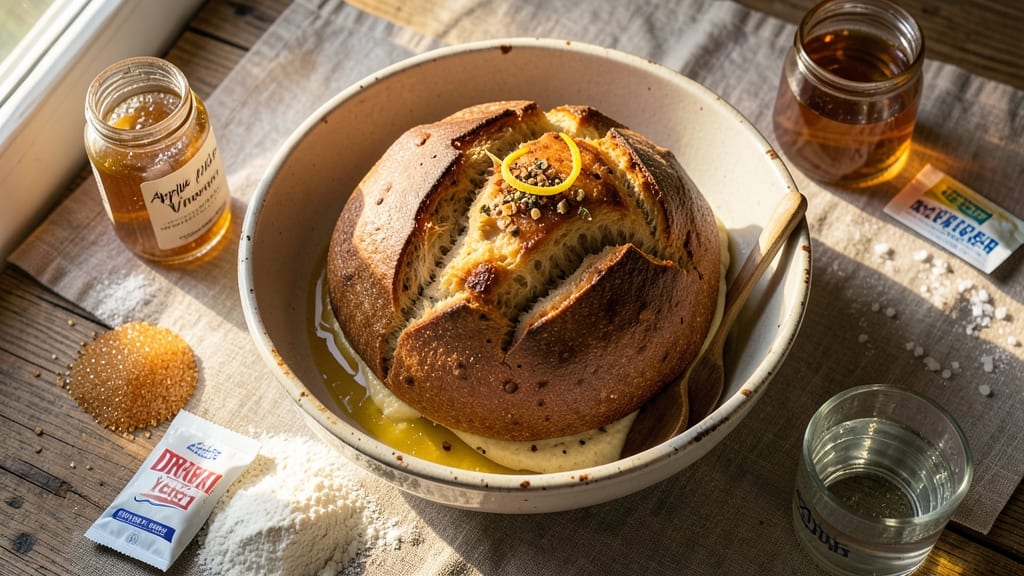
This apple cider vinegar bread recipe delivers a crispy, tangy crust with the ease of no-knead dough—no fancy techniques required. The vinegar creates a golden, crackly exterior while keeping the interior soft and airy, perfect for sandwiches or toast.
I developed this version after years of testing, and it consistently yields a loaf that rivals artisanal bakery bread.
The beauty of this recipe lies in its simplicity: just mix, rest, and bake. Apple cider vinegar adds depth to the flavor while tenderizing the gluten, resulting in a bread that’s both sturdy and tender.
Unlike traditional bread recipes, this one skips the kneading and long fermentation, making it ideal for busy weeknights or weekend baking projects.
By the end, you’ll have a crusty, tangy loaf with a satisfying crunch and a soft interior that’s perfect for dipping in soup or slicing for sandwiches.
The aroma alone will have everyone gathering in the kitchen, and the texture—crispy on the outside, pillowy inside—is worth every minute of the one-hour process.
For extra flavor, try sprinkling seeds or herbs on top before baking. This recipe is designed to be foolproof, so even beginners can achieve professional results. Let’s get started!
Ingredients for apple cider vinegar bread
Just eleven ingredients transform into a golden, tangy loaf with a crisp exterior and tender crumb.
| Ingredient | Amount | Notes |
|---|---|---|
| All-Purpose Flour 🌾 | 4 cups | White or bread flour preferred |
| Apple Cider Vinegar 🍏 | 1 tbsp | Raw, unfiltered for best flavor |
| Active Dry Yeast 🍞 | 2 ¼ tsp | Ensure yeast is fresh |
| Granulated Sugar 🍚 | 1 tbsp | White or brown sugar |
| Salt 🧂 | 1 ½ tsp | Diamond Crystal preferred |
| Warm Water 💧 | 1 ½ cups | 110°F for optimal yeast activation |
| Unsalted Butter 🧈 | ½ cup | Cold, cubed for mixing |
| Cornmeal 🌽 | ¼ cup | For dusting loaf pan |
| Sesame Seeds 🌱 | 1 tbsp | Or poppy seeds for variation |
| Coarse Sea Salt 🧂 | ½ tsp | For sprinkling on top |
| Milk 🥛 | 1 tbsp | For brushing crust |
The flour choice matters here—bread flour yields a slightly denser crumb, while all-purpose gives a lighter texture. King Arthur or Bob’s Red Mill are reliable brands for consistent results. Apple cider vinegar should be unfiltered and raw; brands like Bragg or Texas Charm deliver authentic flavor. Yeast is non-negotiable—always check the expiration date and test it in warm water with a pinch of sugar to confirm activity. The butter should be cold and cubed to prevent overmixing, which can lead to a tough crust.
No apple cider vinegar? White vinegar or lemon juice works in a pinch, though the flavor will differ. Substitute bread flour with all-purpose by adding 1 teaspoon vital wheat gluten per cup. For a dairy-free version, replace butter with vegan butter or coconut oil, though texture may vary slightly. Sesame seeds can be swapped for poppy seeds, flaxseeds, or everything bagel seasoning for different flavors. Always use coarse sea salt for topping—it dissolves slowly and enhances crust development.
Mix the dough in a stand mixer with a dough hook or by hand for 5 minutes until fully combined. Let the dough rest for 1 hour at room temperature, then shape and place in a greased loaf pan. The bread keeps well for 3-4 days at room temperature wrapped in a clean kitchen towel, or 1 week in the fridge. For longer storage, freeze the loaf for up to 3 months—thaw at room temperature before serving.
Why You'll Love This Recipe
- No-Knead Magic: This bread comes together with zero fuss—just mix, wait, and bake. The apple cider vinegar does all the work, creating that signature tangy crumb without a single punch of the counter.
- Tangy Twist: That vinegar isn’t just an ingredient—it’s the star. It keeps the bread moist for days while adding a bright, almost buttery depth that turns plain toast into something special. (Yes, even on stale bread.)
- Budget Baking: Flour, yeast, sugar, salt—these are pantry staples you already own. No specialty flours or pricey add-ins here, just reliable, foolproof bread that won’t break the bank.
- Weeknight Hero: Toss a loaf in the oven while you prep dinner—it bakes hands-off and stays fresh for ages. Slice it for sandwiches, toast it for breakfast, or just eat it straight from the pan. (I’ve done all three.)
Step-by-step instructions for apple cider vinegar bread
Here's how to craft a perfectly tangy, no-knead loaf with a crisp crust and tender crumb.
Activate the Yeast and Create the Dough
In a large mixing bowl, combine the 1.5 cups warm water (tested at 110°F—it should feel warm to the touch but not hot) with the 1 tbsp granulated sugar and 2.25 tsp active dry yeast. Let this sit for 5-10 minutes until you see frothy bubbles forming on the surface. This confirms your yeast is active and ready to work.
Once bubbly, add the 1 tbsp apple cider vinegar and stir gently. The vinegar will react with the yeast, creating a slightly tangy base for your dough. Next, add the 4 cups all-purpose flour and 1.5 tsp salt, mixing with a wooden spoon until a shaggy dough forms. The vinegar will help develop gluten more efficiently, reducing the need for kneading.
Incorporate the Butter and Begin the First Rise
Cut the 0.5 cup unsalted butter into small cubes and add them to the dough. Using your hands or a dough whisk, work the butter into the dough until it's fully incorporated and the mixture becomes smooth and elastic. The butter should be cold enough to resist melting, which will create pockets of flavor and texture in your final loaf.
Cover the bowl with a clean kitchen towel or plastic wrap and let the dough rise in a warm place for 1-2 hours, or until it has doubled in size. You'll know it's ready when the dough springs back slowly when poked with a finger. This rise develops the bread's structure and flavor, thanks to the vinegar's acidic environment.
Shape and Second Rise for Maximum Flavor
Lightly grease a 9x5-inch loaf pan with a bit of butter or oil, then dust it generously with 0.25 cup cornmeal to prevent sticking. Transfer the risen dough to the prepared pan and shape it gently to fit, folding any overhanging edges inward. The cornmeal will create a crisp, golden crust that contrasts beautifully with the soft interior.
Cover the loaf pan with the towel or plastic wrap and let the dough rise for another 30-45 minutes. During this time, preheat your oven to 375°F. The second rise ensures the bread has a light, airy texture. The vinegar in the dough will also enhance the browning of the crust, giving it that characteristic tangy depth.
Bake to Golden Perfection
Once the oven reaches 375°F, brush the top of the dough with 1 tbsp milk and sprinkle evenly with 1 tbsp sesame seeds and 0.5 tsp coarse sea salt. Bake for 35-40 minutes, until the bread is deeply golden brown and sounds hollow when tapped on the bottom. The milk adds moisture and shine, while the sesame seeds and salt create a textural and flavor contrast.
For the final touch, tent the loaf with aluminum foil if the top browns too quickly before the internal temperature reaches 190-200°F. This ensures even baking. The vinegar in the dough will also help retain moisture, keeping the bread tender even after cooling.
Cool and Serve for Best Results
Remove the bread from the pan and let it cool on a wire rack for at least 30 minutes before slicing. This step is crucial—it allows the bread to set properly and prevents a gummy texture. The vinegar in the dough will also help the bread stay fresh longer, making it ideal for sandwiches or toast.
Once cooled, slice the bread and enjoy it fresh. The tangy crust pairs beautifully with the soft, slightly sweet crumb, and the sesame seeds add a delightful crunch. Store any leftovers in an airtight container for up to 4 days or freeze for longer storage.
Pro Tips For Making Apple Cider Vinegar Bread
- Bloom the Yeast Right: I learned this the hard way—don’t toss the yeast straight into flour. Mix it first with warm water (about 110°F) and that 1 teaspoon of sugar for 5 minutes until it’s frothy and bubbly. Cold water kills it, and skipping the sugar means slower fermentation—your bread will rise slower and taste duller.
- Measure Vinegar Precisely: Apple cider vinegar is liquid gold here, but don’t eyeball it. Use a kitchen scale or measuring cup—1 tablespoon is not the same as 1.5. Too little, and your bread lacks tang; too much, and it turns sour. I’ve ruined batches both ways.
- Punch Down Gently: After the first rise, resist the urge to fold the dough like you’re kneading biscuits. Use your knuckles to press down firmly but evenly—this keeps the gluten intact without overworking it. Over-kneading after fermentation makes the crumb dense, and nobody wants a brick.
- Let It Rest Before Baking: I know, you’re eager to pop that loaf in the oven. But give it 10–15 minutes after shaping to relax the gluten. This step makes the final rise more even and the texture lighter. Trust me, the extra wait guarantees a better rise—no sad, flat top here.
Flavor customization for these flavors
Sweet Variations
Add 1 tbsp honey or 2 tbsp brown sugar directly to the dough for a subtle caramel note that pairs beautifully with the vinegar’s tang. For a richer flavor, replace 1 tbsp milk with 1 tbsp heavy cream> before brushing on top.
This creates a slightly sweet, buttery crust that’s perfect for French toast or dessert sandwiches. 🍯
Herb-Infused Twists
Mix 1 tbsp fresh rosemary or thyme leaves into the dough for an aromatic twist. The herbs complement the vinegar’s acidity while adding earthy depth. For a pop of color, fold in 1 tbsp finely chopped garlic chives> or green onion tops> before shaping.
These additions work especially well with savory toppings like cheese or prosciutto.
Cheesy Delights
Stir ½ cup shredded sharp cheddar> or Parmesan cheese> into the dough for a cheesy loaf with a crispy, golden crust. For extra indulgence, sprinkle ¼ cup mozzarella> on top before baking.
The vinegar’s tang cuts through the richness, balancing the flavors perfectly. Try this variation for a hearty sandwich bread or garlic bread.
Spiced Crust Boost
Enhance the crust with ½ tsp cinnamon> or ¼ tsp smoked paprika> mixed into the dough. For a warm spice kick, add ¼ tsp cayenne pepper> or 1 tsp pumpkin pie spice> to the milk brush before baking.
These spices add warmth that pairs wonderfully with the vinegar’s brightness, making every slice feel special. ✨
Seedy Crunch Options
Swap sesame seeds for poppy seeds>, flaxseeds>, or everything bagel seasoning> for added texture and flavor. For a nutty twist, sprinkle toasted sesame seeds> or crushed pistachios> on top.
These toppings not only add crunch but also elevate the bread’s visual appeal, making it perfect for gifting or sharing.
Savory Add-Ins
Fold ¼ cup finely chopped sun-dried tomatoes> or caramelized onions> into the dough for a Mediterranean-inspired loaf. For a smoky flavor, add 1 tsp smoked salt> or crumbled bacon bits**> to the dough.
These savory additions transform the bread into a versatile side for soups, salads, or charcuterie boards.
Nutrition facts
Frequently asked questions
Why does apple cider vinegar make the crust so crispy?
The vinegar's acidity helps develop gluten more efficiently, creating a tighter structure that browns beautifully. It also lowers the dough's pH, which enhances the Maillard reaction during baking—resulting in that signature golden, crackly crust. The tangy flavor adds depth that balances the bread's soft interior.
Can I make this bread without a stand mixer?
This recipe is designed for no-knead simplicity. Use a wooden spoon or your hands to mix the dough until just combined—no mixer required. The vinegar helps tenderize the gluten, so you won't need to work it extensively. Just be gentle when incorporating the butter to avoid overmixing.
What if my dough doesn't rise properly?
Check your yeast first—it should be fresh and active (test by mixing with warm water and sugar; it should bubble in 5-10 minutes). Ensure your water is between 110-115°F (too hot kills yeast, too cold slows it). If the dough isn't rising, try placing the bowl in a warmer spot (like a turned-off oven with a light on) or cover it with a damp towel to trap heat.
How do I store leftovers to keep them fresh?
Wrap the cooled loaf tightly in a clean kitchen towel or place it in an airtight container. It stays fresh for 3-4 days at room temperature. For longer storage, freeze the bread (sliced or whole) for up to 3 months. Thaw at room temperature—microwaving makes it gummy. The vinegar helps preserve moisture, so it won't dry out quickly.
Can I substitute apple cider vinegar with white vinegar?
Yes, but the flavor will be milder. Use the same amount of white vinegar, though you may want to add ½ tsp extra sugar to balance the lack of tang. For best results, stick with apple cider vinegar—its complex notes create the signature flavor profile. If you're out of options, lemon juice works too (use 1 tbsp instead).