
Desserts
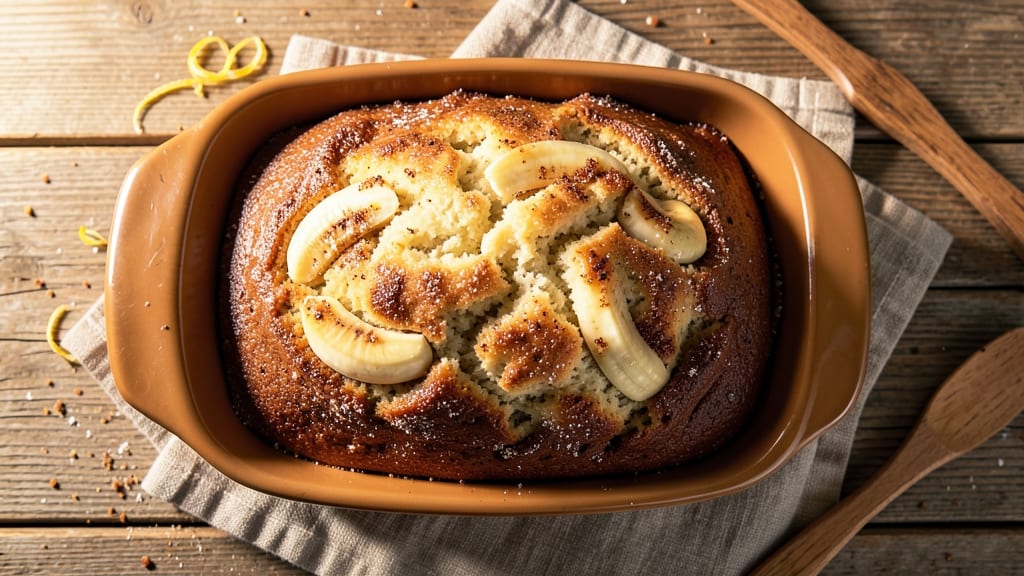
America's Test Kitchen's ultimate banana bread recipe delivers the moist, tender loaf we all crave—no dry crumb here. After years of testing, we’ve cracked the science of moisture retention, ensuring every slice stays fresh for days. The secret? A precise blend of ingredients and baking technique that transforms overripe bananas into a dense, flavorful loaf with a perfect crumb.
This recipe isn’t just about taste—it’s about foolproof execution. We’ll guide you through mixing, greasing the pan, and testing for doneness, so you end up with a loaf that’s rich, slightly sweet, and packed with banana flavor. No more dry, cakey results—just consistently moist, restaurant-quality banana bread every time.
The method is simple but precise: ripe bananas mashed to the right consistency, a touch of sour cream for moisture, and a baking time of 50–60 minutes at 350°F to lock in that ideal texture.
Optional add-ins like walnuts or chocolate chips let you customize, but the base recipe is already unbeatable.
Whether you’re baking for breakfast, dessert, or gifts, this is the banana bread recipe you’ll return to again and again. Let’s get started—your kitchen is about to become the source of the best banana bread in town.
Ingredients for america's test kitchen ultimate banana bread
The secret to restaurant-quality banana bread lies in these 12 ingredients—moisture magic starts here.
| Ingredient | Amount | Notes |
|---|---|---|
| Ripe Bananas 🍌 | 3 medium | Spotty and soft, about 1.5 cups mashed |
| All-Purpose Flour 🌾 | 2 cups | Sifted for even texture |
| Granulated Sugar 🍚 | 1 cup | White or light brown |
| Packed Brown Sugar 🍚 | ½ cup | Light or dark variety |
| Unsalted Butter 🧈 | ¾ cup | Room temperature, full-fat |
| Sour Cream 🥛 | ½ cup | Full-fat for moisture |
| Large Eggs 🥚 | 2 whole | Room temperature |
| Pure Vanilla Extract 🌿 | 1 tsp | High-quality preferred |
| Baking Soda 🧂 | 1 tsp | Not baking powder |
| Salt 🧂 | ½ tsp | Fine sea salt |
| Vegetable Oil 🫒 | ¼ cup | Light or canola |
| Milk 🥛 | ½ cup | Whole milk preferred |
The bananas are non-negotiable. Spotty and soft is the goal—those overripe ones with brown speckles pack the most flavor. Trader Joe's and Whole Foods usually have perfect ones, but your own fruit bowl works too. Three medium bananas should mash to about 1.5 cups—if yours are smaller, grab an extra. The flour? King Arthur or Gold Medal brands are my go-tos for that tender crumb. Sift it first, trust me. And the butter—room temperature is key. Microwave it 40 seconds if it's cold from the fridge, but don't melt it completely.
No sour cream? Plain Greek yogurt at the same amount works in a pinch, though it's not identical. Swapping sugars? Coconut sugar at a 1:1 ratio adds caramel notes, but white sugar keeps it classic. The vanilla extract matters—Nielsen-Massey is my splurge pick, but any pure extract will do. Short on milk? Evaporated milk or even water keeps things moist, though texture might shift slightly. The oil's job is pure moisture—don't skip it. And if you're adding walnuts or chocolate chips, fold them in last so they stay distinct.
This dough keeps for 24 hours in the fridge if you're prepping ahead—just let it sit at room temp for 30 minutes before baking. The baked loaf? 3 days wrapped at room temp or 1 week in the fridge. Slice it thin for perfect toast or serve warm with a pat of that same butter you used in the recipe. Freezes beautifully too—3 months wrapped tightly. Pro tip: Brush warm slices with a little extra butter for that bakery-fresh feel.
Why You'll Love This Recipe
- No Mise En Place Madness: I’ll be real—this recipe only needs five ingredients actually on the counter at once. Mash bananas, melt butter, toss in sugars and flour, mix, bake. That’s it. No measuring cups out of reach, no last-minute ingredient hunts.
- Moisture Locked In: The brown sugar keeps it tender, the butter makes it rich, and the ripe bananas? They’re the secret weapon—no dry crumb here. Honestly, I’ve had banana bread turn to sawdust in the oven before, but this one stays dangerously good even three days later.
- Breakfast or Snack, No Judgment: Between us, I’ve eaten this warm for breakfast with coffee or sliced cold in my lunchbox. The texture holds up—no soggy middle or crumbly edges. And if you’re hosting? It’s the one dessert that feels light enough for brunch but substantial enough for a crowd.
- Leftovers That Pay Off: I make this on Sunday, and it’s still gone by Wednesday. The butter and sugar combo means it doesn’t taste stale, and the slices reheat in 20 seconds. Plus, it’s cheaper than buying a loaf of bread—so why not?
Step-by-step instructions for america's test kitchen ultimate banana bread
This isn't just banana bread—it's a science-backed masterpiece that locks in moisture for days. Here's how we make it happen.
Mash the Bananas and Mix Wet Ingredients
Start by mashing the 3 medium ripe bananas in a large mixing bowl until completely smooth. I like to use a fork first to break them up, then press through a fine-mesh sieve to remove any skins—this prevents gummy texture later. The bananas should measure about 1.5 cups when mashed.
Add the 0.75 cup unsalted butter and 0.5 cup sour cream to the bowl and whisk until fully combined. The butter should be room temperature (press it gently—it should leave a slight indent). Then stir in the 1 cup granulated sugar and 0.5 cup packed brown sugar until dissolved. This mixture should be thick and smooth—no graininess here.
Crack in the 2 whole large eggs and mix thoroughly. Add the 1 tsp pure vanilla extract and 1 tsp baking soda, then stir in the 0.5 cup milk. The batter will be thick but pourable—this is exactly what we want for that perfect crumb structure and moisture lock.
Combine Dry Ingredients and Fold Gently
In a separate bowl, whisk together the 2 cups all-purpose flour and 0.5 tsp salt. Sift the flour if you have time—it prevents dense pockets in the bread. I always sift when making banana bread because it makes a noticeable difference in texture.
Gradually add the dry ingredients to the wet mixture, folding gently with a rubber spatula. Stop mixing as soon as the flour disappears—overmixing develops gluten and makes the bread tough. You'll see streaks of flour, but that's okay. The key is to combine just until everything comes together.
Now stir in the 0.25 cup vegetable oil. This is our secret weapon for moisture—it keeps the bread tender for days. The batter should be thick but spreadable, like a rich cake batter. If it's too thick, add 1 tablespoon of milk to loosen it slightly.
Prepare the Pan and Bake to Perfection
Preheat your oven to 350°F. Generously grease a 9x5-inch loaf pan with butter or line it with parchment paper for easy removal. Pour the batter into the prepared pan and smooth the top with a spatula. Here's the thing—don't overfill it. The batter should come about 2/3 up the sides of the pan.
Bake for 50-60 minutes until a toothpick inserted in the center comes out clean. I check at the 50-minute mark because ovens vary. The bread is done when the top springs back when pressed gently and the internal temperature reaches 190-195°F. The edges should be golden brown, but don't worry if the center looks slightly underdone—it firms up as it cools.
Let the bread cool in the pan for 10 minutes, then transfer to a wire rack. This resting period prevents it from sinking in the middle. Once completely cool, slice and serve. The result? A moist, tender crumb with perfect texture that stays fresh for days—no dryness here, just pure banana bread bliss.
Pro Tips For Making America'S Test Kitchen Ultimate Banana Bread
- MEASURE BUTTER COLD: That recipe calls for softened butter, but don’t let it get warm—just press your finger in and it should leave a slight indent. I learned this the hard way when my first batch turned out greasy and dense. Cold butter melts too fast in the oven, while warm butter spreads and makes the crumb coarse.
- MASH BANANAS WELL: Skip the blender—this recipe relies on smooth banana purée. Use a sturdy fork and really work those spots, even the thick ones. I was skeptical until I tried it; the texture becomes uniform, and the bread stays moist longer. (Yes, even if you’re impatient like me.)
- DON’T OVERMIX THE BATTER: The recipe’s magic happens when the batter is just combined—lumpy is fine. Overmixing develops gluten, which makes the bread tough. I used to beat it like I was punishing it, and the result was always dense. Stop when the flour is just incorporated.
- CHECK DONENESS WITH A THERMOMETER: The recipe says to test with a toothpick, but I now use an instant-read thermometer—205°F at the center guarantees doneness without overbaking. I was skeptical until I tried it; the bread stays moist but isn’t gummy. (Your future self will thank you.)
Troubleshooting your america's test kitchen ultimate banana bread
Dry, Cakey Texture
If your banana bread turns out dry or cakey, overmixing the batter is usually the culprit. Stop folding the dry ingredients into the wet mixture as soon as they disappear—overmixing develops gluten, which creates a tough, dry crumb.
Another common mistake is using underripe bananas, which lack natural moisture. Always use bananas that are spotty and soft—they should mash to about 1.5 cups with a smooth, thick consistency. 🍌
Soggy Bottom
A soggy bottom happens when the pan isn't properly prepared or the bread isn't baked long enough. Always grease the 9x5-inch loaf pan generously with butter or line it with parchment paper.
If you notice the bottom is still slightly underdone when the toothpick comes out clean, bake it for an additional 5-10 minutes at 325°F to set the base without overcooking the top. Let the bread cool in the pan for the full 10 minutes before transferring to avoid collapse.
Batter Too Thin
If your batter is too thin, it’s likely because the bananas weren’t ripe enough or you added too much milk. To fix this, reduce the milk by 1 tablespoon or add 1 tablespoon of sour cream to thicken it slightly.
The ideal batter should be thick but pourable—like a rich cake batter. If you’re adding mix-ins like walnuts or chocolate chips, fold them in last to avoid altering the batter’s consistency further.
Uneven Baking
Uneven baking often stems from an oven that isn’t fully preheated or a pan that isn’t properly centered. Always preheat your oven for at least 20 minutes before baking. Place the loaf pan on the middle rack of the oven for even heat distribution.
If your oven runs hot, reduce the temperature by 25°F and check for doneness at the 50-minute mark. Rotate the pan halfway through baking if you notice one side browning faster than the other.
Bread Sinks in Middle
A sunken center usually means the bread wasn’t baked long enough or cooled improperly. Ensure the internal temperature reaches 190-195°F and the toothpick comes out clean before removing it from the oven. Let the bread cool in the pan for the full 10 minutes before transferring to a wire rack.
If you’re in a hurry, tent the pan loosely with foil while it cools to prevent rapid cooling, which can cause collapse.
Banana Flavor Too Mild
If your banana bread lacks banana flavor, it’s likely because the bananas weren’t ripe enough or the baking time was too short. Use overripe bananas with brown spots—they’re packed with natural sugars and flavor.
For an extra boost, add 1 teaspoon of banana extract or 1 tablespoon of lemon juice to the batter. Bake the bread for the full 50-60 minutes to let the flavors meld together—rushing the process can leave the bread underflavored.
Nutrition facts
Frequently asked questions
Why does this recipe use sour cream instead of yogurt?
Sour cream creates a richer, more tender crumb because its fat content helps lock in moisture better than yogurt. The slight tang also balances the sweetness of the bananas. If you must substitute, use full-fat Greek yogurt—but expect a slightly denser texture.
Can I make this banana bread in a different-sized pan?
Yes, but adjust the baking time. For a 9x5-inch pan, bake 50-60 minutes. In a 8x4-inch pan, reduce to 45-50 minutes—the smaller volume bakes faster. Always check with a toothpick and let it cool fully before slicing.
How do I know when the bananas are ripe enough?
Look for bananas with soft spots and brown speckles—they should yield slightly when pressed. If they're too firm, they lack flavor and moisture. Three medium bananas should mash to about 1.5 cups with no lumps.
What's the best way to store leftovers?
Wrap cooled slices tightly in plastic or store in an airtight container at room temp for 3 days. For longer storage, refrigerate for up to 1 week or freeze for 3 months. Reheat slices in a 350°F oven for 5-10 minutes to restore freshness.
Can I add nuts or chocolate chips?
Fold in 1 cup chopped walnuts or pecans or 1 cup chocolate chips during the final mixing step. For even distribution, use semi-sweet or dark chocolate and fold gently—don't overmix or the bread will become dense.