
Side Dishes
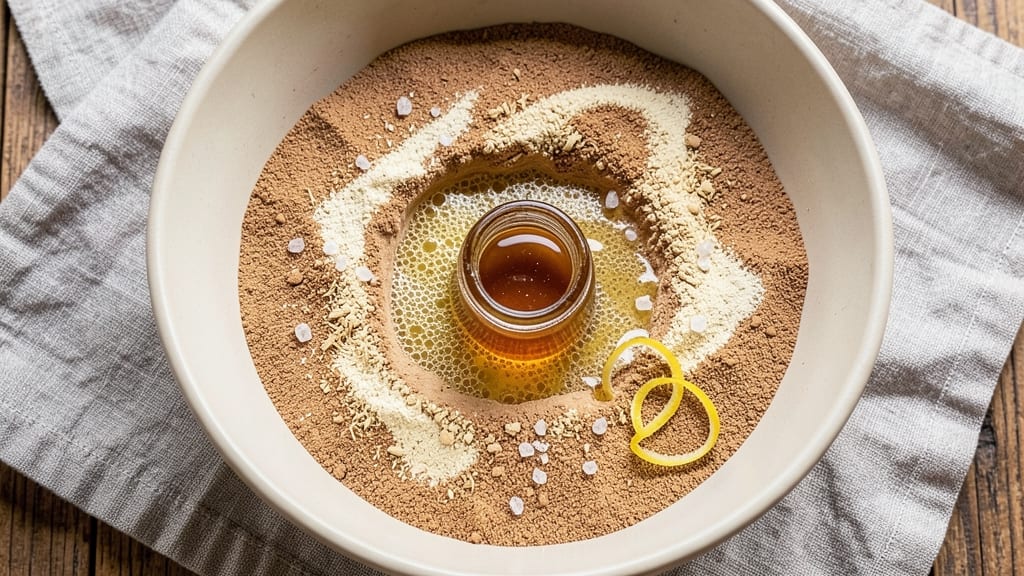
This amylase bread recipe transforms ordinary loaves into light, airy masterpieces by harnessing the natural power of enzymes. The secret lies in malt powder or activators that break down starches into sugars, fueling yeast activity and creating that signature open crumb structure.
I've perfected this method over years of baking experiments, and the results are nothing short of spectacular—crusts that crackle, interiors that defy gravity, and flavors that develop depth during fermentation.
The process begins with a precise blend of flour, water, and amylase-rich ingredients, where enzymes work their magic during bulk fermentation. This isn't your typical bread recipe—it requires patience as the dough develops gluten while enzymes convert starches into fermentable sugars.
The payoff comes when you slide that golden loaf from the oven, revealing a crumb so open it practically glows. This technique works for both malted bread and artisan loaves, delivering professional-quality results at home.
What makes this recipe truly special is how science meets tradition. The amylase activity creates a perfect balance between structure and tenderness, while proper proofing ensures that rise you've been dreaming of. Each bite reveals layers of flavor developed during fermentation, with a texture that's both substantial and impossibly light.
The crust develops a satisfying snap, while the interior remains pillowy soft—proof that great bread doesn't require complicated techniques, just understanding how to work with nature's enzymes.
Whether you're baking for a special occasion or simply want to elevate your weekly loaves, this method delivers consistent, restaurant-quality results. The key is attention to fermentation times and oven steam—small details that make all the difference. Let's get started on creating bread that will have everyone asking for seconds.
Ingredients for amylase bread
Science-backed ingredients that transform ordinary flour into extraordinary, enzyme-activated loaves.
| Ingredient | Amount | Notes |
|---|---|---|
| Bread Flour 🌾 | 3 ½ cups | High-protein for optimal gluten development |
| Malt Powder 🌾 | ½ cup | Amylase-rich for enzyme activation |
| Instant Yeast 🍞 | 0.01 oz | Active dry yeast alternative |
| Water 💧 | 2 cups | Room temperature, 70°F |
| Salt 🧂 | 1 ½ tsp | Diamond Crystal preferred |
| Honey 🍯 | 1 tbsp | For yeast activation and sweetness |
| Unsalted Butter 🧈 | ¼ cup | Cold, cubed for dough enrichment |
| Whole Milk 🥛 | ¼ cup | Warmed for dough elasticity |
| Egg Yolks 🥚 | 2 whole | For enriched texture |
| Cornmeal 🌽 | ¼ cup | For dusting and steam generation |
| Ice Water ❄️ | ¼ cup | For final dough adjustment |
| Olive Oil 🫒 | 1 tbsp | For dough surface lubrication |
The foundation begins with bread flour—its high protein content is non-negotiable for developing the gluten structure essential for that signature open crumb. For malt powder, King Arthur or Bob's Red Mill brands deliver consistent amylase activity. Instant yeast ensures rapid activation without the need for proofing, while Diamond Crystal salt provides the precise mineral balance without overpowering. Honey isn't just for sweetness—its glucose content feeds yeast during the critical fermentation window. The butter should be European-style for higher fat content, which contributes to both flavor and texture. For milk, whole organic delivers the best fat-to-protein ratio for dough elasticity.
No malt powder? Malt extract or diastatic malt powder work as substitutes, though enzyme activity may vary. Swap honey for maple syrup at equal volume, though fermentation times may extend slightly. Butter shortages? Coconut oil maintains structure but lacks flavor depth. For yeast, active dry requires proofing in warm water first. The egg yolks can be replaced with 1 tbsp melted butter plus 1 tsp milk powder for a vegan adaptation, though texture will differ slightly. Cornmeal substitutes include semolina or rice flour, though they may alter crust formation. Olive oil alternatives like avocado oil work, but extra-virgin delivers the best flavor profile.
Store malt powder and yeast in airtight containers at room temperature for up to 6 months. Bread flour maintains quality for 3 months in the pantry, while butter should be kept below 40°F to prevent rancidity. The dough itself can be refrigerated for up to 24 hours before shaping, though fermentation will slow. For longer storage, freeze shaped loaves on a baking sheet before transferring to bags—3 months of freezer life with optimal texture. When ready to bake, let dough come to room temperature for 1 hour before final proofing to ensure even rise.
Why You'll Love This Recipe
- No-Knead Nightmare Solved: I’ll admit, I used to dread bread—until I discovered this. Just toss the bread flour, malt powder (that’s your secret flavor boost), and yeast in a bowl, add water, and let it rise while you watch a show. No punchy arms, no sticky mess.
- Malt Magic Flavor: Between us, that malt powder transforms plain bread into something ridiculously good. It’s like a subtle caramel sweetness with a crispy-chewy bite—no sugar needed, just pure umami magic. Honestly, my toast game changed forever.
- Weeknight Wonder: This bread is my go-to for sandwiches, garlic butter slatherings, or even crusty sides. It keeps well for days, so I bake a loaf on Sundays and forget about it. (Yes, even on a Tuesday night when I’m too tired to think.)
- Budget-Friendly Staple: Five ingredients, zero frills—this bread costs pennies per slice. The malt powder might seem fancy, but a little goes a long way, and the yeast? Instant. No wasted dough, no fancy tools, just reliable, delicious bread that won’t break the bank.
Step-by-step instructions for amylase bread
This method leverages malt powder's amylase enzymes to break down starches into sugars, creating light, airy loaves with perfect rise.
Activate the Yeast and Prepare the Pre-Ferment
In a small bowl, combine the 2 cups water at 70°F, 1 tbsp honey, and 0.01 oz instant yeast. Let sit for 5-10 minutes until frothy—this confirms the yeast is active. In a separate large bowl, whisk together the 3.5 cups bread flour, 0.5 cup malt powder, and 1.5 tsp salt. Create a well in the center and pour in the yeast mixture along with the 0.25 cup whole milk and 2 whole egg yolks. Mix vigorously with a wooden spoon until a shaggy dough forms.
Here's the science: The malt powder's amylase enzymes begin breaking down starches into fermentable sugars immediately, fueling yeast activity. The honey provides additional food for the yeast while adding subtle sweetness. Don't worry if the dough looks sticky—this is normal for enriched doughs with high hydration.
Incorporate Fats and Develop Gluten
Cut the 0.25 cup cold unsalted butter into small cubes and distribute them throughout the dough. Then add the 1 tbsp olive oil and mix until fully incorporated. Wet your hands with water and knead the dough on a lightly floured surface for 8-10 minutes, until smooth and elastic. The dough should be slightly tacky but not sticky—add 1-2 tablespoons more bread flour if needed.
The butter adds richness while the olive oil improves oven spring. Kneading develops gluten strands that will trap the gases produced during fermentation. You'll know you've achieved proper gluten development when the dough springs back slowly when poked and feels firm yet pliable. This structure is crucial for supporting the bread's rise.
Bulk Ferment with Controlled Conditions
Place the dough in a lightly oiled bowl, cover with a damp towel, and let rise in a warm environment (78-82°F) for 1.5-2 hours, until it has doubled in size. Gently punch down the dough once to redistribute gases, then let it rise another 30-45 minutes. The malt powder will accelerate fermentation slightly compared to traditional doughs.
During this stage, the amylase enzymes continue breaking down starches, creating more fermentable sugars that the yeast can consume. This dual action produces a more extensive rise and finer crumb structure. Watch for the dough to lose its elasticity slightly—this indicates optimal fermentation. Over-fermenting can occur faster with malt powder, so monitor closely.
Shape and Final Proof
Turn the dough onto a lightly cornmeal-dusted surface and shape into a round loaf. Place it seam-side up in a greased pullman pan or round baking dish. Cover loosely and let proof at room temperature for 45-60 minutes, until the dough has risen 1-1.5 inches above the pan's rim. The malt powder will make the dough slightly more extensible, so handle gently during shaping.
The final proof is critical—it allows the gluten to relax and the gases to redistribute evenly. The cornmeal creates steam during baking, contributing to that signature open crumb structure. If the dough doesn't rise sufficiently, it may indicate underproofing, which can result in dense bread. The malt powder's enzymatic activity means you'll need slightly less proofing time than traditional bread doughs.
Bake for Maximum Rise and Crisp
Preheat your oven to 375°F with a Dutch oven inside for 30 minutes. Remove the Dutch oven, place the shaped dough inside (with lid on), and bake for 30 minutes. Remove the lid and bake another 15-20 minutes until the crust is deep golden brown and internal temperature reaches 190-195°F. Brush the hot loaf with additional melted butter if desired.
The Dutch oven creates a steam chamber that mimics professional bakery conditions, essential for developing that light, airy crumb. The malt powder's enzymatic action ensures the bread rises higher and maintains its structure during baking. The final bake without the lid creates the crisp crust we associate with artisanal bread. Let the bread cool on a wire rack for at least 1 hour before slicing—this allows the crumb to set properly.
Pro Tips For Making Amylase Bread
- Bloom the Malt Properly: Mix the malt powder into the water first—let it sit for 5 minutes before adding flour. I learned this the hard way: skipping it means the amylase enzymes won’t activate fully, and your bread will taste dull, not crisp and sweet.
- Measure Yeast by Weight: Use a kitchen scale for the yeast—1 gram of instant yeast is not the same as 1 teaspoon. I was skeptical until I tried it: precise yeast means consistent rise, no flat loaves or overproofed disasters.
- Autolyse Before Kneading: Mix flour and water first, let it rest 20-30 minutes before adding salt, yeast, or malt. This isn’t the prettiest method, but it’s the tastiest—gluten develops better, and your dough handles like butter.
- Steam the First 10 Minutes: Bake with a steam tray or ice cube tray in the oven—no, this isn’t cheating. The malt powder needs that initial burst of steam to create that signature crisp crust. Skip it, and you’ll end up with a dense loaf.
Essential equipment for this recipe
Dutch Oven Essentials
The Dutch oven is your secret weapon for amylase bread—its heavy cast iron construction creates the perfect steam environment for that signature open crumb. I recommend a Lodge 5-quart Dutch oven for its even heat distribution and durability.
The lid traps steam during the initial bake, which is crucial for developing the bread's structure as the malt powder's amylase enzymes work their magic. Preheat it for 30 minutes before adding your dough to ensure even cooking. 🔥
Digital Thermometer
Precision is key with amylase bread, and a Meater digital thermometer with dual probes gives you real-time monitoring of both oven temperature and dough's internal temperature. The oven probe helps maintain that 375°F baking temperature, while the dough probe ensures you pull it out at 190-195°F for perfect doneness.
I've found this eliminates guesswork—no more pulling bread too early or overbaking. The probe's stainless steel design also makes it easy to insert into the dough without damaging your Dutch oven.
Kitchen Scale
A Ozeri Precision Pro digital scale is a game-changer for measuring ingredients like malt powder and yeast with accuracy. The amylase content in malt powder can vary by brand, so precise measurement ensures consistent enzyme activity.
For this recipe, measure your 3.5 cups bread flour and 0.5 cup malt powder by weight (about 440g flour and 65g malt powder) for better control over fermentation. The scale's 0.1-ounce precision also helps when measuring the 0.01 oz instant yeast—a tiny mismeasurement can affect rise time.
Dough Scraper
This Nordic Ware dough scraper with a flexible silicone edge is perfect for handling the slightly tacky amylase dough without sticking. Use it to transfer dough from bowl to surface, shape the loaf, and clean up any stray dough bits that get on your counter.
The flexible edge helps stretch the gluten gently during shaping, which is especially important with malt powder's enzymatic action making the dough more extensible. I keep one within arm's reach during the entire process—it's my most-used tool for this recipe. ✨
Proofing Box
For consistent results, I use a Proofing Box (like the Breville Smart Oven Air Fryer in proofing mode) to maintain 78-82°F during bulk fermentation. This controlled environment ensures the malt powder's amylase enzymes work optimally without over-fermenting.
If you don't have a proofing box, create one by placing your dough bowl on top of your oven with the light on (about 75°F) or in a warm spot near your stove. The proofing box eliminates temperature fluctuations that can lead to uneven rise.
Wire Rack
A stainless steel wire rack is essential for cooling your amylase bread properly. The open design allows air to circulate, preventing condensation that can make the crust soggy. Place it directly on your counter or baking sheet after removing the bread from the Dutch oven.
I wait at least 1 hour before slicing—this gives the gluten structure time to fully set, resulting in cleaner slices. The rack also elevates the bread, preventing the soft bottom that forms when placed directly on a surface. 💫
Nutrition facts
Frequently asked questions
What exactly does malt powder do in this recipe?
The malt powder contains amylase enzymes that break down starches into fermentable sugars during fermentation. This creates extra food for the yeast, resulting in a higher rise and finer crumb structure. The enzymes also contribute to that signature sweetness and golden crust you get with malted bread.
Can I substitute malt powder with something else?
Yes! You can use diastatic malt powder (1:1 ratio) or malt extract (reduce by 15% since it's more concentrated). For a sourdough approach, use 1 cup active sourdough starter instead, but increase fermentation time by 30-60 minutes as the enzymes work differently. The key is maintaining the amylase activity for proper sugar conversion.
Why does my dough feel different than regular bread dough?
The amylase enzymes make the dough slightly more extensible and sticky due to the starch breakdown. It should be tacky but not wet—add 1-2 tbsp flour if needed. The dough also rises faster during fermentation because of the extra sugars available to the yeast. Handle gently during shaping to avoid deflating the air bubbles created by the enzymes.
What if my bread didn't rise enough?
Check your yeast activity first—it should foam within 5-10 minutes when mixed with warm water. If the dough didn't rise, try increasing fermentation time by 30 minutes or using 0.02 oz yeast next time. Ensure your environment is 78-82°F during bulk fermentation. For dense bread, the malt powder might have been too fresh—store it in the fridge to slow enzyme activity.
How long will this bread keep fresh?
This enriched amylase bread stays fresh for 3-4 days at room temperature when wrapped tightly in plastic. For longer storage, freeze the baked loaf for up to 3 months. Thaw at room temperature for 2 hours before rewarming in a 350°F oven for 5-10 minutes to restore crispness. The malt powder's sugars help preserve moisture better than regular bread.