
Desserts
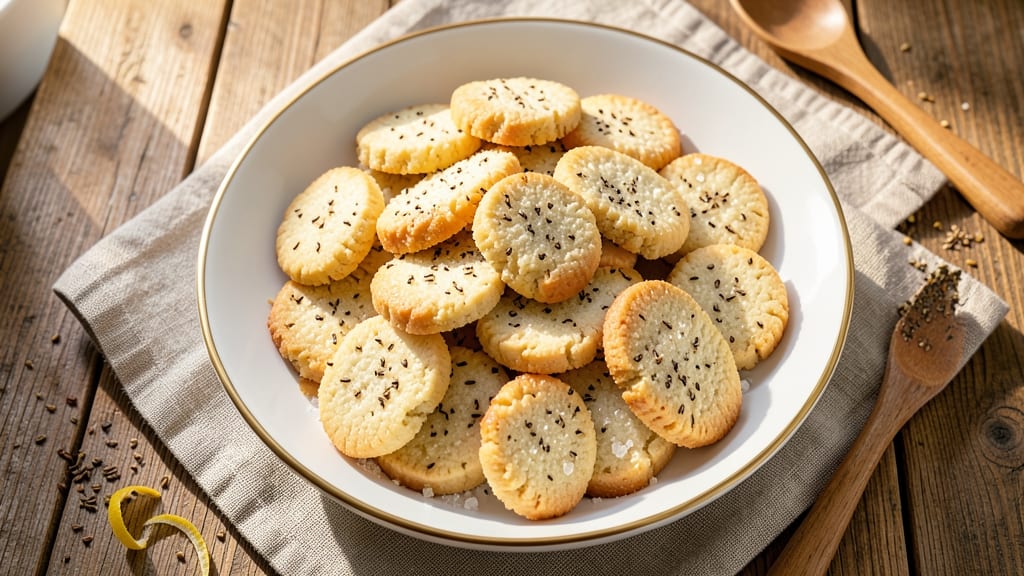
This anise shortbread cookie recipe delivers a delicate balance of licorice warmth and buttery crumble—perfect for those who crave subtle complexity. The star ingredient, anise, adds a distinctive herbal note that lingers without overpowering, while vanilla and citrus zest create a bright contrast.
I developed this recipe after years of experimenting with traditional shortbread, refining the texture to achieve that signature tender crumb while amplifying the anise flavor through precise ingredient ratios.
The secret lies in the dough's composition: cold butter creates flaky layers, while anise seeds and extract infuse every bite with aromatic depth. Unlike classic shortbread, these cookies develop a subtle caramelized edge when baked at 325°F for just 12-15 minutes, ensuring a perfect blend of crisp and tender.
The chilling step is non-negotiable—it prevents spreading and intensifies the flavors, resulting in cookies that stay fresh for days.
What sets these apart is the anise's dual role: it contributes a faint licorice warmth while enhancing the buttery richness. The vanilla and lemon zest brighten the profile, making each bite surprisingly complex.
These cookies pair beautifully with tea or coffee, offering a sophisticated yet approachable treat that's ideal for holidays or special occasions.
For variations, consider adding dark chocolate chunks for contrast or orange zest to deepen the citrus notes. The recipe scales effortlessly, making it perfect for gifting or entertaining. Let's create these delicate, flavorful cookies that prove shortbread can be both classic and unexpectedly bold.
Ingredients for anise shortbread cookie
Nine essential ingredients transform into delicate anise-kissed cookies with buttery crunch and herbal warmth.
| Ingredient | Amount | Notes |
|---|---|---|
| Unsalted Butter 🧈 | 1 lb | Cold, cubed for flaky layers |
| All-Purpose Flour 🌾 | 3 cups | Sifted, plus extra for dusting |
| Granulated Sugar 🍚 | ½ cup | Fine granulation preferred |
| Anise Seeds 🌿 | 1 tbsp | Whole, lightly toasted |
| Anise Extract 💧 | 1 tsp | Pure, high-quality extract |
| Pure Vanilla Extract 🌸 | 1 tsp | Bottled, not imitation |
| Lemon Zest 🍋 | 1 tbsp | Fresh, finely grated |
| Fine Sea Salt 🧂 | ½ tsp | Diamond Crystal preferred |
| Ground Vanilla Bean 🌸 | ½ tsp | Optional, for deeper flavor |
The butter is non-negotiable—Plugrá or European-style makes all the difference with its higher fat content. Grab it from Whole Foods or Trader Joe's if you want the best texture. For the anise seeds, Penzeys or bulk bins at specialty stores offer the freshest, most aromatic seeds. Toast them lightly in a dry pan for 30 seconds to deepen their flavor. The vanilla extract should be bottled—imitation just won't cut it here. Lemon zest? Use organic lemons for the brightest flavor, and zest only the yellow part for maximum citrus punch.
No anise extract? Fennel seeds at double the amount work in a pinch, though they have a slightly different profile. Short on vanilla? Vanilla bean paste gives you seeds plus extract, but adjust to taste. The flour must be sifted—this prevents dense cookies. For a sweeter version, add 1 tbsp more sugar. Want extra crunch? Add 2 tbsp toasted almond flour to the mix. The lemon zest can be substituted with orange zest** for a different citrus note, but lemon keeps the classic balance.
Store the dough in the fridge for up to 3 days wrapped tightly in plastic. Baked cookies keep their crumb for 5 days in an airtight container, though they'll lose freshness after 2 days. For longer storage, freeze baked cookies in layers separated by parchment paper—they'll stay crisp for 3 months. Reheat in a 200°F oven for 5 minutes to restore their buttery aroma. These cookies are perfect for gifting—just pack them in a tin with a sprig of fresh rosemary for an elegant touch.
Why You'll Love This Recipe
- No Fuss, No Mess: I swear by this dough—just butter, sugar, and flour, mixed until it’s sandy and cool. No rolling pins, no chilling nightmares, just press-and-cut. My kids even help (and they don’t usually).
- Licorice-Like Magic: That anise extract? It’s the secret. One teaspoon turns buttery shortbread into something sophisticated—like a whisper of licorice with none of the weirdness. Honestly, it’s the kind of flavor that makes people pause and ask, “What’s in this?”
- Holiday or Snack Attack: These cookies freeze like champs, so I bake a batch in November and pull them out all winter. They’re fancy enough for Christmas cookie platters but simple enough to eat straight from the jar when I’ve had a long day.
- Pantry Staple Power: Butter, sugar, flour—you’re already stocked. Anise seeds? A pinch is all you need, and they’re cheap. I’ve made this recipe with store-bought flour and still ended up with cookies that taste like a bakery’s secret. Budget-friendly doesn’t get much better.
Step-by-step instructions for anise shortbread cookies
Here's how to create delicate, crumbly shortbread with an aromatic anise-vanilla balance that'll make your kitchen smell like a European bakery.
Prepare the Anise-Infused Butter
Cut the 1 lb unsalted butter into ½-inch cubes and place them in the freezer for 10 minutes to chill completely. This ensures maximum flakiness in your cookies. In a small bowl, lightly toast the 1 tbsp anise seeds in a dry skillet over low heat for 1-2 minutes until fragrant—don't let them burn. Let them cool completely before proceeding.
In a food processor, pulse the cold butter cubes with the toasted anise seeds, 0.5 cup granulated sugar, 1 tsp anise extract, 1 tsp pure vanilla extract, 1 tbsp lemon zest, 0.5 tsp fine sea salt, and 0.5 tsp ground vanilla bean until the mixture resembles coarse sand. The texture should be uniformly crumbly but not pasty. This step develops the complex flavor profile while keeping the butter cold for perfect layers.
Incorporate the Flour for Perfect Texture
Add the 3 cups all-purpose flour to the food processor in two additions, pulsing just until combined after each. Avoid over-processing—the dough should look like wet sand with no visible flour streaks. The goal is to create a cohesive dough that holds together when pressed but maintains a delicate crumb.
Transfer the dough to a bowl and gently press it into a 1-inch thick disk. Wrap tightly in plastic wrap and refrigerate for at least 2 hours (overnight is ideal). This resting period allows the gluten to relax and the flavors to meld. The dough should be firm but pliable when ready to roll—if it's too soft, chill another 30 minutes.
Roll and Cut for Classic Shortbread Shape
Preheat your oven to 325°F and line two baking sheets with parchment paper. On a lightly floured surface, roll the chilled dough to ¼-inch thickness—this ensures crisp edges and tender centers. Use a 2-inch round cutter to cut out cookies, pressing straight down without twisting to maintain even thickness. Place them 1 inch apart on the prepared sheets.
For extra flavor, lightly brush the tops with additional anise extract or sprinkle with extra anise seeds. Bake for 12-15 minutes until the edges are light golden brown but the centers remain pale. The cookies should be firm to the touch but not hard. Rotate the pans halfway through baking for even heat distribution.
Cool and Enjoy with Perfect Crispness
Remove the cookies from the oven and let them cool on the baking sheets for 5 minutes before transferring to a wire rack. They'll continue setting as they cool, developing that signature shortbread crumble. For best texture, serve at room temperature—this allows the flavors to fully develop and the crumb to soften slightly.
These cookies should have a delicate, almost translucent crumb with a subtle anise-licorice aroma that lingers. The vanilla and lemon zest add brightness, preventing the anise from being overpowering. Store in an airtight container for up to 5 days, though they rarely last that long!
Pro Tips For Making Anise Shortbread Cookie
- Chill the Dough Hard: After mixing, flatten the dough into a disk and refrigerate it for at least 2 hours—overnight works even better. I used to skip this and ended up with cookies that spread like pancakes; cold butter is the only way to get those crisp edges.
- Toast the Seeds: Lightly toast the anise seeds in a dry pan for 30 seconds before grinding them—just until they smell fragrant. This deepens their flavor without burning them, and it’s the difference between subtle anise notes and something medicinal.
- Use Cold Butter Only: Measure the butter straight from the fridge and cut it into cubes—no softening at room temp. Warm butter makes the dough too sticky, and the cookies turn out greasy instead of melt-in-your-mouth tender.
- Press for Even Crumbs: Pack the flour into the measuring cup and level it off with a knife—don’t scoop it. Shortbread is all about texture, and uneven flour distribution leads to dense spots. Also, sift the flour with the anise seeds to avoid clumps.
Regional styles of these flavors
British Anise Shortbread
In the UK, anise shortbread often incorporates ground anise seeds instead of whole seeds for a smoother texture. I've seen traditional recipes use 1½ tsp ground anise in place of the toasted whole seeds, creating a more subtle licorice note.
The British version also frequently includes a pinch of nutmeg (about ¼ tsp) for warmth. Look for Doves Farm butter at specialty stores—it's widely used in British baking for its high fat content and creamy texture. 🌟
French Anis de Montagne
French bakers take shortbread to elegant heights with their anis de montagne (mountain anise) cookies. These use star anise pods (not seeds) for a more complex, slightly floral anise flavor. The recipe calls for 1 crushed star anise pod infused in the butter along with 1 tsp anise extract.
French versions often include orange flower water (about ½ tsp) for a delicate floral aroma. The dough is typically rolled slightly thinner (⅛-inch) for a more delicate crumb. 🌿
Scandinavian Cardamom-Anise Twist
In Sweden and Norway, bakers blend anise with cardamom for a unique twist. Use ½ tsp ground cardamom alongside the anise seeds and extract. The Scandinavians also add a splash of aquavit (about 1 tsp) to the dough for a subtle herbal kick.
Their shortbread often includes poppy seeds (about 1 tbsp) for texture. The cookies are baked at 300°F for 14-16 minutes to achieve a slightly softer center. This variation pairs beautifully with lingonberry jam for a festive touch. ❄️
Italian Licorice-Inspired
Italian bakers create a bolder version using licorice root powder (about ½ tsp) along with the anise. This adds a deeper, more intense licorice flavor that's popular in Northern Italy. The dough often includes a touch of cinnamon (about ¼ tsp) to complement the anise.
Italians typically serve these with espresso or vin santo (sweet dessert wine). For an authentic touch, use Italian 00 flour if available—it creates a lighter, more delicate crumb. 🍷
American Citrus-Anise Fusion
In the US, Southern bakers often enhance anise shortbread with extra citrus zest. Try adding 1 tbsp orange zest alongside the lemon for a brighter profile. Some recipes incorporate pecan pieces (about ¼ cup) for texture.
The American version frequently uses brown sugar (about ¼ cup) instead of granulated to add caramel notes. These cookies pair perfectly with sweet tea or bourbon for a Southern-inspired twist. 🍋
Nutrition facts
Frequently asked questions
Why does this recipe use both anise seeds and extract?
The combination creates a perfect balance of flavor and aroma. The toasted anise seeds provide a subtle, earthy crunch and deeper licorice notes, while the anise extract infuses the butter with a smoother, more consistent flavor throughout each bite. This dual approach prevents the anise from being overpowering while maximizing its aromatic potential.
Can I make these cookies without a food processor?
Use a pastry cutter or your fingers to work the cold butter into the dry ingredients until you achieve a crumbly texture. The key is to keep everything cold—work quickly and avoid overmixing. For the flour, use a fork to gently combine it with the butter mixture until just combined. The texture will be slightly less uniform but still delicious.
How do I prevent my shortbread from spreading too much?
The chilling step is critical—ensure your dough rests for at least 2 hours (overnight is best). Also, keep your butter very cold when mixing and roll the dough to ¼-inch thickness. Use a 2-inch round cutter and press straight down without twisting. Bake at 325°F for 12-15 minutes—underbaking slightly helps maintain shape.
What's the best way to store these cookies?
For maximum freshness, store in an airtight container at room temperature for up to 5 days. The anise flavor actually improves slightly as they sit! For longer storage, freeze baked cookies between parchment paper for up to 3 months. Reheat in a 200°F oven for 5 minutes to restore their buttery aroma before serving.
Can I add chocolate or nuts to this recipe?
Yes! For a festive twist, fold in ½ cup dark chocolate chunks or ¼ cup toasted pecans after mixing the dough. Keep the additions to 10% of the total dough weight to maintain the delicate crumb. For chocolate, use 60% or higher cacao to complement the anise's herbal notes. Sprinkle them on top before baking or mix them into the dough for even distribution.