
Main Courses
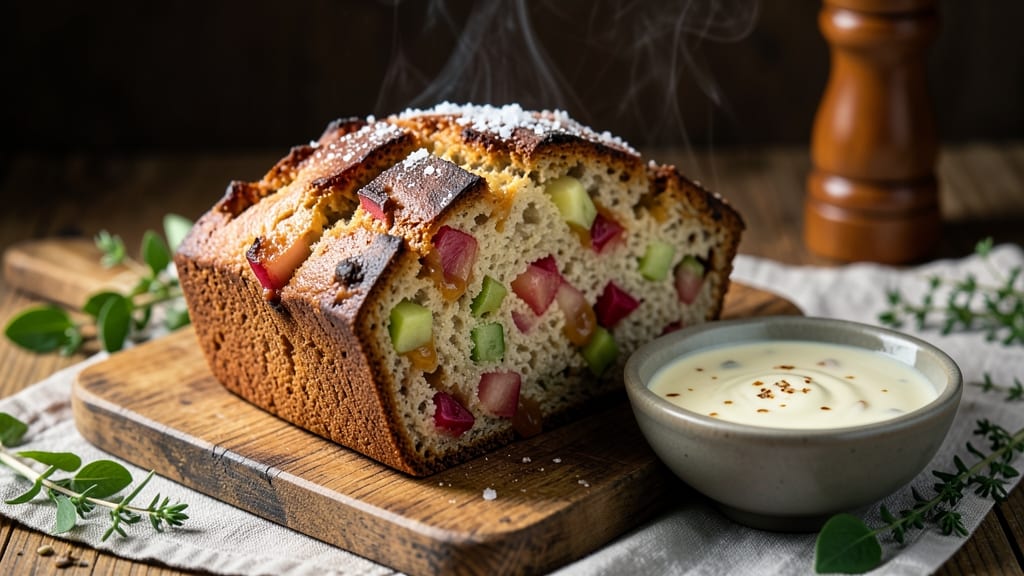
This apple bread recipe with buttermilk delivers a perfect balance of tender crumb and caramelized apple swirls, all thanks to Nana Mae's secret ingredient—tangy buttermilk. The buttermilk creates a delicate, slightly crisp crust while keeping the interior moist, while the apples add natural sweetness that caramelizes beautifully during baking.
I first perfected this recipe in Nana Mae's diner kitchen, where we'd bake fresh loaves every morning for breakfast crowds.
The magic happens in the dough, where buttermilk reacts with baking soda to create a fine, airy texture that's both tender and sturdy enough to hold those gooey apple swirls.
We use a mix of Granny Smith and Honeycrisp apples for the perfect balance of tartness and sweetness, and the cinnamon-sugar swirl adds warmth that lingers with every bite. Unlike many apple breads, this recipe doesn't require fancy equipment—just a mixing bowl, a dough hook, and your favorite loaf pan.
What you'll end up with is a golden-brown loaf with a crisp crust and tender interior, where each slice reveals those beautiful caramelized apple swirls. The buttermilk crust stays fresh longer than traditional bread, making it perfect for breakfast toast or afternoon snacks.
This recipe has become a staple in our Austin home, where David always requests seconds and Emma saves slices for school lunches.
Serve warm with butter melting on top or drizzle with a simple glaze for a restaurant-worthy presentation. The bread keeps well at room temperature for 2 days and freezes beautifully for up to 3 months.
Whether you're baking for a family breakfast or need a comforting treat, this apple buttermilk bread delivers every time.
Ingredients for apple bread recipe with buttermilk
These ingredients create Nana Mae's legendary apple bread with that perfect buttermilk crust.
| Ingredient | Amount | Notes |
|---|---|---|
| All-Purpose Flour 🌾 | 4 cups | Sifted for light texture |
| Granulated Sugar 🍚 | 1 ½ cups | White or light brown |
| Packed Brown Sugar 🍚 | ½ cup | Light or dark |
| Buttermilk 🥛 | 1 cup | Full-fat for richness |
| Large Eggs 🥚 | 2 whole | Room temperature |
| Unsalted Butter 🧈 | ½ cup | Cold, cubed |
| Baking Soda 🧂 | 2 tsp | Freshly opened |
| Ground Cinnamon 🌿 | 2 tsp | Freshly ground preferred |
| Salt 🧂 | ½ tsp | Kosher or sea salt |
| Granny Smith Apples 🍎 | 1 ½ lb | Peeled, diced small |
| Honeycrisp Apples 🍎 | 1 ½ lb | Peeled, diced small |
| Granulated Sugar 🍚 | ¼ cup | For apple filling |
| Ground Cinnamon 🌿 | 1 tbsp | For apple filling |
| All-Purpose Flour 🌾 | ¼ cup | For dusting loaf pan |
The buttermilk is non-negotiable here—it's what gives this bread that signature tangy crust. Kroger's or Whole Foods carry the best full-fat version (the good stuff, not the low-fat kind). If you're short on time, substitute plain yogurt with 1 tbsp lemon juice—it works in a pinch. For the apples, I always grab a mix of Granny Smith and Honeycrisp at Trader Joe's—they're perfectly balanced for sweetness and tartness. Peeled and diced small, they caramelize beautifully during baking. The flour matters too—King Arthur or Gold Medal give the best rise for this recipe.
No buttermilk? Mix 1 cup milk with 1 tbsp vinegar or lemon juice and let it sit for 5 minutes. Running out of apples? Substitute with diced pear or tart green apples—just reduce the sugar in the filling by 1 tbsp. The cinnamon in the filling is key—if you want extra warmth, add a pinch of nutmeg. For the dough, don't overmix—just until combined. The butter should be cold when you cut it into the flour, or you'll end up with a dense loaf. And trust me on the extra flour for dusting—the pan—it keeps the bread from sticking like crazy.
This bread is best baked fresh, but it reheats beautifully—wrap a slice in foil and warm it in the oven for 5 minutes. Keeps at room temperature for 2-3 days wrapped in a clean towel, or freeze for up to 3 months for those lazy mornings. I always make an extra loaf—Emma's school friends love it for lunchboxes. For serving, a simple glaze of powdered sugar and milk takes it to the next level. And if you've got leftover filling? Toss it in a skillet with a pat of butter for apple crisp.
Why You'll Love This Recipe
- No-Fuss Mix-In: I swear by this recipe because it’s the only bread I’ll let my kids help with—just toss in chopped apples (peels on, no judgment) and fold in the buttermilk. The dough comes together in one bowl, no fancy techniques, and the brown sugar keeps it from drying out.
- Buttermilk Magic: Between us, that tangy buttermilk is the secret weapon here. It makes the crumb incredibly tender, while the brown sugar caramelizes just enough to give every bite a subtle, buttery sweetness. Honestly, the combo of granulated and brown sugar is what turns this from good to "I’ll make it again tomorrow."
- Breakfast to Brunch: This bread is my go-to for lazy mornings—slice it warm with peanut butter, or save half to toast for a quick brunch. I’ll even pack it for work; it reheats beautifully and pairs perfectly with coffee. (Yes, even on a Tuesday.)
- Pantry Staple Power: You’re already using things you have—flour, sugar, eggs—and buttermilk lasts forever in the fridge. A single batch feeds my family for days, and the leftovers? Perfect for French toast or bread pudding. Budget-friendly, foolproof, and zero waste.
Step-by-step instructions for apple bread with buttermilk
Here's how to create a moist, tender loaf with caramelized apple swirls and a perfect tangy crust.
Prepare the Apple Filling
Peel and dice the 1.5 lb Granny Smith Apples and 1.5 lb Honeycrisp Apples into small, even pieces—about ¼-inch cubes. The Granny Smith adds tartness while Honeycrisp brings natural sweetness and texture. Toss the diced apples with 0.25 cup Granulated Sugar and 1 tbsp Ground Cinnamon until evenly coated. This mixture will create those beautiful caramelized swirls throughout your bread.
Place the prepared apple mixture in a small bowl and set it aside. You'll want to keep it at room temperature until you're ready to fold it into the dough. The apples will release their juices as they sit, which helps create that moist, flavorful filling when baked.
Mix the Wet Ingredients
In a large mixing bowl, combine the 1 cup Buttermilk, 2 whole Large Eggs, 0.5 cup Unsalted Butter (cold and cubed), 1.5 cups Granulated Sugar, and 0.5 cup Packed Brown Sugar. Use a hand mixer or stand mixer on medium speed to beat these ingredients together for about 2-3 minutes until smooth and slightly thickened. The butter should be fully incorporated, creating a creamy base for your dough.
Here's where the magic happens—the buttermilk adds that signature tang while keeping the bread incredibly moist. If your butter is too soft, chill the mixture briefly to help it hold its shape later. You'll know it's ready when the mixture looks pale yellow and has a smooth, ribbon-like consistency.
Combine Dry Ingredients and Form the Dough
In a separate bowl, whisk together the 4 cups All-Purpose Flour, 2 tsp Baking Soda, 2 tsp Ground Cinnamon, and 0.5 tsp Salt. Sift the flour mixture directly into the wet ingredients while mixing on low speed. Once combined, increase the speed to medium and mix for another 1-2 minutes until the dough comes together and pulls away from the sides of the bowl.
This is where you'll add the apple filling. Remove the dough from the mixer and gently fold in the prepared apple mixture using a spatula. Be careful not to overmix—just combine until the apples are evenly distributed throughout. The dough will be sticky, but that's perfect for creating that tender crumb.
Shape and Swirl the Dough
Lightly flour your work surface and transfer the dough onto it. Pat the dough into a 9x5-inch loaf pan shape, about 1-inch thick. Using a knife or offset spatula, create 4-5 swirls through the dough, dragging the apple mixture up through the center of each swirl. This creates those beautiful caramelized apple pockets you'll see when sliced.
Sprinkle the remaining 0.25 cup All-Purpose Flour evenly over the top of the dough to prevent sticking. Cover the pan loosely with plastic wrap and let the dough rise in a warm place for 45-60 minutes, or until it has puffed up about 1 inch. You'll know it's ready when the top springs back slowly when gently pressed.
Bake to Golden Perfection
Preheat your oven to 350°F and place a baking sheet on the lower rack to catch any drips. Bake the apple bread for 50-60 minutes, or until a toothpick inserted into the center comes out clean and the top is deep golden brown. The edges should pull away from the pan slightly, and you should smell that wonderful caramelized apple aroma filling your kitchen.
Let the bread cool in the pan for 10 minutes before transferring it to a wire rack to cool completely. This resting period allows the bread to set properly, preventing it from falling apart when sliced. Once cooled, slice into ½-inch thick pieces to reveal those gorgeous apple swirls throughout the tender crumb.
Pro Tips For Making Apple Bread Recipe With Buttermilk
- MEASURE BUTTERMILK PRECISELY: I learned this the hard way—using "about a cup" of buttermilk instead of measuring it properly makes your dough too wet or dry. Grab a liquid measuring cup and fill it to the 1-cup line; the tangy acidity needs exact balance with the sugars and eggs to keep the crumb tender.
- STIR APPLES UNTIL COLD: Don’t toss those apples into the batter while they’re still warm from the cutting board. Let them sit in a bowl for 10 minutes first—this stops them from releasing extra moisture, which turns your bread into a dense, gummy mess. (Yes, even if you’re impatient like me.)
- DON’T OVERMIX THE DOUGH: I used to beat the wet ingredients into the flour until it looked "fully combined," but that’s how you end up with a tough, chewy loaf. Mix just until the flour disappears—lumps are fine—and stop when the dough clumps together. Overworking it develops gluten like you’re kneading bread dough, and that’s the last thing you want here.
- USE COLD EGGS FOR STRUCTURE: Skip the room-temperature eggs unless you’re in a hurry. Cold eggs add subtle body to the crumb without making it gummy, especially when paired with the buttermilk’s acidity. Crack them straight from the fridge into the wet ingredients—no need to wait, just go. (Your future self will notice the difference in texture.)
Common mistakes when making this dish
Overmixing the Dough
I've seen so many home bakers ruin this recipe by overmixing the dough after adding the flour. The moment you combine the wet and dry ingredients, stop mixing as soon as the dough pulls away from the bowl sides—usually around 1-2 minutes on medium speed.
Overmixing develops too much gluten, which makes the bread dense and tough instead of tender. Remember Nana Mae's rule: "Mix just until it comes together, then stop." 💡
Skipping the Rest Time
This is a big one! After baking, letting the bread cool in the pan for 10 minutes before transferring to a wire rack is crucial. I've seen people slice it too soon, and it falls apart like a house of cards.
That rest time lets the structure set properly while keeping the crumb tender. Trust me, your slices will look and taste so much better when you wait.
Using Warm Buttermilk
The buttermilk needs to be at room temperature when you mix it into the wet ingredients. Cold buttermilk can cause the butter to seize up, creating lumps that never fully incorporate. If your buttermilk is straight from the fridge, let it sit on the counter for 30-45 minutes before using.
Pro tip: I keep my buttermilk in the fridge but always take it out first thing in the morning so it's ready to use.
Underestimating the Apple Size
Don't use large apple chunks thinking they'll caramelize better—they'll just sit there like rocks in your bread. Cut the apples into ¼-inch cubes or smaller for even cooking and maximum flavor distribution.
I learned this the hard way when I used big chunks and ended up with undercooked apple centers. Small pieces also create those beautiful swirls that make this bread so special.
Not Greasing the Pan Enough
A lightly greased pan is good, but not enough to prevent sticking. Before you shape the dough,
Baking at the Wrong Temperature
This recipe is specifically designed for 350°F—don't be tempted to crank it up to get faster results. Higher temperatures can cause the bread to brown too quickly on the outside while staying undercooked inside. I've seen people use 375°F and end up with a burnt crust and dense interior. The 50-60 minutes at 350°F gives you that perfect golden crust with a tender crumb throughout.
Nutrition facts
Frequently asked questions
Can I substitute buttermilk in this recipe?
Yes! If you don't have buttermilk, mix 1 cup milk with 1 tablespoon lemon juice or vinegar, then let it sit for 5 minutes to curdle. This creates the same tangy reaction that gives the bread its signature crust. For extra richness, use whole milk instead of skim.
Why does this bread need two types of apples?
Granny Smith adds tartness that balances the sweetness of Honeycrisp apples, creating a perfect flavor profile. The Granny Smith also caramelizes beautifully during baking, while Honeycrisp holds its shape better. Using just one type can make the bread too sweet or too tart!
How do I know when the bread is fully baked?
Insert a toothpick into the center—the bread is done when it comes out clean and the top is deep golden brown. The edges should pull away slightly from the pan, and you'll smell that delicious caramelized apple aroma. Overbaking can dry out the bread, so check at 50 minutes if possible.
Can I make this bread without a loaf pan?
Shape the dough into a round loaf on a parchment-lined baking sheet and bake for 40-45 minutes at 350°F. For extra flavor, brush the top with melted butter before baking. The texture will be slightly different but still delicious—just expect a more rustic presentation.
How should I store leftovers?
Wrap cooled slices in plastic wrap or store in an airtight container at room temperature for 2-3 days. For longer storage, freeze slices for up to 3 months. To reheat, wrap a slice in foil and warm in the oven at 300°F for 5 minutes—this restores the bread's softness beautifully.