
Side Dishes
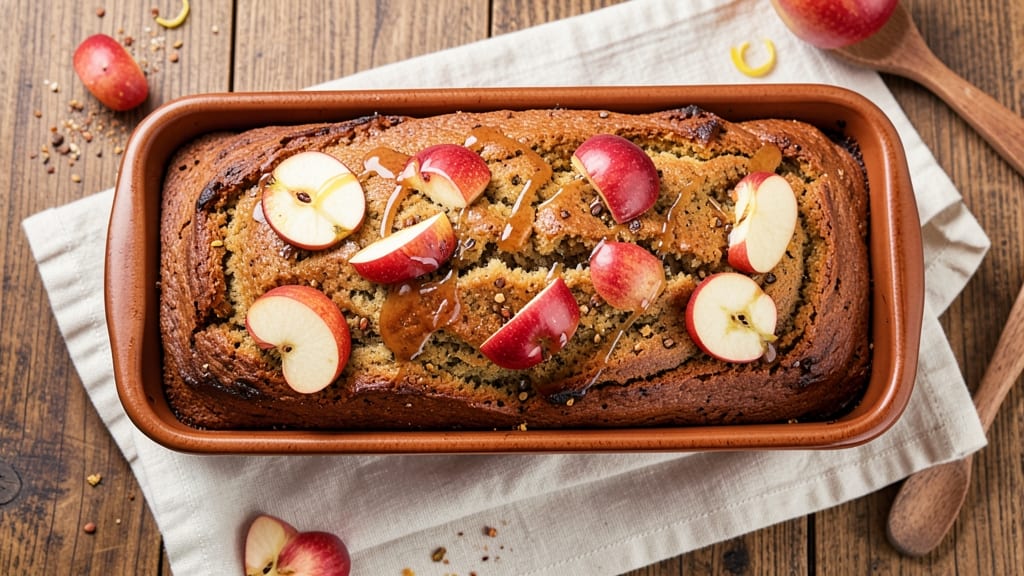
This apple cider spice bread recipe transforms your kitchen into a cozy autumn bakery with warm cinnamon, nutmeg, and the rich aroma of caramelized apples. The secret lies in the spiced cider glaze that binds everything together—tangy, sweet, and perfectly balanced to complement the soft, pillowy bread.
I developed this recipe after years of experimenting with holiday breads, and it’s now my go-to for gatherings, breakfast tables, or a comforting weekend treat.
The bread’s texture is what sets it apart: a tender crumb with a slightly crisp crust, thanks to the apple cider’s natural sweetness and the streusel topping that adds crunch with every bite.
The spices—cinnamon, nutmeg, and cloves—infuse the dough during proofing, creating layers of warmth that linger long after baking. No special equipment is needed, just a standard loaf pan and a little patience for the proofing process.
By the time it emerges from the oven, you’ll have a golden-brown loaf with a glossy glaze that’s sticky enough to cling to your fingers but firm enough to slice cleanly. Serve it warm with a pat of butter or drizzle extra glaze over the top for a restaurant-worthy finish.
The aroma alone will have everyone gathering around the table, and the first bite delivers on that promise of autumn in every mouthful.
This recipe scales beautifully for holidays or meal prep—make a double batch and freeze half for later. The cider glaze can be adjusted for sweetness, and you can add raisins or walnuts for texture if you like. Let’s get baking!
Ingredients for apple cider spice bread
Eight servings of cozy autumn flavors—flour, spices, and apples all working together for a tender loaf.
| Ingredient | Amount | Notes |
|---|---|---|
| All-Purpose Flour 🌾 | 4 ½ cups | Spooned and leveled for accuracy |
| Granulated Sugar 🍚 | ½ cup | White or brown for depth |
| Packed Brown Sugar 🍚 | ½ cup | Light or dark variety |
| Unsalted Butter 🧈 | 1 cup | Cold, cubed for streusel |
| Large Eggs 🥚 | 2 whole | Room temperature preferred |
| Unsweetened Apple Cider 🍎 | 1 cup | 100% apple cider, not juice |
| Active Dry Yeast 🍞 | 2 ¼ tsp | 1 packet or 2¼ tsp |
| Warm Water 💧 | ¾ cup | 110°F for yeast activation |
| Ground Cinnamon 🌿 | 2 tsp | Plus extra for streusel |
| Ground Nutmeg 🌿 | 1 tsp | Freshly grated preferred |
| Ground Cloves 🌶️ | ½ tsp | Lightly toasted for warmth |
| Salt 🧂 | 1 ½ tsp | Diamond Crystal kosher |
| Diced Apples 🍎 | 1 ½ cups | Honeycrisp or Fuji, peeled |
| Old-Fashioned Oats 🌾 | ½ cup | Blended into flour for streusel |
| Powdered Sugar 🍚 | ¼ cup | For glaze sweetness |
The apple cider is non-negotiable here—Mott's or Woodchuck are my go-tos, but any 100% cider works. The apples should be firm but sweet (Honeycrisp or Fuji are perfect), and if you can't find them fresh, frozen works in a pinch. For the yeast, Saf-Instant is foolproof, but regular active dry yeast needs that warm water to bloom. The spices? Penzeys has the best whole spices—grind your own nutmeg and cloves for maximum flavor. If you're short on time, pre-ground is fine, but trust me on the freshness.
No apple cider? Apple juice plus 1 tsp cinnamon gets you close, though it won’t have that same tangy depth. Running low on oats? Quick oats blended into flour work, but the texture won’t be quite as crunchy. The streusel topping can be made ahead and stored in the fridge for 3 days—just don’t bake it until you’re ready. For the glaze, if you prefer less sweetness, cut the powdered sugar to 2 tbsp and add 1 tbsp cider to thin it out. And if you’re feeling fancy, toss in ¼ cup chopped walnuts to the streusel for extra crunch.
This bread tastes even better the next day, so bake it when you can plan for leftovers. Wrap the cool loaf tightly in foil and store at room temp for 2 days, or freeze for 3 months—just thaw overnight on the counter. The glaze hardens as it cools, so reheat slices for 10 seconds to bring it back to that sticky, gooey perfection. I always make a double batch—one loaf for breakfast, the other for company. The aroma alone is worth the effort.
Why You'll Love This Recipe
- No Yeast Required: I swear by this—no waiting for dough to rise, just mix, bake, and enjoy. The butter and brown sugar combo gives it that rich, tender crumb without the fuss of kneading or proofing.
- Fall in Your Mouth: That perfect balance of warm cinnamon, nutmeg, and the deep caramel notes from the brown sugar? It’s like biting into a cozy sweater on a crisp autumn day. (Honestly, I’ve been known to eat slices straight from the pan.)
- Weeknight Magic: Slice it for toast in the morning, pack it for lunch, or serve it with dinner—this bread handles everything. The eggs and butter keep it moist for days, so you’re not scrambling to use it all up.
- Pantry Staple Power: All-purpose flour, sugar, and butter? You’re probably already stocked. It’s a budget-friendly way to add something special to your table without breaking the bank, and the leftovers? They’ll disappear faster than you can say “apple cider.”
Step-by-step instructions for apple cider spice bread
This cozy bread delivers caramelized apple goodness with a spiced cider glaze—every bite tastes like autumn.
Activate the Yeast and Mix the Dough
In a small bowl, whisk together the 2.25 tsp active dry yeast and 0.75 cup warm water (about 110°F). Let it sit for 5-10 minutes until frothy—this confirms the yeast is alive and ready to work. If it doesn’t bubble, your bread won’t rise properly.
In a large bowl, combine the 4.5 cups all-purpose flour, 1.5 tsp salt, 2 tsp ground cinnamon, 1 tsp ground nutmeg, and 0.5 tsp ground cloves. Mix well to distribute the spices evenly. Add the 2 whole large eggs, 0.5 cup granulated sugar, and 0.5 cup packed brown sugar, then pour in the activated yeast mixture. Stir until a shaggy dough forms.
Knead Until Smooth and Elastic
Turn the dough onto a lightly floured surface and knead for 8-10 minutes until smooth and elastic. You’ll know it’s ready when it springs back slowly when poked. If the dough feels sticky, add flour 1 tablespoon at a time—but don’t overdo it, or the bread will be dense.
Place the dough in a lightly greased bowl, cover with a damp towel, and let it rise in a warm spot for 1-1.5 hours, or until doubled in size. A good test is to gently press a finger into the dough—if it leaves a slight indent that doesn’t spring back, it’s ready.
Prepare the Apple Streusel and Shape the Bread
While the dough rises, make the streusel topping. In a food processor, pulse the 0.5 cup old-fashioned oats until finely ground. In a bowl, mix the oat flour with 0.5 cup unsalted butter (cold and cubed), 0.25 cup granulated sugar, 1 tsp ground cinnamon, and 0.25 tsp ground nutmeg. Rub the mixture between your fingers until it resembles coarse crumbs.
Punch down the risen dough and shape it into a 9x5-inch loaf pan. Press the 1.5 cups diced apples into the top, then sprinkle the streusel evenly over the apples. Cover loosely with plastic wrap and let it rise for another 30-45 minutes until it puffs slightly above the pan.
Bake to Golden Perfection
Preheat your oven to 375°F. Bake the bread for 40-45 minutes until the top is golden brown and a toothpick inserted into the center comes out clean. If the streusel isn’t brown enough after 35 minutes, tent the loaf with foil to prevent over-browning.
Remove the bread from the oven and let it cool in the pan for 10 minutes, then transfer to a wire rack. While it’s still warm, brush the top with a glaze made by mixing 0.25 cup powdered sugar with 2-3 tablespoons unsweetened apple cider until smooth. Let the glaze set for 10 minutes before slicing.
Serve Warm with Extra Glaze
Slice the bread while it’s still slightly warm for the best texture. The caramelized apples and spiced streusel should be tender, and the glaze should be glossy. Serve with extra glaze drizzled on top or alongside a dollop of whipped cream for a cozy dessert.
This bread keeps well at room temperature for 2 days or can be frozen for up to 3 months. The flavors only get better as it sits, so make extra—it disappears fast!
Pro Tips For Making Apple Cider Spice Bread
- Cream Butter Slowly: I learned this the hard way—dumping cold butter into flour and sugar at once makes a gummy mess. Instead, cut the butter into small cubes, then mix it into the dry ingredients with your fingers until it’s the size of peas. The texture stays light, and you won’t end up with a dense brick.
- Measure Brown Sugar Properly: Packed brown sugar isn’t just "heaped." Use a spoon to press it firmly into the measuring cup, then level it off—no air pockets. I used to eyeball it, and my bread turned out sticky and uneven. This keeps the moisture balanced and the crumb tender.
- Don’t Overmix the Dough: Once you add the wet ingredients, mix just until combined—about 10 strokes max. Overworking the dough develops gluten, and your bread will turn out tough instead of soft. Stop when the flour is mostly incorporated, then fold in the spices gently.
- Use a Toothpick Test Twice: Check for doneness at 30 minutes—if it’s still wet, tent with foil and bake another 10. The center should pull out clean but still be slightly sticky. I’ve burned bread waiting for a totally dry toothpick; this keeps it moist without being gummy.
Common mistakes when making your apple cider spice bread
Skipping Proofing Time
Rushing the proofing stage is the fastest way to ruin your bread. The dough needs 1-1.5 hours to rise properly at room temperature, and cutting it short results in a dense, compact loaf. I’ve made this mistake more times than I can count—always trust the process.
A good rule of thumb: if the dough doesn’t double in size or spring back slowly when poked, it needs more time. 🍞
Overmixing the Dough
Once you’ve added all the ingredients, resist the urge to overmix. The moment the dough comes together into a shaggy mass, stop stirring. Overmixing develops too much gluten, which makes the bread tough instead of tender.
I learned this the hard way with my first loaf—now I mix just until combined. A quick test: if the dough pulls away cleanly from the sides of the bowl, you’re good to go.
Using Cold Ingredients
The butter for the streusel and the eggs should be at room temperature. Cold butter creates lumps in the streusel, and cold eggs don’t blend smoothly into the dough. Take them out of the fridge 30 minutes before you start.
I keep a small bowl of warm water nearby to speed up the process if I’m in a hurry. Cold ingredients also slow down yeast activation, which throws off the rise time.
Ignoring the Streusel Texture
If your streusel turns into a paste instead of coarse crumbs, you’ve overworked it. The butter should be cold and cubed, and you should only mix until it resembles wet sand. Overmixing releases too much moisture, which makes the streusel clump together.
For the best texture, use your fingers to rub the mixture between them until it forms pea-sized crumbs. This ensures a perfect balance of crunch and tenderness.
Overbaking the Bread
It’s tempting to keep the bread in the oven until it’s deeply browned, but overbaking dries out the loaf. The bread is done when it reaches 190-200°F internal temperature and a toothpick comes out clean.
If the streusel isn’t brown enough after 35 minutes, tent the loaf with foil to prevent over-browning. I’ve ruined more loaves this way—trust the thermometer, not just the color. ✨
Skipping the Glaze Step
While the glaze might seem like an afterthought, it’s what ties the whole experience together. Applying it while the bread is still warm ensures it sets properly and adds that sticky, caramelized finish.
If you skip it, you’re missing out on the best part—the way the glaze clings to your fingers and makes every bite feel special. Plus, it’s the easiest part of the recipe, so there’s no excuse to leave it out!
Nutrition facts
Frequently asked questions
Can I make this bread without a loaf pan?
Shape the dough into a round or oval free-form loaf on a parchment-lined baking sheet. For extra rustic appeal, brush the top with melted butter before baking. The baking time may increase by 5-10 minutes—check for doneness at 35 minutes—and the crust will be slightly thicker than pan-baked versions.
How do I adjust the sweetness of the glaze?
The glaze ratio is flexible—start with 2 tbsp cider to 2 tbsp powdered sugar for a milder taste. For extra sweetness, add 1 tbsp more sugar or reduce the cider slightly. If the glaze is too thick, thin it with 1 tsp warm water or extra cider. The key is to apply it while the bread is warm for that perfect sticky finish.
Can I substitute apple cider with apple juice?
Apple juice works in a pinch, but it lacks the tangy depth of cider. For the best flavor, use 1 cup apple juice plus 1 tsp cinnamon to mimic the spiced cider taste. The yeast activation may also be slower—warm the juice to 110°F before mixing with yeast to ensure proper rising.
Why did my streusel turn out too crumbly?
Over-processing the oats or using too much butter creates dry streusel. For ideal texture, blend oats until finely ground (not powdery) and mix cold cubed butter into the sugar/oat mixture just until combined. Use your fingers to gently form pea-sized crumbs—this ensures a balance of crunch and moisture.
How can I make this bread vegan?
Replace the eggs with 2 tbsp ground flaxseed mixed with 6 tbsp water (let sit for 5 minutes to thicken). Use vegan butter for the streusel and ensure your yeast is vegan-certified. The texture will be slightly denser, but the warm spices and caramelized apples will still shine through beautifully.