
Side Dishes
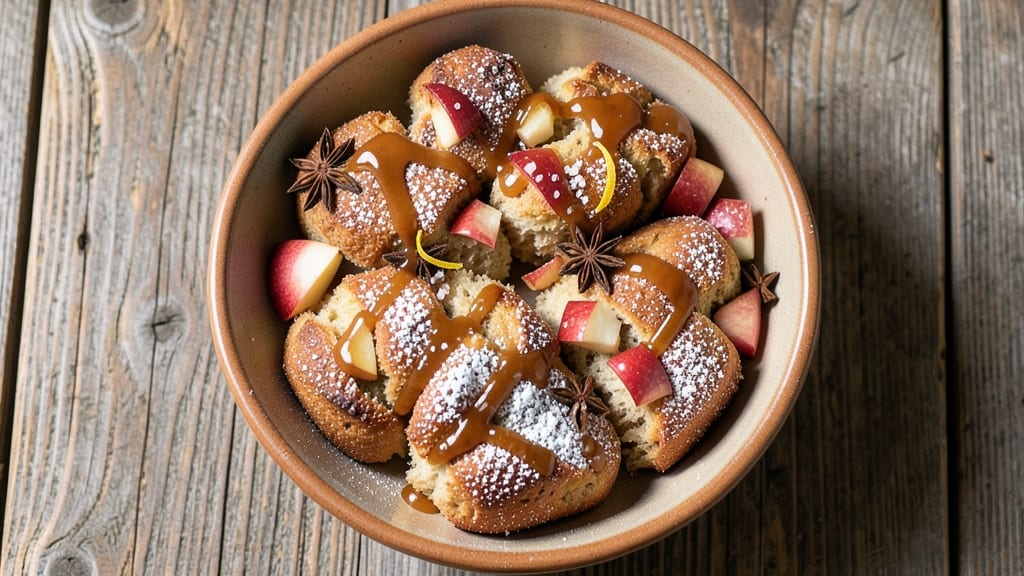
This apple fritters yeast bread recipe transforms simple dough into golden, crispy bites filled with caramelized apple swirls that taste like autumn in every bite.
The secret lies in a perfectly balanced yeast dough that stays tender inside while developing irresistible buttery crispness at the edges—just 30 minutes of active prep before frying.
I developed this version after years of testing, ensuring the apples stay juicy and aromatic rather than soggy, while the dough achieves that signature shatteringly crisp texture that makes these fritters impossible to resist.
The magic happens in the filling: a mix of tart apples, warm cinnamon, and just enough sugar to caramelize during cooking creates pockets of sweet-spiced flavor that contrast beautifully with the savory, golden-brown exterior.
Unlike traditional fried dough recipes, this version uses a foolproof yeast dough that rises properly even in cooler kitchens, and the apples are pre-cooked just enough to release their natural juices without turning mushy.
The result is a fritter that's crispy outside, tender inside, and packed with that perfect balance of sweet and spiced apple flavor.
What makes this recipe truly special is how versatile it is—serve these warm with a dusting of powdered sugar and a dollop of whipped cream for a classic dessert, or drizzle with warm caramel sauce for an extra touch of indulgence.
They're equally delicious as a breakfast treat with coffee or as a nostalgic side dish alongside roasted meats. The dough can be made ahead and refrigerated for up to 24 hours, making these perfect for weekend baking projects or holiday gatherings.
Once you try these apple fritters, you'll understand why they've become a staple in my kitchen—they're the kind of recipe that feels like a hug in food form, combining comfort, tradition, and a touch of homemade magic.
The key to success is patience during the dough rising and frying at the right temperature, but trust me, the results are worth every minute of effort. Let's get started on creating these irresistible treats!
Ingredients for apple fritter yeast bread
Golden bites of crispy dough hiding juicy apple swirls—just these 12 ingredients transform simple pantry staples.
| Ingredient | Amount | Notes |
|---|---|---|
| All-Purpose Flour 🌾 | 3 cups | White flour, spooned and leveled |
| Granulated Sugar 🍚 | ½ cup | White sugar, not brown |
| Active Dry Yeast 🍞 | 2 ¼ tsp | Fresh yeast preferred |
| Warm Milk 🥛 | ¾ cup | 110°F, whole milk ideal |
| Unsalted Butter 🧈 | ½ cup | Cold, cubed for easier mixing |
| Large Eggs 🥚 | 1 whole | Room temperature |
| Salt 🧂 | 1 tsp | Kosher or sea salt |
| Granny Smith Apples 🍎 | 2 medium | Peeled and cored |
| Light Brown Sugar 🍚 | ¼ cup | Packed, not leveled |
| Ground Cinnamon 🌿 | 1 ½ tsp | Freshly ground preferred |
| Vegetable Oil 🫒 | 2 cups | For frying, 350°F |
| Powdered Sugar 🍚 | ¼ cup | For dusting |
The apples are non-negotiable here. Granny Smith is ideal—their tartness balances the sweetness, but Fuji or Honeycrisp work too. I always buy organic if possible, especially for baking. Local farmers markets have the best selection when apples are in season, but the regular grocery store has them year-round. Peel them first, then core and slice into thin wedges—about 1/4-inch thick. The thinner they are, the faster they caramelize during frying. Store-bought apples? Wash and dry thoroughly before using to avoid soggy dough.
No Granny Smith? Mix two varieties—one tart (like Granny Smith) and one sweet (like Gala) for balance. Short on cinnamon? Nutmeg at half the amount adds warmth. The yeast is crucial—if your kitchen's cool, warm the milk to 110°F (like baby bath water) to activate it properly. For the oil, vegetable or canola works best—avoid olive oil, it burns too easily. The dough should be soft but not sticky—add a splash of milk if needed. And trust me, don't skip the egg—it adds richness that makes these fritters next-level.
This dough keeps beautifully. Wrap tightly in plastic and refrigerate for up to 24 hours—it actually improves overnight. The apples can be prepped ahead too, but toss them with a pinch of lemon juice to prevent browning. Fritters freeze well too—fry them, cool completely, then freeze on a tray before transferring to a bag. Reheat in a 350°F oven for 5-7 minutes to restore that perfect crisp. Store-bought powdered sugar? Confectioners sugar from the baking aisle works fine, but if you've got Trader Joe's powdered sugar, it's even finer and dissolves better.
Why You'll Love This Recipe
- No-Knead Magic: I swear by this dough—just mix, let it rise, and forget it. The yeast does all the work while you chop apples or sip coffee, and honestly? That warm milk and butter combo makes the dough ridiculously tender without a single punch or fold.
- Sweet Crunch Perfection: The outside gets this addictive caramelized crust from the sugar and butter, while the inside stays soft and pillowy. Toss in those apples—whether it’s a sharp Granny Smith or a juicy Honeycrisp—and you’ve got a texture game that’s crispy, chewy, and sweet all at once.
- Weeknight Hero: Between us, this is my go-to when I need something impressive but can’t be bothered with fancy prep. Serve it toasted with butter for breakfast, split it for sandwiches at lunch, or even pack slices for school lunches—it’s the one loaf that does it all.
- Budget-Friendly Stretch: Flour, sugar, and butter? Pantry staples that won’t break the bank. A single batch feeds my family for days—leftover slices toast up just as well the next morning, and the dough itself is so forgiving that a little extra won’t go to waste. (Yes, even on a Tuesday night.)
Step-by-step instructions for apple fritters yeast bread
Here's how to create golden, crispy fritters with caramelized apple swirls inside—every bite delivers that perfect crunch.
Prepare the Apple Filling
Peel and core the 2 medium Granny Smith apples, then finely chop them into small pieces—about ¼-inch cubes. In a medium bowl, combine the chopped apples with the 0.25 cup light brown sugar and 1.5 teaspoons ground cinnamon. Mix well to coat the apple pieces evenly. This sweet-spiced mixture will caramelize beautifully during frying, creating those irresistible swirls inside your fritters.
Let the apple mixture sit for 10 minutes while you prepare the dough. This gives the cinnamon and sugar time to meld with the apples' natural tartness. If you notice any liquid released from the apples, gently press it out with a paper towel—moisture in the filling can make the dough too sticky later.
Make the Yeast Dough
In a large mixing bowl, whisk together the 3 cups all-purpose flour, 0.5 cup granulated sugar, 1 teaspoon salt, and 2.25 teaspoons active dry yeast. The yeast should dissolve completely into the flour mixture. If you're using fresh yeast, make sure it's active by testing it in warm water first—it should foam within 5-10 minutes.
Create a well in the center of the dry ingredients and pour in the 0.75 cup warm milk (about 110°F) and the 1 whole large egg. Using a wooden spoon, gently mix the wet ingredients into the dry until a shaggy dough forms. Then add the 0.5 cup cold unsalted butter, cubed, and mix until the butter is fully incorporated and the dough comes together.
Knead and Shape the Dough
Turn the dough onto a lightly floured surface and knead for 5-7 minutes until smooth and elastic. You'll know it's ready when it springs back slowly when poked. If the dough feels too sticky, add 1 tablespoon of flour at a time until it's just right. This kneading develops the gluten, which gives your fritters that perfect structure for crispy edges.
Divide the dough into 4 equal portions (about 1 cup each) and roll each into a 12-inch circle on a floured surface. Keep the remaining dough covered with a damp towel while you work with one portion at a time. The circles should be about ¼-inch thick—thicker dough will make thicker fritters, while thinner dough gives you that classic crispy texture.
Assemble and Fry the Fritters
Place ¼ of the apple filling in the center of one of the rolled-out dough circles. Spoon about 1 tablespoon of vegetable oil around the edge of the filling to help seal it. Fold the dough over the filling and press the edges firmly to seal, then twist the ends together to create a sealed package. Repeat with the remaining dough and filling.
Heat 2 cups vegetable oil in a deep fryer or heavy pot to 350°F. Fry the fritters in batches—don't overcrowd the pot—until they're golden brown on all sides, about 3-4 minutes per side. They should float to the surface when ready, and a toothpick inserted should come out clean. Drain on a wire rack or paper towels to remove excess oil.
Serve Warm with Powdered Sugar
Let the fritters cool for 2-3 minutes before serving to allow the filling to set slightly. Dust generously with 0.25 cup powdered sugar while still warm for that classic fritter finish. The contrast of the crispy, golden exterior with the warm, caramelized apple filling inside is what makes these fritters so special.
Serve immediately with a side of warm maple syrup or vanilla ice cream for dipping. The fritters are best enjoyed fresh while the dough is still crispy and the apple filling is warm and gooey. If you have leftovers, store them in an airtight container for up to 2 days, but I promise you won't have any!
Pro Tips For Making Apple Fritter Yeast Bread
- Use Room-Temp Butter: Cold butter makes tough dough and uneven fritters. Let that block sit out for 20–30 minutes until it’s soft enough to press into the dough with your fingers—just firm enough to hold shape but not greasy. I learned this the hard way after frying dough that split apart like brittle crackers.
- Proof Until Springy: Don’t rush the final rise—press two fingers into the dough. If it springs back slowly (not instantly), it’s ready. Overproofed dough collapses when fried, and underproofed fritters stay dense. I used to eyeball it and ended up with sad, flat dough balls every time.
- Cut Apples Last: Slice the apples right before frying—even 10 minutes ahead turns them mushy in the dough. Toss them in lemon juice first (just a squeeze) to keep them bright and prevent browning. Sounds obvious, but I’ve fried soggy fritters because I got distracted.
- Fry in Batches: Overcrowding the pan drops the oil temp, making greasy fritters instead of crispy ones. Keep the batch size small—no more than 3–4 pieces at a time—and let the oil recover between drops. Yes, it takes longer, but the difference is night and day.
Common mistakes when making this recipe
Overproofed Dough
One of the most common mistakes is letting the dough rise too long, which creates a dense, flat fritter with no airiness. Yeast dough should double in size during its first rise—about 1 to 1.5 hours at room temperature.
I set a timer and place the bowl in a warm spot (like near the oven with the light on) to ensure consistent rising. If your kitchen is cool, extend the time slightly, but never let it sit longer than 2 hours or the yeast will overwork and collapse. 🌡️
Undercooked Apple Filling
The apple filling needs to caramelize during frying, but if it's undercooked before assembly, it'll stay raw and watery inside. Pre-cook the apple mixture for 5 minutes in a skillet with 1 tablespoon butter to soften it slightly—this helps release juices while keeping texture intact.
Skim off any excess liquid with a paper towel before wrapping in dough. The goal is a filling that's tender but not mushy when raw. 🍎
Inconsistent Frying Temp
Frying at too low a temperature (325°F) makes fritters greasy, while too high (375°F) burns the outside before the filling cooks. Use a deep-fry thermometer to maintain 350°F—I use the Taylor Precision model for accuracy.
If your oil isn't hot enough, the dough will absorb too much oil and lose crispness. Test with a small dough scrap: it should sizzle and float immediately. 🔥
Poor Sealing Technique
If the dough doesn't seal tightly around the filling, the apples will leak out during frying, creating soggy spots. Press the edges firmly with your fingers, then twist the ends together to create a secure package.
Brush the sealed edges with a little egg wash (1 egg beaten with 1 tbsp water) before frying for extra crispness. I also recommend using a bench scraper to help press edges cleanly. 🧑🍳
Overcrowding the Fryer
Frying too many fritters at once drops the oil temperature, leading to greasy results. Work in batches of 2-3 fritters max in 2 cups oil—this maintains the 350°F temperature.
Use a slotted spoon to transfer fritters to a wire rack immediately after frying. I keep a paper towel-lined plate nearby to catch any oil drips while they cool. 🍴
Skipping the Resting Step
Freshly fried fritters need 2-3 minutes to set before dusting with powdered sugar. Serving them immediately can cause the sugar to melt unevenly or the filling to leak. This resting time also lets the dough firm up slightly, making them easier to handle.
Pro tip: Place fritters on a cooling rack over a baking sheet to prevent sogginess from steam. ✨
Nutrition facts
Frequently asked questions
Can I make this recipe without frying for a healthier version?
For a baked alternative, shape the fritters as directed, then brush with 1 tablespoon melted butter and bake at 375°F for 18-20 minutes until golden. They won't be as crispy as fried versions but still delicious. Use an oven thermometer to ensure accurate temperature—baking times vary by oven.
What's the best way to store leftover fritters?
Store cooled fritters in an airtight container for up to 2 days at room temperature. For longer storage, freeze them on a tray first (to prevent sticking), then transfer to a bag. Reheat in a 350°F oven for 5-7 minutes to restore crispness. Microwaving makes them soggy!
Can I substitute the apples with other fruit?
Yes! Try peaches or pineapple for tropical flavors, or blueberries for a tangy twist. Adjust sugar to taste—peaches need more (0.35 cup) while tart berries may need less (0.2 cup). Keep the cinnamon but reduce to 1 teaspoon for berries. Always pre-cook fruit fillings to prevent soggy dough.
Why did my dough taste bitter?
Bitter dough usually means the yeast died or was old. Always check yeast freshness by testing in warm water—it should foam in 5-10 minutes. Also, ensure your milk is 110°F (not boiling) and ingredients are measured accurately. If using store-bought yeast, check the expiration date—older yeast loses potency.
How do I make these gluten-free?
Replace flour with a 1:1 gluten-free baking blend (like Bob's Red Mill) plus 1 teaspoon xanthan gum. Use 0.25 cup extra milk as gluten-free dough is drier. For crispiness, fry at 365°F (10°F higher) and dust with 0.5 cup powdered sugar to compensate for less structure. Expect slightly denser results.