
Sauces & Condiments
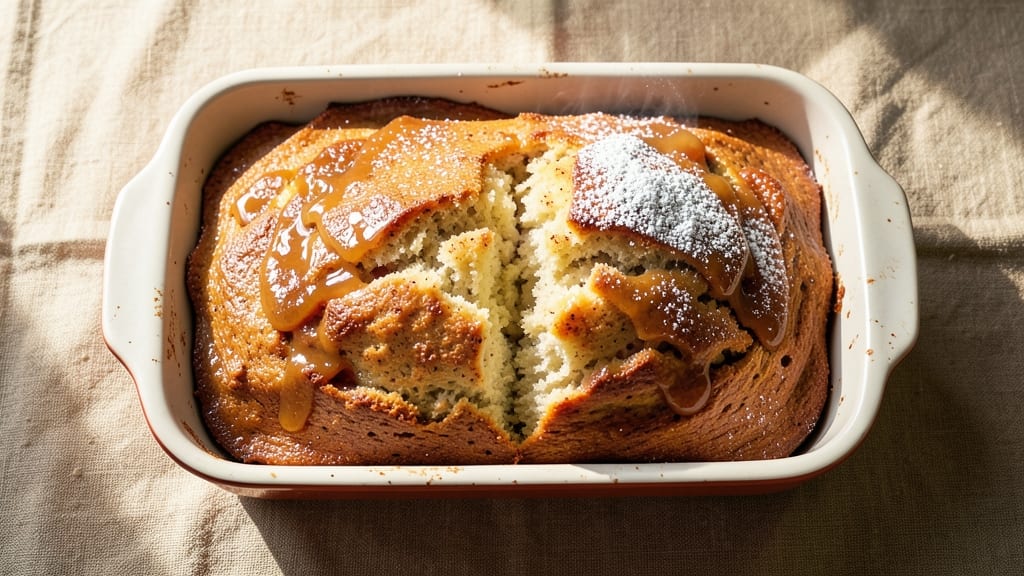
This applesauce loaf bread recipe delivers the perfect balance of tender crumb and golden, crispy top—every slice is moist, fragrant, and packed with warm spice notes. The secret lies in swapping half the butter for unsweetened applesauce, which keeps the bread incredibly tender without sacrificing structure.
I’ve perfected this version over years of baking, and it never fails to impress—whether served warm with butter or as a comforting side to soups.
The magic happens in the dough: combining all-purpose flour, warm applesauce, and a touch of cinnamon creates a rich, aromatic base that stays soft for days. A simple egg wash and sprinkle of sugar before baking gives that coveted crackly crust, while the interior remains perfectly moist.
This recipe is foolproof, requiring just 30 minutes of prep and 50 minutes in the oven—ideal for a weeknight dinner or holiday table.
What sets this loaf apart is the texture: a tender, slightly dense crumb with a hint of apple sweetness, balanced by the warmth of cinnamon and nutmeg. The crust develops a beautiful golden-brown hue, adding a satisfying crunch with each bite.
It’s the kind of bread that disappears quickly, whether you’re slicing it for toast, sandwiches, or simply enjoying it straight from the pan.
For extra indulgence, fold in chopped walnuts or pecans into the dough, or brush the top with a light honey glaze before baking. This recipe scales easily—double the batch for a crowd—and keeps well wrapped at room temperature for up to 3 days. Let’s get baking!
Ingredients for applesauce loaf bread
Eight essential ingredients crafting a loaf with tender crumb and crispy golden crust.
| Ingredient | Amount | Notes |
|---|---|---|
| All-Purpose Flour 🌾 | 4 cups | Sifted for even texture |
| Unsweetened Applesauce 🍎 | ½ cup | Unsweetened, not reduced |
| Unsalted Butter 🧈 | ½ cup | Cold, cubed for easier mixing |
| Large Eggs 🥚 | 1 whole | Room temperature for even baking |
| Granulated Sugar 🍚 | ¼ cup | Light brown preferred for depth |
| Ground Cinnamon 🌿 | 2 tsp | Freshly ground for aroma |
| Ground Nutmeg 🌿 | ½ tsp | Freshly grated preferred |
| Salt 🧂 | 1 ½ tsp | Diamond Crystal kosher salt |
| Active Dry Yeast 🍞 | 2 ¼ tsp | Fresh or 1 packet (0.25 oz) |
| Warm Water 💧 | ¾ cup | 110°F for optimal yeast activation |
| Granulated Sugar (for egg wash) 🍚 | 1 tbsp | Fine grain for even coating |
The applesauce is non-negotiable here—unsweetened, chunk-free for the perfect balance of moisture and structure. King Arthur or Bob’s Red Mill flours yield the best texture, but any all-purpose works. For yeast, Fresh & Easy at Trader Joe’s has reliable packets, but check expiration dates. Nutmeg should be freshly grated for that warm, aromatic punch—pre-ground often tastes flat. The butter matters too: Land O’Lakes unsalted or Plugrá for consistent results. If your kitchen runs warm, use cold butter cubes to prevent overmixing.
No applesauce? Pumpkin puree at half the amount works in a pinch, though texture shifts slightly. Substitute maple syrup for sugar if you prefer, but reduce by 1 tbsp to maintain balance. Diamond Crystal kosher salt dissolves better than table salt, but use 1 tsp table salt if that’s all you have. For yeast, active dry is standard, but bread machine yeast can replace it 1:1. The egg wash sugar? Turbinado or raw sugar adds extra crunch to the crust, but granulated works fine. Always proof your yeast—if it doesn’t foam in 10 minutes, start over with fresh yeast.
This loaf keeps 3 days wrapped at room temperature, but freezes beautifully for up to 3 months—slice before freezing for easy portions. For extra indulgence, fold in chopped walnuts during the last 2 minutes of kneading. Brush the cooled loaf with melted butter for restaurant-quality flavor. Double the batch for a crowd, but use two 9x5-inch loaf pans for even baking. Store leftovers in an airtight container to maintain moisture.
Why You'll Love This Recipe
- No Mixer Needed: I swear by this recipe when my hands are full—just stir the applesauce right into the flour. No kneading, no fuss, and that butter-soft crumb comes out every time.
- Sweet Without Sugar Overload: The applesauce does the heavy lifting here, keeping it lightly sweet but not cloying. Honestly? It’s the kind of bread that pairs with everything—jam, butter, or straight from the oven.
- Weeknight Hero: Slice it fresh for breakfast, pack it for lunches, or serve it warm with dinner. Between us, this is the loaf I grab when I’m too tired to think past "something edible."
- Fridge Magic: It stays fresh for days, and those slices? Perfect for toast or sandwiches. I’ll be real—this is my go-to for using up applesauce before it spoils, and it never disappoints.
Step-by-step instructions for applesauce loaf bread
Transform simple pantry staples into a tender, spiced loaf with a crackly crust.
Activate the Yeast and Mix the Dough
In a small bowl, combine the 0.75 cup warm water (about 110°F) with the 2.25 teaspoons active dry yeast and 1 tablespoon granulated sugar for the egg wash. Let this sit for 5-10 minutes until foamy—this confirms the yeast is alive and ready to work. If it doesn't foam, your yeast may be inactive, and you'll need to start over.
In the bowl of a stand mixer fitted with the dough hook attachment, whisk together the 4 cups all-purpose flour, 2 teaspoons ground cinnamon, 0.5 teaspoon ground nutmeg, and 1.5 teaspoons salt. Mix on low speed for 30 seconds to aerate the flour and distribute the spices evenly. This step prevents dense pockets in your final loaf.
Add the 0.5 cup unsweetened applesauce and 0.5 cup cold cubed unsalted butter to the dry mixture. Mix on low speed until the butter begins to incorporate, then increase to medium speed and mix for 2-3 minutes until the dough begins to pull away from the sides of the bowl. The butter should be fully distributed, leaving no visible chunks.
Incorporate the Egg and Knead the Dough
Add the 1 whole large egg and 0.25 cup granulated sugar to the mixer. Mix on medium speed for another 2-3 minutes until the dough becomes smooth and elastic. The sugar will help create a slightly sweet, tender crumb while balancing the warmth of the spices.
Transfer the dough to a lightly floured surface and knead by hand for 5-7 minutes until it's smooth and springs back when pressed. If the dough feels sticky, add 1 tablespoon flour at a time until it reaches the right consistency. The goal is a dough that's pliable but not tacky—this ensures proper gluten development for a light, airy texture.
Place the dough in a lightly greased bowl, cover with a damp towel, and let it rise in a warm place for 1-1.5 hours, or until it has doubled in size. The dough should feel light and airy when pressed gently with a finger. If your kitchen isn't warm enough, place the bowl near a turned-off oven with the light on to create a consistent environment.
Shape and Proof the Loaf
Punch down the risen dough to release air, then shape it into a loaf by rolling it into a rectangle, folding the long sides inward, and sealing the seam. Roll the dough into a tight log, tucking the ends under for a neat finish. Place the loaf seam-side down in a greased 9x5-inch loaf pan.
Cover the loaf with a damp towel and let it rise again for 30-45 minutes until it domes slightly above the pan. The edges should pull away from the sides of the pan, indicating it's ready for baking. This second rise ensures the loaf will be light and well-risen rather than dense.
Bake to Golden Perfection
Preheat your oven to 375°F and place a small baking dish filled with water on the lower rack. This creates steam during the first few minutes of baking, which helps develop that coveted crackly crust while keeping the interior moist. Brush the loaf with an egg wash made by whisking the 1 whole large egg with 1 tablespoon granulated sugar until smooth.
Bake the loaf for 35-40 minutes until the top is deep golden brown and the internal temperature reaches 190-200°F. Tap the loaf gently—the sound should be hollow, not dull, indicating it's fully baked. If the top browns too quickly, tent the loaf with aluminum foil to prevent over-browning while it continues to bake.
Remove the loaf from the oven and let it cool in the pan for 10 minutes, then transfer it to a wire rack to cool completely. This resting period allows the moisture to redistribute, ensuring every slice is tender and moist. Once cooled, slice and serve warm for the best texture and flavor.
Pro Tips For Making Applesauce Loaf Bread
- Mix Butter First: Cream the unsalted butter and sugar together until it’s pale and fluffy—about 3-4 minutes with a hand mixer. I used to skip this step, thinking it was overkill, but it keeps the loaf tender and prevents that dense, cakey texture you don’t want in bread.
- Chill the Dough: Let the dough rest in the fridge for at least 30 minutes before baking. This gives the flour time to fully hydrate and prevents the applesauce from making the bread spread too much in the oven—your loaf will rise higher and stay moist longer.
- Don’t Overmix the Applesauce: Stir the applesauce into the wet ingredients just until combined—no need to whip it into oblivion. Overmixing adds air, which can make the bread collapse during baking. Think "fold in gently" rather than "beat like a smoothie."
- Bake with a Water Bath: Place the loaf pan in a larger roasting pan filled with about an inch of hot water. The steam keeps the crust soft and the center from drying out—especially important since applesauce can make bread gummy if it dries too fast. (Yes, it’s an extra step, but it’s worth it.)
Health benefits of this recipe
Natural Sweetness Boost
The unsweetened applesauce in this loaf replaces half the butter, delivering natural sweetness while keeping the bread moist and tender. A ½ cup of applesauce provides vitamin C (about 3mg per serving) and fiber (around 1g), which aids digestion and helps stabilize blood sugar better than refined sugars. 🍎
Whole-Grain Friendly
While this recipe uses all-purpose flour, you can easily boost its nutritional profile by substituting ½ cup of whole wheat flour for the same amount of all-purpose. This swap adds extra fiber (about 3g more per serving) and B vitamins, making it a heartier option without sacrificing texture.
Just be sure to add 1 extra tablespoon of water to compensate for the extra moisture in whole wheat flour.
Spiced Comfort Benefits
The cinnamon and nutmeg in this loaf aren’t just for flavor—they offer anti-inflammatory benefits. Cinnamon helps regulate blood sugar (great for post-meal energy), while nutmeg contains myristicin, a compound linked to improved brain function. Together, they create a warming, aromatic experience that’s both comforting and nutritious. 🌿
Low-Fat, High-Moisture
By replacing ¼ cup butter with applesauce, this loaf cuts saturated fat by about 30% while maintaining a tender, moist crumb. The applesauce also adds natural pectin, which helps retain moisture longer than traditional bread recipes.
This makes it a great option for those watching fat intake but still craving a rich, satisfying loaf.
Yeast for Gut Health
The active dry yeast in this recipe isn’t just for rising—it’s a probiotic powerhouse. While the yeast itself isn’t alive in the final loaf, the fermentation process creates beneficial enzymes that support digestion.
For an extra gut boost, consider adding 1 teaspoon of honey to the dough (along with the sugar) to feed the yeast and enhance probiotic activity. 💪
Energy-Sustaining Carbs
This loaf balances complex carbs from the flour with natural sugars from the applesauce, providing steady energy without spikes. The low glycemic index of the applesauce helps prevent blood sugar crashes, making it a smart choice for active mornings or post-workout recovery.
Pair it with a protein source (like peanut butter or eggs) for a complete, balanced meal.
Nutrition facts
Frequently asked questions
Why does this applesauce bread stay moist longer than regular loaf bread?
The secret is the ½ cup unsweetened applesauce replacing half the butter. Applesauce contains natural pectin that binds moisture, plus its water content creates steam during baking that keeps the crumb tender. The result? A loaf that stays fresh-tasting for 3-4 days at room temperature—no drying out!
Can I make this recipe without a stand mixer?
Just mix the dry ingredients in a large bowl, then use a wooden spoon to cut in the cold butter until crumbly. When adding the applesauce and egg, switch to your hands and knead for 8-10 minutes on a floured surface. The dough will be slightly stickier, but it'll develop the same gluten structure.
What's the best way to store leftovers to keep them fresh?
Wrap the cooled loaf tightly in plastic wrap or aluminum foil, then place it in an airtight container with a slice of bread or a damp paper towel to prevent drying. Store at room temperature for 3 days, or freeze sliced portions for up to 3 months. For extra freshness, reheat slices in a 350°F oven for 5-7 minutes.
How do I fix a dense loaf that didn't rise properly?
Most likely, your yeast wasn't active or the dough didn't knead enough. Next time, proof your yeast first (it should foam in 5-10 minutes), and knead until the dough springs back when pressed. If it's already baked, try slicing and lightly toasting—this often improves texture. For future attempts, ensure your kitchen is warm (75°F+) during rising.
Can I add other fruits to this recipe?
Yes! Try folding in ½ cup diced apples or ¼ cup chopped dates during the last 2 minutes of kneading. For best results, use firm fruits that won't release too much liquid. Avoid overly wet fruits like peaches—they can make the dough sticky. A pinch of extra cinnamon enhances any fruit additions!