
Side Dishes
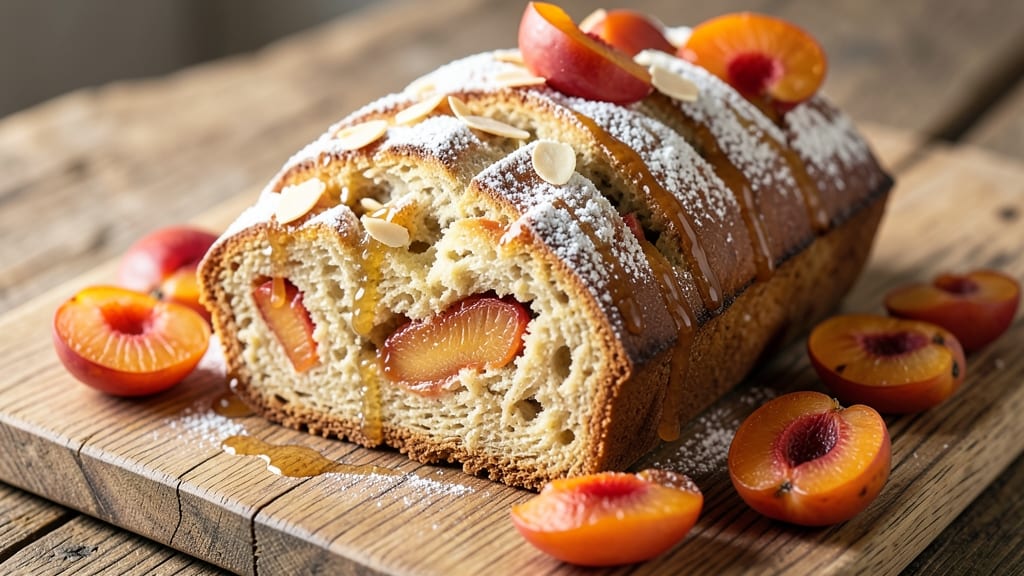
This apricot sweet bread recipe delivers a perfect balance of tender, buttery dough and bursts of fruity sweetness in every bite. 💛 The secret lies in a simple yet foolproof dough that develops rich flavor during proofing, while the apricot filling—whether fresh or dried—adds natural sweetness and moisture that keeps the bread irresistibly soft.
I've perfected this recipe over years of baking, ensuring the crust achieves that ideal golden-brown finish while the interior remains pillowy and fragrant.
The process starts with a basic yeast dough that's enriched with butter and sugar for extra richness, giving it that classic sweet bread texture.
After the first rise, we incorporate the apricot filling—whether you use fresh apricots simmered with sugar or dried apricots chopped finely—before shaping the dough into a loaf or braided loaf for an elegant presentation. The second rise ensures a light, airy crumb that's perfect for slicing and serving.
Baking at a precise temperature ensures the crust becomes beautifully golden while the interior stays tender and fragrant with apricot essence. The result is a sweet bread that's ideal for breakfast, brunch, or even as a dessert with a dusting of powdered sugar.
This recipe is designed to be approachable yet impressive, making it perfect for both everyday baking and special occasions.
Once baked, you can serve it warm with butter or jam, or let it cool slightly for clean slices. The combination of buttery dough and sweet apricot filling creates a harmony that's both comforting and delightful. Let's get started on creating your perfect apricot sweet bread!
Ingredients for apricot sweet bread
Buttery dough, fruity filling, and golden crust—this list brings it all together.
| Ingredient | Amount | Notes |
|---|---|---|
| Active Dry Yeast 🍞 | ¼ tsp | Ensure yeast is fresh |
| Warm Whole Milk 🥛 | ¾ cup | 110°F for yeast activation |
| Granulated Sugar 🍚 | ¼ cup | Divided into 2 portions |
| Unsalted Butter 🧈 | ½ cup | Softened, not melted |
| Large Eggs 🥚 | 1 whole | Room temperature preferred |
| All-Purpose Flour 🌾 | 3 ½ cups | Plus 1 tbsp for dusting |
| Salt 🧂 | ½ tsp | Kosher or sea salt |
| Fresh Apricots 🍑 | 1 cup | Pitted and chopped fine |
| Dried Apricots 🍑 | ½ cup | Chopped if using instead |
| Orange Zest 🍊 | 1 tsp | From 1 small orange |
| Vanilla Extract 🌸 | 1 tsp | Pure vanilla preferred |
| Powdered Sugar 🍚 | 2 tbsp | For final dusting |
| Coarse Sugar 🍚 | 2 tbsp | For sprinkling on top |
The yeast is your secret weapon here. King Arthur or Bob's Red Mill are my go-tos for reliable activation—nothing worse than waiting forever for dough to rise. Use whole milk warmed to 110°F (like a warm bath, not boiling). The butter? Land O'Lakes or Plugrá softens perfectly for that tender crumb. Fresh apricots are ideal, but Trader Joe's dried apricots work in a pinch—just chop them finely. If you're using dried, soak them in warm water for 10 minutes first to plump them up. The orange zest adds that bright pop of flavor—use a microplane for maximum aroma.
No fresh apricots? Substitute with peaches or mango—same sweetness, different vibe. Out of vanilla? Almond extract at half the amount works, but you'll taste the difference. The sugar is divided: half goes in the dough for richness, the rest sweetens the filling. For the filling, if you're using dried apricots, add 1 tbsp apricot jam to mimic the moisture of fresh fruit. The dough needs to be soft but not sticky—add 1 tbsp more flour if it's too tacky. And trust me on the room-temperature eggs—they mix in so much smoother.
This dough is a beast—it needs time to develop flavor. Let it rise until it's doubled, about 1-2 hours, in a warm spot (top of the fridge with a bowl of hot water works). The filling keeps best in the fridge for 3 days if you make it ahead, but the dough is best used fresh. Once baked, store the bread in an airtight container at room temperature for 2 days—it reheats beautifully in a 300°F oven for 10 minutes. Freeze slices for 1 month if you're prepping for the week. And that powdered sugar? Save some for garnish—it's the perfect finishing touch.
Why You'll Love This Recipe
- No Yeast Fuss: I swear by this dough—just toss in the yeast with warm milk, let it sit while I chop fruit, and boom. No kneading, no waiting hours. That butter and sugar combo makes it so tender, even my kids think I hired a baker.
- Sunshine in a Loaf: The apricot jam swirled in there? It’s like summer in every bite—sweet, tangy, and that buttery crust? Pure comfort. I’ll take this over store-bought any day.
- Breakfast or Snack: Serve it warm with jam for breakfast, or cut into thick slices for a midday pick-me-up. Honestly, I’ve even packed it for lunch when I’m in a rush. That egg-rich dough keeps it rich and satisfying.
- Budget Baking Win: A single batch costs me pennies but feels like a treat. The yeast and milk stretch far, and that sugar-butter ratio means every slice tastes like something special. Leftovers? They vanish faster than I can say “second helping.”
Step-by-step instructions for apricot sweet bread
This golden crust and buttery swirl bread comes together beautifully—let's make it happen!
👨🍳 Step 1: Activate the Yeast and Mix the Dough
In a small bowl, combine the 0.25 tsp active dry yeast with the 0.75 cup warm whole milk (110°F) and 0.05 cup (2 tbsp) of the granulated sugar. Let it sit for 5-10 minutes until frothy—this means your yeast is alive and ready to work its magic. If it doesn't bubble, your yeast might be old or the milk too hot.
In a large mixing bowl, cream together the 0.5 cup softened unsalted butter, the remaining 0.2 cup granulated sugar, and the 1 whole large egg until light and fluffy. This step is crucial for that tender crumb we're after. Add the yeast mixture, then stir in the 3.5 cups all-purpose flour and 0.5 tsp salt until just combined—don't overmix or you'll develop too much gluten.
🥘 Step 2: Fold in Apricots and Create the Swirl
Chop the 1 cup fresh apricots into small pieces (about ¼-inch cubes) and coarsely chop the 0.5 cup dried apricots if they're whole. Fold these into the dough along with the 1 tsp orange zest and 1 tsp vanilla extract. Gently mix until evenly distributed—you want those fruit pieces scattered throughout.
Here's where the fun happens: divide the dough in half and shape each piece into a rough rectangle on a floured surface. Roll each rectangle into a 12x8-inch log. Spread ½ of the dough with ¼ cup softened butter (reserve the rest for later), then sprinkle with ½ of the apricot mixture. Roll up tightly from the long side, sealing the edges. Repeat with the remaining dough, butter, and apricots.
🔥 Step 3: Shape and Proof the Loaves
Place each log seam-side down in a greased 9x5-inch loaf pan. Cover with a clean kitchen towel and let rise in a warm place for 1-1.5 hours until doubled in size. I like to turn the oven on to 200°F for 2 minutes to create a warm proofing environment—just enough to get things moving.
While the dough rises, preheat your oven to 350°F. Brush the tops with the remaining ¼ cup softened butter and sprinkle evenly with the 2 tbsp coarse sugar. This creates that gorgeous caramelized crust we all love. Proofing is complete when the dough reaches the top of the pan and springs back slowly when gently pressed.
🔥 Step 4: Bake to Golden Perfection
Bake for 40-45 minutes until the tops are deep golden brown and a toothpick inserted comes out clean. The bread should smell heavenly—like warm apricots and fresh-baked goodness. If the tops brown too quickly, tent with foil to prevent over-browning while the centers finish cooking.
Remove from the oven and immediately brush the tops with a simple syrup made by dissolving the 2 tbsp powdered sugar in 2 tbsp warm water. This gives that glossy finish and adds just a touch of sweetness. Let cool in the pans for 10 minutes before transferring to a wire rack to cool completely.
⏰ Step 5: Serve Warm with Extra Flourish
Slice while still warm for the most tender texture. The bread should have a tender crumb with pockets of juicy apricots throughout and that perfect balance of sweetness from the caramelized crust. Dust with additional powdered sugar if desired—it makes everything better!
Here's the thing—this bread tastes even better the next day when the flavors have fully melded. Wrap tightly in plastic and store at room temperature for up to 3 days, or freeze for up to 3 months. The secret to serving is to warm slices in a 350°F oven for 5-10 minutes to restore that fresh-baked magic.
Pro Tips For Making Apricot Sweet Bread
- TEST THE YEAST FIRST: Skip straight to mixing and you’re asking for trouble—especially with apricot bread’s sweetness masking weak yeast. Proof it in a small bowl with ¼ cup warm milk and 1 teaspoon sugar for 10 minutes. If it doesn’t bubble vigorously, toss it and start fresh. I learned this the hard way when my first batch turned out dense as a brick.
- USE COLD BUTTER FOR DOUGH: Cut that butter into the dough when it’s still cold—yes, even if the recipe says otherwise. Cold butter creates pockets that make the bread flaky and tender, not greasy. Cube it into ½-inch pieces and work fast to keep it firm. (I know, it’s counterintuitive, but trust me.)
- DON’T OVERMIX THE DOUGH: Once you add the flour, stop mixing the second everything comes together. Overworking the dough develops gluten, and that’s the last thing you want in a sweet, tender bread. Use a wooden spoon or your hands to gently fold—just until no dry bits remain. Your future self will thank you when the crumb stays soft.
- SOAK THE APRICOTS IN BRANDY: Drain the canned apricots, then toss them in 2 tablespoons brandy (or rum) with 1 teaspoon sugar for 10 minutes before folding into the dough. The alcohol enhances the fruit’s flavor and cuts through the richness of the butter. (Yes, it’s an extra step, but the difference is noticeable.)
Troubleshooting great apricot sweet bread
Dough Too Sticky?
If your dough feels too tacky to handle, don't panic—this is normal with yeast dough enriched with butter and fruit. Sprinkle your work surface with 1 extra tablespoon of flour and gently fold it into the dough until just combined.
Overworking it will toughen the texture, so keep it light. I find using King Arthur all-purpose flour helps absorb excess moisture better than some other brands. 💛
Yeast Not Activating?
If your yeast mixture doesn't bubble after 10 minutes, your yeast might be dead or the milk too hot. Test the milk temperature with a thermometer—it should be 110°F. If it's too hot, let it cool slightly.
For extra insurance, I keep a small jar of King Arthur instant yeast in my freezer—it's more forgiving and activates faster. Try again with fresh yeast and warm milk.
Filling Too Wet?
If your apricot filling is too moist, the bread may become gummy. For fresh apricots, simmer them with 1 tbsp sugar and 1 tsp lemon juice for 5 minutes to draw out excess liquid. Drain well before mixing into the dough.
For dried apricots, chop them extra fine and fold in 1 tbsp apricot jam to help bind the moisture. This trick keeps your bread tender without being soggy.
Bread Not Rising?
A cold kitchen can slow yeast activity. Create a warm proofing environment by placing your dough bowl on top of your 200°F oven with the light on (or a bowl of hot water nearby). The dough should double in size within 1-1.5 hours.
If it's still flat after this time, your yeast might be weak—try adding ¼ tsp extra yeast and letting it rise another 30 minutes.
Crust Too Pale?
A pale crust means your bread needs more time or a higher temperature. Brush the tops with egg wash (1 egg beaten with 1 tbsp water) before baking, then sprinkle with extra coarse sugar for caramelization.
Increase oven temperature to 375°F for the last 10 minutes of baking. I also recommend using a dark-colored baking pan—it absorbs heat better for a deeper color.
Apricots Sinking?
If your apricot pieces sink to the bottom during baking, your dough might be too wet or the fruit too heavy. For a lighter texture, fold in 1 extra tablespoon of flour with the apricots before rolling.
You can also lightly dust the dough pieces with flour before shaping to prevent sinking. Another trick? Place a parchment paper-lined tray under the loaf pan to catch any drips during baking. 🌟
Nutrition facts
Frequently asked questions about apricot sweet bread
Can I make this recipe without yeast?
This sweet bread relies on yeast for its light, airy texture, but you can adapt it as a quick bread by replacing the yeast with 1 tsp baking powder and 1 tsp baking soda. The dough will be denser, so increase the flour by 0.5 cups and bake immediately at 350°F for 35-40 minutes. The flavor will still be delicious, just with a different texture.
How do I store leftover apricot sweet bread?
Wrap cooled slices tightly in plastic wrap or store in an airtight container at room temperature for up to 3 days. For longer storage, freeze slices for 3 months—thaw at room temperature or warm in a 350°F oven for 5-10 minutes to restore freshness. The bread actually improves overnight as flavors meld!
Can I substitute other fruits for apricots?
Try peaches, plums, or blueberries for a different flavor profile. For stone fruits, chop them finely and simmer with 1 tbsp sugar and 1 tsp lemon juice for 5 minutes to soften. Berries work best when folded in with 1 tbsp jam to prevent sinking. Adjust sweetness by reducing sugar in the dough by 1 tbsp if using tart fruits.
Why does my bread have a dense texture?
Overmixing the dough develops too much gluten, making it tough. Mix just until combined, and avoid kneading. Another common issue is underproofing—ensure the dough doubles in size before baking. For extra tenderness, brush the baked loaf with melted butter while still warm. A 350°F oven should yield a light crumb when done properly.
Is this bread suitable for gluten-free diets?
This classic recipe requires gluten for structure, but you can adapt it with a 1:1 gluten-free flour blend (like Bob's Red Mill). Replace the yeast with 1.5 tsp gluten-free baking powder and 1 tsp xanthan gum. Expect a slightly denser texture, and proofing may take 10-15 minutes less. Test small batches first to adjust moisture levels.