
Side Dishes
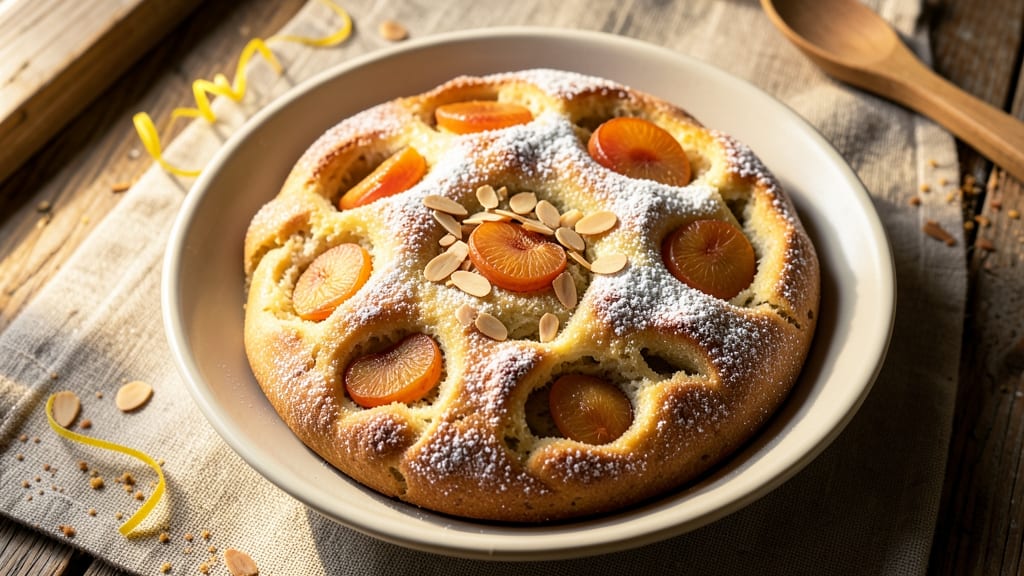
This apricot yeast bread recipe transforms a classic loaf into a fragrant, fruit-studded masterpiece with a tender crumb and golden crust. The secret lies in folding chopped dried apricots into the dough during the final knead, ensuring each bite delivers bursts of sweet-tart fruit.
I perfected this version after years of experimenting with fruit breads—balancing the natural sweetness of apricots with just enough yeast and butter to create a loaf that's both comforting and impressive.
The dough comes together in just 15 minutes of active work, with most of the magic happening during the 2-hour proofing in a warm kitchen. This slow rise develops deep flavor and a light, airy texture that's impossible to achieve with quick breads.
The apricots soften slightly during baking, releasing their jammy sweetness while maintaining enough texture to provide delightful surprises in every slice.
What you'll end up with is a loaf that smells like a bakery when it comes out of the oven—warm, buttery, and perfumed with apricot.
The crust develops a beautiful golden brown, while the interior remains tender and slightly sticky, the perfect balance for a bread that's satisfying on its own or paired with butter and jam.
This recipe builds on traditional yeast bread methods but adds the unexpected twist of fruit-infused flavor that makes it stand out.
Perfect for breakfast with jam, as a dessert with whipped cream, or even as a savory side when paired with sharp cheeses. The versatility of this bread makes it ideal for any occasion, from weekend brunches to holiday gatherings.
Let's get started on creating your own apricot-studded loaf that will have everyone asking for seconds.
Ingredients for apricot yeast bread
Sweet apricot bursts and buttery richness—this dough comes together faster than it smells amazing.
| Ingredient | Amount | Notes |
|---|---|---|
| All-Purpose Flour 🌾 | 5 cups | Sifted for light texture |
| Active Dry Yeast 🍞 | ¼ oz | Or 2.5 tsp (1 packet) |
| Granulated Sugar 🍚 | ¼ cup | For yeast activation |
| Unsalted Butter 🧈 | ½ cup | Cold, cubed for dough |
| Whole Milk 🥛 | ¾ cup | Warmed to room temp |
| Large Egg 🥚 | 1 whole | Room temperature |
| Salt 🧂 | 1 ½ tsp | Kosher or sea salt |
| Dried Apricots 🍑 | 1 cup | Chopped, unsulfured |
| Honey 🍯 | ¼ cup | For apricot glaze |
| Vanilla Extract 🌸 | 1 tsp | Pure vanilla preferred |
| Cornmeal 🌽 | ½ cup | For dusting bread pan |
| Coarse Sugar 🍚 | 2 tbsp | For bread topping |
The apricots make or break this bread. Look for unsulfured dried apricots at Trader Joe's or bulk bins—they hold their texture better. Chop them yourself (no food processor) for even distribution. I always buy a little extra because they disappear fast in other recipes too. The butter? Use unsalted—you control the salt here. If you grab salted by mistake, just reduce the kosher salt by half. The yeast is the heart of this bread, so make sure it's fresh—if it smells like nothing when sprinkled in warm water, toss it.
No vanilla extract? Vanilla bean paste works too, or even a pinch of ground cinnamon for warmth. Out of honey? Maple syrup at the same amount gives similar sweetness. The milk can be any kind—whole, 2%, even almond milk—but whole gives that rich, bakery-style texture. If your dough feels too sticky, add a splash more flour (about 1 tbsp at a time). And trust me, don't skip the proofing time—that's when all the flavor develops. If your kitchen is cold, just turn on the oven light to create a warm spot.
This bread keeps beautifully—3 days at room temperature wrapped in a towel, or 1 week in the fridge. For longer storage, freeze the whole loaf (up to 3 months)—thaw at room temp for 2 hours before slicing. The best part? It reheats perfectly. Wrap a slice in foil and warm it in a 200°F oven for 5 minutes. Or just enjoy it fresh out of the oven with a smear of butter—that's the real magic.
Why You'll Love This Recipe
- No-Knead Magic: I swear by this dough—just mix, let it rise, and bake. The yeast does all the work while I sip my morning coffee, and the butter-rich dough stretches effortlessly. No stand mixer, no fuss, just perfect texture every time.
- Sunshine in Every Bite: That first whiff of warm apricots baking into the bread? Irresistible. The caramelized sugar from the fruit pairs with the buttery crust, and the whole milk keeps it tender without being heavy. It’s the kind of bread you’ll reach for when you just need a little joy.
- Breakfast to Brunch Hero: Slice it thick for French toast, toast it for a quick snack, or serve it warm with jam for a lazy Sunday. The apricot swirl stays rich even after baking, so it’s just as good the second time around—(yes, even on a Tuesday night).
- Budget-Friendly Luxury: Flour, butter, and milk are pantry staples, and a single batch stretches to feed four for days. Freeze half for when you’re too tired to bake, and the leftovers? Still better than store-bought. My wallet and my taste buds win.
Step-by-step instructions for apricot yeast bread
Here's how to make a tender, fruity loaf with a golden crust and sweet apricot surprises throughout.
Activate the Yeast and Mix Wet Ingredients
In a small bowl, dissolve the 0.25 oz active dry yeast in the 0.75 cup warm whole milk (about 105-110°F). Let it sit for 5-10 minutes until foamy—this means your yeast is alive and ready to work. If it doesn't bubble, your yeast might be dead.
In a separate large bowl, whisk together the 0.5 cup cold cubed unsalted butter, 0.25 cup granulated sugar, 1 whole large egg, 1 tsp vanilla extract, and 1.5 tsp salt. Mix until the butter is just softened and incorporated. The warm milk mixture will help activate the yeast while keeping the butter from melting too quickly.
Combine Dry Ingredients and Form the Dough
Add the 5 cups sifted all-purpose flour to the wet ingredients and stir with a wooden spoon until just combined. The dough will be shaggy at first—that's normal. Gradually add the yeast-milk mixture and knead by hand for 5-7 minutes until smooth and elastic. If it feels too sticky, add 1-2 tablespoons more flour as needed.
For a softer dough, don't overwork it. You're looking for a texture that springs back when poked. Cover the bowl with a damp towel and let it rise in a warm place for 1-1.5 hours or until doubled in size. The kitchen counter near the oven works great for this—just make sure it's not too hot.
Fold in Apricots and Shape the Loaf
Once the dough has risen, punch it down to deflate. In a small bowl, combine the 1 cup chopped dried apricots and 0.25 cup honey. Stir well to coat the apricots in honey—this helps them soften and adds extra sweetness. Sprinkle this mixture evenly over the deflated dough.
Gently fold the dough over itself a few times to distribute the apricots evenly. Shape the dough into a 9x5-inch loaf pan, seam-side up. Brush the top with a little milk for extra shine, then sprinkle with 2 tbsp coarse sugar for a sweet, crunchy crust. Cover loosely with plastic wrap and let it rise for another 30-45 minutes until puffy.
Bake to Golden Perfection
Preheat your oven to 350°F. Lightly dust a 9x5-inch loaf pan with 0.5 cup cornmeal to prevent sticking. Transfer the risen dough to the pan and bake for 35-40 minutes until the top is golden brown and the internal temperature reaches 190°F. Tap the loaf—the sound should be hollow, not dull.
Let the bread cool in the pan for 10 minutes before transferring to a wire rack. This resting time helps the bread set properly. Once cooled, slice into 8 even servings and enjoy the tender crumb with sweet apricot bursts throughout. Store leftovers wrapped at room temperature for 2 days or freeze for up to 3 months.
Pro Tips For Making Apricot Yeast Bread
- Bloom the Yeast First: Skip mixing yeast straight into dry flour—it’s a common shortcut, but it kills flavor. Instead, dissolve it in warm (not hot) whole milk with a pinch of sugar for 5-10 minutes until frothy. This guarantees your bread rises properly and develops that light, airy texture apricot bread deserves.
- Use Cold Butter: I learned this the hard way—softened butter makes dough sticky and gummy. Cut that unsalted butter into small cubes and refrigerate it for 20 minutes before mixing. The cold fat creates flaky layers and prevents the apricot filling from turning the bread greasy.
- Don’t Overmix the Dough: Once you add the flour, stop mixing after 2-3 minutes. Overworking the dough develops gluten too much, and your bread will turn out dense instead of tender. The dough should look shaggy, not smooth—resist the urge to knead like you’re making pizza dough.
- Proof Until Doubled: The dough’s ready when it’s just about to overflow the bowl—don’t wait for it to collapse. If your kitchen’s drafty, cover it loosely with a damp towel instead of plastic. A fully proofed dough gives you that perfect rise, especially when packed with sweet apricot filling that can weigh it down.
Creative variations of this apricot yeast bread
Sweet Apricot Twist
For a more intense apricot flavor, try replacing the dried apricots with ½ cup apricot jam mixed into the dough during the final knead. Spread an extra ¼ cup jam on top before baking for a sticky, jammy crust.
I love using Smucker's Unsweetened Apricot Jam—it's less sugary and lets the fruit shine. 🍯
Savory Herb Variation
Transform this into a savory loaf by reducing the sugar to ¼ cup and adding 2 tbsp fresh rosemary and 1 tbsp dried thyme to the dough.
Top with 2 tbsp grated Parmesan before baking. This version pairs beautifully with soups or charcuterie boards. The herbs complement the apricots without overpowering them.
Cinnamon Swirl Version
Create a cinnamon swirl by mixing 2 tbsp brown sugar and 1 tbsp cinnamon into the apricot-honey mixture. After shaping the loaf, make 3-4 shallow cuts and press the cinnamon-sugar mix into the slits.
Brush with melted butter and bake as directed. The result is a fragrant, spiced loaf with pockets of sweetness. 🌶️
Fresh Apricot Option
Use 1 cup fresh apricots instead of dried by peeling, pitting, and chopping them into small cubes. Toss them in 1 tbsp lemon juice to prevent browning, then fold into the dough.
Fresh apricots add a juicier texture, but they release more moisture, so you may need to reduce the milk by 2 tbsp to keep the dough from becoming too sticky.
Gluten-Free Adaptation
For a gluten-free version, replace the all-purpose flour with a 1:1 gluten-free baking flour blend (like Bob's Red Mill). Add 1 tsp xanthan gum to help with structure. The dough will be stickier, so use a dough scraper and wet your hands to handle it.
Bake in a greased pan and expect a slightly denser but still delicious result. 🌾
Make-Ahead Freezer Loaf
Prepare the dough up to the shaping step, then wrap the shaped loaf tightly in plastic wrap and freeze for up to 1 month. When ready to bake, thaw in the fridge overnight, then proceed with the final rise and baking.
I love this for busy mornings—just pop it in the oven for 40-45 minutes at 350°F and enjoy warm bread with jam. ❄️
Nutrition facts
Frequently asked questions
Can I substitute fresh apricots for dried in this recipe?
Yes, but you'll need to adjust the moisture balance. Use 1 cup chopped fresh apricots and toss them in 1 tbsp lemon juice first to prevent browning. Reduce the milk by 2 tbsp since fresh fruit adds more moisture. The texture will be juicier but equally delicious!
Why did my bread turn out dense instead of light and airy?
Dense bread usually means one of three things: yeast wasn't activated (check for bubbles in warm milk), over-kneading (stop when dough springs back), or skipping proofing time. Let the dough rise until doubled both times—this is crucial for that perfect texture. A warm oven with the light on helps speed up proofing in cold kitchens.
How can I make this bread more flavorful?
Try these pro tips: Add 1 tsp cinnamon to the dough for warmth, or swap half the milk for orange juice to brighten the apricot flavor. For extra richness, fold in 2 tbsp chopped candied citrus peel with the apricots. The butter and honey already provide sweetness, so these additions enhance without overpowering.
Can I use this dough for other shapes besides a loaf?
Roll it out for cinnamon rolls (cut into strips, roll with cinnamon-sugar), shape into buns for sandwiches, or make pull-apart bread by shaping into a round and cutting into wedges. The dough's versatility makes it perfect for breakfast pastries or dinner rolls—just adjust baking times for smaller shapes.
How do I store leftovers to keep them fresh?
Wrap cooled slices in parchment paper and store in an airtight container at room temperature for 2 days. For longer storage, freeze slices on a tray first (to prevent sticking), then transfer to a bag for up to 3 months. To reheat, wrap a slice in foil and warm in a 200°F oven for 5 minutes—or enjoy cold with jam!