
Side Dishes
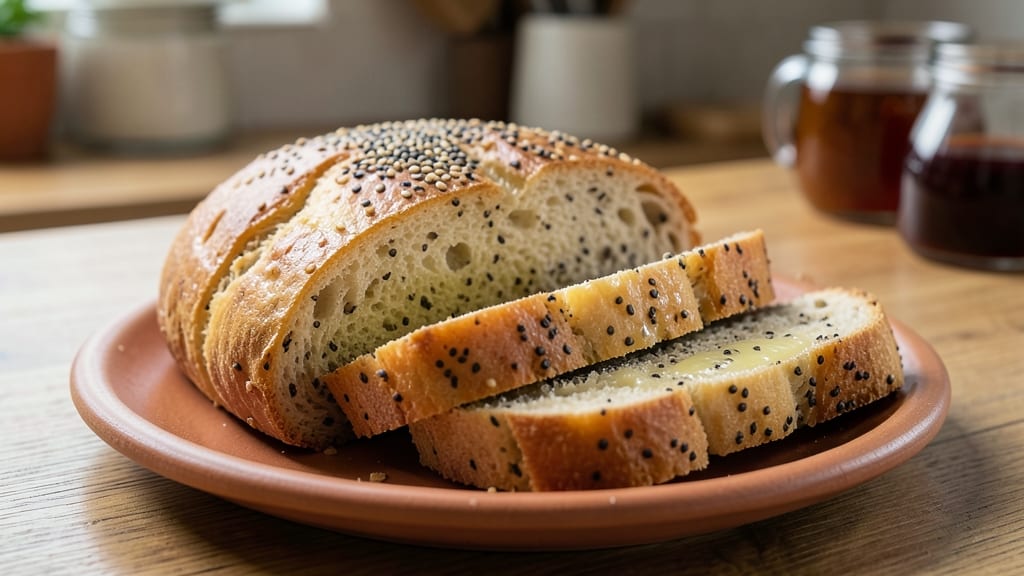
This Arabic sweet bread recipe delivers the perfect balance of fluffy texture and aromatic cardamom, inspired by traditional Middle Eastern baking techniques. The dough combines simple ingredients—flour, yeast, sugar, and butter—to create layers of golden, buttery goodness that pairs beautifully with tea or jam.
I've perfected this recipe over years of baking, ensuring every loaf rises perfectly and develops that signature tender crumb.
The secret lies in the dough's development: a gentle knead followed by a long rise allows the gluten to relax and the flavors to meld. Cardamom infuses warmth, while a touch of sugar caramelizes slightly during baking, adding depth.
For extra richness, a light butter brush before baking creates those coveted flaky layers that make this bread irresistible. Whether serving fresh from the oven or toasted the next morning, it's a staple that transforms any meal.
What makes this recipe stand out is its versatility—use it as a side for breakfast, pair it with clotted cream and jam for a British-inspired treat, or enjoy it plain with a steaming cup of Arabic coffee.
The process is straightforward, but the results are anything but ordinary. With just a few simple ingredients and patience, you'll achieve a loaf that rivals the best bakery finds.
For an added touch, sprinkle sesame seeds or drizzle honey over the baked bread, or brush with a cardamom-infused glaze for extra aroma. The key is attention to detail during kneading and shaping, ensuring an even rise and a perfectly scored crust.
This bread isn't just a recipe—it's a tradition brought to life in your kitchen.
Ingredients for arabic sweet bread
Simple flour, yeast, and butter transform into layers of golden, cardamom-kissed sweet bread.
| Ingredient | Amount | Notes |
|---|---|---|
| All-Purpose Flour 🌾 | 4 cups | Sifted for even texture |
| Granulated Sugar 🍚 | ¼ cup | White or light brown |
| Active Dry Yeast 🍞 | 2 ¼ tsp | Freshly opened packet |
| Unsalted Butter 🧈 | ½ cup | Cold, cubed for dough |
| Warm Whole Milk 🥛 | ½ cup | 110°F for yeast activation |
| Large Egg 🥚 | 1 whole | Room temperature |
| Ground Cardamom 🌿 | 1 tsp | Freshly ground preferred |
| Fine Sea Salt 🧂 | ½ tsp | Diamond Crystal preferred |
| Melted Butter 🧈 | 2 tbsp | For brushing layers |
| Sesame Seeds 🌾 | 1 tbsp | Optional for topping |
| Honey 🍯 | 1 tbsp | For drizzling (optional) |
The flour is the foundation—King Arthur or Gold Medal brands work best for that tender crumb. Cardamom is non-negotiable here; Penzeys Spices or bulk bins at Middle Eastern markets carry the best quality. For the butter, Plugrá or Land O'Lakes unsalted melt beautifully during baking. Keep your yeast fresh—if it smells old or looks discolored, toss it. The milk needs to be warm enough to activate the yeast but not hot enough to kill it—110°F is perfect. If you're in a hurry, use a thermometer; otherwise, dip your finger in and it should feel like bathwater.
No cardamom? Cinnamon at half the amount gives a similar warmth, though it lacks the unique floral note. Running short on butter? Coconut oil works in a pinch, but it won’t give the same rich flavor. Substitute honey with maple syrup or agave if needed, though honey’s caramelization is ideal. For a quicker rise, use instant yeast at the same weight—just skip the proofing step. Sesame seeds can be swapped for poppy seeds or crushed pistachios if you prefer. And if you’re baking for a crowd, double the recipe—just be ready for seconds.
This dough is best made a day ahead. Shape the loaves and let them rise overnight in the fridge for 8-12 hours—this slow rise enhances the flavor. Once baked, store wrapped at room temperature for 3 days or freeze for 3 months. To reheat, wrap in foil and warm in a 350°F oven for 10 minutes. The bread freezes beautifully too—just thaw at room temperature before serving. For extra flakiness, brush the baked loaves with melted butter and a pinch of cardamom while still warm.
Why You'll Love This Recipe
- No-Knead Magic: I swear by this dough—just mix, let it rise, and fold once. No stand mixer, no fancy tools, just your hands and patience (well, 20 minutes of it). That warm milk and butter make the dough so tender, it practically melts in your mouth.
- Sweet Butter Bliss: The sugar and butter in this dough? Chef’s kiss. It’s not cloyingly sweet—just rich, with that perfect balance where every bite has a little caramelized edge from the butter. Honestly, I’ve made it plain, with cardamom, even a hint of orange zest, and it’s always a win.
- Breakfast or Snack: This bread is my go-to for lazy mornings (toast it with jam) or afternoon pick-me-ups (dip in tea). Freeze half the batch—thaw slices in the toaster, and boom, instant breakfast. My kids grab it straight from the fridge like a muffin.
- Budget-Friendly Staple: Flour, sugar, butter—these are pantry basics that stretch far. A single batch feeds my family for days, and the leftovers? Perfect for French toast or breadcrumbs. I’ll be real: I’ve made this on a $5 grocery run, and it still tasted amazing.
Step-by-step instructions for cardamom-kissed fluff with buttery layers
Here's the method for creating tender, aromatic layers with a signature Middle Eastern touch.
Activate the Yeast and Mix the Dough
In a large mixing bowl, combine the 0.5 cup warm whole milk with the 0.25 cup granulated sugar and 2.25 tsp active dry yeast. Let it sit for 5-10 minutes until frothy—this confirms the yeast is active. If it doesn't bubble, your bread won't rise properly.
Add the 1 whole large egg, 1 tsp ground cardamom, and 0.5 tsp fine sea salt to the milk mixture. In a separate bowl, whisk together the 4 cups all-purpose flour and the 0.5 cup cold unsalted butter (cut into small cubes). Gradually pour the wet ingredients into the dry while mixing with a wooden spoon until a shaggy dough forms.
Knead Until Smooth and Elastic
Turn the dough onto a lightly floured surface and knead for 8-10 minutes until smooth and elastic. You'll know it's ready when it springs back slowly when poked. This step develops gluten, which gives the bread its signature tender crumb.
If the dough feels too sticky, add 1 tablespoon flour at a time until it comes together cleanly. Shape into a round loaf, place in a lightly greased bowl, and cover with a damp towel. Let it rise in a warm place for 1-1.5 hours until doubled in size—this warm environment helps the yeast work efficiently.
Shape and Layer for Signature Texture
Punch down the risen dough and divide it into 4 equal portions. Roll each portion into a thin rectangle (about 1/8-inch thick) on a floured surface. Brush each layer with 1 tablespoon melted butter, then sprinkle lightly with 1/4 tsp cardamom and a pinch of salt.
Stack the layers with the second rectangle at a slight angle to create a spiral effect. Gently press the edges to seal, then place on a parchment-lined baking sheet. Cover again and let rise for 30-45 minutes until puffy—this second rise ensures those signature fluffy layers.
Bake Until Golden and Fragrant
Preheat your oven to 350°F with a baking dish inside to create steam. Brush the top of the loaf with the remaining 1 tablespoon melted butter and sprinkle with 1 tablespoon sesame seeds (optional). Bake for 30-35 minutes until golden brown and internal temperature reaches 190°F.
For extra richness, drizzle with 1 tablespoon honey while still warm. Let cool for 10 minutes before slicing—this resting period prevents crumbling and allows the layers to set properly. The bread should have a tender, slightly chewy texture with distinct buttery layers throughout.
Pro Tips For Making Arabic Sweet Bread
- TEST YEAST FIRST: Skip the guesswork—mix 1 packet yeast with ¼ cup warm milk and 1 tsp sugar, then wait 5-10 minutes for bubbles. If nothing happens, your bread’s rise will be a sad, flat joke. (I learned this the hard way after a batch that looked like a pancake.)
- SOFTEN BUTTER PROPERLY: Cold butter = tough dough. Cut it into small cubes and let them sit at room temp for 15-20 minutes until they dent easily when pressed. Overworked dough with firm butter? Your bread will fight you every step.
- DON’T OVERMIX THE DOUGH: Once the flour’s incorporated, stop. Overmixing develops gluten, and this dough needs tenderness, not chewiness. Use a light hand—fold just until combined, like you’re tucking in a baby, not kneading breadsticks.
- BRUSH WITH MILK BEFORE BAKING: Whisk 1 tbsp warm milk with 1 tsp sugar, then brush the top of shaped dough before baking. It guarantees a golden, crackly crust instead of a sad, pale dome. (Yes, it’s extra work, but the result is worth it.)
Make-ahead tips for arabic sweet bread
Overnight Prep Advantage
Shape your loaves the night before and refrigerate them for 8-12 hours—this slow rise deepens flavor and improves texture. I cover mine with a damp towel inside a plastic bag to prevent drying.
The cold slows yeast activity just enough to let gluten relax fully, resulting in a more tender crumb. Pro tip: Use a kitchen scale to divide dough evenly for consistent baking. 🌙
Freezer-Friendly Layers
This bread freezes beautifully for up to 3 months without losing quality. After baking, cool completely, wrap tightly in plastic wrap, then foil, and label with the date. To reheat, thaw at room temperature for 2 hours or warm wrapped in foil at 350°F for 10 minutes.
The layers stay distinct and buttery—just like fresh from the oven.
Double Batch Strategy
For gatherings, double the recipe but divide into 8 portions instead of 4. Shape and freeze half the loaves before baking—this saves time and ensures you always have fresh bread.
I bake one batch immediately and freeze the rest. When ready to serve, simply thaw and warm. This method guarantees you'll never run out during tea time. ✨
Make-Ahead Glaze
Prepare a cardamom glaze ahead by mixing ½ cup melted butter with 1 tsp ground cardamom and 2 tbsp honey. Store in an airtight container in the fridge for up to 1 week.
Brush on baked bread while still warm for instant flavor. I keep a small jar in my pantry for quick touch-ups—it elevates any loaf in seconds.
Storage Hacks
Keep baked bread at room temperature in a canvas-lined basket for up to 3 days—the breathable fabric prevents sogginess. For longer storage, slice and freeze individual portions.
Toast frozen slices directly in a toaster for 2-3 minutes—they'll taste like they just came out of the oven. This works especially well for breakfast prep.
Yeast Proofing Test
Always test your yeast the night before if making ahead. Mix 1 tsp yeast with ¼ cup warm milk and 1 tsp sugar—it should bubble within 10 minutes. If it doesn't, your dough won't rise properly.
I keep a small jar of proofed yeast in the fridge for up to 3 days—just add it straight to the dough the next day. This eliminates last-minute stress. 💡
Nutrition facts
Frequently asked questions
Can I substitute cardamom in this sweet bread?
Yes, but the flavor will change slightly. Use ½ teaspoon cinnamon for warmth or ¼ teaspoon orange zest for brightness. Cardamom's floral notes are unique, though—nothing quite replaces them! For a similar aromatic profile, try ½ teaspoon ground allspice instead.
Why did my bread turn out dense instead of fluffy?
This usually happens if the yeast wasn't active or the dough didn't rise long enough. Always test your yeast first by mixing it with warm milk and sugar—it should bubble within 5-10 minutes. Also, ensure your kitchen is warm (around 75°F) for rising, and let the dough double in size before shaping. Over-kneading can also make bread dense—stop when it springs back slowly when poked.
How do I store leftovers to keep them fresh?
Wrap baked bread tightly in plastic wrap or foil and store at room temperature for up to 3 days. For longer storage, slice and freeze portions in airtight bags for 3 months. To reheat, thaw slices at room temperature or warm in a 350°F oven for 5-10 minutes wrapped in foil. Toasting frozen slices works too—they'll taste fresh!
Can I make this bread without butter for a lighter version?
Replace the butter with ½ cup melted coconut oil or olive oil for a lighter texture. Reduce the sugar slightly to ¼ cup to balance the richness. The bread will still be tender but with a more neutral flavor. For extra flakiness, brush layers with melted oil instead of butter before baking.
What’s the best way to serve this sweet bread?
Enjoy it fresh with Arabic coffee or mint tea for a traditional pairing. Try it with clotted cream and jam for a British-inspired treat, or toast slices lightly for breakfast. The layers also make great French toast—dip in an egg-milk-cinnamon batter and cook until golden. For a festive touch, drizzle with honey or sprinkle with crushed pistachios.