
Side Dishes
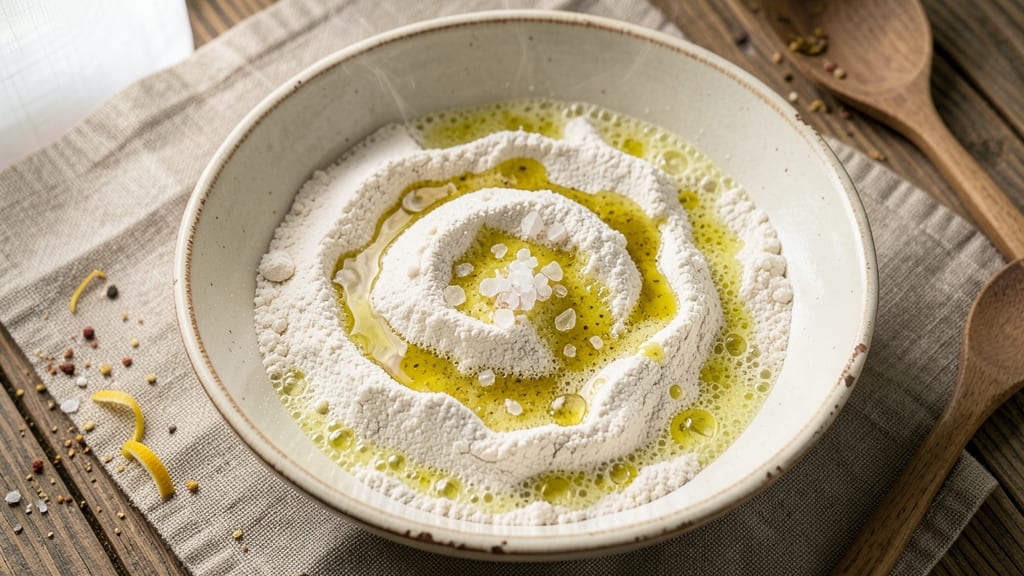
This Argentinian bread recipe delivers the signature flaky layers and golden crust that make pan de campo a staple at every media mañana. The secret lies in a simple dough infused with olive oil—a hallmark of Argentinian baking that creates tender, melt-in-your-mouth texture with every bite.
Unlike dense breads, this version rises just enough to create those delicate, airy pockets while maintaining a crisp exterior. The process is straightforward but requires patience: letting the dough rest overnight develops deep flavor and ensures the layers separate beautifully in the oven.
I’ve tested this recipe countless times, and the key to success is working with cold dough when shaping—this prevents the layers from sticking and guarantees that signature olive oil kiss in every slice. The aroma alone will transport you to a bustling Buenos Aires bakery.
What you’ll end up with is bread that’s perfect for serving alongside mate, dipping in olive oil, or pairing with cheeses and cured meats. The crust stays crisp for hours, while the interior remains soft and buttery, making it ideal for both casual snacks and special occasions.
This isn’t just bread—it’s a taste of Argentina in every bite. Whether you’re baking for a gathering or treating yourself to a homemade indulgence, this recipe delivers restaurant-quality results with minimal effort.
Let’s get started on creating your own pan de campo—the way Argentinians have been enjoying it for generations.
Ingredients for argentinian bread
Simple ingredients transform into Argentina's iconic flaky bread with olive oil's signature richness.
| Ingredient | Amount | Notes |
|---|---|---|
| All-Purpose Flour 🌾 | 4 cups | Spooned and leveled for accuracy |
| Extra-Virgin Olive Oil 🫒 | ¾ cup | High-quality, fruity variety |
| Active Dry Yeast 🍞 | ¼ oz | Or 2 1/4 tsp (1 packet) |
| Granulated Sugar 🍚 | 1 tbsp | For yeast activation |
| Warm Water 💧 | 1 ¼ cups | Lukewarm, not hot |
| Salt 🧂 | 1 ½ tsp | Fine sea salt preferred |
| Coarse Sea Salt 🧂 | 1 tbsp | For sprinkling on top |
| Cornmeal 🌽 | ½ cup | For dusting work surface |
| Semolina Flour 🌾 | ¼ cup | For dusting dough layers |
| Large Egg 🥚 | 1 whole | Optional for egg wash |
The olive oil is non-negotiable here—look for extra-virgin with a fruity, peppery finish. Trader Joe's and Whole Foods bulk bins have great options, but any good grocery store carries it. If you're unsure, check the label for 'first cold press' and '100% olive oil'—no blends. The yeast should be fresh, so grab it from the refrigerated section. King Arthur or Saf-Instant work well, but if your yeast is older than a few months, test it first by mixing with warm water and sugar—it should foam in 5-10 minutes. The flour? King Arthur or Gold Medal are my go-tos—they have that perfect balance of protein for tender layers.
No extra-virgin olive oil? Light olive oil works in a pinch, but the flavor won't be as rich. Short on cornmeal? Semolina or all-purpose flour will do, though semolina gives a nicer texture. The egg wash is optional, but if you skip it, brush the crust with a little extra olive oil for that golden finish. For the yeast, if you don't have active dry, instant yeast at half the amount works—just mix it directly with the flour. And if your dough feels too sticky after the first rise? Add 1 tbsp more flour gradually until it's just manageable. The key is patience—don't rush the overnight rest, even if it's tempting.
This dough keeps beautifully in the fridge for up to 3 days before baking, so you can prep ahead. Once baked, the bread stays fresh for 2-3 days at room temperature wrapped in a clean kitchen towel. For longer storage, freeze slices wrapped in plastic—they'll stay crisp for up to 2 weeks. I always bake an extra loaf and freeze half. The crust gets crunchier as it sits, so reheat slices in a 350°F oven for 5 minutes to revive that bakery-fresh crunch. And trust me, the aroma alone will make your kitchen smell like a Buenos Aires bakery.
Why You'll Love This Recipe
- Here’s the secret: the olive oil in the dough gives it that golden, shatteringly crisp crust while keeping the inside pillowy and tender. It’s not dense like a sandwich loaf, not fluffy like brioche—it’s just right, with a texture that begs for you to tear off another slice. Honestly, my husband steals it straight from the pan.
- Five-Ingredient Magic: The pantry staples you already own—flour, olive oil, yeast—come together with zero fuss. No fancy tools, no waiting hours for dough to rise like some overcomplicated sourdough experiment. Just mix, knead (okay, fine, punch it a few times), let it rest, and bake. That’s it. I’ve made this on a Tuesday night with a toddler on my hip—proof it works.
- Crusty Yet Soft: Here’s the secret: the olive oil in the dough gives it that golden, shatteringly crisp crust while keeping the inside pillowy and tender. It’s not dense like a sandwich loaf, not fluffy like brioche—it’s just right, with a texture that begs for you to tear off another slice. Honestly, my husband steals it straight from the pan.
- Every Meal’s Sidekick: This bread isn’t just for toast. I use it for facturas (Argentinian pastries) when company drops by, as a base for grilled cheese when it’s raining, or even toasted with jam for breakfast. Freeze half the batch—thawed slices toast up like they’re fresh. It’s the one loaf that does it all without trying too hard.
Step-by-step instructions for Argentinian bread with olive oil flavor
Here's how to create that signature flaky texture and aromatic olive oil kiss that makes this bread so special.
Activate the Yeast for Maximum Rise
In a small bowl, combine the 1.25 cups warm water, 1 tbsp granulated sugar, and 0.25 oz active dry yeast. Let it sit for 5-10 minutes until you see plenty of bubbles forming on the surface. This tells you your yeast is alive and ready to work.
If you don't see bubbles after 10 minutes, your yeast might be dead—start fresh with a new packet. The warm water should feel like bathwater temperature, not hot to the touch. Too hot water kills yeast, and too cold water prevents activation. This step is crucial for that perfect rise that gives the bread its airy texture.
Mix the Dough Until Just Combined
In a large bowl, combine the 4 cups all-purpose flour and 1.5 tsp salt. Make a well in the center and pour in the yeast mixture along with the 0.75 cup extra-virgin olive oil. Using a wooden spoon, gently mix until everything comes together.
Once the dough starts forming, switch to your hands and knead on a lightly floured surface for about 8-10 minutes until smooth and elastic. You'll know it's ready when it springs back slowly when poked. Don't overwork it—this can develop too much gluten and make the bread dense instead of flaky. The olive oil will keep the dough tender while adding that signature flavor.
First Rise for Perfect Texture Development
Shape the dough into a ball, place it back in the bowl, cover with a damp towel, and let it rise in a warm place for 1-2 hours or until it has nearly doubled in size. A good test is to gently press two fingers into the dough—if the indent stays, it's ready.
This rising time allows the gluten to relax and the yeast to create gas bubbles that will give your bread that light, airy crumb. Don't rush this step—rushing leads to dense bread. If your kitchen isn't warm enough, place the bowl near a slightly warmed oven with the light on to create a cozy environment for the yeast to work its magic.
Shape and Layer for Signature Flaky Layers
Punch down the risen dough and divide it into 4 equal pieces. Roll each piece into a 12-inch log about 2 inches wide. On a floured surface, gently press each log into a rectangle about 8x12 inches. Brush each rectangle with a little water, then sprinkle lightly with semolina flour.
Roll up each rectangle tightly from the long end, sealing the seam. Place each log seam-side down on a baking sheet dusted with cornmeal. Cover and let rise for another 30-45 minutes until puffy. The semolina flour creates that beautiful golden crust while keeping the layers distinct. This layering technique is what gives Argentinian bread its signature flaky texture—don't skip this step!
Bake to Golden Perfection with Olive Oil Shine
Preheat your oven to 375°F. Brush the risen loaves with the 1 whole large egg (optional but recommended for that beautiful shine). Sprinkle generously with 1 tbsp coarse sea salt right before baking. Bake for 25-30 minutes until golden brown and hollow-sounding when tapped on the bottom.
For extra crispiness, you can broil for 1-2 minutes at the end, watching closely to avoid burning. The salt sprinkle on top creates that beautiful crust while adding flavor. Let the bread cool on a wire rack for 10 minutes before slicing—this prevents a gummy texture. The aroma of freshly baked bread with that olive oil kiss will make your kitchen smell amazing!
Pro Tips For Making Argentinian Bread
- Bloom the Yeast First: Skip mixing yeast directly into dry flour—it’s a waste of time and can kill the yeast if the water’s not just warm enough (think bathwater, not scalding). Dissolve the yeast and sugar in the warm water first, let it sit for 5-10 minutes until frothy. If it doesn’t bubble, your bread will be flat and sad—trust the foam.
- Oil Over Water: This isn’t your grandma’s bread. The olive oil isn’t just for flavor—it’s what makes the dough tender and those iconic flaky layers. Use the full 2 tablespoons (or more if you’re feeling generous) and mix it into the flour first, rubbing it in like butter. That way, it distributes evenly, not pools at the bottom.
- Knead Like You Mean It: Argentinian bread dough is supposed to be sticky. Don’t fight it—wet your hands and work it for a solid 8-10 minutes until it springs back when poked. I used to skimp here, and the bread turned out dense. The gluten needs this workout to hold its shape and chew. (Yes, even if you’re impatient like me.)
- Proof Until It Doubles: The dough’s ready when it’s not ready—it should puff up to nearly double its size, with slow, lazy bubbles forming on the surface. Cover it loosely (a bowl with a towel works) and give it time. Rushing it here means a compact, tough loaf. My first attempt looked perfect but collapsed in the oven because I didn’t wait long enough. Learn from my mistake.
Troubleshooting perfect results
Dough Too Sticky?
If your dough feels too wet after the first rise, don’t panic—this is normal with olive oil-rich doughs. Gradually add 1 tbsp more flour at a time while kneading until the dough is just manageable.
Overworking it will toughen the texture, so stop as soon as it holds together. For extra insurance, chill the dough for 30 minutes before shaping—this firms it up and makes handling easier. 💡
Layers Not Forming?
Flaky layers happen when dough rests properly and is rolled tightly. If your layers are merging, ensure you’re using semolina flour (not all-purpose) between layers—it creates a barrier. Also, keep the dough cold when shaping; warm dough is more likely to stick.
Roll each log snugly and seal the seam tightly to prevent air from escaping during baking.
Bread Too Dense?
Dense bread usually means over-kneading or under-rising. For future batches, knead just until the dough springs back slowly when poked (8-10 minutes max). Let it rise until it’s almost doubled in size—don’t rush this step!
If your kitchen is cold, place the dough near a warm oven with the light on to speed up fermentation. The olive oil also needs time to infuse flavor, so patience pays off.
Crust Not Crispy Enough?
For a crispier crust, brush the baked bread with a mix of 2 tbsp melted butter and 1 tbsp olive oil while still warm. Broiling for 1-2 minutes at the end of baking also helps, but watch closely to avoid burning.
Sprinkle coarse sea salt right before baking—it draws out moisture and enhances browning. Let the bread cool completely on a wire rack before slicing to maintain crispness.
Yeast Not Activating?
If your yeast doesn’t bubble within 10 minutes, it’s likely dead. Test new yeast by mixing 1 packet with ¼ cup warm water and 1 tsp sugar—it should foam in 5-10 minutes. Store-bought yeast lasts about 4 months in the fridge, so check the date.
For instant yeast, skip the activation step and mix it directly with the flour. Always use water that’s 110°F—hotter water kills yeast, while cooler water slows it down.
Dough Overproofed?
Overproofed dough collapses during baking, losing its rise. To fix this, shape the dough immediately after the first rise and bake right away—skip the second rise if needed. If you’ve already let it rise too long, punch it down and let it rest for 10 minutes before shaping.
Keep an eye on the dough: it’s ready when it springs back slowly when poked, not instantly. The olive oil helps mask overproofing slightly, but texture will still suffer.
Nutrition facts
Frequently asked questions about Argentinian bread
Can I make this bread without semolina flour?
Yes, but the texture will differ slightly. Use all-purpose flour or cornmeal instead, though semolina creates that signature crispy crust. For best results, mix ¼ cup semolina with ¼ cup all-purpose flour to mimic the traditional texture. The key is keeping the layers distinct, so brush with water and sprinkle generously before rolling.
How do I store leftover Argentinian bread?
Wrap cooled slices in a clean kitchen towel or plastic wrap to maintain crispness for 2-3 days at room temperature. For longer storage, freeze slices individually for up to 2 weeks. Reheat in a 350°F oven for 5 minutes to restore that bakery-fresh crunch. The crust stays crispy even when reheated properly!
Why does my dough smell like olive oil but not taste like it?
The olive oil flavor develops during baking and cooling. For stronger flavor, use high-quality extra-virgin olive oil and let the bread rest 10 minutes after baking before slicing. The heat releases the oil's aromatic compounds—think of it like how garlic bread needs time to develop its scent. If you want extra flavor, brush warm bread with a mix of olive oil and melted butter.
Can I make this bread in a Dutch oven?
Shape the dough into a round loaf instead of logs, place it in a greased Dutch oven, and bake at 375°F for 30-35 minutes. The Dutch oven traps steam, creating a softer crust. For extra crispiness, transfer to a baking sheet for the last 10 minutes. This method works especially well for holiday gatherings when you want to impress with a showstopping bread.
What's the best way to serve this bread?
Argentinian bread shines with olive oil drizzled on top, paired with dulce de leche, or served alongside cheese and cured meats. For a traditional touch, serve with mate tea during media mañana (afternoon snack). The crispy crust makes it perfect for dipping, while the soft interior pairs beautifully with rich spreads like almond paste or chocolate.