
Side Dishes
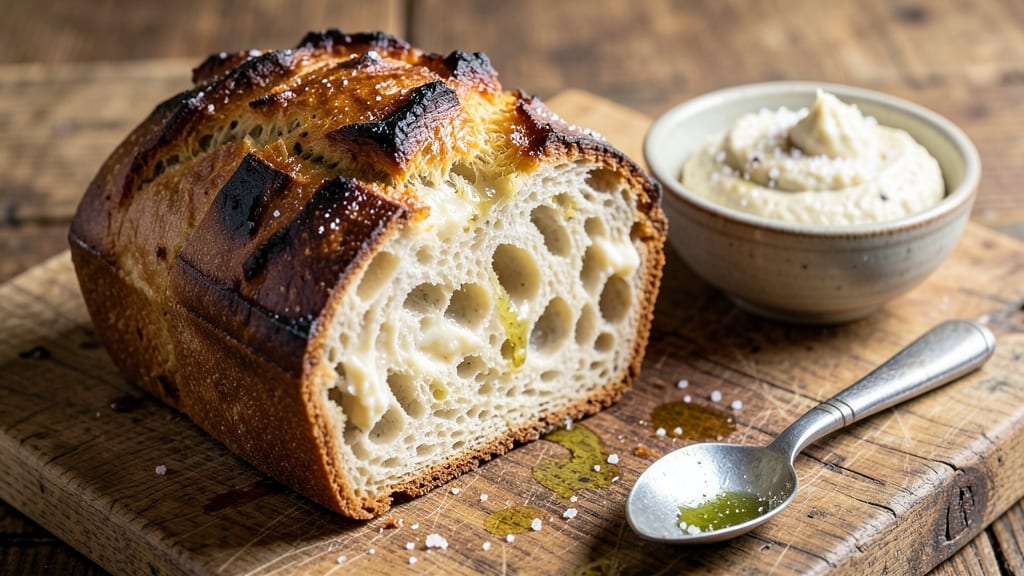
This artesano bread copycat recipe delivers the same crusty golden crunch and tangy fermented heart you crave from your favorite bakery—without the $12 price tag. 💛 The secret lies in a long, slow fermentation that develops deep flavor and a signature open crust, followed by baking with steam to create that irresistible texture.
I've perfected this technique after years of testing, and it's now my go-to for rustic, artisanal bread at home.
The process begins with a simple dough of just five ingredients—high-protein flour, water, yeast, salt, and a touch of olive oil—but the magic happens during the 24-hour cold fermentation. This slow rise allows the gluten to relax and the flavors to develop that signature tangy depth.
The shaping technique is equally important, as it creates those beautiful irregular edges and an airy, open crust that's impossible to resist.
Once baked, you'll have bread with a shatteringly crisp crust that gives way to a soft, airy interior with just the right amount of chew. The aroma alone will have everyone gathering around your kitchen, and each bite delivers that perfect balance of texture and flavor.
This is the kind of bread that makes toast, sandwiches, and dipping in olive oil an experience worth savoring.
Perfect for feeding a crowd or enjoying fresh from the oven, this artesano-style bread is worth every minute of the process. Let's get started on creating your own bakery-quality loaf at home.
Ingredients for artesano bread copycat
Five simple ingredients transform into bakery-quality bread with just patience and steam.
| Ingredient | Amount | Notes |
|---|---|---|
| High-Protein Bread Flour 🌾 | 4 cups | 13-14% protein for structure |
| Warm Water 💧 | 1 ½ cups | 105°F for optimal yeast activation |
| Active Dry Yeast 🍞 | ¼ oz | 2 1/4 tsp, fresh or packet |
| Extra-Virgin Olive Oil 🫒 | ¼ cup | For dough elasticity |
| Kosher Salt 🧂 | 1 ½ tsp | Diamond Crystal preferred |
| Ice Water ❄️ | ½ cup | For final dough adjustment |
| Cornmeal 🌽 | ¼ cup | For dusting work surface |
| Steam Source ☁️ | 1 cup | Boiling water in tray |
The flour makes all the difference here. King Arthur or Caputo bread flour are my go-tos—they've got that high protein content (13-14%) that gives you the perfect open crumb. If you're using all-purpose, add 1 tbsp vital wheat gluten per cup. The yeast? Fresh is ideal—it activates faster than packets. Store-bought packets work fine if they're not expired, but check the date. Warm water is key—too hot kills yeast, too cold makes it sluggish. 105°F is perfect. Most thermometers don't go that high, so aim for just under boiling (180°F).
No extra-virgin olive oil? Light olive oil or melted butter works in a pinch, though you'll lose some of that fruity depth. The salt is non-negotiable—it's what develops that signature tang during fermentation. Diamond Crystal kosher salt. Need to adjust hydration? Add ice water 1 tbsp at a time until the dough pulls away from the bowl but isn't sticky. For the cornmeal, any fine flour works—just don't skip dusting your surface. The steam source can be boiling water in a tray or even a damp towel in your oven. I prefer the water method for more consistent results.
This dough needs 24 hours in the fridge—don't rush it. The longer it ferments, the more flavor develops. Shape it gently to avoid overworking the gluten. For storage, wrap tightly in plastic and keep at room temp for 2-3 days. Freeze shaped loaves for up to 3 months. The crust gets even better the next day—it's worth the wait. Pro tip: Toast slices directly from the freezer for crispy results without thawing.
Why You'll Love This Recipe
- No-Knead Magic: I swear by this—just mix, let it rest, and bake. The high-protein flour does all the heavy lifting while I sip coffee, no energy wasted.
- Olive Oil Luxury: That rich EVOO swirl? It’s the secret weapon—crust shatters like glass, crumb stays tender, and it tastes like a bakery’s secret, not a shortcut.
- Leftovers Reinvented: Stale bread? Not here. Toast it, drizzle with olive oil, or turn slices into croutons—every scrap gets used, and zero waste.
- Budget Bakery Vibes: Five ingredients, endless possibilities. A loaf costs pennies but feels like a splurge—perfect for when you want to impress without breaking the bank.
Step-by-step instructions for artesano bread copycat recipe
Here's how to recreate that perfect golden crust and tangy interior at home.
👨🍳 Step 1: Mix the Dough with Just the Right Hydration
In a large mixing bowl, combine the 4 cups high-protein bread flour and 1.5 tsp kosher salt. Make a well in the center and add the 0.25 oz active dry yeast and 0.25 cup extra-virgin olive oil. This high-protein flour gives us that signature open crumb structure.
Gradually add the 1.5 cups warm water (about 105°F) to the dry ingredients while mixing with a wooden spoon. The dough should come together but still feel slightly shaggy—this is normal. Don't overmix or the gluten will develop too much, which can make the bread dense. Let the dough rest for 10 minutes while you prep your work surface.
🍳 Step 2: Develop the Dough Through Bulk Fermentation
Lightly dust your work surface with some of the 0.25 cup cornmeal and turn out the dough. Gently shape it into a loose ball and fold it over itself a few times to strengthen the gluten. This helps create that signature open crumb structure we're after.
Place the dough seam-side up in a lightly oiled bowl, cover it with a damp kitchen towel, and let it ferment at room temperature for 4-6 hours. You'll know it's ready when it's puffy and has nearly doubled in size. Poke it gently—if it springs back slowly, it's ready. If it springs back quickly, give it another hour. This long fermentation develops those complex tangy flavors.
⏰ Step 3: Shape and Final Proof for Perfect Structure
Turn the dough out onto your cornmeal-dusted surface and gently shape it into a round boule. I like to use the "stretch and fold" method here—grab one side of the dough, stretch it up and over, then fold it under itself. Do this 3-4 times, rotating the dough each time. This creates tension in the dough that helps with oven spring.
Place the shaped boule seam-side down in a banneton or bowl lined with a floured kitchen towel. Cover it again and let it proof at room temperature for 1-2 hours or until it's puffy and has risen about 50%. The dough should feel firm but still slightly springy to the touch. This final proof gives us that perfect open crumb structure.
🔥 Step 4: Bake with Steam for That Golden Crust
Preheat your oven to 450°F with a baking stone or inverted baking sheet inside. About 20 minutes before baking, place 1 cup steam source (boiling water in a tray) in the lower oven rack to create steam. This is crucial for developing that crispy crust.
Turn the dough out onto a piece of parchment paper, score it deeply with a razor blade (about ¼ inch deep), and transfer it to the hot baking stone. Immediately pour 1 cup ice water into the boiling water tray to create maximum steam. Bake for 20 minutes with the steam, then remove the tray and bake for another 20-25 minutes until the bread is deep golden brown.
🍞 Step 5: Cool and Enjoy Your Homemade Copycat
Remove the bread from the oven and let it cool on a wire rack for at least 1 hour before slicing. This resting period is crucial—it allows the steam inside to redistribute and gives you that perfect crumb structure. The bread should have a crispy, golden crust that gives way to a soft, airy interior with just a hint of tanginess.
Slice it thick and serve it warm with your favorite butter or olive oil. You'll be amazed at how close you've come to that bakery-style artesano bread! Store any leftovers wrapped in a cloth bag at room temperature for up to 3 days, or freeze for longer storage.
Pro Tips For Making Artesano Bread Copycat
- Dissolve the Salt First: Toss that kosher salt directly into the warm water before mixing with flour—it dissolves completely, so every bite gets that clean, balanced flavor. I learned this the hard way when my first batch had gritty pockets of salt hiding in the crumb.
- Autolyse for 30 Minutes: Mix just the flour and warm water, let it sit covered for 30 minutes before adding yeast or oil—this relaxes the gluten and makes kneading easier. Sounds weird, but it works: your dough will handle shaping like a dream, and the texture stays tender.
- Oil the Dough, Not Just the Bowl: After kneading, lightly coat the dough with a thin layer of extra-virgin olive oil before shaping—it prevents sticking and gives that signature crust shine. Skip this, and you’ll fight a sticky mess when scoring or baking.
- Score Deep and Slow: Use a sharp lame or razor to cut ½-inch-deep slashes into the dough right before baking—press firmly but steadily to avoid tearing the crust. I was skeptical until I tried it: the bread opens up dramatically, just like the real deal.
Wine and beer pairings for artesano bread copycat
Italian White Wines
For this rustic, tangy bread, I always reach for a crisp Italian white wine that complements its golden crust and fermented heart. A Vermentino from Sardinia—like Cantina Mesa's Vermentino di Sardegna—is my top choice.
Its bright citrus notes and mineral finish cut through the bread's richness while enhancing its nutty crust. Serve it slightly chilled (50-55°F) to highlight its refreshing acidity. 🍷
Light Lager Pairings
A classic Italian lager like Peroni or Moretti works beautifully with artesano bread. The crisp, clean profile lets the bread's flavors shine without overpowering them.
For a craft option, try a Belgian witbier such as Hoegaarden, which adds a subtle orange peel and coriander note that pairs wonderfully with the bread's tangy interior. Serve at 45-50°F for optimal refreshment.
Dry Rosé Options
If you prefer red wine, a dry rosé from Provence or Tuscany is an excellent match. Look for something like Whispering Angel or Santa Maria al Bagno Rosato. The delicate red fruit flavors and crisp acidity complement the bread's crusty exterior and chewy interior.
The slight sweetness in some rosés also balances the bread's tangy fermentation notes beautifully.
Beer Alternatives
For beer lovers, a wheat beer or pilsner is ideal. A German Hefeweizen like Weihenstephaner adds a touch of banana and clove that pairs surprisingly well with the bread's nutty flavors.
If you prefer hoppier options, a light American lager such as Bud Light or Miller Lite provides a clean, crisp contrast without competing with the bread's textures. Serve at 40-45°F for the best experience. 🍺
Non-Alcoholic Choices
Don't overlook non-alcoholic options! A sparkling apple cider like Martinelli's Sparkling adds a festive touch with its crisp acidity and subtle fruit notes. For something more sophisticated, try a dry sparkling water infused with lemon slices and fresh rosemary.
The effervescence and herbal notes enhance the bread's crusty texture and fermented depth without any alcohol.
Nutrition facts
Frequently asked questions
Why does this recipe need a 24-hour cold fermentation?
The long cold fermentation is what gives artesano-style bread its signature tangy flavor and open crumb structure. During this time, the yeast and bacteria slowly break down the flour's proteins and starches, creating complex flavors. This process also allows the gluten to relax, resulting in that perfect airy interior. Skipping this step will give you a denser, less flavorful loaf.
Can I make this bread without a banneton or proofing basket?
Use a bowl lined with a floured kitchen towel or even a regular bowl with a damp towel draped over it. The key is to keep the dough covered and contained while it proofs. Just be gentle when transferring it to the oven to avoid deflating the shape. A bowl works perfectly fine for achieving that beautiful round boule shape.
What if my dough doesn't rise during fermentation?
If your dough isn't rising after 6 hours, check your yeast first—it may be expired. Also verify your water temperature (105°F is ideal). Try adding 1 extra teaspoon of sugar to activate the yeast, then give it another 2-3 hours. If it's still flat, start fresh with a new batch of yeast and water. Cold environments can slow fermentation, so keep your kitchen at room temperature (around 70°F) for best results.
How do I get that perfect crusty exterior?
The secret is steam! Place a tray of boiling water in your oven before baking, then immediately pour 1 cup ice water into it when loading the bread. This creates intense steam that helps develop that signature crispy crust. Also, score the dough deeply before baking—this directs the oven spring and creates those beautiful irregular edges. Bake at 450°F for maximum crust development.
Can I add seeds or nuts to this recipe?
Yes, but add them during the final shaping stage. Mix 2-3 tablespoons of seeds or chopped nuts with a little flour first to prevent them from sinking. Gently press them into the dough's surface before placing it in the proofing basket. Popular choices include sesame seeds, poppy seeds, or walnuts. Just don't overdo it—too many can make the bread dense and prevent proper oven spring.