
Side Dishes
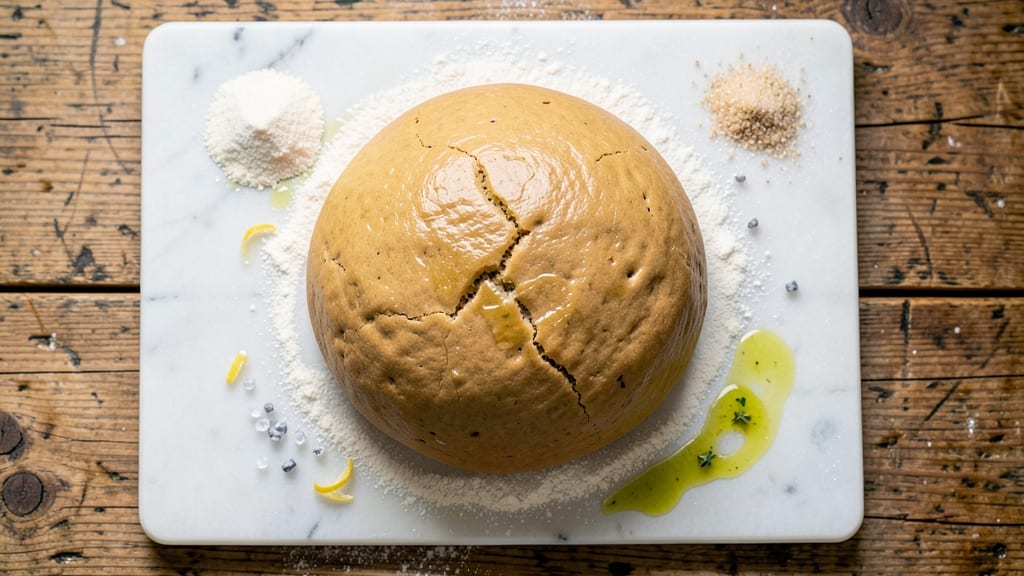
This artisan bread pizza dough recipe delivers the perfect marriage of chewy crust and zero-knead convenience—ideal for both traditional and modern pizzas. 🌟 The secret lies in precise hydration and a slow fermentation process that develops deep flavor without requiring hours of labor.
Unlike standard pizza dough, this version builds structure through controlled stretching and folding, creating an open crumb and airy texture that rivals sourdough bread.
The dough's beauty is in its versatility: use it for classic Neapolitan-style pies with minimal toppings or load it up with creative combinations for wood-fired flavors. We'll focus on a 50% hydration formula that balances stretchability with chewiness, perfect for both hand-tossed and pressed crusts.
The key technique—stretching and folding during bulk fermentation—creates that signature artisan bread texture while keeping the dough manageable for home cooks.
What sets this apart is the cold proofing option, which allows you to prepare the dough up to 48 hours in advance for maximum flavor development. The result is a crust with a satisfying snap, a tender crumb, and just enough char when baked at high heat.
Whether you're making a simple margherita or a loaded deep-dish, this dough will elevate your pizza game without the fuss of traditional methods.
We'll cover everything from precise ingredient measurements to the exact baking temperatures needed for that perfect golden-brown crust with crisp edges and a soft interior. The recipe includes troubleshooting tips for common issues like overproofing or uneven baking, ensuring your first attempt will be foolproof.
Let's get started on creating restaurant-quality pizza at home.
Ingredients for artisan bread pizza dough
Nine simple ingredients transform into restaurant-quality pizza dough with artisan bread texture—no kneading required.
| Ingredient | Amount | Notes |
|---|---|---|
| All-Purpose Flour 🌾 | 3 ½ cups | High-protein preferred for chewiness |
| Bread Flour 🌾 | ½ cup | Boosts gluten structure dramatically |
| Instant Yeast 🍞 | ¾ tsp | Active dry works too (proof first) |
| Granulated Sugar 🍚 | ½ tsp | Feeds yeast for fermentation |
| Fine Sea Salt 🧂 | 1 ½ tsp | Diamond Crystal preferred |
| Extra-Virgin Olive Oil 🫒 | ½ cup | High-quality for rich flavor |
| Warm Water 💧 | 1 ½ cups | 105-110°F for optimal yeast |
| Cornmeal 🌽 | ¼ cup | For dusting work surface |
| Semolina Flour 🌾 | ⅛ cup | Optional for golden crust |
The flour blend is everything—King Arthur or Caputo bread flour makes all the difference for that signature chewy texture. Bob's Red Mill 11% protein all-purpose works too if you're in a pinch. For the yeast, Saf-Instant is my go-to because it dissolves directly into the water, but active dry works if you give it 5 minutes to proof first. The olive oil should be fruity and peppery—California Gold or Colavita are my favorites. Pro tip: measure your water temperature with a candy thermometer for perfect yeast activation.
No bread flour? Add 1 extra tbsp vital wheat gluten to your all-purpose for similar results. Short on olive oil? Avocado oil works too, though it lacks the flavor depth. The sugar can be swapped for honey or maple syrup, but it'll ferment slightly faster. For a more rustic crust, add 1 tbsp whole wheat flour to the mix. And if you're feeling fancy, semolina or cornmeal on the pizza peel before baking creates that perfect crispy bottom—worth the extra minute.
This dough keeps beautifully—48 hours in the fridge for maximum flavor development, or freeze for 3 months in airtight bags. I portion mine into 16-ounce balls for easy handling. For best results, let cold dough sit at room temperature for 1-2 hours before shaping. The longer it ferments, the more complex the flavor becomes—trust the process, and your crust will reward you with that perfect snap and chew.
Why You'll Love This Recipe
- No-Knead Magic: I swear, the combo of bread flour and all-purpose gives that perfect chew without the arm workout. Just mix, let it rise, and—boom—you’ve got dough that feels like you spent hours kneading.
- Crispy-Chewy Bliss: That touch of granulated sugar caramelizes just enough to give the crust a subtle sweetness, while the fine sea salt cuts through the richness. Honestly, it’s the kind of flavor that makes you pause mid-bite.
- Weeknight Superstar: Between us, this dough is my go-to for lazy nights when I don’t want to fuss. Shape it into a pizza, a focaccia, or even garlic knots—it’s the same effort, different results every time.
- Budget-Friendly Stretch: A little yeast and flour go a long way, and leftovers freeze like a dream. I’ll often make a double batch on Sundays, then pull out portions for quick meals all week—no takeout needed.
Step-by-step instructions for artisan bread pizza dough
This zero-knead method delivers restaurant-quality chewiness with minimal effort.
👨🍳 Step 1: Mix the Dough with Wet and Dry Ingredients
In a large mixing bowl, combine the 3.5 cups all-purpose flour and 0.5 cup bread flour—this blend creates that perfect chewy texture we're after. Add the 0.75 tsp instant yeast, 0.5 tsp granulated sugar, and 1.5 tsp fine sea salt, whisking to evenly distribute these dry ingredients throughout the flours.
Create a well in the center and pour in the 0.5 cup extra-virgin olive oil and 1.5 cups warm water (between 105-110°F). Using a wooden spoon or your hands, gently mix until just combined—you're looking for a shaggy, sticky dough that comes together when pressed. Overmixing develops too much gluten, so resist the urge to work it thoroughly at this stage.
🥘 Step 2: Rest and Develop Gluten Naturally
Cover the bowl tightly with plastic wrap or a damp kitchen towel. Let the dough rest at room temperature for 1 hour—this initial rest allows the gluten to relax and the yeast to activate without your intervention. You'll notice the dough will puff slightly and become more pliable as the yeast begins working its magic.
After the rest, the dough should be noticeably more cohesive and slightly sticky to the touch. If it feels too stiff, add 1 teaspoon warm water at a time until it reaches that perfect window-pane consistency. This resting period is where the magic happens—it builds flavor and structure without requiring any effort from you.
🔥 Step 3: Shape and Proof for Maximum Rise
Lightly flour your work surface with 0.25 cup cornmeal (this prevents sticking and adds texture). Turn out the dough and gently shape it into a round by pressing down with your fingertips, working from the center outward. Don't worry about perfect symmetry—we're going for a rustic, artisanal look. The dough should be about 1 inch thick at its center.
Place the shaped dough on a parchment-lined baking sheet, sprinkle with 0.125 cup semolina flour (this creates that beautiful golden crust), and cover loosely with plastic wrap. Let it proof at room temperature for 2-3 hours until nearly doubled in size. You'll know it's ready when the dough springs back slowly when poked with your finger—this indicates proper gluten development.
🔪 Step 4: Prep for Toppings and Baking
Preheat your oven to 475°F with a pizza stone or baking sheet inside for at least 30 minutes. While it heats, gently stretch the dough to your desired thickness—about ¼ inch for a classic Neapolitan-style pizza. Remember, it'll expand slightly in the oven, so don't stretch it too thin.
Here's where you'll add your toppings, but keep it simple: a good pizza starts with a great crust. Brush the surface lightly with 2 tablespoons extra-virgin olive oil (from your remaining ingredients) to create that signature sheen. The dough should be at room temperature when you bake it—this ensures even cooking and maximum chewiness in every bite.
Pro Tips For Making Artisan Bread Pizza Dough
- Weigh Your Flours: I learned this the hard way—measuring bread flour by scooping leads to inconsistent dough. Use a kitchen scale for both all-purpose and bread flour; aim for 100% accuracy in the ratio (e.g., 80% bread flour, 20% all-purpose). The extra protein in bread flour is what gives that chewy, open crumb, but too little throws off texture.
- Dissolve Yeast First: Skip the "just sprinkle it in" approach—mix instant yeast with warm water and sugar first, then let it sit for 5 minutes until foamy. This ensures it’s active before hitting the dough, especially important if your kitchen runs cold. Cold dough kills yeast faster than you’d think.
- Stretch, Don’t Roll: Resist the urge to roll this dough like pie crust. Instead, stretch it by hand—gently, from the center outward—until it’s about ¼-inch thick. Rolling tightens gluten, making the crust tougher. This method keeps it tender while still giving that crisp edge.
- Salt the Water: Add all the sea salt to the water before mixing, not after. The salt needs time to dissolve fully and distribute evenly in the dough. I used to add it later and ended up with uneven flavor—some bites salty, others bland. Trust me, this small step makes a real difference.
Wine and beer pairings for these flavors
Crisp Whites Pairing
For this artisan pizza dough, I recommend Italian Vermentino or Pinot Grigio—both showcase the dough's delicate flavors without overpowering. The bright acidity of Vermentino (from Sardinia) complements the olive oil richness, while Pinot Grigio (from Alto Adige) adds a subtle mineral note.
Serve slightly chilled to enhance the pizza's crispy crust texture. 🍷
Malty Amber Ales
A Belgian-style witbier like Hoegaarden or Stella Artois brings refreshing citrus and spice that contrast beautifully with the dough's chewy texture. For a bolder option, try an American amber ale (like Fat Tire)—its caramel malt notes pair perfectly with the semolina crust's golden hue.
Serve at room temperature to let the beer's hoppy bitterness cut through the richness.
Red Wine for Heartier Toppings
If you're loading up with sausage or mushrooms, a Chianti Classico or Sangiovese (from Tuscany) works wonders. The medium-bodied red enhances the savory toppings while standing up to the dough's robust structure.
I like to decant it for 15-20 minutes to soften tannins—this makes the wine smoother against the pizza's chewiness. 🍷
Craft Beer for Bold Flavors
For adventurous eaters, a honey wheat ale (like Allagash White) adds floral notes that complement the olive oil and semolina. If you prefer dark crusts, try a Belgian dubbel—its caramel and spice notes mirror the dough's depth.
Just avoid heavy IPAs; their bitterness clashes with the dough's natural sweetness.
Non-Alcoholic Options
Don't drink? A sparkling blood orange soda (like San Pellegrino Aranciata Rossa) mimics wine's acidity, while ginger beer (like Feather) cuts through the richness.
For a savory twist, try Italian Sanbitter—its herbal notes enhance the crust's texture. All options should be served ice-cold to balance the pizza's warmth. 💛
Nutrition facts
Frequently asked questions
Can I substitute bread flour with all-purpose flour in this recipe?
Yes, but you'll need to adjust the texture. Replace the 0.5 cup bread flour with all-purpose flour and add 1 tbsp vital wheat gluten to maintain the chewy structure. The gluten boosts elasticity, which is crucial for that artisan bread texture. If you're short on time, this swap works well—just expect slightly less chewiness.
How do I know when the dough is properly proofed?
The dough is ready when it springs back slowly when poked with your finger—like a well-set Jell-O. For a visual cue, look for the dough to nearly double in size and develop small bubbles on the surface. If it springs back quickly, it needs more time; if it leaves a dent, it's overproofed. Room temperature proofing should take 2-3 hours for this recipe.
Can I make this dough ahead of time for better flavor?
This dough benefits from cold fermentation. Shape and refrigerate it for 24-48 hours before baking—this slow rise develops deeper flavor and improves texture. Let it sit at room temperature for 1-2 hours before shaping to bring it to ideal working temperature. The longer it ferments, the more complex the flavor becomes.
Why is my crust not chewy enough?
Chewiness comes from proper hydration and gluten development. Ensure your dough reaches 50% hydration (equal parts flour and water by weight) and don't skip the 1-hour rest after mixing. Overproofing or underproofing can also affect texture—aim for that slow spring-back when testing. For extra chew, bake at 475°F for 12-15 minutes until the crust develops a deep golden color.
What's the best way to store leftover dough?
Wrap tightly in plastic wrap and store in an airtight container in the fridge for 3-4 days or freeze for up to 3 months. For best results, thaw overnight in the fridge before using. The dough keeps beautifully—perfect for meal prep! When ready to use, let it sit at room temperature for 1-2 hours before shaping to restore elasticity.