
Side Dishes
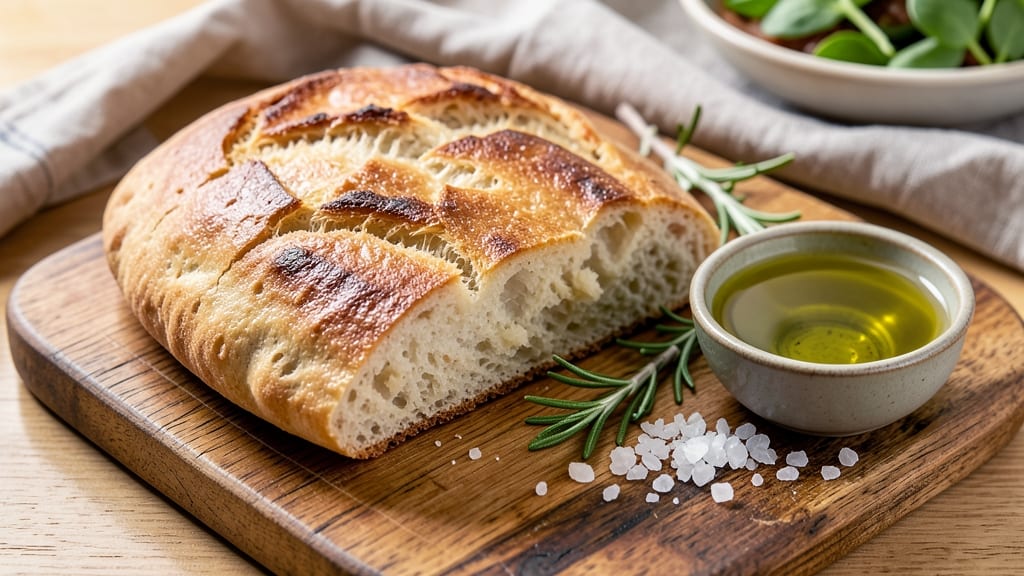
This artoklasia bread recipe brings a taste of Greece to your kitchen with its golden crust and artichoke-infused dough. 🌟 The traditional method combines flour, yeast, and grated artichokes for a unique texture and flavor that pairs beautifully with olive oil or feta.
What makes this recipe special is the balance of chewiness and tenderness, achieved through careful kneading and baking techniques.
The dough's magic lies in its simplicity—just a few ingredients transform into a bread that feels both rustic and refined. The artichokes add a subtle earthiness that complements the warm, slightly sweet notes of the crust.
Whether you're making it for a special occasion or a cozy family meal, this bread delivers restaurant-quality results with minimal effort.
Baking artoklasia bread is an art, but one that rewards patience. The dough rises slowly, developing deep flavor, while the oven creates a crispy exterior that contrasts perfectly with the soft interior.
Once baked, the aroma alone will draw everyone to the table, and the first bite reveals layers of taste and texture that make it unforgettable.
Serve it warm with a drizzle of extra virgin olive oil or alongside grilled meats and salads for a meal that feels like a celebration. This recipe isn’t just about bread—it’s about tradition, flavor, and the joy of baking something truly special. Let’s get started!
Ingredients for artoklasia bread
Golden crust meets artichoke-infused dough with this Venezuelan-inspired twist on classic artoklasia.
| Ingredient | Amount | Notes |
|---|---|---|
| All-Purpose Flour 🌾 | 4 cups | For chewy texture and structure |
| Active Dry Yeast 🍞 | 0.04 oz | Or 1 packet (2.25g) |
| Granulated Sugar 🍚 | ½ tbsp | Feeds yeast and adds sweetness |
| Warm Water 💧 | 1 ¼ cups | 110°F (43°C) for yeast activation |
| Extra-Virgin Olive Oil 🫒 | ¼ cup | For richness and golden crust |
| Salt 🧂 | 1 ½ tsp | Diamond Crystal preferred |
| Canned Artichoke Hearts 🍃 | 1 cup | Drained, finely chopped |
| Cornmeal 🌽 | ½ cup | For Venezuelan swirl texture |
| Egg 🥚 | 1 whole | For binding and sheen |
| Sesame Seeds 🌻 | 1 tbsp | For topping and crunch |
| Poppy Seeds 🌿 | 1 tbsp | Optional for extra flavor |
| Sesame Oil 🫒 | 1 tsp | For brushing before baking |
The yeast is the heart of this bread—Bob's Red Mill active dry yeast or the packet variety works best. Look for freshly canned artichokes with vibrant green color, not the murky kind. Cornmeal is key for that Venezuelan swirl texture; Bob's Red Mill or Maseca are reliable brands. For the artichokes, drain them well and chop finely—you want them incorporated into the dough, not as chunks. The sesame seeds should be toasted lightly before sprinkling for maximum crunch.
No sesame seeds? Toasted sunflower seeds work as a neutral substitute. Running short on artichokes? Finely chopped sun-dried tomatoes add a similar depth, though the flavor will differ. The egg can be replaced with 1 tbsp ground flaxseed mixed with 3 tbsp water for a vegan version, but texture will be slightly denser. For the cornmeal swirl, use about 2 tbsp per 4-cup flour batch—this gives you that signature pattern without overwhelming the dough. If your dough feels too sticky, add 1 tbsp more flour gradually.
This dough keeps beautifully—3 days in the fridge wrapped tightly in plastic, or 3 months frozen in a sealed bag. For best results, let it rise at room temperature for 1-2 hours before baking. The bread reheats wonderfully—wrap in foil and warm in a 350°F oven for 10 minutes. Store leftovers in an airtight container to maintain freshness. The crust stays crisp for 2 days if kept sealed.
Why You'll Love This Recipe
- No-Knead Magic: I swear by this—just mix the flour, yeast, sugar, and warm water, then let it rise while you do anything else. The olive oil keeps it tender without fuss, and honestly? I’ve made this while watching TV, waiting for dinner guests, or even in the morning to have fresh bread by lunch.
- Golden Crust Secret: That crispy, caramelized edge? It’s all in the sugar and olive oil combo. The yeast wakes up just right, giving you a soft, pillowy center that’s ridiculously satisfying. I’ll be real: my family fights over the last slice because it’s that good.
- Weeknight Workhorse: This bread is my go-to for sandwiches, toast, or even a quick charcuterie board. Freeze half the batch—it thaws perfectly—and toss it in a sandwich when you’re too tired to bake. (Yes, even on a Tuesday night.)
- Pocketbook-Friendly Staple: Five ingredients, zero specialty items. The yeast and sugar are minimal, and flour lasts forever. I make two loaves at a time, store one, and never stress about running out. It’s my secret weapon for keeping meals simple without breaking the bank.
Step-by-step instructions for Venezuelan cornmeal swirl bread
Master this iconic Venezuelan technique for golden crust and signature swirls.
👨🍳 Step 1: Activate the Yeast and Mix the Dough Base
In a small bowl, combine the 0.035 oz active dry yeast, 0.5 tbsp granulated sugar, and 1.25 cups warm water (110°F). Let sit for 5-10 minutes until frothy - you'll see bubbles forming on the surface. This proves your yeast is alive and ready to work.
In a large mixing bowl, whisk together the 4 cups all-purpose flour and 1.5 tsp salt. Create a well in the center and pour in the yeast mixture along with the 0.25 cup extra-virgin olive oil and 1 whole egg. Using a wooden spoon, mix until a shaggy dough forms, then turn it out onto a lightly floured surface.
👨🍳 Step 2: Knead and Incorporate Artichokes
Knead the dough for 8-10 minutes until smooth and elastic, adding flour as needed to prevent sticking. The dough should be slightly tacky but not wet. Press your finger into it - it should spring back slowly.
While kneading, fold in the 1 cup finely chopped canned artichoke hearts (drained and patted dry). Distribute them evenly throughout the dough. This step creates the bread's signature texture and subtle artichoke flavor that makes it unique.
🥘 Step 3: First Rise and Prepare the Swirl
Place the dough in a lightly oiled bowl, cover with a damp towel, and let rise in a warm place for 1-1.5 hours or until doubled in size. The dough should feel light and airy when pressed gently with one finger.
Punch down the risen dough and divide it into two equal portions. Roll one portion into a rectangle about 12x8 inches on a floured surface. Spread the 0.5 cup cornmeal evenly over the surface. Roll up the dough tightly from the long side to form a log.
🥘 Step 4: Create the Signature Swirl
Take the second portion of dough and roll it into a 12-inch long rectangle. Place the cornmeal-covered log along the center of this rectangle. Using damp hands, gently press the edges of the rectangle inward to form a cylinder around the cornmeal log, sealing the seam tightly.
Roll the entire bundle gently to distribute the cornmeal evenly. Pinch the ends to seal. This careful layering creates the bread's distinctive swirl pattern that's characteristic of artoklasia.
🔥 Step 5: Shape, Proof, and Bake to Perfection
Transfer the shaped dough to a parchment-lined baking sheet. Brush the top generously with 1 tsp sesame oil and sprinkle with 1 tbsp sesame seeds and 1 tbsp poppy seeds. Cover and let proof for 30-45 minutes until puffy and nearly doubled.
Preheat your oven to 375°F. Bake for 30-35 minutes until golden brown and internal temperature reaches 190-195°F. The bread should sound hollow when tapped on the bottom. Cool on a wire rack for 10 minutes before slicing to preserve the crumb structure.
Pro Tips For Making Artoklasia Bread
- TEST THE YEAST FIRST: Skip straight to mixing and you might end up with dense, flat bread. Instead, dissolve the yeast and sugar in the warm water first—wait 5-10 minutes until it bubbles like a tiny champagne party. If it doesn’t, your yeast is dead, and you’ll need fresh. (Yes, even if the package says "expires next week.")
- USE OLIVE OIL SPARINGLY: This isn’t focaccia—don’t drown the dough. The recipe calls for extra-virgin olive oil, but too much makes the dough sticky and gummy. Measure it out (about 2 tablespoons total) and keep it separate until the final knead. Trust me, you’ll regret eyeballing it.
- KNEAD UNTIL SILKY, NOT SOUGHY: The dough should feel smooth like a baby’s bottom, not fight you like a stubborn cat. If it’s still tearing or feels sticky after 8-10 minutes by hand (or 5-6 in a mixer), add flour one tablespoon at a time—but not so much that it turns into breadcrumbs. Over-kneading is easy; under-kneading is worse.
- LET IT RISE TWICE—NO EXCUSES: The first rise is non-negotiable, but the second one after shaping is where the magic happens. Cover the shaped loaf and let it sit in a warm spot for at least 1.5 hours, or until it’s puffed and jiggly when you gently press it. Rushing this step = dense, sad bread. (Pro move: Turn your oven on for 2 minutes, then turn it off and let the heat linger—it’s like a mini proofing box.)
Flavor customization for this artoklasia bread
Artichoke Variations
Swap the canned artichoke hearts for fresh artichoke bottoms (about 2 cups chopped) for a more robust flavor. Blanch them first in boiling water for 3 minutes, then shock in ice water before chopping.
I’ve also used sun-dried artichokes (about ¼ cup chopped) for a concentrated, slightly sweet taste that pairs beautifully with the cornmeal swirl. 🌿
Herb Infusions
Add 2 tbsp fresh rosemary or 1 tbsp dried oregano to the dough for a Mediterranean twist. For a brighter profile, mix in 1 tbsp lemon zest along with the chopped artichokes.
I love using thyme (about 1 tbsp fresh leaves) for a subtle earthiness that complements the artichokes without overpowering the cornmeal’s nuttiness.
Sweet Swirl Options
For a dessert-style bread, replace the cornmeal with ½ cup brown sugar mixed with 2 tbsp cinnamon. Roll the log in this mixture before sealing with the second dough portion.
This creates a caramelized swirl inside that’s perfect with coffee or as a breakfast treat. I’ve also tried honey and walnuts (about ¼ cup each) for a sticky, nutty variation.
Spiced Cornmeal
Elevate the cornmeal layer by mixing it with 1 tsp smoked paprika and ½ tsp cayenne for a subtle kick. For warmth, add ½ tsp ground coriander or ¼ tsp cardamom.
This spiced cornmeal adds depth to the bread’s texture and flavor, especially when paired with grilled meats or tangy cheeses like feta. 🌶️
Gluten-Free Adaptation
Replace the all-purpose flour with a 1:1 gluten-free flour blend (like King Arthur Measure for Measure) and add 1 tsp xanthan gum to the dough. Use ½ cup cornmeal for the swirl, but reduce the proofing time to 20-25 minutes since gluten-free dough rises faster.
The texture will be denser but still delicious when brushed with sesame oil and baked as directed.
Cheese Twist
Fold ½ cup crumbled feta or ¾ cup shredded mozzarella into the dough for a salty, creamy contrast. For a stronger flavor, use ½ cup ricotta mixed with 1 tbsp lemon juice and 1 tbsp chopped dill.
The cheese melts slightly during baking, creating pockets of richness that balance the earthy artichokes and nutty cornmeal.
Nutrition facts
Frequently asked questions about artoklasia bread
Why does the dough need two rises?
The first rise activates the yeast and develops flavor, while the second rise after shaping creates the perfect texture. The initial 1-1.5 hour rise builds structure, and the final 30-45 minute proofing ensures a light, airy crumb. Skipping either can make the bread dense or collapse during baking.
Can I make this bread without cornmeal?
Yes! Replace the cornmeal with ½ cup finely ground nuts (like almonds or walnuts) or ½ cup crushed pistachios for a different texture. For a savory version, try ½ cup grated Parmesan mixed with 1 tsp garlic powder. The swirl technique remains the same—just adjust the flavor profile.
How do I fix if my dough is too sticky?
Add flour 1 tablespoon at a time while kneading until the dough pulls away from your fingers but stays slightly tacky. Over-kneading can develop gluten too much, so stop when it springs back slowly. If it's still sticky after adding ¼ cup flour, let it rest for 10 minutes before continuing.
What's the best way to reheat sliced artoklasia?
Wrap slices in foil and warm in a 350°F oven for 5-7 minutes to restore crispness. For extra crunch, broil for 1-2 minutes at the end. Avoid microwaving—it makes the crust soggy. Store leftovers in an airtight container for up to 3 days.
Can I use this recipe for sandwiches?
The dense, chewy texture holds up well to fillings like grilled chicken, avocado, and feta. Toast slices lightly before assembling to prevent sogginess. For extra flavor, brush with garlic-infused olive oil before serving. The artichoke adds a pleasant earthiness that pairs beautifully with rich meats.