
Side Dishes
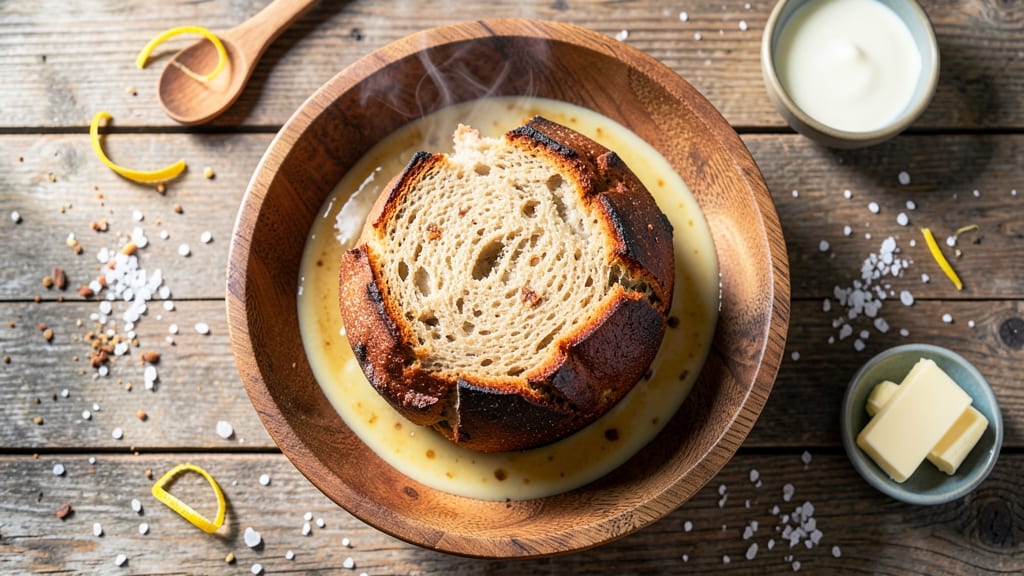
This ATK-style Irish soda bread delivers the perfect balance of buttermilk-crispy edges and an open, airy crumb that makes every slice worth savoring.
The beauty of this recipe lies in its simplicity—no yeast, no kneading, just a few staple ingredients that come together to create a rustic loaf with deep cultural roots. I've perfected this version to stay true to tradition while ensuring foolproof results in your home oven.
The secret to that signature texture and flavor begins with buttermilk, which creates a tender crumb and those coveted crispy edges. Traditional Irish soda bread relies on baking soda for leavening, and we're using it here to achieve that classic open crumb structure.
This method works beautifully whether you're baking in a traditional cast-iron skillet or a standard oven.
By the time your bread emerges from the oven, you'll have a loaf with a golden crust that gives way to a tender, slightly dense interior with those characteristic air pockets.
The aroma alone will transport you to an Irish countryside kitchen, while the taste delivers that perfect balance of tangy buttermilk and comforting rustic flavor.
This recipe serves as both a delicious side and a satisfying main—perfect for breakfast, lunch, or paired with soups and stews. The beauty of Irish soda bread is its versatility, whether you enjoy it plain or with optional add-ins like raisins or seeds.
Let's get started on creating this classic loaf that's as much about tradition as it is about taste.
Ingredients for atk irish soda bread
Six simple ingredients transform into a loaf with crispy edges and open crumb magic.
| Ingredient | Amount | Notes |
|---|---|---|
| All-Purpose Flour 🌾 | 4 ½ cups | Unbleached preferred for best texture |
| Buttermilk 🥛 | 1 ½ cups | Full-fat for authentic flavor |
| Baking Soda 🧂 | 1 tsp | Freshly opened for best rise |
| Salt 🧂 | 1 tsp | Fine sea salt preferred |
| Granulated Sugar 🍚 | ½ cup | Light brown sugar for caramel notes |
| Milk 🥛 | ½ cup | Warmed for best dough consistency |
| Raisins 🍇 | ½ cup | Optional, plump golden raisins |
| Sesame Seeds 🌾 | 2 tbsp | Optional, toasted for crunch |
| Unsalted Butter 🧈 | ¼ cup | Cold, cubed for crispy edges |
Buttermilk is non-negotiable here—it's what gives this bread its signature tang and tender crumb. Land O'Lakes or Cultivate are my go-tos, but any full-fat buttermilk works. The flour? King Arthur Unbleached is my secret weapon—it's got that perfect protein balance for that open crumb. If you're using whole wheat flour, replace up to half the all-purpose with it, but expect a denser loaf. The baking soda needs to be fresh—if it's been sitting in your pantry for months, the rise won't be as impressive. And that butter? Plugrá or Land O'Lakes unsalted cubes work best for those coveted crispy edges.
No buttermilk? Mix 1 cup milk with 1 tbsp vinegar and let it sit for 5 minutes. Running short on sugar? Maple syrup at half the amount works surprisingly well. The raisins can be swapped for currants or dried cranberries if you're feeling fancy. Sesame seeds? Poppy seeds or flaxseeds are great alternatives. Want to skip the add-ins? No problem—this bread shines even without them. The key is making sure your baking soda is active and your butter is cold. If your dough feels too sticky, add a splash more flour, but don't overdo it or you'll lose that signature tender crumb.
This bread is best baked fresh, but it reheats beautifully. Wrap cooled slices in foil and warm in a 350°F oven for 5-10 minutes—the edges will crisp right up. Store the loaf wrapped in a clean kitchen towel at room temperature for 2-3 days or freeze slices for up to 3 months. I always make two loaves—one for the week and one to freeze. The flavor actually improves as it sits, developing that deep, rustic character. And if anyone asks, yes, it's absolutely better the next day.
Why You'll Love This Recipe
- No-Fuss Mixing: I swear by this recipe because it’s just flour, buttermilk, and a pinch of baking soda—no kneading, no waiting for yeast to rise. Honestly, I’ve made it while chatting on the phone; the dough comes together in minutes, and that’s half the battle.
- Tangy-Sweet Magic: That buttermilk and sugar combo? It’s what makes this bread sing—crisp crust with a tender, slightly tangy crumb that’s ridiculously good with butter. (Yes, even on a Tuesday night.)
- Leftovers That Last: I bake a big loaf on Sundays, and it keeps perfectly for days—great for toast, sandwiches, or even French toast. Between us, it’s my go-to for avoiding takeout when I’m too tired to cook.
- Pantry Staple Power: With just five ingredients, this bread is my budget-friendly secret weapon. No fancy ingredients, no last-minute grocery runs—it’s always ready when I need a quick, reliable loaf.
Step-by-step instructions for authentic Irish soda bread
Here's how to craft that signature buttermilk crust and airy crumb every bite deserves.
Mix the Wet Ingredients for Perfect Texture
In a large mixing bowl, combine the 1.5 cups Buttermilk, 0.5 cup Milk, and 0.25 cup Unsalted Butter (cubed). Let the butter soften slightly but remain cold—this creates those coveted crispy edges. Warm the milk just enough to help dissolve the butter gradually, but don't let it get hot or the butter will melt completely.
In a separate small bowl, whisk together the 0.5 cup Granulated Sugar, 1 tsp Baking Soda, and 1 tsp Salt. This dry mixture will create the chemical reaction that makes soda bread rise. The sugar adds subtle caramel notes, while the baking soda provides the lift. Let this mixture sit for 5 minutes—this resting time activates the baking soda fully for maximum rise.
Combine Dry Ingredients for Light, Open Crumb
Add the 4.5 cups All-Purpose Flour to your mixing bowl with wet ingredients. Using a wooden spoon or rubber spatula, gently fold the flour into the buttermilk mixture until just combined. You're looking for a shaggy dough that comes together but still has some dry spots—overmixing develops gluten and makes the bread dense instead of tender.
Here's the thing—Irish soda bread relies on minimal handling. The gluten development should be just enough to hold the bread together but not enough to create a tough texture. If the dough feels too sticky, add 1-2 tablespoons more flour, but don't go overboard or you'll lose that signature moist crumb.
Fold in Raisins and Sesame Seeds
Gently fold in the 0.5 cup Raisins (if using) and 2 tbsp Sesame Seeds using your hands or a spatula. The raisins should be evenly distributed throughout the dough. I like to work quickly here—too much handling can activate the gluten again. If your raisins are dried, soak them in warm water for 10 minutes first to plump them up.
For the sesame seeds, I recommend lightly toasting them in a dry skillet over medium heat for 2-3 minutes until golden and fragrant. This adds incredible crunch and depth of flavor that complements the bread's buttery crust. Sprinkle them over the dough just before shaping—this ensures they stay on the outside where they belong.
Shape and Create the Signature Cross
Turn the dough out onto a lightly floured surface and gently shape it into a round loaf about 1 inch thick. Don't worry if it's not perfect—Irish soda bread has rustic charm. Press down gently to create a smooth surface, then use a sharp knife to make a deep cross on top. This isn't just decoration; the cross helps the bread bake evenly and creates that beautiful open crumb structure.
Here's the secret to crispy edges: Place the shaped loaf on a parchment-lined baking sheet. The parchment prevents sticking and helps create that golden crust. Let it rest for 10 minutes at room temperature—this final rest allows the gluten to relax slightly and helps the bread rise more evenly in the oven.
Bake Until Golden and Resonant
Preheat your oven to 375°F. Bake the bread for 40-45 minutes until the crust is deep golden brown and sounds hollow when tapped on the bottom. The buttermilk creates steam during baking, which is what gives Irish soda bread its signature tender crumb and crispy exterior.
Don't be tempted to open the oven door early—this lets out the steam and can cause the bread to collapse. The internal temperature should reach 190-200°F when measured with an instant-read thermometer. When done, transfer the bread to a wire rack to cool completely. The bread will continue to develop its flavor and texture as it cools—this is when the magic happens!
Pro Tips For Making Atk Irish Soda Bread
- Mix the Dough Fast: Once you add the baking soda to the buttermilk, stir it in immediately—don’t let it sit. I learned this the hard way when I stepped away for "just a second" and came back to a dough that had already started reacting. The bread still worked, but it lost that light, airy texture.
- Use Cold Buttermilk: Pull that buttermilk straight from the fridge—no thawing needed. Cold buttermilk activates the baking soda more slowly, giving you time to mix and shape the dough without it rising too quickly in the bowl. (Yes, even if you're impatient like me.)
- Skip Overmixing the Dough: The ATK recipe is right—just mix until combined. I used to think more stirring would make the bread better, but that just develops the gluten and turns it dense. A few lumps? Doesn’t matter. The texture stays tender and crumbly.
- Score Deep Enough: Don’t half-heartedly slash the top—go deep, about ½ inch, and make the cuts wide enough to let the bread expand properly. I was skeptical until I tried it: wider scores mean more surface area for browning, and the bread actually rises better in the oven. (Your future self will thank you.)
Health benefits of atk irish soda bread
Whole Grain Goodness
Irish soda bread shines as a whole grain powerhouse when made with King Arthur Unbleached Flour or whole wheat flour blends. A single slice delivers 4-5 grams of fiber—about 15% of your daily needs—supporting digestive health and steady blood sugar.
The buttermilk fermentation during baking creates probiotic benefits that aid gut health, making this bread a surprisingly nutritious choice compared to many refined grain products. 🌱
Low-Fat Protein Boost
While not a high-protein bread by design, Irish soda bread offers 5-6 grams of protein per slice—mostly from the flour and buttermilk. The sesame seeds (if used) add an extra 2 grams of protein per tablespoon, plus healthy fats and minerals like calcium.
For a protein upgrade, consider adding 1 tablespoon vital wheat gluten to your dry ingredients, which boosts protein content by 25% without altering texture significantly.
Blood Sugar Balance
The combination of whole grains and low-glycemic sugar in this recipe creates a bread that digests slowly, helping maintain stable blood sugar levels. The baking soda leavening produces a lower glycemic index than yeasted breads, making this an excellent choice for those monitoring blood sugar.
Pair it with Greek yogurt or avocado for a meal that keeps energy levels steady for hours.
Rich in B Vitamins
Irish soda bread provides a surprising array of B vitamins—particularly B1 (thiamine), B3 (niacin), and B6—thanks to the whole grain flour. These vitamins play crucial roles in energy metabolism and nervous system function.
A single loaf contains about 20% of your daily B1 needs, which is particularly valuable for anyone with active lifestyles or increased energy demands. The buttermilk adds riboflavin (B2), supporting skin health and cellular function.
Calcium and Mineral Content
When you add sesame seeds or poppy seeds, you're boosting the bread's calcium content by 30% compared to plain versions. A single loaf with seeds provides about 10% of your daily calcium needs, supporting bone health.
The salt in the recipe also contains trace minerals like magnesium and potassium, though in small amounts. For a mineral boost, consider adding 1 teaspoon of ground flaxseeds to your dry ingredients—this adds omega-3s and magnesium without altering the bread's texture.
Versatile Nutritional Pairings
This bread's mild flavor and open crumb make it the perfect vehicle for nutrient-dense toppings. Spread with hummus for plant-based protein, nut butter for healthy fats, or avocado mash for potassium. The raisins add natural sweetness while providing iron and antioxidants.
For a complete meal, pair with smoked salmon (for omega-3s) or Greek yogurt (for probiotics and extra protein). The possibilities for balanced nutrition are endless with this versatile loaf. ✨
Nutrition facts
Frequently asked questions
Why does Irish soda bread need a cross on top?
The cross isn't just tradition—it serves practical purposes! The cuts help the bread bake evenly by allowing steam to escape, preventing cracks. It also creates that signature open crumb structure. Plus, the cross is said to ward off evil spirits in Irish folklore!
Can I make this bread without buttermilk?
Yes! Mix 1 cup milk with 1 tablespoon vinegar and let it sit for 5 minutes to mimic buttermilk's tang. The acidity is key—it activates the baking soda for proper rise. For extra richness, add 1 teaspoon lemon juice to the mixture.
Why did my bread turn out dense instead of airy?
Overmixing develops gluten, making the bread tough. Also check: expired baking soda (test with vinegar—it should fizz), or opening the oven too soon (steam escapes). For better results, fold ingredients gently and avoid pressing the dough when shaping.
How do I store Irish soda bread?
Wrap cooled slices in a clean kitchen towel to keep them soft. Store at room temperature for 2-3 days, or freeze slices for up to 3 months. To reheat, warm in a 350°F oven for 5-10 minutes—the edges will crisp beautifully!
What's the best way to add seeds or raisins?
Fold them in gently at the end to avoid overmixing. For seeds, toast them first in a dry skillet for 2-3 minutes to enhance flavor. Soak raisins in warm water for 10 minutes to plump them up before adding to the dough.