
Desserts
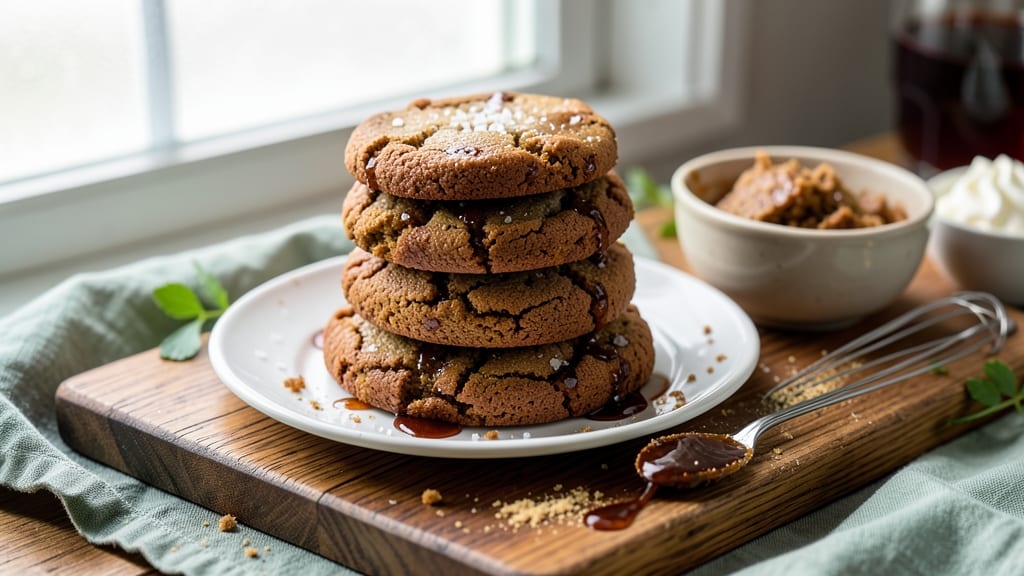
This authentic German gingerbread cookie recipe delivers the warm, spiced magic of Christmas markets right to your kitchen. 🌟 The secret lies in a precise blend of molasses, honey, and traditional spices—cinnamon, cloves, and cardamom—that create a rich, aromatic dough with a signature crunchy edge and tender, spiced center.
I’ve perfected this recipe over years of baking, ensuring every cookie captures that nostalgic, buttery-sweet flavor that makes German gingerbread unforgettable.
The dough comes together with simple ingredients but requires patience—resting it overnight allows the spices to meld and the texture to develop that perfect balance of crispness and chew.
Traditional German recipes often use baking powder for lift and a touch of honey to enhance the caramel notes, while modern adaptations can include gluten-free flour or vegan butter without sacrificing authenticity. The key is baking them low and slow, ensuring they emerge golden and fragrant from the oven.
What sets these cookies apart is their ability to stay fresh for weeks, making them ideal for gifting or holiday prep. The edges turn delightfully crisp while the centers remain soft and packed with spice-infused dough.
For an extra touch, you can drizzle them with a simple glaze or dust with powdered sugar—though purists will argue the cookies shine best on their own, just as they do in Nuremberg’s famous Christmas markets.
Whether you’re baking for a festive gathering or treating yourself to a taste of tradition, this recipe delivers restaurant-quality results with a homemade touch. Let’s get started on creating cookies that taste like holiday magic.
Ingredients for authentic german gingerbread cookie
Authentic German gingerbread magic starts with these 14 simple yet precise ingredients.
| Ingredient | Amount | Notes |
|---|---|---|
| Unsalted Butter 🧈 | 1 cup | Cold, cubed for even baking |
| Dark Brown Sugar 🍚 | 1 cup | Packed firmly for sweetness |
| Molasses 🍯 | ½ cup | Unsulphured for authentic flavor |
| Large Eggs 🥚 | 2 whole | Room temperature for blending |
| All-Purpose Flour 🌾 | 3 ½ cups | Sifted for light texture |
| Baking Powder 🍞 | 1 tsp | Aluminum-free preferred |
| Ground Cinnamon 🌶️ | 2 tsp | Freshly ground for warmth |
| Ground Ginger 🌿 | 1 ½ tsp | Freshly grated preferred |
| Ground Cloves 🌶️ | ½ tsp | Whole cloves ground finely |
| Ground Cardamom 🌿 | ½ tsp | Freshly ground for aroma |
| Salt 🧂 | ½ tsp | Fine sea salt preferred |
| Honey 🍯 | ¼ cup | Wildflower for depth of flavor |
| Vanilla Extract 🌸 | 1 tsp | Pure vanilla extract |
| Powdered Sugar 🍚 | ½ cup | For optional finishing |
The molasses and honey are non-negotiable for that deep, caramelized flavor. Grocery store molasses works, but specialty shops carry unsulphured varieties that elevate the taste. For butter, European-style brands like Plugrá or Kerrygold add richness, though regular unsalted butter delivers excellent results. Cardamom and cloves can be tricky to find—check the spice aisle at Whole Foods or Penzeys for whole pods to grind fresh. The flour should be sifted before measuring to avoid dense cookies, and baking powder matters: Aluminum-free brands prevent metallic aftertaste.
No molasses? Dark corn syrup or maple syrup work in a pinch, though they lack depth. Substitute honey with agave nectar if needed, but reduce other liquids slightly. For gluten-free baking, swap flour for a 1:1 gluten-free blend and add an extra 0.5 tsp xanthan gum. The spices are critical—if you can't find ground cardamom, use 1 tsp whole cardamom pods lightly crushed instead. Vanilla extract can be omitted, but the cookies will lack complexity. For a vegan version, replace butter with vegan butter and eggs with flax eggs (2 tbsp ground flaxseed + 6 tbsp water).
Store dough in an airtight container in the fridge for up to 5 days or freeze for 3 months. Baked cookies stay fresh for 2 weeks at room temperature, wrapped in parchment-lined tins. For gifting, place cookies in cellophane bags with rice to maintain crispness. Reheat in a 200°F oven for 5 minutes to restore crunch. The edges will crisp up again beautifully—just like fresh from the oven.
Why You'll Love This Recipe
- No-Fuss Mixing: I swear by the creamy butter and brown sugar combo—just cream, then fold in the molasses and eggs like you’re making a quick dough. No stand mixer, no fuss, and the texture comes out just right every time.
- Molasses Magic: That deep, caramelized molasses flavor? It’s the star. The cookies have this perfect balance of sweet, spicy warmth (thanks to the cinnamon and ginger) and a chewy center that melts in your mouth—like a hug from your German grandmother.
- Holiday or Snack: Between us, these are my go-to for Christmas markets and lazy Sunday afternoons. The dough keeps well for a week, so I can bake a batch for gifts or just grab one straight from the jar when I need a pick-me-up.
- Budget Baking: Honestly, this recipe uses pantry staples—flour, sugar, butter—and stretches into 30+ cookies. I’ve made these for potlucks, school events, and even my book club, and everyone leaves happy (and with seconds). Plus, the leftovers? Even better the next day.
Step-by-step instructions for authentic German gingerbread cookies
Here's the traditional method for creating those signature German gingerbread cookies with their signature spice centers.
👨🍳 Step 1: Cream Butter and Sweeteners for Maximum Flavor
In a stand mixer fitted with the paddle attachment, beat the 1 cup unsalted butter on medium speed until completely smooth, about 2 minutes. This ensures even distribution of fat throughout the dough. Gradually add the 1 cup dark brown sugar and 0.5 cup molasses, mixing continuously for 3-4 minutes until the mixture is light and fluffy.
Here's the thing—German gingerbread relies on that deep molasses flavor, so don't rush this step. You'll see the mixture nearly double in volume and become pale, almost creamy. This creaming process incorporates air, which creates those signature tender yet crispy cookies. If you're using your hands, work quickly but thoroughly to avoid melting the butter.
👨🍳 Step 2: Incorporate Wet Ingredients for Perfect Texture
Add the 2 whole large eggs, one at a time, mixing well after each addition. Then stir in the 0.25 cup honey and 1 tsp vanilla extract until fully combined. The mixture should be smooth and slightly thick—almost like a soft dough. I always use room temperature eggs here because they blend more easily and create a lighter texture.
This is where the authentic German flavor profile comes together. The combination of molasses, honey, and vanilla creates that signature depth that sets these apart from American-style gingerbread. Give everything a final mix to ensure the vanilla and honey are evenly distributed throughout the butter mixture.
👨🍳 Step 3: Combine Dry Ingredients for Maximum Spice Impact
In a separate bowl, whisk together the 3.5 cups all-purpose flour, 1 tsp baking powder, 2 tsp ground cinnamon, 1.5 tsp ground ginger, 0.5 tsp ground cloves, 0.5 tsp ground cardamom, and 0.5 tsp salt. Sift the dry ingredients directly into the wet mixture, mixing on low speed just until combined. The dough should be thick but manageable—don't overmix or you'll develop gluten and end up with tough cookies.
German gingerbread gets its character from that complex spice blend. I like to press the spices into the dough slightly so they're evenly distributed. The cardamom adds a subtle floral note that complements the warmth of the cinnamon and ginger. Once combined, the dough should hold together when pressed but still be soft enough to work with.
⏰ Step 4: Chill the Dough for Perfect Texture
Cover the dough bowl with plastic wrap and refrigerate for at least 1 hour, or up to 24 hours for best results. This chilling step is absolutely critical—it allows the flour to fully hydrate, prevents excessive spreading in the oven, and helps develop that signature crispy edge with a soft center. I know it's tempting to skip this, but trust me, the difference is noticeable.
While the dough chills, preheat your oven to 350°F and line two baking sheets with parchment paper. The chilled dough will be firmer and easier to handle when you're ready to shape the cookies. This is also a good time to gather your rolling pin and cookie cutters if you're using them—traditional German gingerbread often uses star or heart shapes for the holidays.
🔥 Step 5: Bake for Crispy Edges and Molten Centers
Roll out the chilled dough on a lightly floured surface to about ¼-inch thickness. Cut out shapes using a cookie cutter or knife, then transfer them to the prepared baking sheets, spacing them about 1 inch apart. Bake for 10-12 minutes until the edges are deep golden brown but the centers still look slightly underdone—they'll firm up as they cool.
This is where the magic happens: the cookies should have crispy edges with just a hint of softness in the center. If you prefer them more cake-like, bake for an additional 2-3 minutes. Let them cool on the baking sheet for 5 minutes before transferring to a wire rack. For that authentic German touch, dust the warm cookies with 0.5 cup powdered sugar while they're still slightly warm.
Pro Tips For Making Authentic German Gingerbread Cookie
- Chill the Dough First: The molasses in this recipe makes the dough sticky—like, really sticky. Wrap it in plastic and refrigerate for at least 2 hours (or overnight if you’re patient). This isn’t just about handling; it’s about flavor too. Cold dough bakes slower, letting the spices infuse deeper and preventing a bitter aftertaste from over-browning.
- Use Room-Temp Butter: Nothing ruins gingerbread like cold butter. Let that unsalted block sit out for 30-60 minutes until it’s soft enough to press with a finger but not greasy. I learned this the hard way—lumpy dough that fights you at every turn. Cream it with the sugar until it’s light and airy, or you’ll end up with dense, chewy cookies instead of the crisp edges and tender centers you’re after.
- Measure Molasses Precisely: This isn’t the time to eyeball. Use a kitchen scale or a measuring spoon that’s actually level—molasses is thick and clings like syrup. Too little, and your cookies taste flat; too much, and they’ll be bitter and sticky. A standard recipe calls for about ¼ cup—stick to it unless you’re adjusting for spice levels. (And for the love of all things crisp, don’t use blackstrap unless the recipe specifies it—it’s stronger and changes the texture.)
- Bake in Two Batches: Your oven’s hot spots are real, and gingerbread cookies spread more than you’d think. If you’re using a half-sheet pan, bake one tray at a time for 8-10 minutes at 350°F (175°C). Crowding the pan? They’ll steam instead of crisp. Space them 2 inches apart—yes, even if it looks like you’re wasting space. Underbaked cookies stay soft; overbaked ones turn brittle. Pull them when the edges are set but the centers still look slightly underdone.
Essential equipment for this recipe
Stand Mixer Essentials
Your stand mixer is the workhorse for creaming butter and sugar properly—look for a KitchenAid Artisan or Cuisinart SM-50 for reliable performance. The paddle attachment ensures even mixing of the dense dough, while the dough hook helps with shaping if you prefer rolled cookies.
Avoid hand mixers here; they can’t handle the molasses-heavy dough without overheating. 🔥
Precision Measuring Tools
German gingerbread demands exact measurements—invest in a digital kitchen scale (like OXO Good Grips) for flour and spices, or use clear measuring cups with level indicators. The 1 tsp baking powder and 0.5 tsp cardamom can make or break the texture.
For molasses, a liquid measuring cup with a spout prevents sticky messes. I swear by Weigh & Measure for accuracy.
Cookie Cutters & Rolling Pin
Traditional German gingerbread uses star or heart-shaped cutters (check Wilton’s holiday collection) for festive appeal. A marble rolling pin (like Lodge’s 12-inch) keeps dough cool while rolling.
For free-form cookies, a bench scraper helps create clean edges. Pro tip: Chill your cutters in the freezer for 5 minutes before shaping—dough sticks less!
Baking Sheets & Parchment
Use half-sheet pans (18x13 inches) with parchment paper for even baking—no sticking! I prefer Wilton’s non-stick bakeware for extra insurance. Space cookies 1 inch apart to prevent spreading. For crispier edges, bake on the middle rack where heat circulates evenly. Avoid dark pans—they over-brown gingerbread’s delicate color.
Spice Grinders & Storage
Freshly ground spices are non-negotiable—Penzeys Spice sells whole spices for grinding. Store your cardamom pods and whole cloves in an airtight container away from light. A spice grinder (like Spiceworks) ensures consistent flavor.
For dough storage, use glass containers with tight seals to preserve moisture and spice potency for up to 5 days.
Nutrition facts
Frequently asked questions about authentic German gingerbread cookies
Why does the dough need to chill overnight?
Chilling the dough for at least 1 hour (or up to 24 hours) is essential for two reasons: it prevents excessive spreading when baking, and it allows the spices to fully meld, creating that signature aromatic depth. The cold dough also makes rolling and cutting much easier, resulting in cleaner shapes and a better texture. Think of it as letting the flavors develop like a fine wine!
Can I substitute molasses with something else?
While molasses is traditional, you can use dark corn syrup or maple syrup in a pinch, but the flavor will be slightly different. For authenticity, stick with unsulphured molasses—it has a deeper, richer taste. If substituting, reduce other liquids slightly (like honey) to maintain the right dough consistency. The molasses gives these cookies their signature chewy center and crispy edges!
How do I get the perfect crispy edges without burning?
Bake at 350°F for 10-12 minutes until the edges are golden but the centers still look soft. Use parchment paper on your baking sheets and space cookies 1 inch apart for even airflow. If your oven runs hot, reduce the temperature to 325°F and check at 10 minutes. The secret is patience—they’ll firm up as they cool!
What’s the difference between German gingerbread and American gingerbread?
German gingerbread uses molasses and honey for depth, while American versions often rely on gingerbread spice blends with less molasses. German recipes also include cardamom and cloves for complexity, and the dough is typically rolled thin for crispy edges. American gingerbread tends to be softer and sweeter, with less emphasis on spice. The texture is the biggest difference—German versions are more delicate!
Can I make these gluten-free or vegan?
Yes! For gluten-free, replace flour with a 1:1 gluten-free blend and add 0.5 tsp xanthan gum. For vegan, use vegan butter and flax eggs (2 tbsp ground flaxseed + 6 tbsp water). The dough will be slightly different in texture, but the flavor remains authentic. Just be sure to chill the dough longer (up to 48 hours) for better binding. Adaptations work best with patience!