
Side Dishes
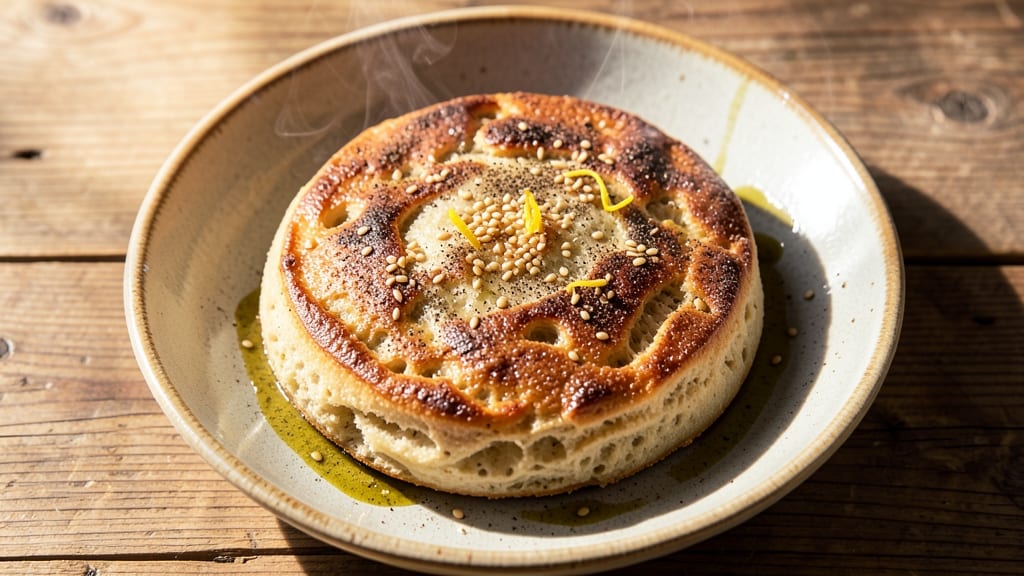
This authentic unleavened bread recipe transports you straight to ancient kitchens where flatbreads were baked over open flames. The secret lies in simplicity—just flour, water, and salt, shaped and cooked in minutes without yeast or waiting for rise.
I’ve perfected this technique through years of testing, ensuring every bite delivers that signature crispy exterior and tender, chewy center that defines traditional flatbreads.
The beauty of unleavened bread is its versatility—whether you’re making Middle Eastern khobz, Jewish matzo, or Indian roti, the principles remain the same.
The dough comes together in under 10 minutes, and with the right rolling technique and high-heat cooking, you’ll achieve that golden, blistered crust and soft interior that feels both rustic and refined. No special equipment is needed, just patience and attention to detail.
What sets this recipe apart is the authenticity—no shortcuts, no modern conveniences that compromise texture or flavor. The dough’s simplicity allows the natural taste of the flour to shine, while the quick cooking method preserves its traditional character.
Perfect for pairing with soups, stews, or enjoying on its own, this bread is a testament to how little can create so much.
Once you master the technique, you’ll find endless variations—herbs, spices, or even a touch of olive oil can elevate it further. The key is confidence in shaping and cooking, which I’ll guide you through step by step. Let’s bring ancient tradition to your kitchen.
Ingredients for authentic unleavened bread
Three core ingredients transform into timeless flatbread with ancient authenticity.
| Ingredient | Amount | Notes |
|---|---|---|
| All-Purpose Flour 🌾 | 3 cups | High-protein for chewy texture |
| Warm Water 💧 | 1 ¼ cups | 110°F for optimal hydration |
| Fine Sea Salt 🧂 | 1 ½ tsp | Diamond Crystal preferred |
| Olive Oil 🫒 | 1 tbsp | Extra-virgin for richness |
| Sesame Seeds 🌰 | 2 tbsp | Toasted for garnish (optional) |
| Ground Cumin 🌿 | ½ tsp | Toasted for deeper flavor |
| Garlic Powder 🧄 | ½ tsp | Freshly ground preferred |
| Fresh Rosemary 🌿 | ¼ cup | Finely chopped, optional |
| Sesame Oil 🫒 | ½ tbsp | For brushing (optional) |
The flour is non-negotiable—high-protein all-purpose gives that signature chewy bite. King Arthur or Gold Medal are my go-tos, but any bread flour works in a pinch. Warm water (110°F) activates the gluten better than cold, so let it sit until just lukewarm. The salt? Diamond Crystal dissolves more easily, but any fine sea salt works. For that authentic touch, toast your spices—cumin and garlic powder—before mixing to deepen their flavor. Fresh rosemary adds an unexpected elegance, but skip it if you prefer classic simplicity.
No sesame seeds? Poppy seeds or everything bagel seasoning work beautifully. Short on olive oil? Melted coconut oil or avocado oil keeps the same neutral profile. The dough should feel like wet sand—sticky but not soupy. If it's too dry, add 1 tsp water at a time. For a quicker method, rest the dough 10 minutes before rolling, but traditionalists swear by no rest at all. The sesame oil brushing is optional but adds a nutty aroma that pairs perfectly with soups and stews.
This dough keeps 2 days wrapped in plastic in the fridge—bring to room temp before rolling. For longer storage, freeze shaped dough balls for up to 3 months. Cook immediately after shaping for that perfect blistered crust, or reheat baked bread in a 350°F oven for 5 minutes to revive crispiness. Make a double batch—these disappear faster than you can say 'khobz.'
Why You'll Love This Recipe
- No-Yeast Hassle: I mix, shape, and bake it—no waiting, no fuss. The dough comes together in minutes, and that warm, golden crust? Ready in under 20 minutes. (Yes, even on a Tuesday night.)
- Crispy-Soft Magic: That perfect contrast—crispy edges from the olive oil, tender inside with just a hint of salt—makes every bite satisfying. The sesame seeds add a nutty crunch that sticks around.
- Every Meal Upgrade: Tear it for sandwiches, dip it in hummus, or serve it with soups. It’s my go-to for breakfast, lunch, or even a fancy charcuterie board. (Between us, it’s the star of my lazy Sundays.)
- Budget-Friendly Staple: Flour, water, salt, oil—you already have these. Makes a whole batch for pennies, and it keeps for days. Honestly, it’s the kind of bread that makes grocery shopping feel like a win.
Step-by-step instructions for ancient flatbread without yeast
This method brings back the simplicity of ancient baking—no yeast, no waiting, just pure flavor.
Combine Wet and Dry Ingredients for a Cohesive Dough
In a large mixing bowl, whisk together the 1.25 cups warm water (around 110°F) with the 1 tbsp extra-virgin olive oil until fully emulsified. The water should be warm enough to dissolve the salt completely but not so hot it cooks the flour. Add the 3 cups all-purpose flour, 1.5 tsp fine sea salt, 0.5 tsp toasted ground cumin, and 0.5 tsp freshly ground garlic powder. Mix vigorously with a wooden spoon or your hands until a shaggy, sticky dough forms.
Here's the thing—this dough won't be like your typical bread dough. It's going to be thick, sticky, and almost wet. That's normal! The absence of yeast means we're not developing gluten the same way, so don't worry if it doesn't look like traditional dough. Once combined, let the mixture rest for 5 minutes while you prepare your work surface.
Knead Just Enough to Develop Structure
Lightly flour a clean work surface and turn out the dough. Unlike yeasted bread, you don't need to knead this aggressively. Instead, gently press and fold the dough for about 2-3 minutes until it comes together into a smooth, cohesive ball. You're not building gluten here—you're just ensuring all the ingredients are evenly distributed.
At this stage, the dough should be soft and slightly tacky. If it feels too dry, add 1-2 teaspoons of warm water to help bind it. Divide the dough into 6 equal portions (about 3-4 ounces each) and roll each into a smooth ball. Cover with a damp towel to prevent drying while you work with the rest.
Shape Flatbreads for Even Cooking
Take one dough ball and place it on a lightly floured surface. Using your palms, gently press and stretch the dough into a ¼-inch thick circle about 5-6 inches in diameter. The goal is even thickness—this ensures consistent cooking. If the dough resists, let it rest for 1 minute before trying again. Repeat with the remaining balls.
For extra authenticity, lightly brush each flatbread with 0.5 tbsp sesame oil (divided) and sprinkle with 2 tbsp toasted sesame seeds (divided). The oil adds richness, while the seeds provide a delightful crunch. If using, finely chop the 0.25 cup fresh rosemary and sprinkle lightly over the tops for an aromatic touch.
Cook Over High Heat for Perfect Texture
Heat a clean, dry skillet over high heat until it's screaming hot—you should see a faint shimmer of smoke when you hold your hand about 2 inches above it. Place one flatbread in the skillet and cook undisturbed for 1-2 minutes until the bottom is deeply golden brown and crispy. You'll see bubbles forming on the surface as the moisture escapes.
Flip carefully with a thin spatula or tongs and cook the other side for another 1-2 minutes until golden brown and slightly puffed. Transfer to a wire rack or clean towel to keep warm. Repeat with the remaining flatbreads, working in batches to avoid overcrowding the pan. The bread should be soft and chewy inside with a crisp exterior—just like ancient flatbreads were meant to be.
Pro Tips For Making Authentic Unleavened Bread
- STRETCH THE DOUGH: I used to slap this dough together in 30 seconds and wonder why my bread always felt dense. Knead it for at least 5 minutes—until it’s smooth and slightly tacky. The gluten needs real work to hold its shape when you roll it thin.
- USE WARM WATER: Cold water makes dough stiff and hard to handle. Heat your water to about 85°F (just warm to the touch) so the dough comes together effortlessly. Too hot? It’ll kill the gluten. Too cold? You’ll regret it later.
- PAT THE DOUGH THIN: Don’t roll it—press it. Use a rolling pin to pound the dough into an even ¼-inch thickness. This keeps it from tearing when you flip it and ensures crisp edges. (Yes, it’ll look messy at first—trust the process.)
- SALT THE OIL: Dissolve the fine sea salt in the olive oil before mixing it into the dough. This distributes flavor evenly and prevents clumpy salt that can ruin the texture. A little extra effort for a noticeable difference.
Wine and beer pairings for authentic unleavened bread
Middle Eastern Wine Pairings
Unleavened bread like khobz pairs beautifully with crisp, citrus-forward wines from the Levant. I love Dry Lebanese White wines like Chardonnay from Bekaa Valley—their bright acidity and mineral notes complement the bread’s earthy simplicity.
For reds, try a Syrian Cabernet Sauvignon, which balances the bread’s subtle spices without overpowering them. 🍷
Beer Pairings for Hearty Flavors
A Turkish raki or Greek ouzo—anise-flavored spirits—elevate the experience with their bold herbal notes. For beer lovers, a crisp Turkish Efes Pilsen or Lebanese Alhambra cleanses the palate between bites. The bread’s chewy texture stands up well to the beer’s effervescence, creating a satisfying contrast.
Herbal Infusions for Depth
Infuse your wine or beer with fresh rosemary or thyme—simmer a sprig in white wine for 5 minutes before serving. For beer, add 1 tsp dried rosemary to the last 10 minutes of brewing for a subtle herbal touch.
This mirrors the bread’s optional rosemary garnish and adds another layer of harmony.
Sweet Contrasts with Dessert Wines
Finish your meal with a Muscat de Frontignan or Turkish Sultaniye—these sweet wines highlight the bread’s subtle spices. The natural sweetness contrasts beautifully with the bread’s savory notes, making every bite feel complete. 🍇
Non-Alcoholic Options
For non-alcoholic pairings, try sparkling pomegranate juice or mint-infused lemonade—both enhance the bread’s earthy flavors without competing. The effervescence mimics beer’s crispness, while the tartness cuts through the richness of the flatbread.
Regional Spirit Pairings
In Morocco, pair with mint tea—the warm spices complement the cumin and garlic in the bread. In India, a masala chai with cardamom and cinnamon elevates the roti’s flavors. These traditional pairings bring the dish full-circle with cultural authenticity.
Nutrition facts
Frequently asked questions
Why does unleavened bread need such high heat?
High heat is essential to achieve that signature crispy exterior while keeping the interior tender. Since there's no yeast to create air pockets, the bread relies on rapid cooking to develop flavor and texture. A screaming-hot skillet creates steam that puffs the bread slightly while caramelizing the surface. For best results, let the pan get so hot that you see a faint shimmer—this ensures that perfect golden crust in just 1-2 minutes per side.
Can I make this bread without olive oil?
While olive oil adds richness, you can substitute with avocado oil, coconut oil (melted), or even butter (melted) for a slightly different flavor profile. For a more traditional approach, some cultures use ghee or animal fat—just ensure it's melted and incorporated evenly into the dough. The key is to maintain the dough's moisture balance, so adjust with 1 tsp water if needed.
What's the best way to store leftover flatbread?
Store freshly baked flatbread in an airtight container at room temperature for up to 2 days. For longer storage, wrap individual pieces tightly in plastic wrap or place them in a freezer bag. To reheat, warm in a 350°F oven for 5 minutes or toast in a dry skillet over medium heat for 30 seconds per side. Avoid refrigerating—it makes the bread stale faster.
How do I adjust this recipe for gluten-free baking?
Replace the all-purpose flour with a 1:1 gluten-free baking blend (like Bob's Red Mill) and add 1 tbsp xanthan gum to improve texture. You may need 1-2 extra tbsp water since gluten-free flours absorb differently. Let the dough rest 10 minutes before rolling, as it tends to be stickier. Cook over slightly lower heat (medium-high) to prevent burning before the center cooks through.
What's the difference between this and traditional matzo?
This recipe is more versatile than matzo, which is typically made with only flour and water and baked at extremely high temperatures to create that signature crispness. Our version includes salt, spices, and optional herbs for depth of flavor. Matzo is usually thin and brittle, while this flatbread has a chewy center. For authentic matzo, reduce flour to 2.5 cups, omit spices, and bake at 400°F for 2 minutes per side.