
Side Dishes
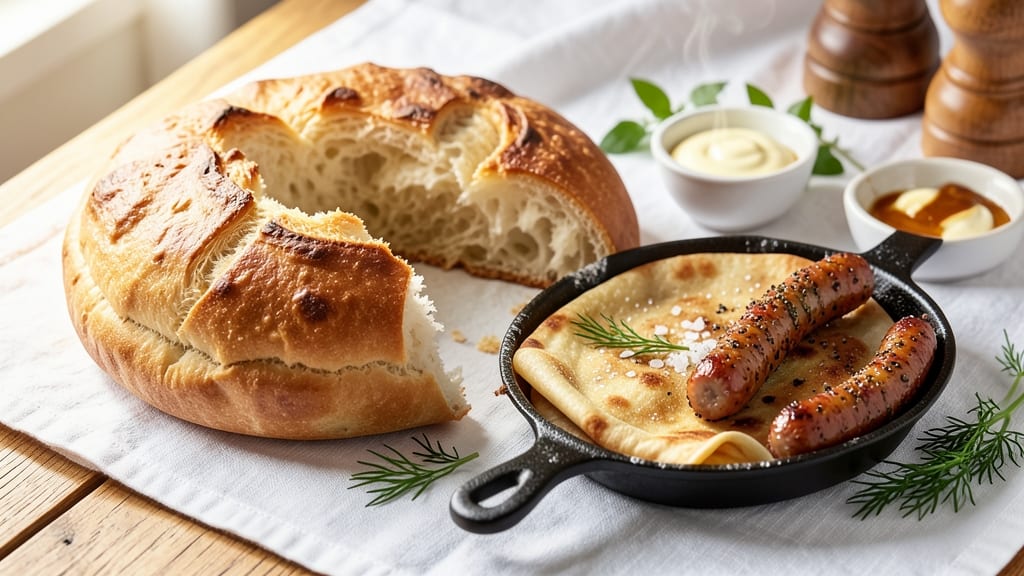
This Azerbaijani bread recipe brings the rich tradition of lavash to your kitchen, with its signature buttery crisp edges and tender interior. 🌟 The secret lies in a simple yet precise dough formula—just flour, yeast, water, and a touch of oil—that transforms into a versatile flatbread perfect for wrapping, dipping, or serving alongside meals.
I've perfected this method over years of baking, ensuring every piece emerges golden and aromatic from the oven.
The beauty of Azerbaijani bread is its adaptability—whether you prefer classic lavash, herb-infused variations, or stuffed pastries like sambusak. The dough is remarkably forgiving, requiring only basic ingredients and minimal effort, yet delivering restaurant-quality results.
With just 30 minutes of active time and a 15-minute bake, you'll have crisp, flaky flatbreads ready to elevate any dish.
What sets this recipe apart is the balance of textures: crispy edges that shatter slightly with each bite, paired with a soft, chewy center. The aroma of warm bread fresh from the oven—lightly brushed with melted butter—is enough to transform any meal into a celebration.
Perfect for everyday meals or special occasions, this bread is a staple in Azerbaijani cuisine for a reason.
Once you master the technique, you can experiment with fillings like spiced ground meat, fresh herbs, or even sweet variations. The possibilities are endless, but the foundation remains the same: a simple, foolproof dough that delivers exceptional results. Let's get started on creating your own batch of this timeless flatbread.
Ingredients for azerbaijan bread
Four cups of flour kickstart this Azerbaijani masterpiece—simple yet transformative into crisp-edged lavash.
| Ingredient | Amount | Notes |
|---|---|---|
| All-Purpose Flour 🌾 | 4 cups | Sifted for light texture |
| Active Dry Yeast 🍞 | ¼ tsp | Freshly opened for best results |
| Granulated Sugar 🍚 | 1 tbsp | Activates yeast quickly |
| Unsalted Butter 🧈 | ½ cup | Cold, cubed for crisp edges |
| Warm Water 💧 | 1 ¼ cups | 105-110°F for yeast activation |
| Kosher Salt 🧂 | 1 ½ tsp | Diamond Crystal preferred |
| Extra-Virgin Olive Oil 🫒 | 1 tbsp | For dough elasticity |
| Semolina Flour 🌾 | ¼ cup | For dusting and rolling |
| Melted Butter 🧈 | ¼ cup | For brushing final edges |
| Fresh Dill 🌿 | ¼ cup | Optional for herb variation |
| Fresh Parsley 🌿 | ¼ cup | Optional for herb variation |
The flour is non-negotiable here—King Arthur or Gold Medal work best for that signature chew. Bulk bins at Whole Foods give you the freshest mill, but any all-purpose will do. The yeast needs to be active dry, not instant—check the expiration date, and store it in the fridge once opened. For the butter, Land O'Lakes or Plugrá melt beautifully; avoid salted varieties. Warm water is key—too hot kills the yeast, too cold slows it down. I always test it with my wrist: should feel like bathwater. The olive oil adds tenderness, but don’t skimp on the butter for those crisp edges.
No semolina? All-purpose flour works in a pinch, though it won’t give the same crisp texture. Herb variations? Fresh dill and parsley are classic, but cilantro or mint add a Middle Eastern twist. The dough is forgiving—if it feels too sticky, add a splash more flour; too dry, a teaspoon of water. For a gluten-free version, swap the flour for a 1:1 GF blend, but expect a slightly denser texture. And if you’re short on time, instant yeast at half the amount speeds things up.
This dough keeps for 48 hours in the fridge, wrapped tightly in plastic. For longer storage, freeze portions for up to 3 months. I like to roll out one sheet at a time—keeps the dough from drying. Brush those edges with melted butter right before baking for maximum crisp. Leftovers? Toast them in a skillet for a quick breakfast. And if you make extra? Stuff with spiced meat or cheese for sambusak—worth the effort.
Why You'll Love This Recipe
- Pantry Staples Only: This bread needs five things—flour, yeast, sugar, butter, and water. That’s it. No specialty trips, no last-minute shopping. Honestly, I’ve made it three times in a row with ingredients I already had.
- Golden Butter Crust: That moment when the butter melts into the dough—chefs kiss. The crust turns golden and crackly while the inside stays soft, almost like a hug from your grandma’s kitchen. (Yes, even on a Tuesday night.)
- Breakfast to Dinner: Use it for toast in the morning, sandwiches at lunch, or even as a side with dinner. My kids ask for it every day, and I haven’t even tried freezing slices yet—imagine how handy that’ll be.
- No Waste, All Gain: The dough rises overnight, so you wake up to fresh bread with zero extra effort. Leftovers? Toast them the next day or stash them in the freezer. Between us, this recipe is my secret weapon for lazy mornings.
Step-by-step instructions for savory Azerbaijani flatbread
Here's how to craft this golden-edged flatbread with a tender crumb and crispy perimeter—every layer matters.
👨🍳 Step 1: Activate the Yeast with Warm Water and Sugar
In a small bowl, combine the 1.25 cups warm water (tested at 105-110°F) with the 1 tbsp granulated sugar and 0.25 tsp active dry yeast. Let this sit for 5-10 minutes until it becomes frothy and bubbly—this confirms your yeast is alive and ready to work. If no bubbles form after 10 minutes, your yeast is likely dead and you'll need to start over.
I always use a thermometer to check the water temperature because too-hot water kills yeast, while too-cold water won't activate it. The sugar helps feed the yeast and creates a slightly sweet base for the dough. Once you see those bubbles, your dough will develop properly and give you that signature light texture.
👨🍳 Step 2: Mix the Dough and Knead Until Elastic
In a large bowl, whisk together the 4 cups all-purpose flour and 1.5 tsp kosher salt. Add the yeast mixture along with the 1 tbsp extra-virgin olive oil and 0.5 cup cold cubed unsalted butter. Using a wooden spoon, mix until a shaggy dough forms—don't worry if it looks dry at first.
Turn the dough onto a lightly floured surface and knead vigorously for 8-10 minutes until smooth and elastic. You'll know it's ready when it springs back slowly when poked. The cold butter should be mostly incorporated but still visible in small flecks—this creates those irresistible crispy edges when baked. If the dough feels too sticky, add semolina flour 1 tablespoon at a time.
🥘 Step 3: Let the Dough Rise Until Doubled in Size
Shape the dough into a ball, place it in a lightly oiled bowl, and cover with a clean kitchen towel. Let it rise in a warm place for 1-2 hours until it has doubled in size and feels light when pressed gently. The kitchen should be warm enough that the dough rises in about 1 hour—if it's cold, place the bowl near a turned-off oven light for warmth.
This resting period allows the gluten to relax and the yeast to work its magic, creating that perfect airy crumb. Don't rush this step—proper rising makes all the difference in texture. Once doubled, punch down the dough to release air bubbles before shaping your flatbreads.
🔥 Step 4: Shape and Cook the Flatbreads
Divide the dough into 8 equal portions (about ½ cup each) and roll each into a ¼-inch thick circle on a surface dusted with 0.25 cup semolina flour. The semolina creates that signature crispy texture on the bottom. Heat a dry skillet over medium-high heat until very hot—you should see a slight shimmer when you hold your hand about 2 inches above it.
Cook each flatbread for 2-3 minutes per side until golden brown spots appear. I press down gently on the flatbread during the first minute—this prevents it from curling and ensures even contact with the pan. Transfer to a wire rack to keep warm while you cook the remaining flatbreads. The edges should be crispy while the center remains soft and pillowy.
🍳 Step 5: Finish with Herbs and Melted Butter
While the flatbreads are still warm, brush each one generously with the 0.25 cup melted butter using a pastry brush. Sprinkle with a mix of 0.25 cup fresh dill and 0.25 cup fresh parsley, chopped finely. The herbs add freshness that balances the rich butter, while the melted butter enhances the crispy edges.
Serve immediately while still warm. These flatbreads are best enjoyed fresh from the pan, with their crispy edges contrasting beautifully against the soft interior. They pair perfectly with grilled meats, cheeses, or simply as a side to soups and stews. Store any leftovers in an airtight container for up to 2 days, reheating in a dry skillet for 1 minute per side to restore crispiness.
Pro Tips For Making Azerbaijan Bread
- TEST YEAST FIRST: Skip the guesswork—mix 1 packet yeast with ¼ cup warm water and 1 tsp sugar, then wait 5-10 minutes for bubbles. If nothing happens, toss that packet and start fresh; cold water or old yeast is the usual culprit.
- SOFTEN BUTTER PROPERLY: Don’t melt it—cut the unsalted butter into small cubes and let it sit at room temp for 30-45 minutes until pliable but not greasy. Cold butter won’t blend smoothly, and melted butter can kill the yeast.
- KNEAD UNTIL SILKY: Aim for a windowpane test: stretch a small piece of dough—it should thin to translucent without tearing. Over-kneading dries it out, but under-kneading means weak gluten. A stand mixer with a dough hook handles this better than your arms.
- PROOF AT 75°F (24°C): Yeast loves consistency—use an oven with the light on or a warm spot near the fridge if your kitchen runs cold. Too hot? It’ll rise too fast and collapse. Too cold? It’ll take hours. A digital thermometer takes the guesswork out.
Perfect pairings for this dish
Herb-Infused Variations
For a fragrant twist, fold ¼ cup finely chopped fresh dill or parsley into the dough before shaping. The herbs blend seamlessly into the crumb, adding vibrant color and a bright, aromatic note.
I like to use a mix of both for complexity—just chop them finely so they distribute evenly. 🌿
Stuffed Pastries
Transform this dough into sambusak by rolling each portion into a thin circle, adding 1 tsp spiced ground lamb or feta cheese to the center, then pleating the edges.
Bake as directed, but reduce heat to medium to prevent overcooking the filling. These stuffed pastries are a staple at Azerbaijani gatherings.
Buttery Dipping Sauces
Serve with a simple garlic yogurt dip—mix ½ cup plain yogurt, 1 minced garlic clove, and ½ tsp salt. The tangy contrast to the crisp bread is irresistible. For extra richness, drizzle with melted butter and sprinkle with flaky sea salt before serving.
Sweet Adaptations
Swap the herbs for ½ cup raisins or chopped dates and add 1 tsp cinnamon to the dough. Brush with honey instead of butter after baking for a dessert version. This works beautifully with whipped cream or vanilla ice cream for breakfast or dessert.
Grilled or Oven-Baked
For a smoky flavor, cook the flatbreads directly on a hot grill for 1-2 minutes per side. The charred edges add depth. Alternatively, bake at 400°F for 8-10 minutes on a parchment-lined tray for a hands-off method. Both techniques work—choose based on your preference for texture.
Cheese Pairings
Pair with crumbled feta or aged cheddar for a savory platter. The salty cheese complements the buttery bread beautifully. For a gourmet touch, serve with whipped goat cheese and chopped walnuts**. The combination of textures and flavors makes this a standout appetizer or side dish. 🧀
Nutrition facts
Frequently asked questions
What makes Azerbaijani bread different from other flatbreads?
The key lies in its crispy edges and buttery richness—unlike naan or pita, this recipe uses cold cubed butter in the dough for that signature shatter. The semolina dusting creates a delicate crispness on the bottom, while the yeast gives it a light, airy crumb. Plus, the herb finishing adds a fresh contrast to the rich butter flavor.
Can I make this bread without semolina flour?
Yes! If you don't have semolina, use all-purpose flour instead, but expect slightly less crispness on the bottom. For best results, lightly toast the flour in a dry pan for 2 minutes before using—this mimics semolina's texture. The dough will still work, but the traditional crispy bottom may be less pronounced.
How do I prevent the bread from sticking to the pan?
Heat your skillet until it's very hot (test with a drop of water—it should sizzle). Dust with semolina before adding the dough, and press down gently during the first 30 seconds of cooking. Avoid moving the bread until you see golden spots forming. If it still sticks, your pan may not be hot enough—let it heat longer next time.
What can I do with leftover Azerbaijani bread?
Toast leftover flatbreads in a dry skillet for 1 minute per side to restore crispness, then use for croutons or breadcrumbs. For a quick snack, brush with melted butter and sprinkle with flaky salt. You can also freeze portions for up to 3 months**—thaw at room temperature before reheating.
Is this recipe suitable for gluten-free diets?
For a gluten-free version, replace the all-purpose flour with a 1:1 gluten-free blend (like Bob's Red Mill) and add 1 tsp xanthan gum to improve elasticity. The texture will be denser, but still delicious. Note that gluten-free dough requires longer kneading (12-15 minutes) and may need extra moisture—add water 1 tbsp at a time until pliable.