
Side Dishes
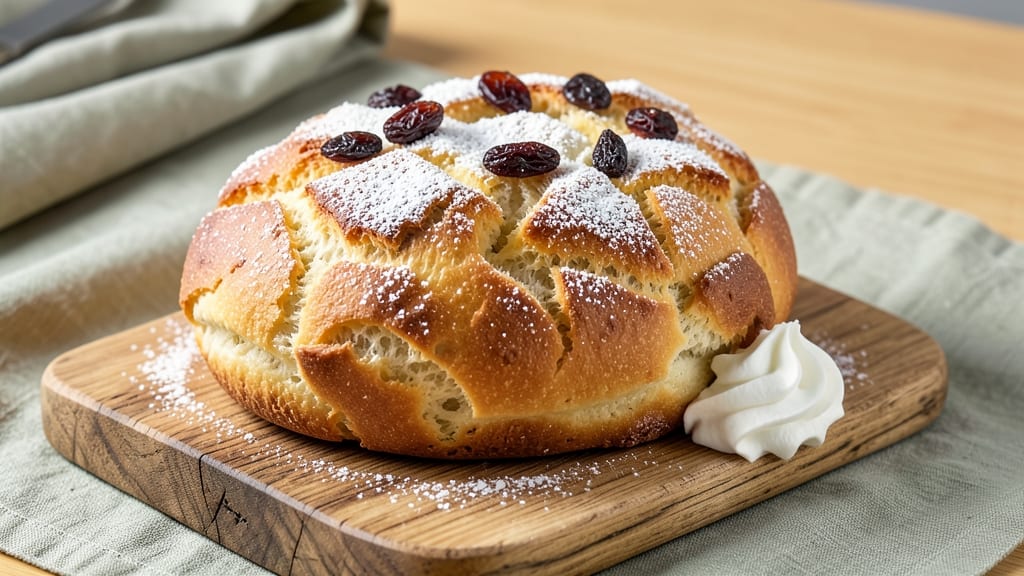
This Azorean sweet bread recipe brings the golden, cinnamon-swirled warmth of the Azores right to your kitchen. 💛 The secret lies in its tender crumb and aromatic blend of anise and citrus zest—traditional flavors that make every bite taste like a piece of island history.
I've perfected this version to stay true to its roots while being simple enough for home bakers to recreate that signature pillowy softness.
The dough comes together with just a few key ingredients: all-purpose flour, sugar, eggs, and butter, all infused with the bright, spiced notes of anise and lemon zest. The cinnamon swirls aren’t just for looks—they add a subtle warmth that balances the bread’s delicate sweetness.
Baking it in a round loaf pan ensures that classic Azorean shape, with a crackly top that hides a moist, fluffy interior.
What makes this recipe special is how it captures the essence of Azorean baking—light, fragrant, and just sweet enough to satisfy. The bread pairs beautifully with a cup of tea or a glass of port wine, making it perfect for breakfast, dessert, or a cozy afternoon treat.
Whether you're celebrating a special occasion or simply craving a taste of the Azores, this recipe delivers.
Once you try this Azorean sweet bread, you’ll understand why it’s a beloved staple across the islands. The combination of traditional spices and simple techniques creates a bread that’s both comforting and impressive. Ready to bake your way to a taste of the Azores? Let’s get started.
Ingredients for azorean sweet bread
Eight simple ingredients transform into golden Azorean swirls—just flour, sugar, butter, and warmth.
| Ingredient | Amount | Notes |
|---|---|---|
| All-Purpose Flour 🌾 | 4 cups | Sifted for light texture |
| Granulated Sugar 🍚 | ¾ cup | Light brown sugar works too |
| Unsalted Butter 🧈 | 1 cup | Cold, cubed for easier mixing |
| Large Eggs 🥚 | 2 whole | Room temperature preferred |
| Milk 🥛 | ½ cup | Warm for better activation |
| Active Dry Yeast 🍞 | 0.03 oz | 1 packet (2¼ tsp) |
| Ground Cinnamon 🌶️ | 2 tbsp | Freshly ground preferred |
| Anise Seeds 🌿 | 1 tbsp | Crushed lightly in mortar |
| Lemon Zest 🍋 | 1 tbsp | From 1 organic lemon |
| Salt 🧂 | ½ tsp | Diamond Crystal preferred |
| Vanilla Extract 🍯 | 1 tsp | Pure vanilla preferred |
The flour is the foundation—King Arthur or Gold Medal gives the best rise for that signature pillowy texture. Butter matters here: European-style unsalted (like Plugrá) has more fat, which keeps the bread tender longer. If you can't find anise seeds, anise extract at ½ tsp works in a pinch, but the seeds give that authentic island flavor. For lemon zest, grab organic lemons—they're brighter and less bitter. The yeast? Fresh is best, but instant works if you're in a hurry.
No vanilla extract? Vanilla bean paste or even a pinch of vanilla sugar does the trick. Short on cinnamon? Cassia cinnamon is the same thing—just check your spice rack. The milk should be warm (around 110°F) when mixing, or the yeast won't activate properly. For the cinnamon swirls, I like to mix the cinnamon with a little sugar (about 1 tbsp) to make it stickier—that's what makes those pretty swirls. And if you're feeling fancy, a sprinkle of turbinado sugar on top before baking gives that classic crackly crust.
This dough needs time to rise—at least 2 hours in a warm spot (I turn my oven on low with a bowl of hot water inside). The bread keeps well for 3 days wrapped in a cool, dry place or 1 week in the fridge. Freeze slices for 3 months—just thaw at room temperature before serving. The best part? It reheats beautifully—5 minutes at 300°F
Why You'll Love This Recipe
- Pantry Staples Only: I’ll never stress over missing ingredients again—this uses flour, sugar, butter, eggs, and milk. That’s it. No specialty items, no last-minute grocery runs. Honestly, if you can make toast, you can make this.
- Buttery-Sweet Magic: The moment the warm bread hits your plate, that rich butter and sugar combo melts into something almost too good to be true. It’s like a hug for your taste buds—soft, slightly sweet, with just enough structure to hold up to jam or cheese.
- Weeknight Hero: Slice it for breakfast toast, serve it with coffee, or pack it for lunches. I’ve even used leftover pieces to make quick French toast—because why waste good bread? It’s my go-to for lazy mornings or when I need something fast but still feels special.
- Budget-Friendly Luxury: A single batch costs less than takeout and feeds a family for days. Between us, this is the kind of recipe that makes you feel fancy without breaking the bank. Plus, the leftovers stay fresh for ages—no sad, stale bread here.
Step-by-step instructions for Azorean sweet bread
Here's how to craft this tender, aromatic bread with perfect swirls and golden crust.
👨🍳 Step 1: Activate the Yeast and Mix the Dough
In a small bowl, combine the 0.5 cup warm milk with the 0.025 oz active dry yeast and let it sit for 5-10 minutes until it becomes frothy. This tells you your yeast is alive and ready to work.
In a large mixing bowl, whisk together the 4 cups all-purpose flour, 0.75 cup granulated sugar, 0.5 tsp salt, 2 tbsp ground cinnamon, 1 tbsp crushed anise seeds, and 1 tbsp lemon zest. The dough will smell wonderfully spiced—this is where the Azorean magic begins.
Make a well in the center and add the 2 whole large eggs, 1 tsp vanilla extract, and the yeast-milk mixture. Using a wooden spoon, gradually incorporate the wet ingredients into the dry until a shaggy dough forms. Then, add the 1 cup cold cubed unsalted butter and mix until fully combined.
🥘 Step 2: Knead Until Silky Smooth
Turn the dough onto a lightly floured surface and knead for 8-10 minutes until it becomes smooth and elastic. You'll know it's ready when it springs back slowly when poked. This step develops the gluten, which gives your bread that perfect pillowy texture.
If the dough feels too sticky, add flour 1 tablespoon at a time—but don't overdo it, or your bread will be dense. Shape the dough into a ball, place it back in the bowl, and cover it with a damp towel. Let it rise in a warm place for 1-1.5 hours or until it doubles in size.
Here's the thing—don't rush this rise. The dough needs time to develop flavor and structure. I like to place my bowl near a slightly warm oven with the light on for consistent warmth.
🍳 Step 3: Prepare the Filling and Shape the Loaf
While the dough rises, make the filling by mixing 2 tbsp softened unsalted butter (from the remaining 1 cup if needed) with 2 tbsp granulated sugar and 1 tbsp ground cinnamon until combined. This sweet, spiced butter is what creates those beautiful swirls.
Once the dough has risen, punch it down to release the air, then roll it out on a floured surface into a 12x16-inch rectangle. Spread the filling evenly over the surface, leaving a ½-inch border around the edges. This prevents the filling from leaking out during baking.
Starting from the long side, tightly roll the dough into a log, sealing the edge well. Pinch the seam to ensure it stays closed while baking. Place the loaf on a parchment-lined baking sheet and cover it with a damp towel. Let it rise for another 30-45 minutes until puffy.
🔥 Step 4: Bake to Golden Perfection
Preheat your oven to 375°F. Brush the top of the loaf with a bit of milk for a golden finish, then bake for 30-35 minutes until the bread is deep golden brown and sounds hollow when tapped on the bottom.
For that classic Azorean touch, I like to make a few small slashes on the top with a sharp knife before baking. This helps the bread expand beautifully and gives it that traditional look. The interior should register 190-200°F on an instant-read thermometer.
Let the bread cool on a wire rack for at least 15 minutes before slicing. This resting time allows the filling to set and the bread to firm up slightly, making it easier to slice without falling apart.
Pro Tips For Making Azorean Sweet Bread
- Cream Butter Slowly: I learned this the hard way—dumping cold butter into warm milk at once makes clumps that never dissolve. Instead, cut the butter into small cubes and add them one at a time while whisking vigorously. The dough should end up smooth, not lumpy, or you’ll fight texture issues later.
- Use Room-Temp Eggs: Cold eggs from the fridge can cause the dough to seize up mid-mix. Take them out 30 minutes before using, or even better, let them sit in warm water for 5 minutes. This ensures even incorporation and a lighter crumb—no one wants a dense Azorean sweet bread.
- Don’t Overproof the Dough: This dough is delicate. Once it’s doubled in size, stop. Overproofing makes it collapse when baked, leaving you with a sad, flat loaf. Poke it gently—if it springs back slowly, it’s ready. If it stays indented, it’s overdone.
- Brush with Milk: Skip the water or egg wash. After baking, brush the warm loaf with a little warm milk while it’s still in the pan. It adds a subtle sheen and keeps the crust tender longer—way better than a dry, cracked top. (Yes, even if it sounds counterintuitive.)
Wine and beer pairings for this azorean sweet bread
Port Wine Pairings
The Azorean sweet bread’s warm cinnamon and anise notes pair beautifully with Ruby Port from the Douro Valley. The wine’s rich, slightly sweet profile complements the bread’s spiced sweetness without overpowering it. I like to serve it slightly chilled—around 60°F—to enhance the bread’s aromatic qualities.
A 10-year-old Tawny Port also works wonderfully, especially if you’re serving the bread with tea during an afternoon gathering. 🍷
Local Azorean Wines
For a truly authentic experience, seek out Verdejo or Bual wines from the Azores themselves. These crisp whites balance the bread’s richness with their citrus and floral notes. Verdejo, in particular, has a refreshing acidity that cuts through the cinnamon and butter.
If you can’t find Azorean wines, a dry Riesling from Germany or Spain is a great alternative. The bread’s lemon zest echoes beautifully in the wine’s crisp finish.
Beer Pairings
A light lager like Sagres or Super Bock from Portugal cleanses the palate between bites of the sweet bread. The bread’s cinnamon and anise flavors shine when paired with a beer that isn’t too hoppy or bitter.
For a more adventurous option, try a Belgian witbier—the coriander and citrus notes in these beers mirror the bread’s lemon zest and anise. Just avoid heavy stouts or IPAs, as they’ll clash with the delicate sweetness. 🍺
Coffee and Tea Pairings
For a cozy, traditional pairing, serve the bread with Azorean tea like moscatel or black tea with lemon. The tea’s floral notes harmonize with the bread’s anise and citrus zest.
If you prefer coffee, a light roast with hints of caramel and nuts complements the bread’s cinnamon and buttery texture. Avoid dark roasts—they can overpower the bread’s delicate flavors. A small cup of espresso or a latte made with whole milk works beautifully.
Dessert Wine Pairings
If you’re serving the bread as a dessert, consider a Moscatel or Malmsey from Madeira. These fortified wines have a honeyed sweetness that enhances the bread’s caramelized crust and cinnamon swirls. A sweet Moscato d’Asti from Italy is another fantastic choice—its bubbles and floral notes make each bite feel festive.
Serve the wine slightly chilled (50-55°F) to let its flavors shine alongside the warm bread. ✨
Nutrition facts
Frequently asked questions
What makes Azorean sweet bread different from regular sweet bread?
The magic lies in its signature spices: crushed anise seeds and lemon zest give it that distinct Azorean flavor profile. Unlike typical sweet breads, this version features a cinnamon-sugar swirl filling and a pillowy, tender crumb that's lighter than most brioche. The combination of warm spices and citrus creates a unique balance that's both comforting and sophisticated.
Can I substitute anise seeds with something else?
You can use ½ teaspoon anise extract instead, but the seeds provide better texture and authentic flavor. If you're avoiding anise entirely, try ½ teaspoon fennel seeds or ¼ teaspoon licorice root powder for a similar aromatic quality. The lemon zest remains essential for that bright Azorean character.
Why does my dough smell so strong?
The intense aroma comes from the combination of anise, cinnamon, and lemon zest—these are traditional Azorean flavors meant to be bold! The smell should mellow as the bread bakes, but if it's overwhelming, reduce the anise to ½ tablespoon or skip the extra cinnamon in the filling. The dough will still taste delicious with these adjustments.
How do I fix a dense Azorean sweet bread?
Dense bread usually means the dough didn't rise enough or was overworked. Next time, ensure your yeast is active (it should foam in 5-10 minutes in warm milk), and let the dough rise in a warm place until it doubles in size. Also, knead just until smooth—over-kneading develops too much gluten. For a second attempt, try adding 1 extra tablespoon of butter to keep it moist.
Can I make this bread without a loaf pan?
Yes! Shape the rolled dough into a free-form loaf or round and place it on a parchment-lined baking sheet. The swirls will still form beautifully, though the shape will be more rustic. For extra crispiness, brush with egg wash before baking. This method works especially well for serving slices as individual desserts.