
Side Dishes
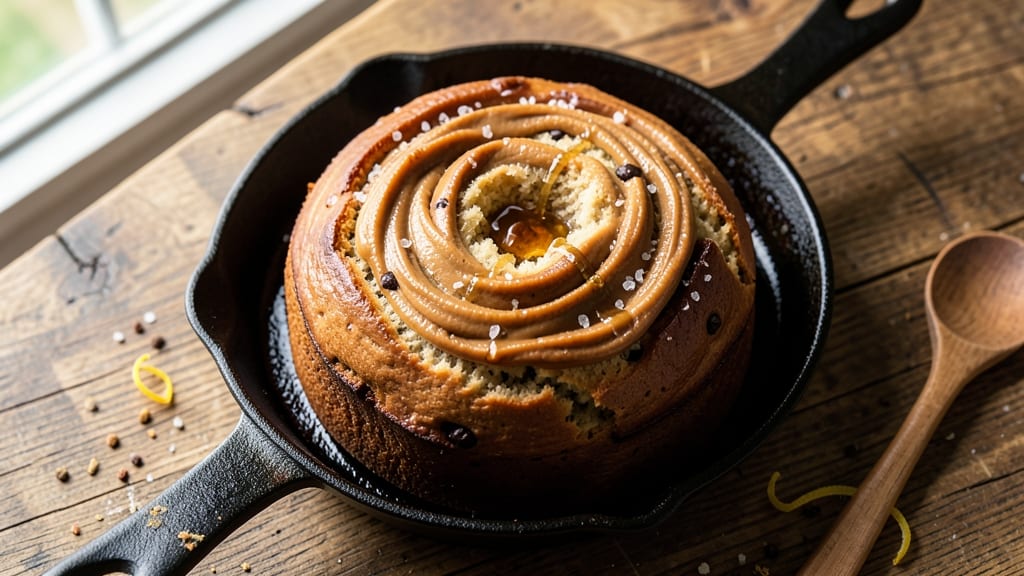
B Dylan Hollis' peanut butter bread recipe delivers that perfect balance of rich, nutty swirls and a moist, tender crumb—every slice feels like a warm hug. This isn’t your average bread; it’s a showstopper with a golden crust and pockets of creamy peanut butter that make every bite irresistible. I’ve baked this version dozens of times, and it never fails to impress, whether you’re serving it at brunch or packing it for a picnic.
The secret lies in the technique: swirling the peanut butter into the dough just before baking ensures those signature nutty ribbons stay gooey and delicious, not dry or overmixed. The dough is forgiving enough for beginners but refined enough to satisfy home bakers who love a perfect loaf.
With just a handful of simple ingredients—flour, sugar, eggs, and of course, peanut butter—you’ll end up with a loaf that’s both comforting and impressive.
What makes this recipe truly special is how it combines two beloved textures: the soft, pillowy crumb of the bread and the smooth, velvety peanut butter swirls. The aroma alone—warm peanut butter mingling with vanilla and cinnamon—will have everyone gathering around the kitchen.
It’s the kind of bread that disappears faster than you can say “second slice.”
Serve it fresh from the oven with a light dusting of powdered sugar or a drizzle of honey for extra indulgence. This loaf keeps well for days, making it perfect for meal prep or gifting. Let’s get baking—your kitchen (and taste buds) will thank you.
Ingredients for b dylan hollis peanut butter bread
Eight simple ingredients transform into a loaf that’ll have everyone begging for seconds—creamy swirls and golden crust included.
| Ingredient | Amount | Notes |
|---|---|---|
| All-Purpose Flour 🌾 | 4 cups | Sifted for light texture |
| Granulated Sugar 🍚 | 1 ½ cups | White or light brown |
| Unsalted Butter 🧈 | 1 cup | Cold, cubed for dough |
| Large Eggs 🥚 | 2 whole | Room temperature |
| Vanilla Extract 🍯 | 2 tsp | Pure extract preferred |
| Creamy Peanut Butter 🥜 | 1 cup | Natural, no added sugar |
| Milk 🥛 | ½ cup | Whole for richness |
| Baking Powder 🧂 | 2 tsp | Aluminum-free preferred |
| Ground Cinnamon 🌿 | 1 tsp | Freshly ground if possible |
| Salt 🧂 | ½ tsp | Fine sea salt |
| Powdered Sugar 🍚 | ¼ cup | For dusting (optional) |
The peanut butter makes or breaks this—natural, creamy is non-negotiable (no sugar-loaded junk here). Smucker's Natural or Jif Natural are my go-tos, but any brand with just peanuts and a little salt works. For the butter, Plugrá or Land O'Lakes are foolproof. The flour? King Arthur or Bob's Red Mill give the best texture. If your kitchen smells like warm peanut butter and vanilla while mixing, you're on the right track—trust me, that's a good sign.
No vanilla extract? Vanilla bean paste works in a pinch (use half the amount). Out of powdered sugar? Skip it—this bread is delicious plain. For the peanut butter swirl, chocolate chips or white chocolate chunks add a fun twist if you're feeling adventurous. The milk can be swapped for buttermilk or even water in a bind, but whole milk keeps it extra tender. Pro tip: Toast your peanut butter in the microwave for 20 seconds before mixing—it deepens the flavor instantly.
This loaf stays fresh for 3 days at room temperature, but it’s even better the next day. Wrap it tightly in plastic wrap or store in an airtight container. For longer storage, freeze slices for up to 3 months—just thaw at room temp before serving. The best part? It reheats beautifully. Pop a slice in the toaster or microwave for 10 seconds, and it’s like fresh from the oven. Double the recipe if you’re gifting—it’s the ultimate crowd-pleaser.
Why You'll Love This Recipe
- No Mixer Needed: I swear by this dough—just a bowl and a fork. The butter gets creamed with sugar so fast, and the peanut butter folds right in without a trace of lumps. (Yes, even if you’re still in your pajamas.)
- Buttery-Peanut Magic: That first bite? Creamy, rich, and just sweet enough—thanks to the vanilla and sugar working with the peanut butter like a dream team. The eggs add this subtle depth that makes it taste like a bakery’s secret, not a weekday loaf.
- Weeknight & Picnic Star: Slice it warm for breakfast, pack it for lunch, or serve it at a potluck—it’s that adaptable. The texture holds up for days, and honestly? My kids ask for it more than any other bread. (Even the picky ones.)
- Budget-Friendly Staple: Uses pantry basics you already own, and one batch lasts us forever. The sugar and butter make it feel special, but the cost? A fraction of store-bought. Plus, leftovers toast up like they’re fresh—no sad, dry bread here.
Step-by-step instructions for b Dylan Hollis' peanut butter bread
This method delivers a perfectly moist crumb with those signature peanut butter swirls—no fancy equipment needed.
Prepare the Dry and Wet Ingredients
In a medium bowl, whisk together the 4 cups All-Purpose Flour, 2 tsp Baking Powder, 1 tsp Ground Cinnamon, and 0.5 tsp Salt. Sift the mixture once to aerate the flour and ensure even distribution of the leavening agents. This step prevents dense pockets in your bread.
In a separate large bowl, cream together the 1 cup Unsalted Butter and 1.5 cups Granulated Sugar using an electric mixer on medium speed for 3-4 minutes. The mixture should become light and fluffy, nearly doubling in volume. This creaming process incorporates air, which creates that tender crumb we're after. Scrape down the sides of the bowl with a rubber spatula to ensure everything is evenly combined.
Combine Wet Ingredients and Fold in Peanut Butter
Add the 2 whole Large Eggs, one at a time, mixing well after each addition. Then stir in the 2 tsp Vanilla Extract and 0.5 cup Milk. Mix until just combined—you should still see some streaks of flour. Overmixing at this stage develops gluten, which can make the bread tough.
In a small bowl, mix the 1 cup Creamy Peanut Butter with 1 tablespoon of the milk mixture to create a smooth paste. This makes it easier to incorporate without lumps. Fold about half of the peanut butter mixture into the wet ingredients, followed by half of the dry ingredients. Repeat, alternating between wet and dry, until just combined. Don't overmix—just until everything comes together into a soft dough.
Create the Swirls and Shape the Loaf
Transfer about ⅔ of the dough to a lightly floured surface and roll it into a 12-inch log, about 2 inches wide. Spread the remaining ⅓ of the dough with a thin layer of the peanut butter mixture, then roll it into another 12-inch log. Place the peanut butter-covered dough on top of the plain dough log.
Gently press the edges together to seal, then roll the entire log up tightly. Place it seam-side down in a 9x5-inch loaf pan that's been lightly greased with butter or lined with parchment paper. The peanut butter mixture will ooze out slightly during baking—that's normal and part of the fun!
Bake to Golden Perfection
Preheat your oven to 350°F. Bake the bread for 50-55 minutes, or until a toothpick inserted into the center comes out clean. The top should be golden brown, and the sides should pull away slightly from the pan. If the top browns too quickly, tent it loosely with aluminum foil after 30 minutes to prevent over-browning while the center finishes baking.
Here's the thing about this bread—it's best served warm. Let it cool in the pan for 10 minutes, then transfer to a wire rack. Once completely cooled, dust the top with the 0.25 cup Powdered Sugar if desired. The bread will keep well at room temperature for 3 days or can be frozen for up to 3 months. The moisture stays locked in, making every slice delicious.
Pro Tips For Making B Dylan Hollis Peanut Butter Bread
- Cream Butter Slowly: Don’t just dump the butter into the sugar and start mixing—let it sit at room temperature for 10 minutes first, then beat it for 3-4 minutes until it’s light and fluffy. I used to rush this, and the bread turned out dense. The butter needs time to emulsify properly with the sugar, or you’ll end up with a cakey texture instead of that classic tender crumb.
- Sift the Flour Twice: This recipe relies on a fine, airy structure, so don’t skip sifting the flour—do it before adding it to the wet ingredients and again when folding it in. I learned this the hard way when my first batch had a weird, grainy bite. A wire whisk works in a pinch, but a sifter guarantees that light, cloud-like texture.
- Don’t Overmix the Batter: Once you add the flour, mix just until combined—maybe 10-12 strokes with a spatula. Overmixing develops gluten, and this bread is all about that soft, melt-in-your-mouth crumb. I’ve ruined batches by turning the dough into a chewy loaf, and it’s a mistake that’s easy to avoid if you keep your arm loose.
- Use Room-Temp Eggs: Cold eggs can make the butter seize up in the batter, leading to a lumpy texture. Let them sit in warm water for 5 minutes if they’re straight from the fridge—just enough to bring them to about 70°F. Trust me, your bread’s rise and structure will thank you, and you’ll avoid that sad, uneven crumb.
Wine and beer pairings for this b dylan hollis peanut butter bread
Sweet Wine Pairings
This peanut butter bread’s rich, nutty sweetness pairs beautifully with Moscato d'Asti—a lightly sparkling Italian wine with honeyed apple and peach notes that complement the peanut butter’s depth without overpowering it.
I always reach for a chilled glass of this when serving warm slices, as its effervescence cuts through the bread’s density. For a slightly bolder option, try Riesling (off-dry or semi-sweet) from Germany’s Mosel region—its citrus and stone fruit flavors mirror the vanilla and cinnamon in the dough. 🍷
Creamy Beer Matches
A Belgian Witbier like Hoegaarden or Stella Artois (yes, the classic!) adds a refreshing contrast with its coriander and orange peel notes. The beer’s light body and subtle sweetness balance the peanut butter’s richness, while the effervescence cleanses your palate between bites.
For a more robust pairing, opt for a honey brown ale—the caramel and toasty malt flavors enhance the bread’s cinnamon and vanilla undertones. 🍺
Coffee Complements
Skip the alcohol entirely and serve this bread with a medium-roast coffee brewed with a touch of vanilla syrup (just 1 tsp per 8 oz cup). The coffee’s bitterness and the syrup’s sweetness create a perfect harmony with the peanut butter’s nuttiness.
I love a Pour-Over method with Ethiopian Yirgacheffe beans—their floral notes elevate the bread’s cinnamon aroma. For an iced twist, try cold brew with a splash of almond milk for extra creaminess. ☕
Unexpected Twist: Spiced Tea
Warm slices of this bread with a cup of chai tea (homemade or store-bought like Tazo Chai) for a cozy, aromatic pairing. The cardamom, ginger, and clove in the tea mirror the cinnamon in the bread while adding warmth.
For a caffeine-free option, steep hibiscus tea with a pinch of cinnamon—the tartness and spice create a surprising but delicious contrast. 🍵
Seasonal Adaptations
In summer, swap wine for sparkling lemonade (mix 1 cup lemon juice, ½ cup honey, and 4 cups sparkling water) to keep things light. For fall, a mulled wine (red wine simmered with cinnamon sticks and orange peel) adds holiday cheer.
Winter calls for hot buttered rum—the butter’s richness and rum’s warmth make the peanut butter swirls even more indulgent. 🍂
Nutrition facts
Frequently asked questions
Why does this peanut butter bread recipe use natural peanut butter?
Natural peanut butter (with no added sugar) keeps the flavor profile clean and lets the peanut butter's richness shine without competing with extra sweetness. The recipe is designed to balance the peanut butter's natural sweetness with the bread's vanilla and cinnamon notes. Using regular peanut butter with added sugar would make the bread overly sweet and mask the delicate flavors.
Can I make this peanut butter bread without a mixer?
You can make this bread by hand using a sturdy wooden spoon or rubber spatula. For the butter and sugar, use a large bowl and mix vigorously with a spoon for about 5 minutes until light and fluffy. The key is to work quickly and scrape the sides often to ensure even mixing. The dough will still turn out tender and delicious.
What if my peanut butter swirls don't show up?
If your swirls aren't visible after baking, it might be because the peanut butter was too thick or the dough wasn't rolled tightly enough. To fix this, ensure your peanut butter is smooth (mix it with 1 tablespoon of milk before using) and roll the dough logs firmly. Another trick is to chill the dough for 15 minutes before baking—this helps the peanut butter stay in place during baking.
How do I store leftovers to keep them fresh?
Wrap the cooled loaf tightly in plastic wrap or place it in an airtight container to keep it moist for up to 3 days at room temperature. For longer storage, slice the bread and freeze the slices for up to 3 months. To reheat, simply toast slices in a toaster or warm them in the oven at 300°F for 5-10 minutes. The bread reheats beautifully and tastes almost as good as fresh!
Can I add chocolate chips to this peanut butter bread?
Yes! You can absolutely add chocolate chips or white chocolate chunks for a fun twist. Simply fold ½ cup of chocolate chips into the dough when you add the peanut butter mixture. The chocolate will melt slightly during baking, creating pockets of gooey goodness alongside the peanut butter swirls. Dark or milk chocolate both work well—just be sure to use high-quality chips for the best flavor.