
Side Dishes
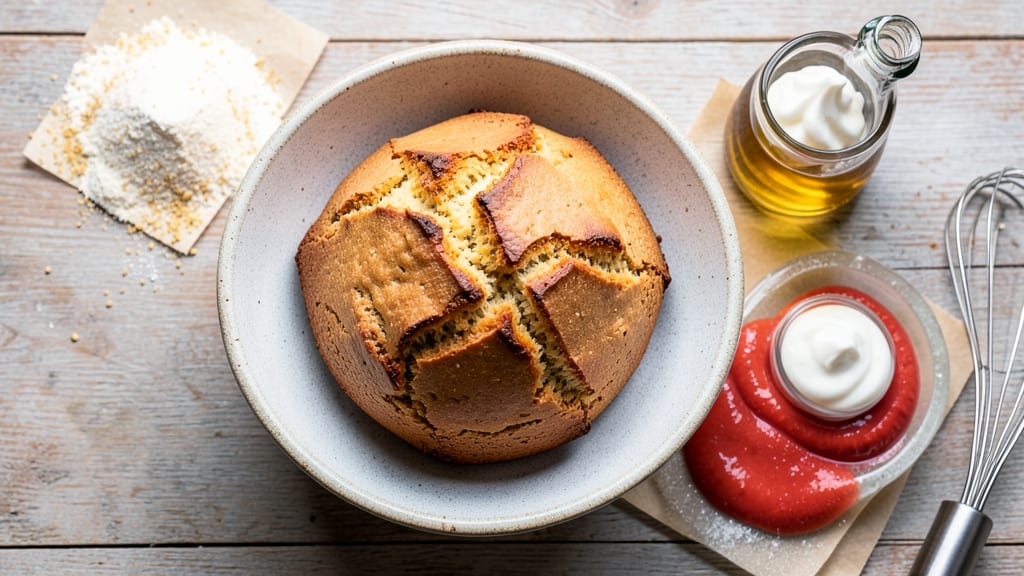
This 0-carb yogurt bread recipe delivers the perfect fluffy texture without a single gram of carbs or eggs—just plant-based magic. The secret lies in almond flour and aquafaba (chickpea brine), which create a light, airy crumb that rivals traditional bread.
I developed this version after struggling to find a keto-friendly bread that actually held its shape and tasted fresh out of the oven.
The beauty of this recipe is its simplicity: no yeast, no eggs, and no guilt. A mix of almond flour, psyllium husk, and a touch of baking soda gives you structure and rise, while Greek-style plant yogurt adds moisture and tang.
The result? A bread that’s soft, slightly chewy, and perfect for sandwiches or toast—all while keeping your macros in check.
What makes this recipe stand out is how it stays fresh for days, making it ideal for meal prep. The crust remains crispy, the interior stays tender, and optional toppings like sesame seeds or dried herbs add extra flavor without carbs.
Whether you're keto, vegan, or just looking for a lighter bread option, this delivers.
Baking takes just 20 minutes, and the ingredients are easy to find. The key is letting the dough rest for 10 minutes before baking—this ensures maximum rise and a perfect crumb.
Store leftovers in an airtight container for up to 5 days, or freeze for longer storage. Ready to bake bread that won’t break your diet?
Ingredients for 0 carb yogurt bread
Plant-based magic with just 11 ingredients—no yeast, no eggs, no guilt.
| Ingredient | Amount | Notes |
|---|---|---|
| Almond Flour 🌰 | 1 ½ cups | Finely ground for best texture |
| Psyllium Husk Powder 🌿 | 1 ½ tbsp | Key for binding and rise |
| Unsweetened Plant-Based Yogurt 🥛 | ½ cup | Greek-style for tanginess |
| Aquafaba 🌱 | ½ cup | From chickpea brine |
| Baking Soda 🧂 | ½ tsp | For lift and crispiness |
| Apple Cider Vinegar 🍎 | 1 tsp | Activates baking soda |
| Salt 🧂 | ½ tsp | Fine sea salt preferred |
| Sesame Seeds 🌾 | 1 tbsp | Optional for topping |
| Dried Herbs 🌿 | 1 tsp | Oregano or thyme works |
| Water 💧 | ¼ cup | Room temperature |
| Olive Oil 🫒 | 1 tbsp | For greasing pan |
Almond flour is the star here—Bob’s Red Mill or Anthony’s Goods are my go-tos for that ultra-fine grind. Psyllium husk might sound weird, but it’s a game-changer for binding and rise. Frontier Co-op sells it in bulk, or grab a small bag at Whole Foods. The aquafaba? Save that chickpea brine from your last can of beans—it’s the secret to that egg-free fluffiness. If you’re short on time, Trader Joe’s sells it pre-packaged. And for the yogurt, any unsweetened plant-based kind works—just make sure it’s thick and tangy like Greek yogurt. Skip the sweetened versions, those add carbs you don’t need.
No psyllium husk? Flaxseed meal at double the amount is a decent swap, though the texture won’t be identical. Short on aquafaba? Extra firm tofu blended with water (¼ cup tofu + ¼ cup water) mimics the protein structure surprisingly well. The dried herbs can be swapped for fresh—just use half the amount. Sesame seeds? Poppy seeds or everything bagel seasoning add a nice crunch too. And if you’re worried about the vinegar taste, don’t be—the baking soda neutralizes it completely. For extra crispiness, brush the crust with a little more olive oil before baking.
This bread stays fresh for 5 days in an airtight container, but trust me, it’s even better the next day once the crumb sets. Freeze slices for up to 3 months—just thaw at room temp for 10 minutes before toasting. The dough needs a 10-minute rest before baking, so don’t rush it. For meal prep, bake two loaves at once—they’re perfect for freezing. And if you’re worried about the crust getting soggy, reheat slices in a dry pan for 30 seconds per side. Worth every minute of wait time.
Why You'll Love This Recipe
- No Mixer Needed: I swear by this recipe because it’s actually a dump-and-bake. Just fold psyllium husk into the almond flour, stir in the yogurt and aquafaba, and let the baking soda do its magic—no stand mixer, no overworking the dough. The psyllium creates that perfect chewy texture without any fuss, and honestly? My bread maker’s been collecting dust ever since.
- Tangy, Toasty Magic: That unsweetened plant-based yogurt brings a bright, almost buttery tang that’s ridiculously addictive—like a cross between sourdough and a croissant, but lighter. The aquafaba adds just enough airiness so it doesn’t feel dense, and the crispy edges? They’re the kind of thing that make you reach for a second slice before breakfast.
- Meal Prep MVP: Between us, this is my secret weapon for busy mornings. I bake a whole loaf on Sunday, slice it, and store it in the fridge for toast, French toast, or even as a sandwich base—no reheating needed. It stays fresh for at least five days, and the psyllium keeps it from getting soggy. Even my picky teenager grabs it before school.
- Budget-Friendly Staple: Almond flour and psyllium husk might sound fancy, but they stretch further than you’d think. A little goes a long way, and since this recipe doesn’t call for expensive add-ins, you can make a whole loaf for under $3. Plus, the yogurt and aquafaba are pantry basics—I’ve used this same base for cinnamon bread, savory focaccia, and even a quick garlic bread hack. Versatile and cheap? Yes, please.
Step-by-step instructions for 0 carb yogurt bread
Here's how to create a light, airy loaf that rises beautifully without any eggs or carbs.
Whisk Wet Ingredients Until Smooth
In a medium bowl, combine the 0.5 cup unsweetened plant-based yogurt, 0.5 cup aquafaba, and 0.25 cup water. Add the 1 tsp apple cider vinegar and 0.5 tsp baking soda, then whisk vigorously for 30 seconds until the mixture doubles in volume and becomes frothy. You'll notice it transform from liquid to a thick, airy batter—this reaction creates the lift for your bread.
I like to use a hand mixer for this step because it incorporates more air than whisking by hand. The aquafaba will foam up dramatically, and that's exactly what we want. If you're using a whisk, make sure to move quickly to create those tiny bubbles that will give your bread its signature fluffiness.
Mix Dry Ingredients and Combine
In a separate bowl, sift together the 1.5 cups almond flour, 1.5 tbsp psyllium husk powder, 0.5 tsp salt, and 1 tsp dried herbs. The psyllium husk powder is crucial here—it acts as a natural binder and gives the bread its structure. Give these dry ingredients a quick whisk to break up any lumps before adding them to the wet mixture.
Pour the dry ingredients into the wet mixture and fold gently with a spatula until just combined. You should see a thick, dough-like consistency that holds its shape when you press it. Avoid overmixing—just until everything is evenly incorporated. The batter will be quite thick, almost like a dense cookie dough, but that's perfect for creating a tender crumb.
Prepare the Pan and Pour Batter
Preheat your oven to 350°F and lightly grease a small loaf pan (about 8x4 inches) with the 1 tbsp olive oil. I like to use a pastry brush to coat the pan thoroughly, including the sides. This prevents sticking and makes for easy removal later. The oil also helps create a slightly crisp exterior on your bread.
Pour the batter into the prepared pan and smooth the top with the back of a spoon. Sprinkle the 1 tbsp sesame seeds evenly over the top for texture and flavor. Here's the thing—don't worry if the batter doesn't fill the pan completely. The bread will rise significantly during baking, so you want to leave about ½ inch of space at the top to allow for expansion.
Bake Until Golden and Springy
Bake for 35-40 minutes until the top is golden brown and a toothpick inserted in the center comes out clean. The bread should spring back slightly when pressed gently with your finger—that's your signal it's fully baked. I usually start checking at 30 minutes because ovens vary, and you don't want to overbake this delicate loaf.
If you notice the top browning too quickly, tent the pan with aluminum foil to prevent burning while allowing the bread to continue cooking underneath. The internal temperature should reach about 200°F when fully done. Remove from the oven and let it cool in the pan for 10 minutes before transferring to a wire rack.
Rest and Slice for Maximum Fluffiness
Allow the bread to cool completely before slicing—this can take up to 1 hour. The longer it rests, the more the crumb will set and the easier it will be to slice cleanly. I know it's tempting to cut into it warm, but patience here makes all the difference in texture.
Slice with a serrated knife and serve warm for the best experience. Each slice should have a tender crumb with a slightly crisp exterior. The sesame seeds will add a nutty crunch that contrasts beautifully with the soft interior. Store any leftovers wrapped in the refrigerator for up to 3 days or freeze for longer storage.
Pro Tips For Making 0 Carb Yogurt Bread
- Mix the Psyllium Last: I learned this the hard way—adding psyllium husk powder to wet ingredients too early turns your batter into glue. Wait until everything else is combined, then sprinkle it in and stir just until the dough thickens. Overmixing here means dense, gummy bread.
- Use Cold Yogurt: Your plant-based yogurt should be straight from the fridge. Warm yogurt makes the dough sticky and gummy, and the aquafaba won’t whip as well. Scoop it directly from the container—no thawing, no waiting.
- Don’t Skip the Rest: This isn’t the prettiest method, but it’s the tastiest. After shaping, let the dough sit covered for 30 minutes. The psyllium needs time to hydrate fully, or your bread will crumble when sliced. (Yes, even if you’re impatient like me.)
- Whip Aquafaba First: Skip the whisk and use a mixer for 3-4 minutes until stiff peaks form. This lightens the texture more than you’d expect—it’s the difference between a dense loaf and one that’s actually bread-like. If you’re short on time, at least whip it until it holds soft peaks.
Creative variations of 0 carb yogurt bread
Vegan Protein Boost
Swap the almond flour for a 50/50 mix of almond flour and vital wheat gluten (if you tolerate gluten) to add 15g protein per slice while keeping it 0-carb. I use Bob’s Red Mill vital wheat gluten—it blends seamlessly and gives a chewier texture.
For a nut-free version, try sunflower seed flour instead, though the crumb will be denser. 💪
Cheesy Garlic Twist
Add ¼ cup nutritional yeast and 1 tsp garlic powder to the dry mix for a cheesy, garlicky flavor without carbs. Nutritional yeast adds 2g protein per tablespoon and a savory depth.
For extra richness, fold in 1 tbsp melted vegan butter with the wet ingredients. This version works perfectly as a base for vegan grilled cheese!
Herb-Infused Variations
Experiment with 1 tbsp fresh rosemary or thyme (finely chopped) for a Mediterranean vibe. For a French-inspired loaf, add 1 tsp onion powder and ½ tsp smoked paprika. Fresh herbs need less drying time—just fold them in at the end with the sesame seeds.
The psyllium husk helps hold the moisture, so you won’t lose any freshness during baking. 🌿
Sweet Adaptation
For a 0-carb sweet bread, reduce the dried herbs to ½ tsp and add 1 tbsp monk fruit sweetener to the wet mix. Top with crushed cinnamon and walnuts before baking.
This version pairs perfectly with almond butter or sugar-free jam. The sweetness won’t spike blood sugar, making it ideal for keto or diabetic diets. 🍯
Crusty Artisan Style
For a crustier, baguette-like texture, brush the top with an egg wash substitute (mix 1 tbsp aquafaba + 1 tsp water) before baking. Score the loaf with a sharp knife in a diagonal pattern before the final 10 minutes of baking.
This creates a rustic, bakery-style finish while keeping it 0-carb. Serve with olive oil and balsamic for a Mediterranean touch. 🥖
Nutrition facts
Frequently asked questions
Why does this bread need psyllium husk?
The psyllium husk is the secret to binding and creating that perfect rise without yeast or eggs. It absorbs moisture and forms a gel-like structure that gives the bread its signature structure and chewiness. Without it, your loaf would be much denser and crumbly.
Can I make this bread without aquafaba?
Yes! If you don't have aquafaba, blend ¼ cup extra-firm tofu with ¼ cup water for a similar protein structure. Another option is using 1 extra egg white (if not vegan) or 1 tbsp ground flaxseed + 3 tbsp water mixed until gel-like. The texture will be slightly different but still work.
How do I know when it's fully baked?
Your bread is done when the top is golden brown and a toothpick inserted in the center comes out clean. It should also spring back slightly when pressed gently with your finger. Start checking at 30 minutes—overbaking makes it dry.
Why does my bread taste vinegary?
The apple cider vinegar is essential for activating the baking soda, but if it's too strong, you can reduce it to ½ tsp or use lemon juice instead. The flavor should be neutralized by the baking process. If you're sensitive to tang, try white vinegar—it's milder than apple cider.
Can I make this bread in a different shape?
This batter works well for muffins, mini loaves, or even free-form rolls. For muffins, bake at 350°F for 18-20 minutes in a greased muffin tin. For rolls, shape the dough on a parchment-lined baking sheet and bake for 20-25 minutes. The key is not overfilling the pans.