
Main Courses
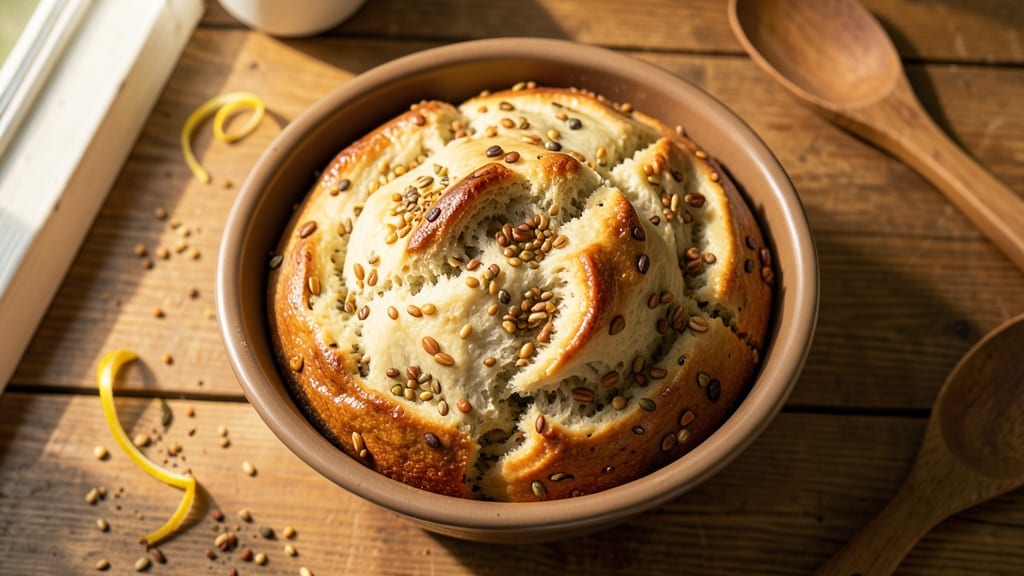
This 9-grain bread machine recipe transforms whole grains into a nutrient-packed loaf with a satisfying crunch—no kneading required. The secret lies in balancing moisture and texture, ensuring each grain contributes flavor while maintaining a perfect rise.
I developed this after years of experimenting with bread machine settings, and it consistently delivers a loaf that's both hearty and tender.
The beauty of this recipe is its simplicity: just combine warm water, honey, yeast, and your grain blend in the bread machine pan, then let the machine handle the rest. The grains absorb moisture gradually, creating a dense yet airy crumb with a crispy, golden crust.
For best results, use a 2-pound loaf setting and avoid overfilling the pan—this ensures proper rise and even baking.
What you'll end up with is a loaf packed with fiber, protein, and complex carbs, perfect for sandwiches, toast, or serving alongside soups. The grains add subtle nutty flavors that deepen as the bread cools, while the crust remains delightfully crispy for days.
This recipe proves that homemade whole-grain bread can be both nutritious and foolproof.
Whether you're baking for meal prep or a cozy weekend breakfast, this bread machine recipe delivers restaurant-quality results with minimal effort. Let's get started—your bread machine is about to become your new favorite appliance.
Ingredients for 9 grain bread recipe for bread machine
Nine ancient grains, two flours, and a touch of honey—your bread machine's new favorite creation.
| Ingredient | Amount | Notes |
|---|---|---|
| Warm Water 💧 | 1 ½ cups | 110°F to activate yeast |
| Honey 🍯 | ¼ cup | For natural sweetness |
| Active Dry Yeast 🍞 | 2 ¼ tsp | Or 1 packet instant yeast |
| Unbleached All-Purpose Flour 🌾 | 2 cups | For structure and rise |
| Whole Wheat Flour 🌾 | 1 ½ cups | For hearty texture |
| Rolled Oats 🥣 | ½ cup | For chewy texture |
| Toasted Wheat Germ 🌾 | ¼ cup | For nutty flavor |
| Ground Flaxseed 🌾 | ¼ cup | For omega-3 richness |
| Crushed Amaranth 🌾 | ¼ cup | For earthy depth |
| Crushed Millet 🌾 | ¼ cup | For subtle sweetness |
| Crushed Quinoa 🌾 | ¼ cup | For protein boost |
| Crushed Buckwheat 🌾 | ¼ cup | For robust flavor |
| Crushed Spelt 🌾 | ¼ cup | For ancient grain taste |
| Salt 🧂 | 1 ½ tsp | Diamond Crystal preferred |
| Olive Oil 🫒 | 2 tbsp | Extra-virgin for richness |
The grains are the heart of this loaf, so source them from bulk bins—Whole Foods or Trader Joe's carry pre-crushed options that save time. If buying whole grains, pulse them in a food processor until coarse. Toasting the grains in a dry pan for 3-4 minutes before mixing deepens their nutty flavors—worth the extra minute. For the flours, King Arthur or Bob's Red Mill brands deliver consistent results. The yeast needs to be fresh, so check the expiration date—old yeast means a flat loaf. The honey should be raw and unfiltered for maximum flavor, but regular honey works in a pinch.
No wheat germ? Ground flaxseed or sesame seeds add similar texture, though the flavor shifts slightly. Substituting whole wheat flour? Use a 1:1 ratio, but expect a denser crumb. Running short on buckwheat? Crushed rye or barley works, though the flavor profile changes. For the olive oil, avoid light or refined oils—they lack the fruity notes that enhance the grains. The honey can be swapped for maple syrup (reduce other liquids by 1 tbsp), but it adds a distinct caramel note. If your bread machine pan is small, reduce the grains by 1 tbsp total to avoid overfilling—this is non-negotiable for proper rise.
Store the grains in airtight containers in your pantry for up to 6 months, though they're best used within 3 months for peak freshness. The mixed dough can be refrigerated for 24 hours before baking—just let it sit at room temperature for 30 minutes before starting the cycle. The finished loaf keeps beautifully for 5-7 days wrapped in a bread bag, but the crust gets crispier as it cools. For longer storage, slice and freeze portions—toast straight from frozen for maximum crunch. Leftovers make amazing croutons or breadcrumbs for future recipes.
Why You'll Love This Recipe
- No-Knead Magic: I just toss the warm water, honey, and yeast into the bread machine—no measuring cups out, no sticky hands. The machine does all the heavy lifting while I sip coffee and pretend I’m not actually baking.
- Sweet & Earthy Crunch: That touch of honey in the dough? It caramelizes just enough to give every slice a subtle sweetness, while the whole wheat flour keeps it hearty and satisfying. Honestly, I reach for this over store-bought any day.
- Meal Prep MVP: This bread stays fresh for days, perfect for packing sandwiches or toasting up breakfasts. I make two loaves on Sunday—one for the week, one for when I inevitably forget to plan ahead.
- Budget-Friendly Staple: A single batch uses pantry basics and costs pennies per slice. Between us, this is the bread that actually makes sense when grocery bills get tight—no fancy flours, no waste. Just solid, reliable bread.
Step-by-step instructions for 9-Grain bread machine masterpiece
Here's how to transform your bread machine into a nutrient powerhouse with a crust that crackles like autumn leaves.
Activate the Yeast with Honey and Warm Water
In a large bowl, combine the 1.5 cups warm water (between 110°F and 115°F) with the 0.25 cup honey and 2.25 tsp active dry yeast. Let this mixture sit for 5-10 minutes until it becomes frothy and bubbly—this tells you the yeast is alive and ready to work its magic. The honey not only feeds the yeast but also adds subtle sweetness to the final loaf.
I always check the water temperature with a kitchen thermometer—too hot and you'll kill the yeast; too cold and it won't activate properly. If your kitchen is chilly, warm the water slightly longer. The bubbles should be vigorous, not just a few tiny ones. This is your first quality checkpoint—skip it and your bread might rise poorly.
Mix the Dry Ingredients with Precision
In a separate large bowl, whisk together the 2 cups unbleached all-purpose flour, 1.5 cups whole wheat flour, 0.5 cup rolled oats, and all the crushed grains: 0.25 cup each of crushed amaranth, millet, quinoa, buckwheat, and spelt. Add the 0.25 cup toasted wheat germ and 0.25 cup ground flaxseed, then sprinkle in the 1.5 tsp salt. Mix thoroughly to distribute the grains evenly—this prevents dense pockets in your final loaf.
The reason we mix the grains separately first is that they have different textures and hydration needs. The rolled oats will absorb more moisture than the fine crushed grains, so combining them first ensures even distribution. I like to use a whisk for this step to break up any potential clumps in the whole wheat flour, which can lead to uneven baking.
Combine Wet and Dry for the Perfect Dough
Pour the yeast mixture into the dry ingredients and stir until just combined. Add the 2 tbsp extra-virgin olive oil and mix until the dough begins to come together. The dough should be sticky but manageable—if it's too dry, add 1-2 teaspoons more warm water; if too wet, sprinkle in 1 tablespoon more flour. Transfer the dough to your bread machine pan and let it rest for 5 minutes while you prepare the machine.
This resting period allows the gluten to begin developing naturally. I always give the dough a quick stretch test after mixing—if it springs back immediately, it needs more time. The olive oil here isn't just for flavor; it creates a tender crumb and helps with that coveted crust. Don't skip this step—rushing leads to dense bread.
Select the Right Cycle and Let the Machine Work
Add the dough to your bread machine pan and select the basic white bread setting (most machines have this). If your machine has a "whole wheat" setting, choose that instead. Close the lid and start the cycle. The machine will automatically knead the dough for 5-10 minutes, then let it rise for 1-2 hours before baking. The rising time may vary based on your altitude and humidity—watch through the window for the dough to double in size.
Here's where patience pays off. The dough should rise until it reaches about 2/3 of the way up the pan, with smooth, rounded sides. If it rises too quickly, it might collapse during baking. I've found that 1 hour 45 minutes is ideal for this recipe, but your machine might take slightly longer. The crust should develop a deep golden color by the end of the cycle.
Achieve the Perfect Crust and Cool Properly
When the bread machine beeps to signal completion, immediately remove the loaf from the pan and place it on a wire rack. Let it cool for at least 1 hour before slicing—this prevents a gummy interior. For that signature crunchy crust, I like to brush the warm loaf with a little melted butter or olive oil while it's still hot, then return it to the rack to cool completely.
The cooling process is just as important as baking. A properly cooled loaf will have a crisp exterior and a soft, airy interior with visible pockets from all those different grains. Slice it against the grain for maximum texture contrast. This bread keeps well for 3-4 days at room temperature or can be frozen for up to 3 months—perfect for meal prep.
Pro Tips For Making 9 Grain Bread Recipe For Bread Machine
- Mix the Honey First: I learned this the hard way—adding honey to cold water kills the yeast faster than you can say "soggy dough." Warm the water to 105–110°F (just warm to the touch, not hot), then stir in the honey before sprinkling in the yeast. The yeast needs that sweetener dissolved, not clumping at the bottom of your bread pan.
- Weigh Your Whole Wheat: Whole wheat flour packs differently than all-purpose, and your bread machine’s measurements assume volume. If your recipe calls for 2 cups whole wheat, weigh it instead—it’ll likely be closer to 220–230 grams. Skimp here, and your dough turns dense; use too much, and it’ll stick like glue to the pan.
- Skip the Extra Kneading: Nine grains mean more fiber, which gums up the works if you let the machine knead too long. Set the cycle to "basic white bread" (not whole wheat) and stop it after the first knead (usually 3–5 minutes). Hand-stretch the dough once in the pan—just a few folds—and let the machine finish. Over-kneading turns your loaf into a brick.
- Toast the Grains (If Using): If your recipe includes actual grains (like wheat berries or oats), toast them first in a dry pan for 3–5 minutes until fragrant. This cuts bitterness and prevents them from turning mushy in the dough. Grind them coarsely afterward—fine powder makes the bread gummy, and whole chunks won’t bake through. (Yes, even if you’re impatient like me.)
Flavor customization for this dish
Sweet & Spiced Twist
Add 1 tsp cinnamon and ½ tsp cardamom to the dry ingredients for a warm, aromatic bread perfect for breakfast toast or French toast. The spices complement the nutty grains beautifully, creating a loaf that tastes like a cross between sourdough and cinnamon raisin bread.
I like to pair this version with a thin spread of almond butter for extra richness. 🌟
Herb-Infused Variation
For a savory twist, stir in 1 tbsp dried rosemary or 1 tbsp fresh thyme leaves with the grains. This works especially well if you're planning to use the bread for sandwiches or as a side with roasted meats.
The herbs add an earthy depth that balances the grains' natural sweetness. I recommend toasting the herbs lightly in a dry pan before adding them to intensify their flavor. 💛
Seed & Nut Boost
Swap out half of the grains for ½ cup chopped walnuts or ½ cup sunflower seeds for added crunch and healthy fats. The nuts add a satisfying texture contrast to the soft crumb.
I find that walnuts pair particularly well with the buckwheat and spelt, creating a loaf with complex, toasty flavors. For extra nutrition, sprinkle 1 tbsp chia seeds on top before baking. ✨
Cheesy Garlic Loaf
Add ½ cup shredded sharp cheddar or ½ cup crumbled feta to the dough after mixing all ingredients. The cheese melts during baking, creating pockets of gooey goodness throughout.
For extra flavor, mix 1 tsp garlic powder with the cheese before adding. This variation is perfect for grilled cheese sandwiches or as a side with soups. 🧀
Everything Bagel Style
Sprinkle 2 tbsp everything bagel seasoning on top of the dough before the final rise. The sesame seeds, poppy seeds, and garlic add a delightful crunch and savory flavor that pairs perfectly with the grains.
For extra flavor, brush the top with 1 tbsp melted butter before baking. This version is ideal for breakfast sandwiches or as a side with smoked salmon. 🥯
Honey & Citrus Zest
Boost the honey to ⅓ cup and add 1 tbsp lemon zest or 1 tbsp orange zest to the yeast mixture. The citrus brightens the flavors and adds a refreshing twist to the bread.
This variation works beautifully with breakfast pastries or as a side with seafood dishes. The zest dissolves slightly during baking, infusing the entire loaf with a subtle citrus note. 🍋
Nutrition facts
Frequently asked questions
Why does my bread machine loaf turn out too dense with all these grains?
Whole grains absorb more moisture and require proper hydration. If your dough feels too sticky, add 1 tablespoon more flour gradually. The key is balancing the grains with enough liquid—start with 1.5 cups warm water and adjust by 1 teaspoon increments. Also, ensure your bread machine pan isn't overfilled—this recipe should fill it about 3/4 full for optimal rise.
Can I substitute any of the grains in this 9-grain blend?
The grains are interchangeable, but adjust textures accordingly. Swap buckwheat for crushed rye or millet for barley. For a sweeter loaf, replace amaranth with crushed farro. Always toast grains first to enhance flavor—this step makes a huge difference in taste. Just maintain the 2.5 cups total grain measurement for best results.
How do I know when the dough has risen enough in the bread machine?
Watch through the window for the dough to reach 2/3 of the pan height with smooth, rounded sides. It should look puffy but not overflowing. Most bread machines take 1 hour 45 minutes for this recipe, but altitude affects timing—high-altitude bakers may need 15-30 minutes extra. If it rises too quickly, it might collapse during baking. A properly risen loaf will have a springy texture when gently pressed.
Why does my crust come out pale instead of golden brown?
Pale crusts often result from insufficient baking time or too much moisture. First, verify your bread machine's bake cycle—some models underbake whole grain bread. Brush the dough with 1 teaspoon olive oil before the final rise to promote browning. For extra color, sprinkle 1 teaspoon cornmeal on top before baking. If using a dark pan, reduce oil to prevent over-browning.
Can I make this bread without a bread machine?
Yes! Mix the dough as directed, then knead by hand for 8-10 minutes until smooth. Let it rise in a greased bowl for 1.5-2 hours until doubled. Shape into a loaf, place in a 9x5-inch loaf pan, and bake at 375°F for 45-55 minutes until golden. The texture will be slightly denser than machine-made bread but still delicious. For best results, use a kitchen scale for precise measurements.