
Side Dishes
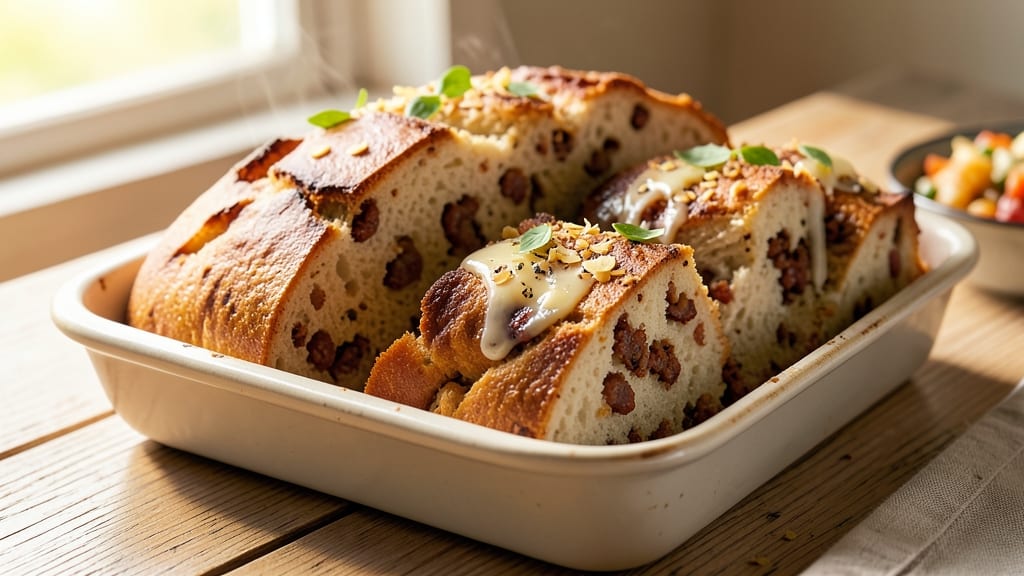
This baco bread recipe delivers crispy, golden edges and savory garlic-herb swirls that make every bite irresistible. 🔥 The secret lies in perfectly fried longganisa wrapped in buttered bread, creating a textural contrast that's both satisfying and nostalgic.
I've perfected this Filipino street food staple to ensure that crispy exterior and tender, flavorful filling come together every time.
The beauty of this dish is in its simplicity—just a few ingredients, but each plays a crucial role. The longganisa, a garlicky Filipino sausage, is the star, while the buttered bread provides the perfect vessel for its savory goodness.
Optional additions like cheese and eggs add extra richness, but the classic version remains just as delicious. The key is achieving that ideal crispiness without drying out the sausage inside.
What you’ll end up with is a sandwich that’s crispy on the outside, tender on the inside, and packed with layers of garlic and herb flavor. The aroma alone will have everyone gathering around the table, and the first bite delivers that perfect balance of textures and tastes.
Whether you're making it for a quick breakfast or a comforting snack, this recipe is sure to become a favorite.
Traditionally, baco bread is fried in oil, but modern adaptations like air-frying or baking in the oven offer healthier alternatives without sacrificing flavor. Once you master this technique, you’ll be able to recreate that beloved Filipino street food experience at home, every time. Let’s get started!
Ingredients for baco bread
Just eight core ingredients transform into crispy, savory baco bread with golden edges and herby swirls.
| Ingredient | Amount | Notes |
|---|---|---|
| Longganisa Sausage 🥓 | 8 oz | Filipino-style, sliced into rounds |
| All-Purpose Flour 🌾 | 2 cups | For bread dough |
| Active Dry Yeast 🍞 | ¼ tsp | Or 1 packet instant yeast |
| Granulated Sugar 🍚 | 1 tbsp | For yeast activation |
| Unsalted Butter 🧈 | ½ cup | Softened, room temperature |
| Warm Water 💧 | ¾ cup | 110°F for yeast activation |
| Garlic Cloves 🧄 | 4 cloves | Minced for dough and filling |
| Fresh Parsley 🌿 | ¼ cup | Chopped, for herb swirls |
| Vegetable Oil 🫒 | 2 cups | For frying (or air-fryer oil) |
| Salt 🧂 | 1 tsp | Kosher or sea salt |
| Ground Black Pepper 🌶️ | ½ tsp | Freshly ground preferred |
| Optional Shredded Cheese 🧀 | ½ cup | Mozzarella or cheddar |
| Optional Egg 🥚 | 1 whole | For extra richness |
The longganisa is the heart of this dish—Filipino-style sausage with that garlicky, herby punch. Local Asian markets usually carry it pre-sliced, but if you can't find it, Italian sweet sausage works in a pinch. For the dough, King Arthur flour gives the best texture, but any all-purpose works. The yeast? Fresh is ideal, but instant yeast in a packet is foolproof. Skip the pre-shredded cheese—block cheese grates fresher, and the flavor is worlds apart. If you're feeling fancy, grab some fresh parsley from the grocery store's produce section—it brightens up the whole thing.
No longganisa? Italian sausage or even ground pork mixed with garlic and herbs can stand in. Running low on parsley? Fresh cilantro or chives add a nice twist. The optional egg and cheese are pure luxury—skip them if you're keeping it classic. For the oil, vegetable or canola works best for frying, but if you're air-frying, use a high-smoke-point oil like avocado. The dough needs to rest for at least 1 hour, so don't rush it—this is where the flavor develops. And if you're making this ahead, shape the dough balls and refrigerate them overnight for even better flavor.
This keeps for 2 days in the fridge, but honestly, it's best fresh out of the fryer. For storage, wrap the leftovers in a paper towel-lined container to keep them crispy. Freezing? Shape the dough balls only—don't fry ahead. The sausage filling freezes beautifully too, so you can prep that in advance. Reheat in a skillet or air fryer for 3-4 minutes until golden and crispy again. Pro tip: Double the dough—it disappears fast, and seconds are always welcome.
Why You'll Love This Recipe
- No-Knead Magic: I swear by this dough—just mix, let it rise, and forget about it. The yeast does all the work while I sip coffee, and that buttery, sausage-infused crust? Worth every five minutes of hands-off time.
- Sausage-Packed Punch: One bite and you’ll understand why I double the longganisa. That garlicky, slightly sweet sausage flavor seeps into the bread, turning every slice into a mini celebration. (Yes, even on a Tuesday night.)
- Weeknight Wonder: Freezer-friendly, reheats in seconds—this bread is my secret weapon. Toss a slice in the toaster for breakfast or pack it in lunchboxes. Honestly, I’ve even used it to soak up soup when I’m lazy.
- Budget Breakthrough: A single loaf feeds my whole family, and the cost? Ridiculously low. That sugar in the dough caramelizes into crispy edges, but it’s a fraction of what store-bought would run me. My wallet and taste buds win.
Step-by-step instructions for baco bread
Here's how to make this crispy, savory bread with perfect garlic-herb swirls and golden edges.
👨🍳 Step 1: Activate the Yeast and Prepare the Dough
In a small bowl, combine the 0.75 cup warm water (about 110°F) with the 0.25 tsp active dry yeast and 1 tbsp granulated sugar. Let it sit for 5-10 minutes until frothy—this means your yeast is alive and ready to work. If it doesn't bubble, your yeast might be dead, and you'll need to start over.
In a large mixing bowl, combine the 2 cups all-purpose flour, 1 tsp salt, 0.5 tsp ground black pepper, 4 minced garlic cloves, and 0.25 cup chopped fresh parsley. Add the yeast mixture and 0.5 cup softened unsalted butter to the bowl. Mix with a wooden spoon until a shaggy dough forms, then knead by hand for 5-7 minutes until smooth and elastic.
🍳 Step 2: Create the Savory Filling and Shape the Loaves
Slice the 8 oz longganisa sausage into ¼-inch thick rounds and arrange them in a single layer on a piece of parchment paper. Sprinkle with any optional 0.5 cup shredded cheese if using, then roll the parchment tightly into a log. Chill this sausage log in the refrigerator for 15 minutes to firm up.
Divide the dough into 4 equal pieces (about 6 oz each). Roll each piece into a 12-inch long rope about ½-inch thick. Wrap each dough rope around the chilled sausage log, sealing the edges to create a tight spiral. Place each filled dough log seam-side down on a parchment-lined baking sheet and let rise uncovered at room temperature for 1 hour or until puffy and nearly doubled in size.
🔥 Step 3: Fry to Crispy Perfection
Heat 2 cups vegetable oil in a deep, heavy pot to 350°F—use a thermometer to monitor the temperature. Fry one loaf at a time for 3-4 minutes until the bread is golden brown all over. The oil should sizzle gently, and the bread should float when ready. Use a slotted spoon to transfer to a paper towel-lined plate to drain excess oil.
To achieve that perfect crispy exterior, I like to flip the bread halfway through frying—after about 1.5 minutes—to ensure even browning. If the bread browns too quickly, reduce the heat slightly. The internal temperature should reach 190°F when done. Repeat with remaining loaves, adding oil as needed to maintain the 350°F temperature.
⏰ Step 4: Optional Egg Wash for Extra Shine
For that restaurant-quality shine and extra richness, beat the 1 whole optional egg in a small bowl. Brush the egg wash generously over the fried bread while still warm. This step isn't mandatory but adds a beautiful finish and helps the bread stay crispy longer. Place the bread back in the oven at 300°F for 5 minutes to set the egg wash if desired.
Serve immediately while still crispy. The bread should have a golden, crackly exterior with a soft, pillowy interior filled with savory sausage and fragrant garlic-herb swirls. For best results, eat within 2 hours of frying while the edges are at their crispest.
Pro Tips For Making Baco Bread
- Pre-cook the Sausage: Slice those longganisa thin and pan-fry them until just crispy—don’t overcook, or they’ll turn to grease. I learned this the hard way when my first batch turned into a soggy mess after baking.
- Weigh Your Flour: Ditch the scooping—use a kitchen scale for the flour. A cup of flour varies wildly by brand, and your dough will either be too sticky or too dry. Trust me, this small step keeps everything consistent.
- Don’t Rush the Yeast: Let the yeast activate in warm milk (or water) for 10 minutes until foamy—no bubbles? Start over. Cold milk slows it down, and dead yeast means a flat, sad loaf.
- Brush Butter Twice: After the first bake, brush melted butter on the top and sides—even if it looks messy. That extra layer of fat makes the crust crispy and the interior juicy. (Yes, it’s worth the extra 30 seconds.)
Storing and reheating this recipe
Refrigerator Storage
Store leftover baco bread in an airtight container with a paper towel to absorb moisture and maintain crispiness. Keep it refrigerated for up to 2 days—the bread will stay fresh but lose some of its crunch.
I like to wrap individual pieces in parchment paper before stacking them to prevent sticking. Reheat in a skillet with 1 tbsp oil over medium heat for 2-3 minutes per side until golden again. 🔥
Freezer Prep Tips
For long-term storage, freeze the unfried dough logs (before shaping) in a single layer on a tray, then transfer to a freezer bag. This prevents them from sticking. When ready to cook, thaw overnight in the fridge, then fry as directed.
The sausage filling also freezes beautifully—wrap it tightly in plastic wrap and freeze for up to 1 month. Thaw in the fridge before assembling. ❄️
Reheating Methods
For stovetop reheating, place bread in a nonstick skillet over medium heat for 3-4 minutes per side until crispy. Add a splash of water or oil to prevent sticking. For the air fryer, set to 350°F and reheat for 4-5 minutes, flipping halfway.
The oven method works too—wrap bread in aluminum foil and bake at 375°F for 8-10 minutes for a softer texture. 💫
Keeping It Crispy
To revive stale baco bread, sprinkle a pinch of salt and pepper, then toast in a dry skillet over medium heat for 1-2 minutes per side. The salt helps restore crispiness by drawing out moisture. For extra crunch, brush with a light egg wash before reheating.
Store reheated bread in a paper bag to keep it crispy longer. Pro tip: Double-fry if needed—briefly reheat in oil for 30 seconds to refresh the exterior. 💪
Make-Ahead Filling
Prep the longganisa filling ahead by slicing the sausage, mixing with optional cheese, and rolling it into logs. Wrap tightly in plastic wrap and refrigerate for up to 3 days or freeze for 1 month.
This saves time on cooking day—just assemble the dough, shape, and fry as usual. The flavors deepen over time, making it even more aromatic. 🌟
Nutrition facts
Frequently asked questions
Can I make baco bread without longganisa?
If you can't find Filipino longganisa, substitute with Italian sweet sausage or even ground pork mixed with garlic, parsley, and a pinch of sugar. The key is maintaining that garlicky, herby flavor. For a vegetarian option, use spiced tofu or tempeh instead. Just ensure your filling stays firm enough to hold its shape when wrapped in dough.
How do I get the bread extra crispy?
The secret lies in the frying technique. Maintain oil at 350°F and fry for 3-4 minutes, flipping halfway. For extra crunch, brush with an egg wash after frying and bake at 300°F for 5 minutes. Using vegetable or canola oil (high smoke point) also helps achieve that perfect crispy texture. Pro tip: Pat the dough dry before shaping to prevent oil absorption.
Can I bake baco bread instead of frying?
Yes! For a healthier version, shape the dough as directed, then bake at 375°F for 20-25 minutes until golden. Brush with olive oil before baking for extra crispiness. The texture will be softer than fried, but still delicious. For best results, use a wire rack to prevent sogginess. This method works especially well for those watching their oil intake.
Why did my dough not rise properly?
This usually happens when the yeast is dead or the dough isn't given enough time to rise. Always check your yeast by ensuring it bubbles in warm water with sugar. Let the dough rise in a warm place (like near the oven with the light on) for 1 hour. If using instant yeast, make sure it's fresh (within 4 months). For extra insurance, let the dough rise twice—first for 1 hour, then after shaping.
How do I make baco bread ahead of time?
Prepare the dough and shape it into logs (without frying), then refrigerate for up to 24 hours or freeze for 1 month. On cooking day, let it rise at room temperature for 1 hour before frying. The sausage filling can also be prepped in advance—slice and roll it, then refrigerate for 3 days or freeze for 1 month. This makes assembly quick and easy!