
Desserts
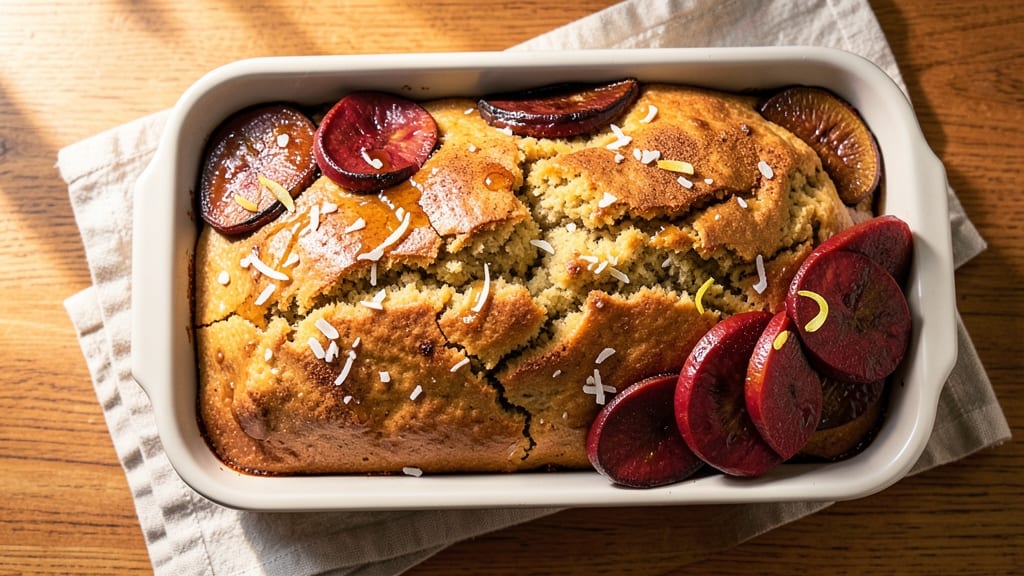
This African banana bread recipe transforms ripe plantains into a fragrant, spiced loaf that’s richly moist and naturally sweet—no nuts required. The warm blend of nutmeg, cinnamon, and cardamom reflects traditional West African baking techniques, where spices elevate simple ingredients into something extraordinary.
What sets this apart is the plantain base, which adds a subtle caramel depth that store-bought banana bread can’t match.
The secret to its signature texture lies in a combination of ripe plantains and a touch of brown sugar, which creates a tender crumb without needing butter or oil.
This recipe delivers a loaf that’s perfectly moist in the center, with a golden crust that crackles just enough to hold your attention. It’s the kind of bread that disappears faster than you can slice it—ideal for breakfast, snacks, or even as a dessert when paired with whipped cream.
What makes this version truly special is its adaptability. While the base recipe stays true to its roots, you can easily modify it for dietary preferences—swap the honey for maple syrup, or use coconut oil instead of butter.
The warm spices ensure every slice carries that comforting, aromatic quality that makes it feel like a homemade hug.
Perfect for brunch gatherings, holiday desserts, or as a comforting treat on a chilly afternoon, this banana bread brings a taste of Africa to your kitchen table. Ready in just 60 minutes, it’s a recipe that proves you don’t need fancy ingredients to create something unforgettable.
Ingredients for african banana bread
Transform ripe plantains and warm spices into a fragrant, nut-free loaf with this African-inspired bread.
| Ingredient | Amount | Notes |
|---|---|---|
| Ripe Plantains 🍌 | 3 whole | Blackened skin, peeled and sliced |
| All-Purpose Flour 🌾 | 2 ½ cups | Sifted for light texture |
| Granulated Sugar 🍚 | ¾ cup | White or light brown |
| Light Brown Sugar 🍚 | ½ cup | Packed, for moisture |
| Honey 🍯 | ¼ cup | Wildflower preferred |
| Unsalted Butter 🧈 | ½ cup | Room temperature, cubed |
| Large Eggs 🥚 | 2 whole | Room temperature |
| Pure Vanilla Extract 🌸 | 1 tbsp | High-quality, not imitation |
| Ground Cinnamon 🌿 | 1 ½ tsp | Freshly ground preferred |
| Ground Nutmeg 🌶️ | ½ tsp | Freshly grated for warmth |
| Ground Cardamom 🌿 | ½ tsp | Freshly ground for aroma |
| Baking Soda 🧂 | 1 tsp | Pure, not baking powder |
| Salt 🧂 | ½ tsp | Fine sea salt |
| Milk 🥛 | ½ cup | Whole milk for richness |
| Vegetable Oil 🫒 | ¼ cup | Light, not extra-virgin |
Plantains are the heart of this recipe—look for ones with blackened skin at Latin or Caribbean markets, or even the international aisle at Whole Foods. The deeper the color, the sweeter the flavor. For the spices, Penzeys or local spice shops carry the best ground cardamom and nutmeg, but don’t stress if your grocery store’s isn’t fresh—just check the expiration date. The brown sugar should be packed tightly in the cup, and the honey? Wildflower if possible, but any will do. Pre-slicing the plantains and storing them in the fridge overnight actually enhances their sweetness—trust me on that.
No honey? Maple syrup or agave works in a pinch, though it’ll alter the flavor slightly. Swapping butter for coconut oil keeps it vegan, but the texture will be denser—add an extra tablespoon of milk if needed. Running out of cardamom? Allspice at half the amount mimics its warmth. For the plantains, if you can’t find ripe ones, yellow plantains will work but won’t be as sweet. And if your bread turns out too dense? Underbaked by 2-3 minutes next time—it’ll keep cooking as it cools. The spices are non-negotiable though; they’re what give this bread its signature African soul.
This bread stays moist for 3-4 days wrapped in foil at room temperature, or up to 1 week in the fridge. For longer storage, slice and freeze portions—just thaw at room temperature before serving. The crust gets crispier after a day, so if you’re making it ahead, wrap tightly in parchment to preserve that crackly texture. And if you bake a second loaf? Toast the slices—they’re perfect with jam or as a dessert with whipped cream.
Why You'll Love This Recipe
- No-Fuss Mix-In: I swear by this recipe because it’s the kind of thing I can make while scrolling through my phone. Slice those plantains—no peeling needed—and toss them straight into the batter with flour, sugars, and honey. The ripe fruit breaks down into sweet, jammy pockets without extra work.
- Sweet-Tart Magic: That combo of brown sugar, honey, and caramelized plantains? It’s like dessert and breakfast had a baby. The edges get just crisp enough to hold a bite, while the inside stays soft—like a hug for your taste buds.
- Breakfast or Snack: Honestly, I keep a loaf in the fridge at all times. Toast it for breakfast, pack slices for lunch, or serve it warm with tea. Even my picky teen grabs it when he’s hungry—no questions asked.
- Budget Stretch: Plantains are cheap, and this recipe uses what you’ve got. A single bunch feeds my family for days, and the honey adds richness without breaking the bank. Plus, leftovers? They taste even better the next day.
Step-by-step instructions for African banana bread
Here's how to create a perfectly moist, spiced banana bread using ripe plantains.
Prepare the Plantains and Mix Dry Ingredients
Start by peeling the 3 whole ripe plantains and slicing them into ½-inch thick rounds. Set aside. In a medium bowl, whisk together the 2.5 cups all-purpose flour, 1.5 teaspoons ground cinnamon, 0.5 teaspoon ground nutmeg, 0.5 teaspoon ground cardamom, 1 teaspoon baking soda, and 0.5 teaspoon salt. Sift the mixture through a fine-mesh sieve directly into a large mixing bowl to ensure a light, airy texture.
This step is crucial for achieving that signature tender crumb. The spices blend evenly when sifted, and removing lumps prevents dense bread. I always sift dry ingredients first—it makes mixing wet ingredients easier later.
Cream Butter, Sugars, and Honey
In the large bowl with the sifted dry ingredients, add the 0.5 cup unsalted butter, 0.75 cup granulated sugar, 0.5 cup light brown sugar, and 0.25 cup honey. Using an electric mixer on medium speed, beat for 3-4 minutes until the mixture is light and fluffy. You'll see the butter incorporate completely and the sugars dissolve.
The reason we wait until the mixture turns pale is to incorporate air, which creates that signature tender crumb. If you rush this step, the bread will be dense. I press down gently on the mixture with a spoon—when it springs back, it's ready for the next step.
Add Eggs and Mix Wet Ingredients
Add the 2 whole large eggs, one at a time, mixing well after each addition. Then stir in the 1 tablespoon pure vanilla extract and 0.5 cup milk. The batter should be smooth but slightly thick. Fold in the sliced plantains gently with a spatula, ensuring even distribution throughout the batter.
Here's the thing—don't overmix. You want just enough to combine everything without developing gluten. The plantains will sink slightly, but that's normal. If the batter looks too thick, add 1-2 tablespoons more milk to help with moisture during baking.
Bake to Golden Perfection
Preheat your oven to 350°F. Grease a 9x5-inch loaf pan thoroughly with vegetable oil or line it with parchment paper. Pour the batter into the prepared pan and smooth the top. Bake for 50-55 minutes, or until a toothpick inserted into the center comes out clean and the top is golden brown.
Don't open the oven during the first 30 minutes—this prevents the bread from sinking. If the top browns too quickly, tent loosely with aluminum foil. The internal temperature should reach 205°F for perfect doneness. Real talk: your oven might run hot, so start checking at the 45-minute mark.
Cool and Serve
Remove the bread from the oven and let it cool in the pan for 10 minutes. Then transfer it to a wire rack to cool completely. The bread will sink slightly as it cools, but it should still hold its shape. Slice when completely cooled for clean cuts and maximum moisture.
Each slice should be tender with a subtle plantain sweetness and warm spice notes. The texture should be moist but not gummy, with a slightly crisp crust. If stored properly in an airtight container, this bread stays fresh for up to 5 days or can be frozen for longer storage.
Pro Tips For Making African Banana Bread
- BOIL PLANTAINS UNTIL TENDER: Don’t rush the boiling—ripe plantains need a solid 10-12 minutes in simmering water until they’re fork-tender and the edges start to soften. I learned this the hard way when my first batch turned out gummy because I pulled them too soon. The longer they cook, the easier they mash, and the richer the bread’s texture.
- MASH WITH A POTATO MASHER: Skip the blender for smoother, lump-free plantain puree. A potato masher or wooden spoon works best—it breaks down the fibers just enough to keep the bread light while avoiding that gluey texture a food processor can create. (Yes, even if you’re impatient like me.)
- WEIGH YOUR FLOUR: Scooping flour from the bag packs in extra air, making your bread denser. Use a kitchen scale for the exact 250g (or 2 cups) called for—this recipe relies on the flour’s structure to hold the moist plantains. Trust me, your loaf will thank you.
- BAKE UNTIL 200°F: The bread’s done when the internal temp hits 200°F (93°C), not just when it springs back at the touch. A toothpick test is good, but the thermometer guarantees it’s fully baked—especially important with honey’s moisture content. Overbaking dries it out; underbaking leaves it gummy.
Serving suggestions for this african banana bread
Morning Coffee Pairing
Start your day with a slice of this banana bread alongside a strong Ethiopian coffee—the bold, earthy notes complement the warm spices beautifully. I love pairing it with a light roast to avoid overpowering the delicate plantain flavor.
For a modern twist, try a cold brew with a splash of vanilla syrup to mirror the bread's natural sweetness. ☕
Warm Spiced Tea
Serve slices with chamomile tea infused with cinnamon sticks and orange peel to enhance the bread's aromatic profile. The tea's floral notes balance the rich plantain sweetness perfectly. For an African-inspired touch, steep hibiscus tea with a pinch of cardamom—it creates a tangy contrast that's simply divine. 🌿
Creamy Dessert Toppings
Elevate your serving with homemade whipped cream lightly sweetened with honey, or a dollop of vanilla bean ice cream for a decadent treat. I also love drizzling dark chocolate ganache (70% cocoa) to add a sophisticated contrast.
For a lighter option, sprinkle with toasted coconut flakes and a pinch of sea salt for a tropical twist. 🍫
Breakfast Platter
Turn this bread into a savory-sweet breakfast by pairing it with scrambled eggs and crispy bacon. The plantain's natural sweetness balances the saltiness beautifully. For a vegetarian option, serve with avocado slices and a sprinkle of chili flakes.
This combo makes for a satisfying brunch that's sure to impress guests. 🍳
Afternoon Snack
Pack individual slices in parchment-lined boxes with a small jar of peanut butter (if avoiding nuts, try sunflower seed butter) for a portable treat. The bread's moist texture holds up perfectly for lunchboxes or office snacks.
For extra flair, add a drizzle of honey and a sprinkle of crushed pistachios (optional) for crunch. ✨
Holiday Gift Idea
Wrap slices in parchment paper tied with twine and include a mini jar of jam (try raspberry or mango) for a thoughtful homemade gift. The warm spices make it perfect for Christmas or Kwanzaa celebrations.
For a festive touch, dust with powdered sugar and add a sprig of fresh rosemary for an elegant presentation. 🎄
Nutrition facts
Frequently asked questions
Can I substitute plantains with regular bananas?
You can try, but it won't be the same! Plantains add a deeper caramelized sweetness and firmer texture that regular bananas lack. If you must substitute, use 4 ripe bananas (mashed) instead of 3 plantains, but expect a slightly softer crumb. For best results, stick with plantains—they're the star of this African-inspired recipe!
Why does my bread turn out dense instead of moist?
Dense bread usually means overmixing or underbaking. Mix just until combined (no more than 30 seconds after adding wet ingredients) to avoid gluten development. Also check your oven temp—if it runs hot, reduce to 325°F and bake 5-10 minutes longer. Always test doneness with a toothpick at 205°F internal temp.
How do I store leftovers to keep them fresh?
Wrap tightly in plastic wrap or foil and store at room temp for 2 days, or refrigerate for up to 5 days. For longer storage, slice and freeze portions—thaw overnight in the fridge. Pro tip: Toast slices before serving to revive freshness! The spices actually enhance over time, making older slices even more aromatic.
Can I make this vegan?
Replace the butter with ½ cup coconut oil (melted) and use flax eggs (1 tbsp ground flax + 3 tbsp water per egg). For the honey, swap in maple syrup and ensure your vanilla extract is vegan-certified. The texture will be slightly denser but still delicious—just add 1 extra tbsp milk substitute to compensate.
What's the secret to the perfect crust?
The golden crust comes from two things: brown sugar (for caramelization) and proper baking time. Brush the top with melted butter during the last 10 minutes of baking for extra shine. If your oven browns too quickly, tent with foil at 30 minutes and check frequently after that. The crust should be crackly but not burnt!