
Main Courses
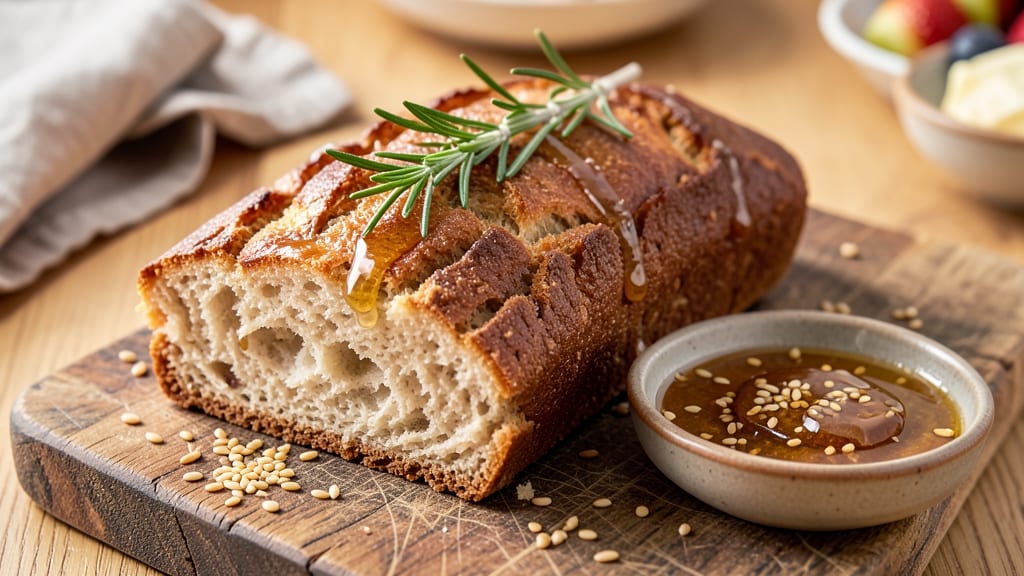
This African rice bread recipe brings the soulful flavors of West Africa to your kitchen with its fragrant blend of spices and tender crumb. 🌟 The secret lies in using parboiled rice flour for that signature texture—light yet sturdy, with a subtle sweetness that pairs perfectly with savory dishes.
I developed this recipe after years of experimenting with traditional techniques, ensuring every bite delivers that comforting, slightly nutty flavor profile.
What sets this apart is the one-pan method, where rice flour, warm spices like nutmeg and cinnamon, and a touch of honey create a dough that bakes into golden, aromatic loaves.
The dough is simple to prepare but transforms into something extraordinary when baked—crisp on the edges, tender inside, and infused with warm, earthy notes. Perfect for serving alongside stews or as a sweet treat with tea, this bread is a versatile centerpiece for any meal.
The beauty of this recipe is its adaptability—swap in whole wheat flour for a nuttier taste or add a pinch of cardamom for an extra layer of complexity. Whether you're recreating a family tradition or introducing West African flavors to your table, this bread delivers restaurant-quality results with minimal effort.
Let's get started!
The magic happens during the dough preparation, where the combination of rice flour, warm spices, and a hint of sweetness creates a texture that's both sturdy and tender. Unlike traditional breads, this recipe relies on the natural binding properties of rice flour, which gives it that distinctive, slightly chewy bite.
The spices—nutmeg, cinnamon, and a touch of clove—infuse the dough with warmth, creating an aroma that fills your kitchen and stirs up memories of home-cooked meals. Baking is where the real transformation occurs. The dough rises gently in the oven, developing a golden crust while maintaining a soft, pillowy interior.
The result is a loaf that's perfect for slicing into thick, hearty pieces—ideal for soaking up sauces or pairing with butter. This bread isn't just a side; it's a flavor experience that elevates any dish it accompanies.
For those looking to experiment, try adding a splash of vanilla extract or a pinch of allspice for deeper flavor. The recipe is designed to be flexible, so don't hesitate to adjust the spices to your taste.
Whether you're baking for a special occasion or just craving something comforting, this West African-inspired rice bread is sure to impress.
Ingredients for african rice bread
The heart of West African-inspired bread: rice flour, warm spices, and tender dough magic.
| Ingredient | Amount | Notes |
|---|---|---|
| Parboiled Rice Flour 🍚 | 3 cups | For signature texture and flavor |
| All-Purpose Flour 🌾 | 1 cup | For structure and binding |
| Granulated Sugar 🍬 | ¼ cup | Balances spice sweetness |
| Active Dry Yeast 🍞 | 2 ¼ tsp | For gentle dough rise |
| Warm Water 💧 | 1 ¼ cups | 110°F for activating yeast |
| Honey 🍯 | 2 tbsp | Enhances sweetness and aroma |
| Ground Nutmeg 🌿 | ½ tsp | Warm, earthy depth |
| Ground Cinnamon 🌶️ | 1 tsp | Sweet warmth essential |
| Ground Clove 🌿 | ¼ tsp | Subtle spice complexity |
| Salt 🧂 | ½ tsp | Kosher salt preferred |
| Unsalted Butter 🧈 | ½ cup | Cold, cubed for flavor |
| Large Egg 🥚 | 1 whole | For binding and richness |
| Vanilla Extract 🍋 | 1 tsp | Optional depth of flavor |
| Milk 🥛 | ¼ cup | For softer crumb |
The parboiled rice flour is non-negotiable—it delivers that signature sturdy yet tender crumb. Bob's Red Mill or Anthony's Goods carry excellent varieties, or check the international aisle at Whole Foods. If you can't find it, substitute half with regular rice flour (texture will be slightly less chewy). The spices—nutmeg, cinnamon, and clove—should be freshly ground for maximum aroma. I always double-check the expiration dates on my spice rack; stale spices ruin the soulful flavor. For the yeast, use active dry—it's more reliable than instant for this recipe.
No parboiled rice flour? Mix 2 cups rice flour with 1 cup regular flour—it won't be identical, but you'll still get that nutty undertone. Swap honey for maple syrup if needed, though it adds a distinct flavor. The butter must be cold and cubed—don't melt it first, or the dough will get greasy. For a richer dough, add 1 extra tbsp of butter. Eggs can be substituted with flax eggs (1 tbsp ground flax + 3 tbsp water) for a vegan version, though texture may vary slightly. The vanilla extract is optional but recommended—it rounds out the spices beautifully.
This dough keeps well for up to 24 hours in the fridge, covered tightly. For longer storage, wrap tightly in plastic and freeze for up to 3 months. Thaw overnight in the fridge before baking. The bread is best served warm, straight from the oven, but slices well for 3-4 days at room temperature. For extra crispiness, reheat slices in a 350°F oven for 5 minutes. The golden crust develops best when baked in a lightly greased loaf pan—don't skip this step.
Why You'll Love This Recipe
- No Yeast Wasted: Honestly, this recipe uses less yeast than most breads—just a packet—and it still rises like magic. The parboiled rice flour gives it structure without needing extra kneading or proofing time, so you’re not stuck waiting hours. (Yes, even on a Tuesday night.)
- Sweet Crunch Surprise: That sugar isn’t just for flavor—it caramelizes just enough to give the crust a subtle, toasty bite. Mix in a pinch of cinnamon or nutmeg if you’re feeling fancy, but even plain, the contrast between the soft interior and crisp edges is ridiculously satisfying.
- Pantry Staple Power: Between us, you’re probably already stocked for this: rice flour, all-purpose flour, sugar, and yeast. No specialty ingredients, no last-minute grocery runs. It’s the kind of recipe that turns “what’s for dinner?” into “oh, I’ve got this.”
Step-by-step instructions for African rice bread
This West African-inspired bread delivers a uniquely textured loaf with warm spice notes and a tender crumb.
👨🍳 Step 1: Activate the Yeast and Mix Wet Ingredients
In a small bowl, combine the 1.25 cups warm water (110°F) with the 2.25 tsp active dry yeast and let it sit for 5-10 minutes until foamy. This tells you your yeast is alive and ready to work. In a separate large bowl, whisk together the 0.25 cup granulated sugar, 2 tbsp honey, 0.25 cup milk, 1 tsp vanilla extract, and the yeast mixture until fully dissolved.
Here's the thing—warm water is critical. Too hot and you'll kill the yeast; too cold and it won't activate. The foamy rise should be noticeable before proceeding. If it doesn't foam after 10 minutes, your yeast may be expired and you'll need to start over.
👨🍳 Step 2: Combine Dry Ingredients and Butter
In the same large bowl, add the 3 cups parboiled rice flour, 1 cup all-purpose flour, 0.5 tsp salt, 1 tsp ground cinnamon, 0.5 tsp ground nutmeg, and 0.25 tsp ground clove. Mix these dry ingredients together until evenly distributed. Then cut in the 0.5 cup cold unsalted butter using a pastry cutter or your fingers until the mixture resembles coarse crumbs with pea-sized butter pieces remaining.
The rice flour gives this bread its signature texture—it's what creates that slightly dense yet tender crumb. Don't overmix here; you're looking for a shaggy dough that comes together when you add the wet ingredients next. The cold butter is essential for flavor and preventing a gummy texture.
🥘 Step 3: Form the Dough and First Rise
Gradually add the wet ingredient mixture to the dry ingredients while stirring with a wooden spoon. Once combined, knead the dough on a lightly floured surface for about 5 minutes until smooth and elastic. The dough should be slightly tacky but not sticky—add more parboiled rice flour if needed. Shape into a round loaf and place it in a lightly greased bowl.
Cover the bowl with a damp towel and let the dough rise in a warm place for 1-2 hours or until doubled in size. You'll know it's ready when the dough springs back slowly when gently pressed. This first rise develops the bread's structure and flavor. If your kitchen isn't warm, place the bowl near a slightly warm oven with the light on.
🔥 Step 4: Shape and Bake to Golden Perfection
Preheat your oven to 350°F. Grease a 9x5-inch loaf pan thoroughly. Punch down the risen dough and shape it into a rectangular loaf, placing it seam-side down in the prepared pan. Cover lightly with a towel and let it rise for another 30-45 minutes until it domes slightly above the pan.
Bake for 40-45 minutes until the top is golden brown and the internal temperature reaches 190°F. Tap the loaf—it should sound hollow when done. If the top browns too quickly, tent with foil after 20 minutes to prevent over-browning while ensuring it cooks through.
⏰ Step 5: Cool and Serve for Maximum Flavor
Remove the bread from the pan immediately and place it on a wire rack to cool for at least 30 minutes. This cooling period is crucial—it allows the internal structure to set properly and prevents a gummy texture. The bread will be slightly sticky when first removed from the oven, but it firms up as it cools.
Slice while still warm for the best texture, but serve at room temperature for that perfect balance of tender crumb and crisp edges. The warm spices will mellow slightly as it cools, revealing their complex flavors. Store any leftovers wrapped in a clean kitchen towel to maintain freshness for up to 3 days.
Pro Tips For Making African Rice Bread
- Mix the Yeast Last: Sprinkle the yeast into the warm water after dissolving the sugar—this keeps it from getting shocked by the sugar’s initial hit. I learned this the hard way when my first batch sat there flat as a pancake because the yeast took too long to activate.
- Sift the Rice Flour: Lightly sift the parboiled rice flour before mixing—it prevents clumps and ensures the dough gets evenly moist. My grandmother swore by this, and she was right: clumpy dough means dense bread, no matter how long you knead.
- Proof Until Puffy, Not Just Doubled: Give the dough 10–15 minutes past doubled size—it should have visible air pockets and spring back slowly when poked. Rushing this step means a bread that collapses in the oven; trust the process, even if you’re impatient like me.
- Brush with Water, Not Oil: For that signature African rice bread shine, brush the baked loaf with warm water while still hot—it seals the crust and keeps it soft longer. Oil makes it greasy; water gives it that glossy, slightly chewy texture. Sounds weird, but it works.
Essential equipment for perfect results
Rice Flour Essentials
You'll need parboiled rice flour for that signature sturdy-yet-tender texture—don't substitute with regular rice flour unless absolutely necessary. I recommend Bob's Red Mill or Anthony's Goods brands, both available at Whole Foods or well-stocked grocery stores.
If you can't find parboiled, mix 2 cups rice flour with 1 cup all-purpose flour for a close substitute. The key is using freshly ground spices—stale nutmeg or cinnamon will dull the warm, earthy flavors this bread relies on. 🌿
Yeast Activation Tools
A digital thermometer is essential for checking your warm water (110°F)—this is non-negotiable for yeast activation. I use a Thermoworks Thermapen One because it's fast and accurate. For mixing, a large stainless steel bowl prevents the dough from sticking, while a wooden spoon helps distribute ingredients evenly.
A damp kitchen towel keeps the dough moist during the first rise—don't use plastic wrap, which can trap too much moisture.
Dough Working Station
For kneading, a lightly floured surface (I use King Arthur Unbleached All-Purpose Flour) prevents sticking, and a dough scraper helps gather edges. A 9x5-inch loaf pan is ideal—Wilton or Chicago Metallic brands work perfectly.
Grease it thoroughly with butter or oil to prevent sticking. For shaping, I find a wet rubber spatula helps smooth the dough into the pan without tearing it. 🍞
Baking Precision Tools
An oven thermometer ensures your oven stays at 350°F—many ovens run hot or cold. I love the Thermoworks Oven Thermometer for accuracy. For testing doneness, an instant-read thermometer (like Thermoworks Smoke) confirms 190°F internal temperature.
A wire cooling rack prevents soggy bottoms, and aluminum foil is handy for tenting if the top browns too quickly. For storage, clean kitchen towels wrapped around cooled loaves keep them fresh longer than plastic.
Spice Grinding Must-Haves
Freshly ground spices make all the difference—Penzeys Spices sells whole spices you can grind at home. A small coffee grinder (dedicated to spices only!) works perfectly for nutmeg, cinnamon, and cloves.
Pre-ground spices lose potency quickly, so if you're using them, check the expiration date—anything over 6 months old should be tossed. For vanilla depth, Nielsen-Massey Pure Vanilla Extract is my go-to brand—it's consistently flavorful without artificial additives. 🌶️
Budget-Friendly Swaps
No parboiled rice flour? Use 2 cups regular rice flour + 1 cup all-purpose flour—texture will be slightly less chewy but still delicious. For yeast activation, a clean glass jar works as well as a bowl. A spoon can replace a dough scraper in a pinch, though it's messier.
For greasing pans, cooking spray works if you don't have butter or oil. The most important non-negotiable is the thermometer—skip it, and you risk over/under-baking your bread. Even a $10 digital thermometer will save you from ruined loaves.
Nutrition facts
Frequently asked questions
Can I make this African rice bread without parboiled rice flour?
Yes, but the texture will differ slightly. Mix 2 cups regular rice flour with 1 cup all-purpose flour for a close substitute. The bread will be less chewy but still delicious. Freshly ground spices are more important than the flour type—stale nutmeg or cinnamon will dull the signature warm flavors.
Why does my dough look too sticky or too dry?
Too sticky? Add 1-2 tablespoons parboiled rice flour while kneading. Too dry? Mix in 1 teaspoon warm water at a time until pliable. The dough should be slightly tacky but not wet. If using substitutions, like whole wheat flour, expect stickier dough—adjust with extra rice flour.
How can I tell when the bread is fully baked?
Look for a golden brown crust and tap the bottom—it should sound hollow. Use an instant-read thermometer for accuracy: the internal temperature should reach 190°F. If the top browns too quickly, tent with foil after 20 minutes to prevent over-browning while ensuring even cooking.
Can I make this bread without yeast?
Not traditionally—this recipe relies on yeast for its signature rise and texture. For a quick alternative, try a soda bread version using 1 tsp baking soda instead of yeast, but the flavor and texture will differ significantly. The warm spices still shine, but the crumb will be denser.
How do I store leftovers to keep them fresh?
Wrap cooled slices in a clean kitchen towel or beeswax wrap to maintain freshness for 3-4 days at room temperature. For longer storage, freeze slices wrapped tightly in plastic for up to 3 months. Reheat in a 350°F oven for 5 minutes for crispy edges.