
Side Dishes
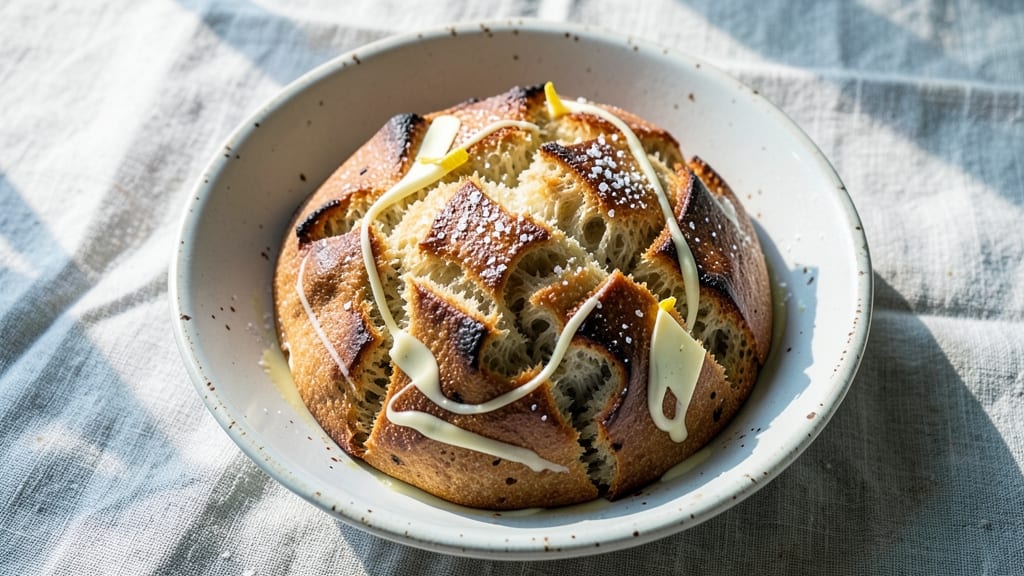
This American soda bread recipe delivers the perfect balance of rustic charm and foolproof simplicity—no yeast, no fuss, just a golden crust and tender crumb. The secret lies in buttermilk's natural acidity, which activates the baking soda for that signature rise.
I've baked this version countless times, and it never fails to impress, whether served warm with butter or as a side for hearty stews.
The beauty of soda bread is its versatility—you can keep it classic with just flour, buttermilk, and baking soda, or customize it with add-ins like raisins, herbs, or even a pinch of salt for extra depth.
The dough comes together in minutes, then bakes at a steady 425°F for about 30 minutes, filling your kitchen with an irresistible aroma. No special tools or techniques required, just honest, satisfying baking.
What you'll end up with is a loaf that's slightly crisp on the outside, soft and airy inside, with a flavor that's distinctly comforting and homestyle. The buttermilk gives it a subtle tang, while the baking soda ensures a light, fluffy texture without yeast's long wait.
It's the kind of bread that feels like a warm hug—perfect for breakfast, lunch, or as a centerpiece for any meal.
For those who love tradition, this recipe stays true to its Irish-American roots while offering modern flexibility. Try adding a sprinkle of coarse salt on top before baking for extra crunch, or swap in whole wheat flour for a nuttier twist.
The possibilities are endless, but the foundation remains the same: simple, reliable, and utterly delicious.
Ingredients for american soda bread
Four simple ingredients create this iconic American soda bread with crisp crust and tender crumb.
| Ingredient | Amount | Notes |
|---|---|---|
| All-Purpose Flour 🌾 | 4 cups | Sifted for best texture |
| Buttermilk 🥛 | 2 cups | Room temperature preferred |
| Baking Soda 🧂 | 1 tbsp | Pure, not baking powder |
| Salt 🧂 | 1 tsp | Fine sea salt preferred |
| Unsalted Butter 🧈 | ½ cup | Cold, cubed for texture |
| Granulated Sugar 🍚 | 2 tbsp | Optional, for slight sweetness |
| Coarse Sea Salt 🧂 | 1 tbsp | For topping (optional) |
| Fresh Rosemary 🌿 | 2 tsp | Finely chopped, optional |
The flour is the foundation—King Arthur or Gold Medal brands work best for that signature texture. Buttermilk is non-negotiable; culture it yourself by mixing milk with vinegar if you're avoiding store-bought. I always grab Land O'Lakes or Schär buttermilk from the dairy section, but homemade tastes fresher. The baking soda needs to be pure—Arm & Hammer is my go-to, but check labels. For the butter, Plugrá or Land O'Lakes unsalted gives the best flavor without overpowering the bread.
No buttermilk? Mix 1 cup milk with 1 tbsp vinegar or lemon juice—it works perfectly. Short on rosemary? Dried thyme or parsley adds a nice twist. Want to skip sugar? No problem—this bread is delicious plain. For extra flavor, try 1 tbsp honey or maple syrup instead. The coarse salt topping is optional but adds that rustic crunch. If you're feeling adventurous, swap 1 cup of the all-purpose flour for whole wheat flour—just add 1 extra tbsp of liquid to compensate.
The dough keeps for 2 days in the fridge, covered tightly. For longer storage, shape and freeze the loaf unbaked for up to 3 months—thaw overnight before baking. Once baked, it reheats beautifully in a 350°F oven for 5-10 minutes with a splash of water. I always bake two loaves—one for the table, one for freezing. The leftovers? Perfect for French toast or breadcrumbs.
Why You'll Love This Recipe
- No Mixer Needed: I swear by this—just fold the buttermilk into flour, shape it, and bake. That’s it. No kneading, no waiting for dough to rise, just hands-on simplicity that still delivers.
- Tangy Crust, Soft Core: The buttermilk’s sharp bite cuts through the rich butter, giving you that perfect contrast—crisp edges when toasted, tender inside. Honestly, I reach for this over store-bought bread every time.
- Leftover Goldmine: Slices last 5 days in a bag, or freeze them for quick toast. My kids grab it for school lunches, and I toss it into soups when it gets too dry. Zero waste, all flavor.
- Pantry Staple Power: Flour, buttermilk, butter—ingredients you already own. Between us, this is my go-to when I’m broke or lazy (or both). Still tastes like you slaved over it.
Step-by-step instructions for American soda bread
Here's how to craft that perfect rustic loaf with a crisp crust and tender crumb.
Mix the Dry Ingredients
In a large mixing bowl, combine the 4 cups all-purpose flour and 1 tsp salt. I like to whisk them together first to distribute the salt evenly throughout the flour. This prevents any one spot from becoming too salty later on.
Next, add the 1 tbsp baking soda and 2 tbsp granulated sugar (if using). Give everything another quick whisk to fully incorporate. The sugar adds just a hint of sweetness that balances the tangy buttermilk beautifully. If you're using the 2 tsp fresh rosemary, sprinkle it in now and gently mix it in with your fingers to distribute the needle-like leaves evenly.
Create the Buttermilk Well
Make a well in the center of your dry ingredients mixture. This is where you'll pour the 2 cups buttermilk. I find it easiest to use a wooden spoon to create a deep enough well that the liquid can be absorbed without spilling over the sides.
Pour the buttermilk into the well gradually. As you mix, you'll notice the dough immediately begin to come together. Let it sit for about 5 minutes before stirring again. This resting period allows the baking soda to activate fully in the acidic buttermilk, which is what gives soda bread its signature rise.
Incorporate the Cold Butter
Cut the ½ cup unsalted butter into small cubes and add them to the dough. Using your hands, gently work the butter into the dough until it's evenly distributed. You want to be careful not to overwork the dough—just until the butter pieces are about the size of small peas.
The cold butter will create pockets of rich flavor and contribute to that beautiful crumb texture. If the dough feels too sticky, you can add a little more flour, but try to keep it minimal. The butter should be cold enough to hold its shape when mixed in.
Shape and Prepare the Loaf
Turn the dough out onto a lightly floured surface and gently shape it into a round loaf. I like to use my hands to form it into a smooth ball, about 8 inches in diameter. The dough should be soft but not sticky—if it is, you might need to add a bit more flour.
Place the shaped dough onto a parchment-lined baking sheet. If you're using the 1 tbsp coarse sea salt for topping, sprinkle it evenly over the top of the loaf now. This adds a wonderful contrast in texture and flavor to the finished bread.
Bake to Golden Perfection
Preheat your oven to 425°F. Bake the loaf for 25-30 minutes, until the top is deep golden brown and sounds hollow when tapped on the bottom. The internal temperature should reach 190-200°F when measured with an instant-read thermometer.
Once done, transfer the bread to a wire rack to cool completely. The crust will continue to crisp up as it cools. I know it's tempting to slice into it right away, but letting it cool for at least 30 minutes ensures the best texture and prevents a gummy crumb.
Pro Tips For Making American Soda Bread
- Mix Just Until Combined: I learned this the hard way—overmixing soda bread turns it into a dense brick instead of a tender loaf. Stir the flour, buttermilk, baking soda, and salt with a wooden spoon until barely homogenous, maybe 10-12 strokes max. The dough should look shaggy, not smooth.
- Use Cold Butter: Skip the soft butter—cut that unsalted stick straight from the fridge into the dry flour first. It creates pockets of steam during baking, giving you that signature open crumb. (Yes, even if you're impatient like me.)
- Don’t Overcrowd the Pan: This isn’t a muffin tin—give the dough room to rise. Press it into a round loaf (about 8 inches wide) in a lightly greased cast-iron or baking sheet, not packed tight. Overcrowding = steam trapped = gummy bread.
- Let It Rest Before Slicing: I know, you’re starving, but wait 10 minutes after baking. The residual heat finishes cooking the center while the crust firms up. Cutting too soon makes it gummy—trust the process. (Your future self will thank you.)
Common mistakes when making your american soda bread
Overmixing the Dough
I’ve made this mistake more times than I’d like to admit—overworking the dough turns your tender crumb into a tough, dense brick. Once the buttermilk and dry ingredients come together, mix just until everything is barely combined.
The dough should be shaggy, not smooth. Overmixing develops gluten, which is great for bread like baguettes but ruins soda bread’s signature softness. Trust the process: a few lumps are normal and even desirable. 💫
Skipping the Rest
The 5-minute rest after mixing isn’t just a suggestion—it’s crucial. This pause lets the baking soda fully activate in the acidic buttermilk, ensuring maximum rise. I’ve seen doughs that didn’t rest turn out flat and dense.
If you’re in a hurry, at least let it sit for 2-3 minutes. Patience here makes all the difference in that airy crumb.
Using Warm Butter
Cold butter is your friend—it creates those delicious pockets of flavor and texture. If your butter is too soft or melted, the dough will become sticky and hard to shape.
I keep my butter in the fridge until just before mixing, then cut it into small cubes while it’s still cold. If your kitchen runs warm, chill the butter for 10 minutes before adding it to the dough. The effort is worth the buttery, flaky crumb.
Ignoring the Salt Topping
That 1 tablespoon of coarse sea salt isn’t just for looks—it adds a wonderful crunch and balances the bread’s richness. I’ve baked soda bread without it, and while it’s still delicious, the texture loses that satisfying contrast.
Sprinkle it evenly over the top before baking, and don’t skip it if you want that authentic rustic touch. 🧂
Opening the Oven Too Soon
Peeking at your bread too early is a classic trap. The steam inside the oven is what creates that perfect crust. If you open the door before the 25-minute mark, you’ll let out that steam, causing the bread to dry out or develop a thick, uneven crust.
Resist the urge! Wait until the 25-30 minute mark, then check for that deep golden brown color. The wait is worth it for that crispy, crackly exterior.
Not Cooling Properly
I get it—warm soda bread is irresistible. But slicing into it too soon leads to a gummy, uneven crumb. Let it cool on a wire rack for at least 30 minutes (or up to 1 hour for best results).
The crust will firm up, and the interior will set properly. Trust me, the extra wait makes every bite worth it. The bread will taste even better once fully cooled, with flavors fully developed. ⏳
Nutrition facts
Frequently asked questions
Why does American soda bread need buttermilk?
The buttermilk's natural acidity activates the baking soda, creating that signature rise without yeast. This chemical reaction gives soda bread its airy crumb and tangy flavor. You can substitute with milk + vinegar if needed, but buttermilk's richness enhances the texture.
Can I make this bread without butter?
Yes! Replace the ½ cup butter with ½ cup melted coconut oil or ¼ cup vegetable oil for a similar texture. The bread will be slightly denser but still delicious. For a vegan option, use oil instead of butter entirely.
How do I store leftover soda bread?
Wrap cooled bread tightly in plastic wrap or foil to keep it fresh for 3-4 days at room temperature. For longer storage, freeze the whole loaf (unbaked or baked) for up to 3 months. To reheat, warm slices in a 350°F oven for 5-10 minutes with a splash of water.
What's the best way to add raisins or herbs?
Fold in ½ cup raisins or 2 tsp chopped herbs (like rosemary or thyme) with the dry ingredients before mixing. For even distribution, gently press them into the dough with your fingers. If using dried herbs, reduce to 1 tsp to avoid overpowering the flavor.
Why did my bread turn out dense?
Overmixing develops gluten, making the bread tough. Mix just until combined—shaggy lumps are normal! Also, ensure your baking soda is fresh (old soda loses potency) and let the dough rest 5 minutes after mixing. Cold butter and proper baking time (425°F for 25-30 minutes) are key too.