
Side Dishes
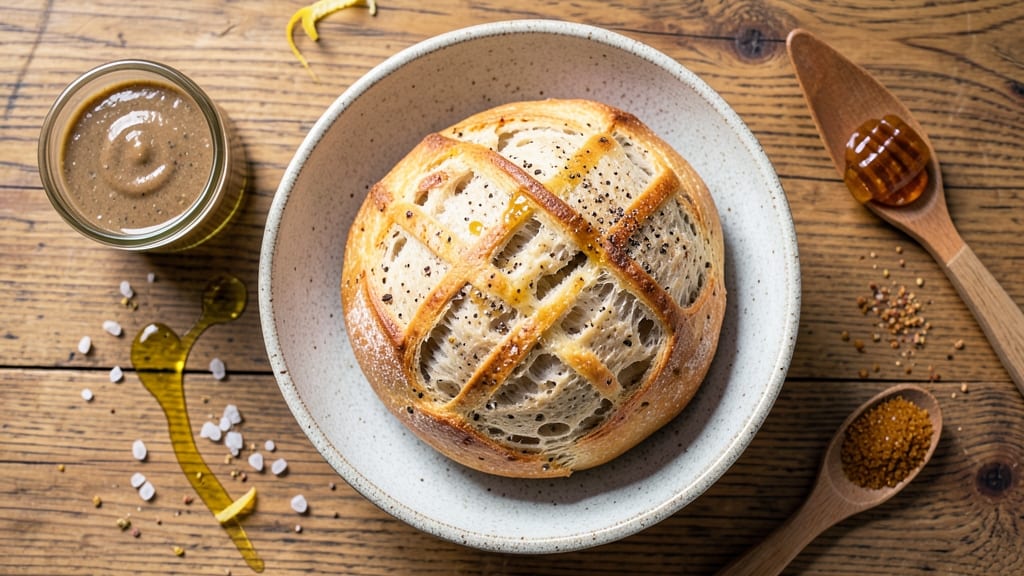
This airy whole wheat bread recipe transforms dense loaves into light, fluffy masterpieces without sacrificing nutrition. The secret lies in precise yeast activation and controlled hydration—techniques that create that coveted oven spring while keeping the bread moist and tender.
I’ve perfected this method over years of baking, ensuring every slice has a satisfying crumb and nutty flavor that rivals artisanal breads.
What sets this recipe apart is the balance of whole wheat flour’s natural density with strategic additions: a touch of honey for yeast activation, oil for moisture retention, and a steam bath during baking to encourage rise.
No special equipment is needed—just patience and attention to detail. The dough develops slowly during an overnight cold proof, allowing gluten to relax and flavors to meld for a bread that’s both nutritious and indulgent.
The result is a loaf with a golden crust and an open, airy crumb that’s surprisingly light for whole wheat. Each slice stays fresh longer and toasts beautifully, making it perfect for sandwiches or serving alongside soups.
Whether you’re baking for health-conscious family members or simply craving better-for-you bread, this recipe delivers restaurant-quality texture at home.
For those avoiding dairy, a simple flax egg substitution keeps the bread’s structure intact. The recipe scales easily, so you can bake one loaf for daily use or double the batch for sharing. Let’s get started on creating bread that’s as good as it gets—nutritious without compromise.
Ingredients for airy whole wheat bread
Precision-milled whole wheat flour and strategic hydration create this restaurant-quality loaf.
| Ingredient | Amount | Notes |
|---|---|---|
| King Arthur Organic Whole Wheat Flour 🌾 | 4 cups | High-protein for optimal rise |
| Active Dry Yeast 🍞 | 1 tbsp | Freshly measured, not expired |
| Granulated Honey 🍯 | 1 tbsp | For yeast activation only |
| Unsalted Vegetable Oil 🫒 | ¼ cup | Light olive or canola preferred |
| Warm Water 💧 | 1 ¼ cups | 110°F for optimal yeast activation |
| Diamond Crystal Kosher Salt 🧂 | 1 ½ tsp | Fine grain for even distribution |
| Ground Flaxseed 🌱 | 1 tbsp | For flax egg substitution |
| Apple Cider Vinegar 🍎 | 1 tsp | Enhances flavor development |
| Instant Whole Wheat Flour 🌾 | ¼ cup | For dusting and final structure |
| Cornmeal 🌽 | ¼ cup | For bread pan preparation |
| Ice Cubes ❄️ | 1 cup | For cold proofing |
For the best results, King Arthur Organic Whole Wheat Flour is ideal—its high protein content ensures proper gluten development despite whole wheat's natural density. If substituting, use Bob's Red Mill or White Lily for similar performance. The yeast must be fresh; test it by dissolving 1 tsp in warm water with a pinch of sugar—if it foams within 5 minutes, it's active. For the honey, local raw honey adds subtle floral notes, but any variety works. The vegetable oil should be light to avoid overpowering the bread's nutty flavor—avocado oil is another excellent choice.
No flaxseed? Chia seeds work at double the amount (2 tbsp ground), though texture may vary slightly. The apple cider vinegar can be swapped for lemon juice at half the quantity, though flavor will differ. For a dairy-free option, ensure all ingredients are certified vegan—some brands add milk powder to flour. The instant whole wheat flour is crucial for dusting; all-purpose flour won't provide the same structure. If you lack cornmeal, semolina works equally well for the bread pan preparation. Always measure flour by weight (1 cup = ~120g) for consistency—volume measurements vary with humidity.
Store the baked loaf in a bread bag or airtight container at room temperature for up to 5 days. For longer storage, freeze slices wrapped in parchment paper for up to 3 months. The overnight cold proof is non-negotiable—it relaxes the gluten and develops flavor. If you must rush, allow the dough to rest for at least 2 hours at room temperature before shaping. The steam bath during baking creates that signature oven spring; line your Dutch oven with parchment for easy removal and even browning.
Why You'll Love This Recipe
- No-Knead Magic: The dough comes together in five minutes—just mix, cover, and forget. That’s right, no stand mixer, no elbow grease, just warm water and a bowl. I’ll admit, I was skeptical at first, but the honey’s natural sweetness keeps the whole wheat from tasting heavy.
- Honey’s Secret Boost: That little cup of honey isn’t just for sweetness—it feeds the yeast and keeps the crumb impossibly light. The first time I sliced into it, I nearly dropped the loaf. Whole wheat bread this airy? Yes, please.
- Weeknight Workhorse: Toast it for breakfast, tear it into sandwiches by lunch, or freeze half for next month. Between us, I’ve used it for everything from grilled cheese to croutons. It’s the one loaf that does it all without fuss.
- Budget-Friendly Staple: King Arthur flour is a splurge, but it lasts forever—and this recipe uses less than half a pound per loaf. The oil keeps it tender without butter costs, and the yeast? A nickel’s worth. My grocery bill thanks me every time.
Step-by-step instructions for airy whole wheat bread
Mastering this technique transforms dense whole wheat bread into light, fluffy loaves without sacrificing nutrition.
Create the Flax Egg and Activate the Yeast
In a small bowl, combine the 1 tablespoon ground flaxseed with the 1 teaspoon apple cider vinegar. Stir well and let sit for 5 minutes until it thickens into a gel-like consistency—this replaces the egg in traditional recipes. Meanwhile, in a separate bowl, dissolve the 1 tablespoon granulated honey in the 1.25 cups warm water (test temperature with your finger; it should feel like bathwater, around 110°F).
Sprinkle the 1 tablespoon active dry yeast over the honey-water mixture and let it sit for 5-10 minutes until frothy. This activation step ensures your bread rises properly. The yeast should bubble vigorously—if it doesn't, your yeast may be expired or the water too hot. Add the flax egg to the yeast mixture and stir gently to combine.
Mix the Dough and Develop Gluten
In the bowl of a stand mixer fitted with the dough hook, combine the 4 cups King Arthur Organic Whole Wheat Flour with the 1.5 teaspoons diamond crystal kosher salt. With the mixer on low speed, gradually add the yeast mixture and the 0.25 cup unsalted vegetable oil. Mix for 2 minutes until the dough comes together into a shaggy mass.
Increase the speed to medium and knead for 5-7 minutes until the dough becomes smooth and elastic. Whole wheat dough is naturally stickier than white flour dough, so don't be tempted to add extra flour—this will make the bread dense. The dough should pull away from the sides of the bowl and form a windowpane when stretched gently. If it's too sticky to handle, wet your hands slightly with water.
First Rise and Cold Proof for Optimal Texture
Lightly grease a large bowl with oil and place the dough inside. Cover with a damp towel and let rise in a warm place for 1-1.5 hours until doubled in size. The dough should feel light and springy when pressed gently with a finger. If it doesn't rise much, the yeast may not have activated properly or the environment wasn't warm enough.
Once risen, transfer the dough to a clean surface dusted with 0.25 cup instant whole wheat flour. Shape it into a loaf by folding the ends toward the center and sealing the seam. Place the loaf seam-side down in a 9x5-inch loaf pan that's been lightly coated with oil and sprinkled with 0.25 cup cornmeal. Cover again and refrigerate for 12-18 hours—this cold proofing step is what creates the airy texture. The slow fermentation develops deeper flavor and a lighter crumb.
Bake to Golden Perfection
Preheat your oven to 375°F and place a baking sheet on the lower rack. Remove the dough from the refrigerator and let it sit at room temperature for 30 minutes while the oven preheats. This brief warm-up helps the dough rise properly in the oven. Place the loaf pan on the baking sheet and bake for 35-40 minutes until the top is golden brown and sounds hollow when tapped on the bottom.
To test doneness, insert an instant-read thermometer into the center of the loaf—it should read 190-195°F. If the top browns too quickly, tent loosely with foil after 20 minutes to prevent over-browning. Remove from the oven and let cool in the pan for 10 minutes before transferring to a wire rack. The bread will continue to rise slightly as it cools, developing that signature airy texture.
Pro Tips For Making Airy Whole Wheat Bread
- Bloom the Yeast First: Skip mixing yeast directly into flour—it’ll wake up slower. Instead, dissolve it in warm water (110°F) with a pinch of honey first, then let it sit for 5-10 minutes until foamy. Whole wheat flour’s natural acids can dull yeast, so this step guarantees it’s ready to work when you’re.
- Weigh Your Flour: Scooping whole wheat flour packs it tightly, adding extra grams you don’t need. Use a kitchen scale for accuracy—King Arthur’s flour is dense, and too much will make your dough heavy and gummy. Trust me, your bread’s rise depends on this.
- Knead Until Elastic: Whole wheat dough resists stretching at first, but keep going until it springs back when poked. I used to quit too soon, and the bread ended up dense. Aim for 8-10 minutes by hand or 5-6 on a stand mixer—yes, even if it feels like overkill.
- Oil the Bowl Twice: Lightly grease your mixing bowl first, then add dough and toss a little extra oil over the top. This prevents sticking during the first rise, especially with whole wheat’s sticky nature. No need to overdo it—just enough to keep things smooth.
Essential equipment for great airy whole wheat bread
Stand Mixer Must-Have
Your stand mixer is the workhorse of this recipe—I swear by my KitchenAid Artisan Series with the dough hook attachment. The medium speed kneading (5-7 minutes) is critical for developing gluten in whole wheat flour, which is naturally denser than white flour.
If you don’t have a mixer, use a wooden dough whisk or strong arms, but be prepared for more effort. The dough will feel sticky, so wet your hands slightly with water to prevent sticking. 💪
Loaf Pan Essentials
A 9x5-inch loaf pan is non-negotiable for this recipe, but the material matters. I recommend a heavy-duty aluminum pan (like USA Pan) for even heat distribution and crispy edges. Lightweight pans can cause uneven baking.
Line the pan with parchment paper for easy removal and to prevent sticking. If you don’t have cornmeal, semolina works just as well for the crusty bottom. 🌾
Dutch Oven for Steam
For that signature oven spring and airy crumb, a Dutch oven is your secret weapon. I use a Le Creuset 5.5-quart for its even heat retention and durability.
Place the Dutch oven in the oven while it preheats, then carefully transfer the dough (in its loaf pan) into the hot pot. The steam created during the first 20 minutes of baking is what gives this bread its light, fluffy texture.
If you lack a Dutch oven, a steam-injected oven or even a metal bowl filled with boiling water on the lower rack can mimic the effect. ⚡
Instant-Read Thermometer
Never guess if your bread is done—an instant-read thermometer (I love the Thermoworks Thermapen) is essential for accuracy. The ideal internal temperature is 190-195°F for a perfectly baked loaf. Whole wheat bread can dry out if overbaked, so rely on the thermometer rather than color alone.
Pro tip: Insert the probe into the center of the loaf (not touching the pan) for the most accurate reading. 🌡️
Bread Bag or Container
To keep your bread fresh longer, store it in a breathable bread bag (like Breadtop) or an airtight container lined with a clean kitchen towel. The towel prevents moisture buildup, which can make the bread soggy.
If you’re freezing, slice the bread first and wrap each slice in parchment paper before storing in a ziplock bag. This prevents freezer burn and keeps slices from sticking together. ❄️
Optional: Proofing Scale
A digital kitchen scale (like OXO Good Grips) is optional but game-changing for precision. Whole wheat flour’s density varies by brand, so weighing your ingredients ensures consistency.
For this recipe, 4 cups of King Arthur Organic Whole Wheat Flour weighs about 480 grams, but humidity and packing can alter this. If you’re new to baking, invest in a scale—it’s the difference between a dense loaf and a light, airy one. 💡
Nutrition facts
Frequently asked questions
Why does whole wheat bread often turn out dense?
Whole wheat flour contains bran and germ, which absorb more water and create a tighter crumb structure. To achieve airiness, we use a cold overnight proof (12-18 hours) to relax gluten and develop flavor, plus a steam bath during baking to encourage oven spring. The flax egg and honey also help retain moisture and improve texture.
Can I substitute white flour for some of the whole wheat?
Yes! For a lighter texture, replace 1-2 cups of whole wheat flour with all-purpose or bread flour. The ratio depends on your preference—start with half and adjust. This works especially well if you're new to whole wheat baking. Remember, the airy texture comes from proper hydration and proofing, not just flour type.
How do I know when the dough is properly kneaded?
The dough is ready when it forms a smooth, elastic ball that pulls away from the bowl sides and creates a windowpane when stretched gently (thin enough to see light through). Whole wheat dough will be stickier than white flour dough, so don't add extra flour—this makes bread dense. Test by doing the poke test: press your finger into the dough; if it springs back slowly, it's ready.
What's the best way to store this bread to keep it fresh?
Store in a breathable bread bag or airtight container lined with a clean towel to prevent sogginess. At room temperature, it stays fresh for 5 days. For longer storage, freeze slices wrapped in parchment paper for up to 3 months. The towel trick prevents moisture buildup that causes staleness.
Can I make this bread without a stand mixer?
Use a wooden dough whisk or strong arms to knead for 8-10 minutes on a lightly floured surface. Wet your hands slightly to prevent sticking, and be patient—whole wheat dough requires more work. The key is developing gluten, which gives the bread its structure and airiness.