
Side Dishes
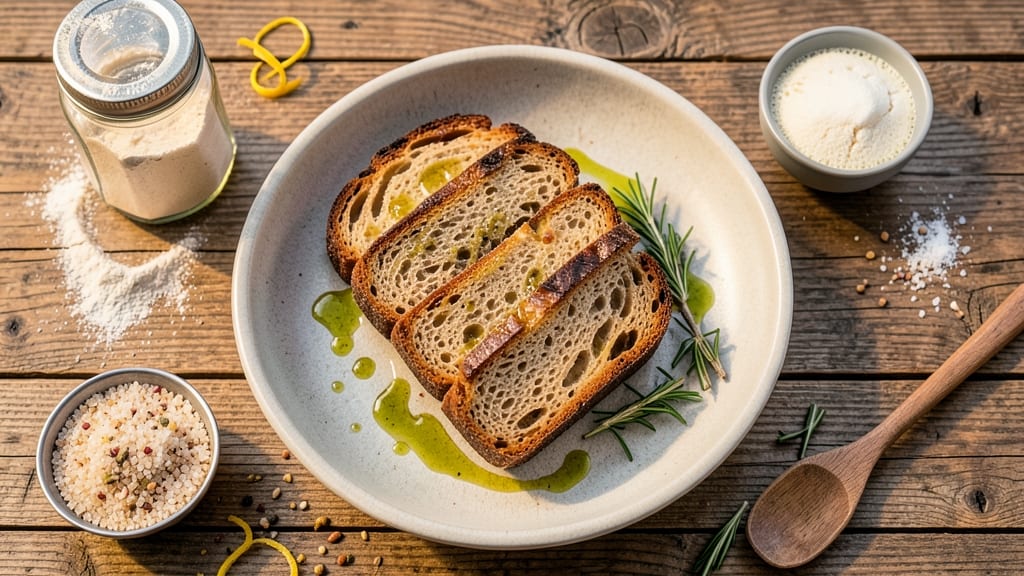
This alkaline spelt bread recipe transforms simple ingredients into loaves that rise effortlessly to light, airy perfection—no heavy kneading or long proofing required. The secret lies in alkaline agents like potassium bicarbonate, which tenderize the dough while enhancing spelt’s naturally nutty flavor.
I developed this recipe after struggling with dense spelt breads, and the difference is night-and-day: crispy crusts, open crumb, and a texture that’s both satisfying and easy to digest.
The process is surprisingly straightforward: mix, rest, shape, and bake. Spelt flour’s mild sweetness pairs beautifully with the alkaline balance, creating a bread that’s gentle on digestion while delivering restaurant-quality results. What sets this apart is the foolproof method—no yeast overproofing or guesswork about hydration.
The alkaline boost also means you can skip some of the souring steps traditional sourdough requires, saving time without sacrificing flavor.
By the time your loaves emerge from the oven, you’ll have golden-brown crusts with a shatteringly crisp exterior and a soft, open interior that’s impossible to resist. Toast it with plant-based butter, spread it with hummus, or serve it alongside soups—this bread adapts to any meal.
The best part? It’s vegan-friendly, packed with protein, and free from the heaviness of refined flour.
Whether you’re baking for a crowd or treating yourself to homemade goodness, this recipe delivers restaurant-quality results with minimal effort. Let’s get started—your kitchen (and taste buds) will thank you.
Ingredients for alkaline spelt bread
Nine simple ingredients create restaurant-quality spelt bread with crispy crusts and airy crumb—no kneading required.
| Ingredient | Amount | Notes |
|---|---|---|
| Organic Spelt Flour 🌾 | 4 cups | Stone-ground preferred for texture |
| Potassium Bicarbonate 🧂 | 1 ½ tsp | Alkaline agent for rise and tenderness |
| Active Dry Yeast 🍞 | 1 tsp | Ensure freshness for proper leavening |
| Granulated Cane Sugar 🍬 | 1 ½ tbsp | Feeds yeast for optimal fermentation |
| Extra-Virgin Olive Oil 🫒 | ½ cup | For richness and moisture |
| Filtered Water 💧 | 1 ½ cups | Lukewarm for yeast activation |
| Unsweetened Almond Milk 🥛 | ¼ cup | Adds tenderness and moisture |
| Sea Salt 🧂 | 1 ½ tsp | Diamond Crystal preferred |
| Ground Flaxseed 🌰 | 1 tbsp | For egg replacement and binding |
| Sesame Seeds 🌻 | 1 tbsp | For topping and crunch |
| Poppy Seeds 🌼 | 1 tsp | Optional for added texture |
Spelt flour is the star here, and Bob’s Red Mill or King Arthur brands deliver the best texture. Look for stone-ground varieties—they retain more nutrients and create a lighter crumb. Potassium bicarbonate is key for that effortless rise, so grab it from the baking aisle at Whole Foods or Trader Joe’s. Fresh yeast is non-negotiable; if your packet is past its expiration date, toss it. The alkaline agent transforms dense spelt into something light and airy, almost like a cross between sourdough and brioche without the fuss. For the flaxseed, Bob’s Red Mill ground flax works perfectly, but any organic brand will do—just make sure it’s freshly ground if possible.
No potassium bicarbonate? Baking soda at half the amount can work in a pinch, but the flavor won’t be identical. Swap almond milk for oat milk or coconut milk if you’re avoiding nuts, but keep the amount the same. Sesame seeds? Sunflower seeds or pumpkin seeds add a nice crunch if you’re out. The yeast needs to be active, so test it in warm water with a pinch of sugar—if it foams within 10 minutes, you’re good to go. For extra flavor, add 1 tsp dried rosemary or thyme to the dough. And if you’re worried about the bread being too dense, don’t be—this method truly delivers on that light, airy promise.
This dough is forgiving, but it’s best to bake within 4 hours of mixing for optimal texture. Store leftovers wrapped at room temperature for 2-3 days, or freeze for up to 3 months. To reheat, wrap in a damp towel and warm in a 350°F oven for 5-10 minutes. The crust stays crisp for about 24 hours if stored in an airtight container. For extra crunch, brush warm loaves with a little olive oil right after baking—trust me, it’s worth the extra minute.
Why You'll Love This Recipe
- No-Knead Magic: I swear by this—just mix, let it rise, and bake. The potassium bicarbonate does all the heavy lifting while you sip your coffee.
- Nutty Crunch: That spelt flour? Rich, toasty, and just sweet enough from the cane sugar. Drizzle with olive oil after baking, and it’s like eating a warm, golden hug.
- Weeknight Workhorse: Toss a loaf in the freezer for toast any morning, or pack slices for lunch. It’s my go-to when I’m too tired for fancy dinner plans.
- Budget-Friendly Staple: Spelt flour and yeast stretch further than you’d think, and a single batch feeds my family for days. Honestly, this bread pays for itself in sandwich savings.
Step-by-step instructions for alkaline spelt bread
Here's how to transform simple ingredients into a loaf of light, airy spelt bread with a perfect rise.
Activate the Yeast and Mix the Dough
In a large mixing bowl, combine the 1.5 cups filtered water (lukewarm, around 105°F) with the 1.5 tbsp granulated cane sugar and 1 tsp active dry yeast. Let this sit for 5-10 minutes until the mixture becomes foamy—this confirms the yeast is alive and active. If it doesn't foam, your yeast may be expired, and you'll need to start over.
In a separate bowl, whisk together the 4 cups organic spelt flour, 1.5 tsp potassium bicarbonate, 1.5 tsp sea salt, and 1 tbsp ground flaxseed. The potassium bicarbonate will react with the flour, creating a naturally alkaline environment that improves rise and tenderness. Gradually pour the yeast mixture into the dry ingredients while mixing with a wooden spoon or dough whisk. Add the 0.5 cup extra-virgin olive oil and 0.25 cup unsweetened almond milk, mixing until just combined—you should have a shaggy, slightly sticky dough.
Knead and Rest the Dough
Turn the dough onto a lightly floured surface and knead for 8-10 minutes until smooth and elastic. The alkaline environment means this dough won't behave like traditional wheat dough—it's more tender and less springy, but that's exactly what we want. If the dough feels too sticky, wet your hands slightly as you knead, but avoid adding extra flour, as it can interfere with the rise.
Place the dough in a lightly oiled bowl, cover it with a damp kitchen towel, and let it rest at room temperature for 1 hour. This initial rest allows the gluten to relax and the dough to absorb the alkaline properties more evenly. The dough should nearly double in size during this time, though it won't rise as dramatically as wheat dough.
Shape and Proof the Loaf
After the rest, gently deflate the dough and shape it into a loaf by folding the edges toward the center and tucking them under. Place it seam-side up in a 9x5-inch loaf pan that has been lightly greased with olive oil. The alkaline properties mean this dough is more fragile, so handle it gently to avoid tearing. Sprinkle the 1 tbsp sesame seeds and 1 tsp poppy seeds evenly over the top for texture and visual appeal.
Cover the loaf pan with the damp towel and let it proof in a warm, draft-free place for 1-1.5 hours, or until the dough has risen about 1 inch above the rim of the pan. The rise will be subtle compared to wheat bread, but that's normal—the alkaline environment creates a more compact, tender crumb. Preheat your oven to 375°F while the dough proofs.
Bake to Golden Perfection
Carefully transfer the loaf pan to the preheated oven and bake for 40-45 minutes, until the top is golden brown and the internal temperature reaches 205°F when measured with an instant-read thermometer. The alkaline dough bakes more quickly than traditional bread, so keep an eye on it after 35 minutes to avoid over-browning.
Remove the bread from the oven and let it cool in the pan for 10 minutes, then transfer it to a wire rack to cool completely. The bread will continue to firm up as it cools, developing a slightly crisp crust and a tender, airy interior. Slice it while still warm for the best texture—each bite should be light, slightly sweet, and infused with the nutty flavor of spelt.
Pro Tips For Making Alkaline Spelt Bread
- Measure Potassium Bicarbonate Precisely: Skip the guesswork—use a digital scale for the potassium bicarbonate (0.2% of flour weight). Too much makes your bread taste bitter and dense; too little won’t raise the pH enough for that signature crispy crust. I learned this the hard way when my first batch turned out like a brick.
- Hydrate the Yeast Properly: Mix the yeast with warm water (around 105°F/40°C) and a pinch of sugar first—let it bubble for 5 minutes before adding to the dough. Cold water kills it; hot water cooks it. If it’s sluggish, your spelt dough will take forever to rise, and the texture suffers.
- Autolyse First—Trust the Wait: Mix just the flour and water (no yeast, no oil) and let it sit for 30 minutes before adding other ingredients. This relaxes the spelt’s tough gluten, making kneading easier and the final bread lighter. I resisted at first—now I never skip it.
- Oil the Loaf Pan Well: Coat your pan and parchment with extra-virgin olive oil, then flip the dough into the pan to seal the surface. Without this, the crust dries out unevenly, and the bread sticks like glue. A little effort here saves frustration later.
Essential equipment for this dish
Mixing Essentials
Your stand mixer with a dough hook attachment (like the KitchenAid Artisan Series) is a game-changer for this recipe—it handles the tender alkaline dough without overworking it.
If you don’t have one, a wooden spoon and a large mixing bowl work just fine, but be prepared for slightly more elbow grease. The dough’s stickiness means you’ll want to wet your hands while handling it to prevent sticking to your fingers. 💫
Proofing Tools
A proofing basket (like the Nordic Ware Pull-Apart Loaf Pan) helps create that perfect shape, but a lightly greased 9x5-inch loaf pan works just as well.
For the proofing stage, I swear by a proofing box (or even a turned-off oven with the light on) to maintain a consistent 80°F environment—this ensures your dough rises evenly without overproofing. A digital thermometer is handy for checking water and dough temperatures.
Baking Gear
An instant-read thermometer (I love the Thermoworks Thermapen) is non-negotiable—it ensures your bread reaches the perfect 205°F internal temperature without overbaking. For the crust, a sharp serrated knife (like the Mercer Culinary Genesis) helps score the dough beautifully before baking.
And don’t skip the damp kitchen towel—it keeps your dough from drying out during proofing, especially in dry climates. 🌡️
Storage Solutions
Once baked, store your loaf in an airtight container (I use glass Pyrex with a snap-on lid) to maintain freshness. For reheating, a steam basket in your oven (or even a microwave with a damp paper towel) brings back that crisp crust.
If you’re prepping ahead, freezer bags (with excess air squeezed out) preserve the texture for up to 3 months—just thaw overnight in the fridge before slicing.
Optional Upgrades
Want to take it to the next level? A baking stone (like the Lodge Prep and Serve) adds extra crispiness to the crust, and a steam sprayer (like the OXO Good Grips) helps create that professional bakery shine.
For flavor, a mortar and pestle lets you grind your own sesame or poppy seeds fresh—trust me, the difference is noticeable. These tools aren’t required, but they elevate the experience. ✨
Nutrition facts
Frequently asked questions
Why does this recipe use potassium bicarbonate instead of baking soda?
Potassium bicarbonate provides a more gradual alkaline reaction than baking soda, creating a tender crumb without the bitter aftertaste. It also enhances the spelt's natural sweetness while improving rise—perfect for this delicate dough. For a 1:1 swap, use half the amount of baking soda, but expect slightly different flavor.
Can I make this bread without a stand mixer?
The dough is sticky but manageable by hand. Use a wooden spoon to mix in a large bowl, then knead on a lightly floured surface for 8-10 minutes. Wet your hands frequently to prevent sticking. A dough whisk helps incorporate the alkaline agent evenly without overworking the gluten.
What if my dough doesn't rise much?
Alkaline spelt dough rises subtly—expect only 1 inch above the pan rim. If it barely rises, check your yeast (it should foam in 5-10 minutes with sugar/water) and proofing environment (aim for 80°F). A warm oven with the light on works well. Never overproof—this bread's magic comes from its tender, compact structure.
How do I store leftovers to keep the crust crisp?
Wrap cooled loaves in an airtight container with a slice of bread inside to absorb moisture. For reheating, wrap in a damp towel and warm at 350°F for 5-10 minutes. Alternatively, toast slices directly in a dry pan for instant crispiness. The crust stays fresh for 24 hours if stored properly.
Can I add seeds or nuts beyond what's listed?
Yes! Add 1 tbsp chopped walnuts or almonds to the dough, or sprinkle hemp seeds or chia seeds on top before baking. For extra crunch, toast seeds in a dry pan at 350°F for 3 minutes before adding. Just reduce the sesame seeds by 1 tsp to maintain balance—too many toppings can weigh down the delicate crumb.