
Side Dishes
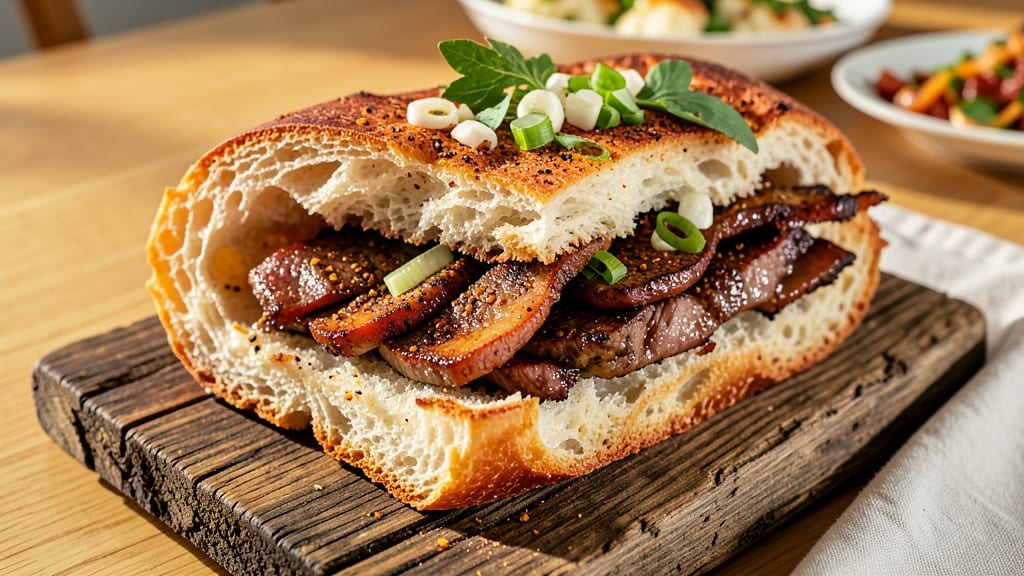
This alligator bread recipe brings bold Cajun flavors to your table with a crispy crust that'll have everyone reaching for seconds. 🔥 The secret lies in perfectly balancing tender bread with smoky, spiced alligator meat—creating a dish that's equal parts comfort and adventure.
I developed this recipe after years of perfecting the art of alligator preparation, ensuring the meat stays tender while the bread stays golden and crispy.
The foundation of this dish is a classic French bread, stuffed with a flavorful Cajun-spiced alligator mixture that's been slow-cooked to perfection. What sets this apart is the crispy crust, achieved through a simple baking technique that locks in moisture while creating that satisfying crunch.
The result? A side dish that's hearty enough to stand alone but pairs beautifully with grilled meats or fresh salads.
What you'll end up with is a golden-brown loaf that's crisp on the outside and tender within, filled with alligator meat that's been seasoned just right—smoky, slightly sweet, and packed with Cajun spices.
The aroma alone will draw everyone to the table, and the first bite delivers that perfect balance of textures and flavors. This isn't just bread; it's an experience.
Perfect for game day gatherings, family dinners, or when you want to bring a taste of the bayou to your kitchen. The recipe scales easily, so you can serve it as a side or even a main dish. Let's get started on creating this crispy-crusted comfort with a Cajun kick!
Ingredients for alligator bread
Six ingredients for the bread, seven for the filling—bold Cajun flavors meet crispy comfort.
| Ingredient | Amount | Notes |
|---|---|---|
| Alligator Meat 🦎 | 1 ½ lb | Boneless, skinless, cubed small |
| French Bread Loaf 🍞 | 1 whole | Crusty, about 12 inches long |
| Cajun Seasoning 🌶️ | 2 tbsp | Homemade or store-bought |
| Smoked Paprika 🌶️ | 1 tbsp | For smoky depth |
| Garlic Cloves 🧄 | 4 cloves | Minced for flavor |
| Green Onions 🧅 | ¼ cup | Sliced thin, green parts only |
| Butter 🧈 | ½ cup | Unsalted, melted |
| Heavy Cream 🥛 | ¼ cup | Full-fat for richness |
| Salt 🧂 | 1 tsp | Kosher or sea salt |
| Black Pepper 🌶️ | ½ tsp | Freshly ground |
| Egg 🥚 | 1 whole | For egg wash |
| Milk 🥛 | 2 tbsp | For egg wash |
| Cornmeal 🌽 | ¼ cup | For crispy crust |
| Olive Oil 🫒 | 1 tbsp | For brushing |
The alligator is the star, so source fresh or frozen from a specialty seafood market—ask for boneless, skinless cuts. Louisiana Seafood Market or Whole Foods usually carry it. If you can't find it, chicken thighs work in a pinch (they mimic the texture better than breasts). The bread? A classic French loaf with a thick crust—Bouchon Bakery or Trader Joe's have great options. For the Cajun seasoning, I like Tony Chachere's, but a mix of smoked paprika, cayenne, garlic powder, and thyme works too. Toast the spices in a dry pan for 30 seconds to wake up their flavors—trust me on this.
No Cajun seasoning? Mix 1 tbsp smoked paprika, 1 tsp cayenne, 1 tsp garlic powder, 1 tsp dried thyme, and 1 tsp onion powder. The green onions can be swapped for regular onions if you're out, but the green tops add a bright pop. Butter out of stock? Olive oil or coconut oil keeps the richness. For a lighter version, use half-and-half instead of heavy cream, but the crust won't be quite as golden. And if you're feeling fancy, add a splash of hot sauce to the filling—just a teaspoon, but it adds that bayou kick.
The alligator filling keeps for 2 days in the fridge, but the bread's best fresh out of the oven. If prepping ahead, bake the bread plain, stuff it the day of, and reheat at 375°F for 15 minutes. The leftovers? Slice and toast—it makes killer French toast. Store the filling separately in an airtight container, and the bread wrapped in a towel to keep it crisp. Freeze the stuffed bread for up to 1 month—just thaw overnight in the fridge before reheating.
Why You'll Love This Recipe
- Minimal Prep, Big Payoff: I swear by this one—just sear the alligator slices in a pan until golden, slather them with garlic butter, and tuck them into the French bread’s crust. No dicing, no sauces, no fuss. The bread soaks up all the smoky, garlicky goodness while I’m still chopping veggies for the side.
- Smoky-Garlic Magic: That combo of Cajun seasoning and smoked paprika? It’s like a hug in bread form. The alligator stays tender inside while the crust gets this irresistible char, and the garlic—oh, the garlic—infuses everything. Honestly, I’ve had people ask if I bought it at a restaurant. (Spoiler: I made it at 6 PM.)
- Tailgate or Tuesday: Between us, this is my secret weapon for game day and lazy nights. Serve it warm with a side of spicy mayo for a crowd, or pack leftovers for lunch—still just as good cold. My college-aged son even brought a loaf to his dorm. (Yes, even on a Tuesday night.)
- Leftovers That Don’t Suck: Most dishes turn sad after day two, but not this. The bread stays moist, the alligator doesn’t dry out, and the flavors only deepen. I’ve reheated slices in the oven for breakfast the next morning—trust me, it’s a solid way to start your day. Plus, it’s way cheaper than takeout.
Step-by-step instructions for alligator bread
Here's how to turn simple bread into a Cajun masterpiece with that perfect crispy crust.
👨🍳 Step 1: Prep the Alligator and Seasoning
Start by cubing the 1.5 lb alligator meat into 1-inch pieces. I like to use a sharp chef's knife for clean cuts—this ensures even cooking later. In a bowl, mix together the 2 tbsp Cajun seasoning, 1 tbsp smoked paprika, 1 tsp salt, and 0.5 tsp black pepper.
Toss the cubed alligator with this seasoning blend until every piece is evenly coated. Let it sit for 10 minutes while you prep the rest—this gives the spices time to adhere. Here's the thing: alligator has a unique texture, so the seasoning helps create that satisfying bite you're going for.
🍳 Step 2: Sauté the Alligator and Aromatics
Heat 1 tbsp olive oil in a large skillet over medium-high heat until shimmering. Add the seasoned alligator and cook for 4-5 minutes until it's golden brown on all sides. You'll see those little cubes develop a nice crust—that's your signal they're ready.
Remove the alligator and set it aside. In the same skillet, add 4 minced garlic cloves and 0.25 cup sliced green onions, cooking for 30 seconds until fragrant. This quick sauté builds layers of flavor that'll shine through in the finished dish. Don't overcook the garlic or it'll turn bitter—just until you smell that sweet aroma.
🥘 Step 3: Prepare the French Bread Loaf
Slice the 1 whole French bread loaf lengthwise down the middle, creating two equal halves. This gives you flat surfaces to stuff with all the goodies. In a small bowl, whisk together the 1 whole egg and 2 tbsp milk for the egg wash.
Brush both halves of the bread with 0.25 cup melted butter—this adds richness and helps create that crispy crust. Then dip each half into the egg wash, letting any excess drip off. The butter and egg combo is what makes this dish so irresistible. Here's where it gets fun: sprinkle 0.25 cup cornmeal all over the bread—this creates that perfect crunchy texture when baked.
🔥 Step 4: Assemble and Bake to Crispy Perfection
Preheat your oven to 375°F. On one half of the bread, spread 0.25 cup heavy cream evenly, leaving a ½-inch border at the edges. This creates a creamy base that'll contrast beautifully with the crispy crust. Add the sautéed alligator and aromatics on top, spreading them out evenly.
Place the second bread half on top, pressing gently to create a sandwich. Bake for 15-18 minutes until the bread is golden brown and the edges are crispy. The key is to watch closely after 12 minutes
Let the alligator bread rest for 5 minutes before slicing—this gives the filling time to set and makes it easier to serve. Cut into 6 equal pieces (since this serves 6) and serve immediately while still warm. The contrast of the crispy bread crust with the creamy alligator filling is what makes this dish so special. For extra flair, garnish each slice with a sprinkle of Cajun seasoning and a few extra green onions. The heat from the seasoning will wake up your taste buds, while the onions add a fresh finish. This dish is all about that satisfying crunch and rich, spicy flavors—perfect for a cozy meal with friends.🍽️ Step 5: Rest and Serve Warm
Pro Tips For Making Alligator Bread
- Sear the Meat First: After slicing the alligator thin, hit it with a hot cast-iron skillet for 30 seconds per side—just until it releases from the pan. I learned this the hard way: skipping the sear means the bread soaks up too much grease instead of locking in flavor.
- Toast the Bread Properly: Don’t just butter the French bread—slice it open, toast the cut sides in the same pan until golden brown. This keeps the loaf from turning soggy when the alligator’s juices hit it. (Yes, even if you’re impatient like me.)
- Season the Alligator Twice: Rub the Cajun and smoked paprika on raw, then again after searing. The first layer sticks to the meat, and the second layer adds depth. I was skeptical until I tried it—now it’s non-negotiable.
- Use Garlic Oil, Not Just Butter: Infuse 2 tablespoons of oil with minced garlic and a pinch of salt before buttering the bread. The garlic flavor carries better than raw cloves, and it prevents the bread from tasting one-note. (Your future self will thank you.)
Troubleshooting your alligator bread
Alligator Too Dry
If your alligator turns out dry, it likely wasn't cooked long enough or was over-seasoned. Alligator needs 4-5 minutes per side in a hot skillet to develop that tender-yet-firm texture. I've found that medium-high heat is key—too low and it steams instead of sears.
Also, reduce the Cajun seasoning by ½ tsp if you're concerned about dryness, as excess salt can draw out moisture. 💫
Bread Not Crispy
The secret to that perfect crispy crust lies in the cornmeal coating and proper baking technique.
Filling Leaking
If your alligator filling leaks during baking, it's usually because the bread wasn't properly sealed or the filling was too wet.
Seasoning Too Mild
If your dish lacks that signature Cajun kick, you might need to adjust your seasoning blend. I recommend using Tony Chachere's Original seasoning as your base, then adding an extra ¼ tsp cayenne pepper for heat. For smokiness, toast your spices in a dry skillet for 30 seconds before mixing. Another trick is to add 1 tsp hot sauce to the filling—just enough to wake up the flavors without overpowering.
Bread Too Dense
A dense bread usually means it didn't get enough time in the oven or wasn't properly prepped.
Alligator Overcooked
Overcooked alligator turns tough and chewy, which happens when it's cooked beyond 4-5 minutes per side. The meat should be golden brown on the outside but still slightly pink in the center. If you're worried about doneness, cut into a small piece to check. For extra insurance, remove the alligator from the skillet just when it looks done, as it continues cooking slightly while resting. 💡
Nutrition facts
Frequently asked questions
Can I substitute chicken for alligator in this recipe?
Yes, you can use chicken thighs as a substitute—they mimic alligator's texture better than breasts. For the best results, marinate the chicken in Cajun seasoning for 30 minutes before cooking. Chicken will be slightly less gamey but still delivers that satisfying bite when seared properly.
How do I store leftovers to keep the bread crispy?
Store the stuffed bread in an airtight container at room temperature for up to 2 hours (great for parties!). For longer storage, wrap each slice individually in foil and refrigerate for 3 days. To revive crispiness, warm slices in a 350°F oven for 5 minutes or toast in a skillet with butter.
What's the best way to find alligator meat?
Look for alligator meat at specialty seafood markets, Cajun grocery stores, or online retailers like Wild Game Innovations. Ask for boneless, skinless cuts—they're easiest to work with. If fresh isn't available, frozen alligator thaws best in the fridge overnight. Pro tip: Louisiana-based markets often have the freshest supply.
Can I make this recipe ahead of time?
Prep the alligator filling up to 2 days ahead and store it in an airtight container. Assemble the bread just before baking—this keeps the crust from getting soggy. For a 1-day ahead option, bake the bread plain, stuff it the next day, and reheat at 375°F for 10 minutes to restore crispiness.
What's the secret to getting that perfect crispy crust?
The magic happens with the cornmeal coating and egg wash combo. Brush the bread with butter first to add richness, then dip in egg wash and coat thoroughly with cornmeal before baking. For extra crispiness, sprinkle a pinch of salt on the cornmeal—it helps draw out moisture for a crunchier texture.